
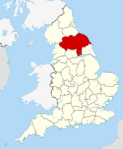
 A report out today in the Independent on Sunday says that birds of prey are being poisoned or shot in the North York Moors and Yorkshire Dales at a rate unknown in any other region in the UK, according to the latest RSPB figures.
The headline is actually quite a misleading statement. Perhaps what it should say is that reports of raptor persecution are highest in North Yorkshire than any other region. We know only too well that reporting and recording is done very differently between regions, and these differences do not neccessarily reflect what is actually happening on the ground.
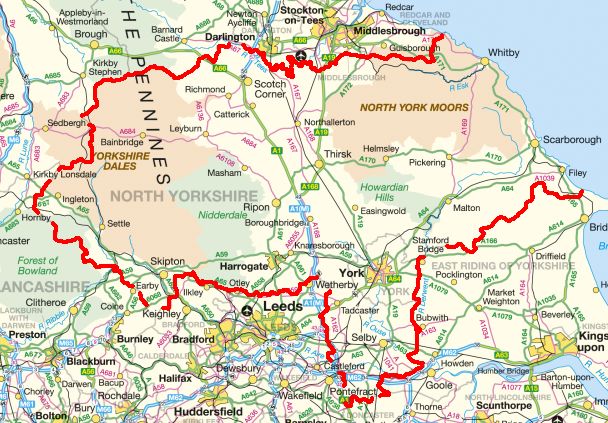 The latest figures come from the RSPB’s annual Birdcrime report, Birdcrime 2010, which is due to be published on Thursday, so it’s difficult to assess the findings until the report has been released. However, according to the IoS article, “Almost 10 per cent of the 117 incidents against 11 species last year took place in the county, which has consistently recorded high rates of such crime, according to the RSPB“.
The article continues: “The number of reported incidents in North Yorkshire doubled between 2009 and 2010, from 27 to 54, with 10 confirmed cases of bird of prey persecutions. These include the poisoning of four red kites and three buzzards and the shooting of a goshawk. Two-week old chicks [of what species?] were also found laced with a banned pesticide and left as bait in the Yorkshire Dales.”
An RSPB spokesman lays the blame firmly at the feet of intensive upland grouse moors; a BASC spokesman denied the extent of the problem and said “the gamekeeper is a convenient scapegoat.”
All depressingly familiar. The bottom line is, despite the overwhelming evidence of widespread criminal raptor persecution, it is still not possible to get a meaningful prosecution. Until this happens, we will continue to read these appalling statistics.
More on this once the Birdcrime 2010 report has been published.
Article in the Independent on Sunday here
 The first annual Scottish Bird Fair will be held in May 2012 at………Hopetoun House, which is managed by Hopetoun Estates!
 Earlier this year, a subsidised pesticide and biocide disposal scheme was set up for a three month period (Jan-Mar), so that gamekeepers, farmers, pest controllers etc could safely and cheaply get rid of certain redundant and/or illegal substances. The scheme was organised by the bafflingly-named Project SOE (Security in the Operational Environment) and was supported by government funding, which allowed collection and disposal for the bargain rate of £20 per application.
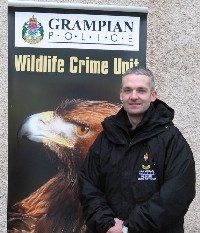 Grampian Police Force, covering the north-east region of Scotland, is way ahead of all the other Scottish police forces when it comes to tackling wildlife crime. This police force has employed a full-time Police Wildlife Crime Officer since 2006 – the excellent and highly effective Dave MacKinnon, who apparently stepped down earlier this year. Much of the Grampian Police Wildlife Crime Unit’s success is as a result of Dave’s hard work and commitment. In addition, there are up to 11 part-time Police Wildlife Crime Officers spread throughout the Grampian region.
 Grampian Police deserve recognition for their proactive stance on tackling wildlife crime. This police force puts many of the other Scottish police forces to shame. The Grampian Police Wildlife Crime Unit isn’t perfect, but then who is? What’s important is that this group has taken giant steps towards a zero tolerance policy on wildlife crime. Some might say, ‘Well, it’s their statutory duty to deal with wildlife crime so why are you congratulating them for doing what they’re supposed to be doing?‘ It’s a fair point, but when you compare what Grampian Police has been doing with what most of the other Scottish police forces have (or haven’t) been doing, then we would argue that Grampian Police has actually gone further than its statutory duties and has demonstrated a meaningful commitment far greater than any other police force in the UK, let alone in Scotland.
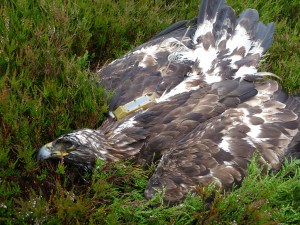 Glen Esk is, of course, where golden eagle ‘Alma’ was found poisoned two years ago (see
 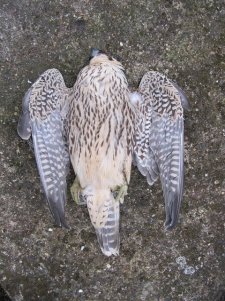 The BBC News website is running a story today about another poisoned peregrine. The young bird was apparently discovered three months ago at Whitecleaves Quarry near Buckfastleigh in Devon. The toxicology results, which have only just been released, indicate the bird was poisoned with the banned pesticides Carbofuran and Aldicarb.
 The case against gamekeeper Andrew Malcolm Slaughter, which opened at Inverness Sheriff Court in March 2011, has been delayed once again.
 Well finally, on behalf of the Scottish Government, SASA (Science and Advice for Scottish Agriculture) has published the poisoning figures from the second quarter of 2011 (covering the period from April to June), and guess what? More raptors were illegally poisoned during this period. Seems a bit of a coincidence that these figures have been published four months late and on the very day that people were encouraged to make a Freedom of Information request to SASA to obtain the 2011 poisoning data. Nevertheless, the publication of these data is still welcome and provides us with cold hard facts about the continuing illegal poisoning of our native species.
 Raptor Persecution UK