Buzzard shot in Hertfordshire

Press release from Hertfordshire Police, 26 September 2017:

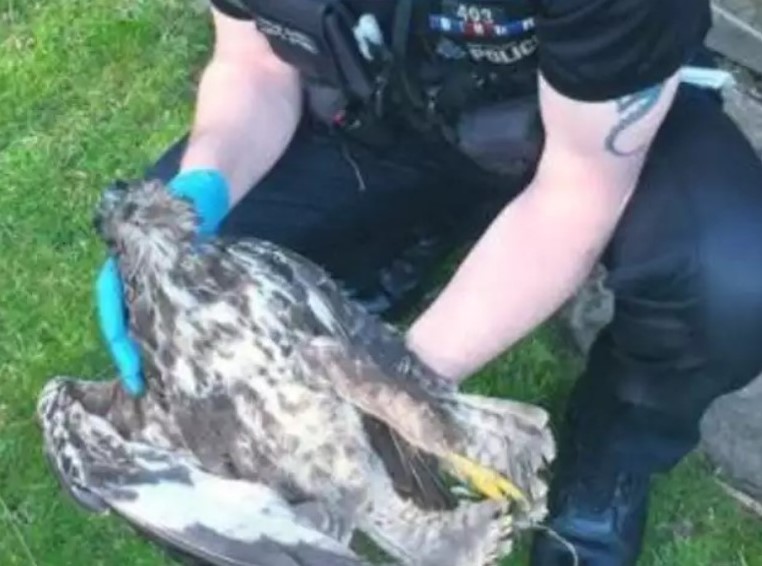
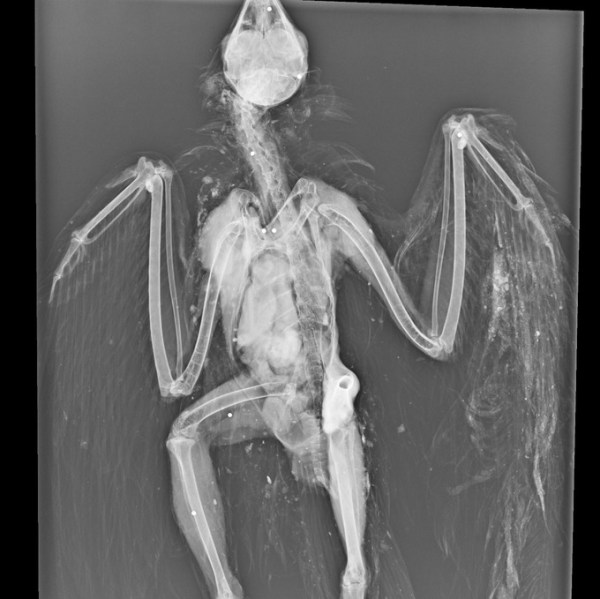
Officers from Hertfordshire Constabulary’s Rural Operational Support Team (ROST) are appealing for witnesses and information after a buzzard was found seriously injured.

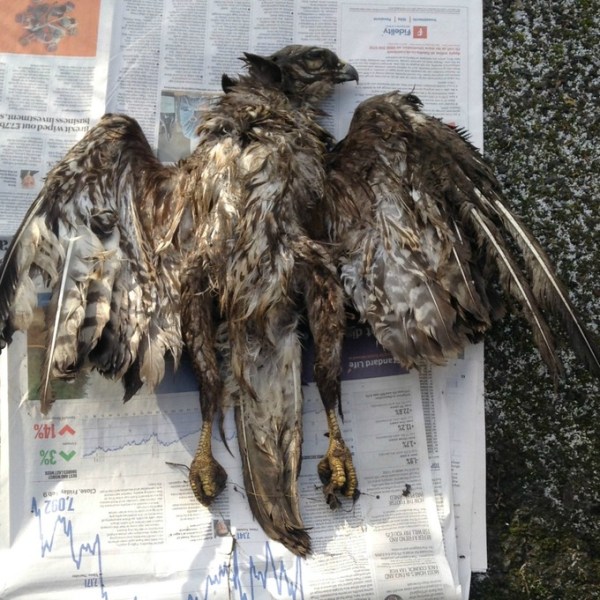
The bird was found by a member of the public on a track leading off Ledgemore Lane, Great Gaddesden, Hemel Hemstead on Wednesday September 6th 2017.

The bird was recovered and examined by a veterinaty surgeon. It was concluded that the bird had been shot and sadly, due to the severity of its injuries, the animal had to be put to sleep.

PC Simon Tibbett, from ROST, said: “All British wild birds, their nests and their eggs are protected under the Wildlife & Countryside Act 1981. Therefore it is an offence to shoot a buzzard or interfere with their nests in any way and punishable by a fine or up to six months in jail.

As a bird of prey, buzzard persecution is monitored by DEFRA and the National Wildlife Crime Unit as raptor persecution is a national wildlife crime priority.

We take wildlife crime very seriously in Hertfordshire and we are keen to trace those responsible for this offence. I would urge anyone with information to please get in touch“.

Jenny Shelton, Investigations Liaisons Officer at the RSPB said, “I think we speak for most people when we say we are angry and saddened to hear that someone has shot this bird. 

Our UK population of buzzards dropped during the 20th century due to unlawful killing, and sadly persecution is still a problem today. If you know anything about this incident, please contact police on 101 or the RSPB Investigations team on 01767-680551“.

Anyone who has witnessed people shooting or carrying hunting rifles in the area, or has any further information, should contact PC Simon Tibbett on Hertfordshire Constabulary’s non-emergency number 101, quoting reference D1/17/7143.

ENDS

Two more buzzard shootings were reported from nearby London Colney in April 2017, both believed to have been shot with an air rifle – see here.

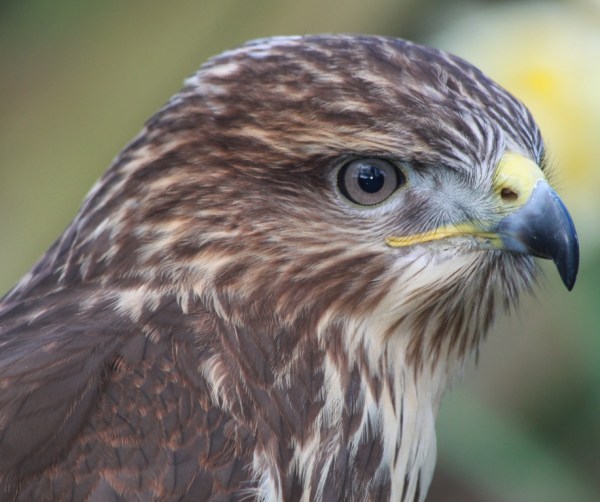
Buzzard photo by RPUK

Bleasdale Estate gamekeeper denies killing two peregrines in Bowland

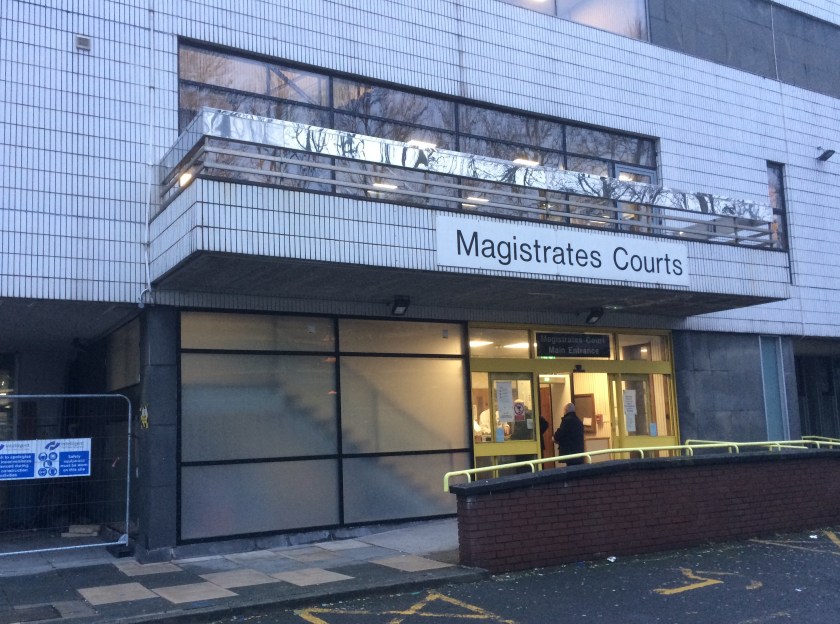
A 34-year old gamekeeper, James Hartley, appeared at Preston Magistrates Court today to face a series of charges relating to the alleged killing of two peregrines on the Bleasdale Estate, Bowland, in April 2016.

The charges read out in court were as follows:

  1. Killing a Schedule 1 wild bird. On 13 April 2016 at Bleasdale in the county of Lancashire, intentionally killed a wild bird included in Schedule 1 to the Wildlife & Countryside Act 1981, namely a peregrine falcon, contrary to sections 1(1)(a), 1(4) and 21(1) of the Wildlife & Countryside Act 1981.
  2. Disturb the nesting site of a Schedule 1 wild bird. On 13 April 2016 at Bleasdale in the county of Lancashire, intentionally or recklessly disturbed a wild bird included in Schedule 1 to the Wildlife & Countryside Act 1981, namely a peregrine falcon, while it was in, on or near a nest containing eggs or young, contrary to sections 1(5)(a) and 21(1) of the Wildlife & Countryside Act 1981.
  3. Killing a Schedule 1 wild bird. On 13 April 2016 at Bleasdale in the county of Lancashire, intentionally killed a wild bird included in Schedule 1 to the Wildlife & Countryside Act 1981, namely a peregrine falcon, contrary to sections 1(1)(a), 1(4) and 21(1) of the Wildlife & Countryside Act 1981.
  4. Set trap / gin / snare etc to cause injury to wild bird. On 13 April 2016 at Bleasdale in the county of Lancashire, set in position a trap which was of such a nature and so placed as to be calculated to cause bodily injury to any wild bird coming in to contact with it, contrary to sections 5(1)(a) and 21(1) of the Wildlife & Countryside Act.
  5. Take a Schedule 1 wild bird. On 13 April 2016 at Bleasdale in the county of Lancashire, intentionally took a wild bird included in Schedule 1 to the Wildlife & Countryside Act 1981, namely a peregrine falcon, contrary to sections 1(1)(a), 1(4) and 21(1) of the Wildlife & Countryside Act 1981.
  6. Possess live / dead Schedule 1 wild bird or its parts. On 13 April 2016 at Bleasdale in the county of Lancashire, had in your possession or control a dead wild bird included in Schedule 1 to the Wildlife & Countryside Act 1981, namely a peregrine falcon, contrary to sections 1(2)(a), 1(4) and 21(1) of the Wildlife & Countryside Act.
  7. Possess an article capable of being used to commit a summary offence under section 1 to 13 or 15-17. On 13 April 2016 at Bleasdale in the county of Lancashire, for the purpose of committing an offence, namely killing a Schedule 1 wild bird, namely a peregrine falcon, under section 1(1)(a), 1(4) and 21(1) of the Wildlife & Countryside Act 1981, had in your possession a firearm which was capable of being used for committing the offence, contrary to section 18(2) of the Wildlife & Countryside Act 1981.
  8. Possess an article capable of being used to commit a summary offence under section 1 to 13 or 15-17. On 12 April 2016 and 27 April 2016 at Bleasdale in the county of Lancashire, for the purpose of committing an offence, namely killing a Schedule 1 wild bird, namely a peregrine falcon, under section 1(1)(a), 1(4) and 21(1) of the Wildlife & Countryside Act 1981, had in your possession hammer, trap and knife which were capable of being used for committing the offence, contrary to section 18(2) of the Wildlife & Countryside Act 1981.
  9. Cause unnecessary suffering to a protected animal – Animal Welfare Act 2006. On 12 April 2016 and 15 April 2016 at Bleasdale in the county of Lancashire, caused unnecessary suffering to a protected animal, namely a peregrine falcon, by an act, namely trapping and leaving for a number of hours, and you knew or ought reasonably to have known that the act would have that effect or be likely to do so.

Mr Hartley denied all charges.

The following commentary has been compiled from notes we took during the hearing:

The lawyer from the Crown Prosecution Service then summarised the prosecution case. She said the Crown’s case is that the defendant is responsible for the destruction of two birds at their nest site. She said the matter came to light when the RSPB sited a camera within the boundary of Bleasdale Estate to monitor nesting peregrines. The Crown alleges that camera footage captures an individual in a camouflage suit attending the nest site. The individual remained there for a number of minutes setting what is believed to be a trap. The female peregrine is seen to leave the nest and four shotgun discharges are heard and the female does not return. The male peregrine remained at the site all day, believed to be trapped in the device set earlier. Later in the evening a person is seen to attend the nest site and remove something.

She went on to explain that the defendant is the gamekeeper for this particular ‘beat’ on the Bleasdale Estate and during a police search of his property a bag was seized containing a number of tools. A forensic analysis showed that a wooden-handled hammer and an orange-handled knife both contained peregrine DNA. The defendant gave a ‘no comment’ interview.

The defence lawyer, Tim Ryan, told the court that his client did not carry out the offences and is not the person shown in the video footage. He said part of his defence case would be to question the admissibility of video evidence under section 78 of the Police & Criminal Evidence Act.

The next hearing will take place on 11 January 2018 which is expected to deal with legal arguments about the admissibility of video evidence. Depending on the outcome of that hearing, a preliminary trial date was set to begin on 12 February 2018 and is expected to last for five days.

PLEASE NOTE: Comments are welcome but contributors are reminded that the offences are only alleged at this stage and it is up to the court to determine innocence or guilt. Please consider your words carefully as libellous commentary could interfere with the progression of this case! Thanks.

UPDATE 10 January 2018: Case against Bleasdale Estate gamekeeper James Hartley: part 2 (here)

Raptor shot in North York Moors National Park

North Yorkshire Police have tweeted about the shooting of a raptor two days ago in the North York Moors National Park:

At the moment there is no further information about the circumstances of this reported incident, the species, the extent of its injuries, and whether it’s alive or dead.

Hopefully the police will issue a detailed appeal for information.

[UPDATE 18.20hrs: Further tweets from the police – the shooting was witnessed by a walker, the bird was thought to be a marsh harrier or a buzzard, the body was not found].

The North York Moors National Park is a well known raptor persecution hotspot, which is no surprise given the extent of driven grouse moors within the Park’s boundary. Earlier this year a buzzard was found in the Park with shotgun injuries (here) and last year another buzzard was found in the Park with horrific injuries caused from being shot and caught in a leg trap (see here).

Hawk & Owl Trust still refusing to admit Hen Harrier Rowan was shot

This is hilarious.

In the latest edition of the Hawk & Owl Trust’s members magazine (Peregrine, No 106, Spring/Summer 2017) there’s an article entitled ‘The Hen Harrier – A Controversial Bird‘.

There’s a bit about their 2016 satellite-tagged hen harrier, Rowan:

“Three months after being tagged, Rowan’s satellite data indicated that something was awry. Stephen Murphy, Natural England’s authorised investigator, headed out to ascertain what was wrong. Rowan was dead and in circumstances that justified an autopsy. The findings were passed on to the police. The Hawk & Owl Trust has refrained from any further comment for fear of prejudicing the ongoing investigation”.

What nonsense.

As you’ll recall, Rowan was satellite-tagged by the Hawk & Owl Trust / Natural England at Langholm in 2016. His corpse was discovered, in suspicious circumstances, in Cumbria /Yorkshire Dales National Park in October 2016, shortly before the Westminster debate on banning driven grouse shooting.

press release issued by Cumbria Police (after consultation with Natural England and possibly the Hawk & Owl Trust) stated he was ‘likely to have been shot‘. We questioned that phrasing and a series of FoIs revealed that Cumbria Police had changed their statement from ‘was shot‘ to ‘was likely to have been shot‘. Why did they introduce an element of doubt? Was this a political move?

We asked Cumbria Police and Natural England to publish the post mortem report and the x-ray of Rowan’s corpse – they refused, saying it ‘might affect the course of justice‘. This made us even more suspicious as police forces routinely publish x-rays of shot birds as part of their appeals for information. By not publishing Rowan’s x-ray, it was almost as though they had something to hide.

Then on 3 February 2017, the RSPB published an image of Rowan’s x-ray on their blog. The image was clear: Rowan had suffered gun shot injuries to the leg and metal shot fragments were visible at the fracture site.

Later that day, the Hawk & Owl Trust issued a statement saying ‘the initial post mortem results were not wholly conclusive and further metallurgical tests were required‘.

We asked the Hawk & Owl Trust, several times, who had decided the post mortem results were inconclusive, who had decided that further metallurgical tests were required, had those tests been done, and if so, what were the findings?

The Hawk & Owl Trust did not respond.

So we submitted an FoI to Natural England, who confirmed that further metallurgical tests were not being undertaken.

Meanwhile, in the March edition of the RSPB’s Legal Eagle newsletter, it was stated that ‘the Zoological Society of London post mortem examination, including a radiograph of its fractured left leg, showed the bird’s injuries were entirely consistent with it having been shot‘.

You got that, Hawk & Owl Trust? Rowan was shot and this has been well publicised. This information will in no way ‘prejudice the ongoing investigation‘ because the investigation into this shot raptor, just like pretty much every other investigation in to a shot raptor, is going nowhere, thanks to a wall of silence from the grouse-shooting industry and organisations like the Hawk & Owl Trust propping up that industry with unwarranted encouragement.

Satellite-tagged hen harrier disappears on grouse moor in Cairngorms National Park

Well that didn’t take long, did it? Just a few weeks after fledging, one of the 2017 cohort of satellite-tagged hen harriers has already ‘disappeared’, with its final signal emitted from a grouse moor on the 12th August, the opening day of the grouse-shooting season.

Hen harrier ‘Calluna‘ (photo RSPB Scotland)

RSPB Scotland press release:

SATELLITE-TAGGED HEN HARRIER DISAPPEARS ON DEESIDE GROUSE MOOR

RSPB Scotland has issued an appeal for information after a young hen harrier, fitted with a satellite tag as part of the charity’s EU-funded Hen Harrier LIFE project, disappeared on an Aberdeenshire grouse moor.

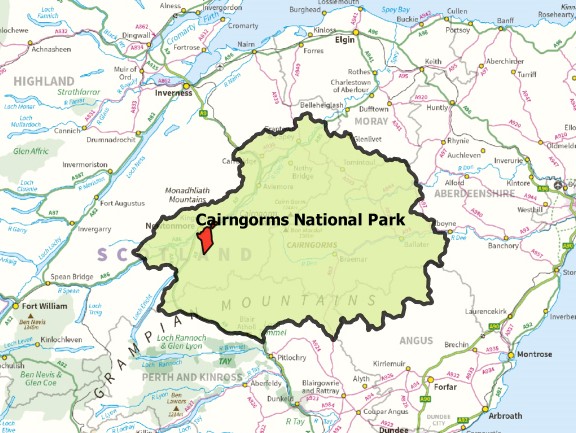
Calluna‘, a female harrier, was tagged this summer at a nest on the National Trust for Scotland’s Mar Lodge estate, near Braemar. Her transmitter’s data was being monitored by RSPB Scotland and showed that the bird fledged from the nest in July. She left the area in early August, with the data showing her gradually heading east over the Deeside moors. However, while the tag data showed it to be working perfectly, transmissions abruptly ended on 12th August, with no further data transmitted. Calluna’s last recorded position was on a grouse moor a few miles north of Ballater, in the Cairngorms National Park.

Hen harriers are one of the UK’s rarest raptors and the 2016 national survey results released earlier this year showed that even in Scotland, the species’ stronghold, these birds are struggling. The number of breeding pairs in Scotland now stands at 460, a fall of 27 per cent since 2004, with illegal killing in areas managed for driven grouse shooting identified as one of the main drivers of this decline.

David Frew, Operations Manager for the National Trust for Scotland at Mar Lodge Estate, said: “It is deeply saddening to learn that Calluna appears to have been lost, so soon after fledging from Mar Lodge Estate. Hen harriers were persecuted on Deeside for a great many years, and we had hoped that the first successful breeding attempt on Mar Lodge Estate in 2016 would signal the start of a recovery for these magnificent birds in the area.

Only one month after fledging, and having travelled only a relatively short distance, it appears that we will no longer be able to follow the progress of our 2017 chick. We hope however that the data her tag has provided will help to inform a wider understanding of the lives and threats faced by hen harriers.”

Ian Thomson, Head of Investigations at RSPB Scotland said: “This bird joins the lengthening list of satellite-tagged birds of prey that have disappeared, in highly suspicious circumstances, almost exclusively in areas in areas intensively managed for grouse shooting. We are pleased that the Cabinet Secretary for the Environment has commissioned an independent group to look at how grouse moors can be managed sustainably and within the law. We look forward to a further announcement shortly on the membership of this group, and we are committed to assist the work of this enquiry in any way that we can.

The LIFE project team has fitted a significant number of tags to young hen harriers this year, with the very welcome help from landowners, including the National Trust for Scotland, who value these magnificent birds breeding on their property. The transmitters used in this project are incredibly reliable and the sudden halt in data being received from it, with no hint of a malfunction, is very concerning. We ask that if anyone has any information about the disappearance of this bird we urge them to contact Police Scotland as quickly as possible”.

ENDS

Here’s a map we’ve created showing the location of the National Trust for Scotland’s Mar Lodge Estate in the Cairngorms National Park, where Calluna hatched, and the town of Ballater, close to where she disappeared.

The RSPB Scotland press release doesn’t name the estate from where Calluna’s last position was recorded, it just says it was “on a grouse moor a few miles north of Ballater, in the Cairngorms National Park“.

Hmm, let’s have a closer look at that. Here’s a map showing the grouse moor area a few miles north of Ballater. According to estate boundary details that we sourced from Andy Wightman’s Who Owns Scotland website, Calluna’s last position could have been recorded on either an Invercauld Estate grouse moor or a Dinnet Estate grouse moor.

If you’re thinking that this part of the Cairngorms National Park looks familiar, you’d be right, we’ve blogged about it a few times before. There was the discovery of an illegally shot peregrine at the Pass of Ballater in 2011, the reported coordinated hunt and subsequent shooting of an adult hen harrier at Glen Gairn on the border of Invercauld and Dinnet Estates in 2013, and then there were the illegally-set traps that were found nr Geallaig Hill on Invercauld Estate in 2016. This area of Royal Deeside is quite the little raptor persecution hotspot, isn’t it?

The evidence just keeps mounting. Is anyone still wondering why the game-shooting industry is so keen to try and discredit the use of satellite tags on raptors?

We wonder what explanations, to avoid the bleedin’ obvious, they’ll come up with this time? Perhaps they’ll suggest Calluna was sucked in to a vortex created by Hurricane Harvey? Or maybe they’ll say she was hit by a North Korean test missile? They might tell us that Vladimir Putin must have hacked the satellite signals? All just as plausible as the usual tosh they trot out, such as how a fieldworker eating a sandwich at a tagging session causes eagles to die (here), or how non-existent wind farms are responsible for the disappearance of eight sat-tagged golden eagles (here), or how ‘activists’ have been killing sat-tagged raptors as part of a smear campaign against the grouse-shooting industry (here), or how a faulty saltwater switch on tags attached to Olive Ridley turtles on the Indian subcontinent means that all satellite tags are unreliable (here).

We’ll be updating this page throughout the day if and when statements are made by the following:

Response of Environment Secretary Roseanna Cunningham –

Response of Alexander Burnett MSP (Conservative, Aberdeen West) –

Response of Cairngorms National Park Authority – Grant Moir, Chief Exec of CNPA said: “A hen harrier has once again disappeared in the Cairngorms National Park, with a satellite tracker ceasing to transmit. The Park Authority is determined to stop these recurring disappearances. Earlier this week the CNPA met with Police Scotland to discuss how increased use of special constables can help to tackle wildlife crime in the Cairngorms National Park. We also continue to work on other solutions to these issues. The CNPA look forward to the establishment by Scottish Government of the independently-led group to look at the environmental impact of grouse moor management and will feed in to that review“.

Response of Scottish Land & Estates – David Johnstone, chairman of Scottish Land and Estates, said: “Estates in the area have welcomed a number of hen harriers to the area during August and only today one moor reported three harriers. Local land managers reject the inference that the loss of signal from this tag is connected to grouse moor management and are now offering every assistance in searching the area where the last transmission was recorded. They are dismayed that they were not informed earlier that the tag had stopped transmitting nearly three weeks ago, as this would have assisted the search“.

Response of Scottish Wildlife Trust – Susan Davies, director of conservation at the Scottish Wildlife Trust (SWT) said: “It’s extremely disappointing to learn that yet another hen harrier has disappeared over a grouse moor. The most recent surveys show that hen harrier numbers are declining in most parts of Scotland and that illegal persecution is a factor in this decline. Anyone who has information on this bird’s disappearance should contact Police Scotland immediately. 

The Trust has repeatedly called on the Scottish Government to be tougher on wildlife crime and introduce a system of licensing for grouse moor management to encourage sustainable practices. We welcome the recent announcement that a working group will be formed to look at the environmental impact of grouse moors and options for better regulation, and we stand ready to assist this group in any way possible“.

Response of Scottish Gamekeepers’ Association – A spokesman for The Scottish Gamekeepers Association said: “The SGA would urge anyone who saw the bird or knows anything about it to contact Police Scotland. This is the first we have heard of this. Obviously any news like this is very disappointing. The SGA condemns raptor persecution and if any of our members are convicted of a wildlife crime they are removed from our organisation. We have learned from those monitoring tags that birds can move some distance away from where they were last recorded so it is important that, if people know anything, they alert the Police immediately.”

Response of Scottish Moorland Group –

Response of Grampian Moorland Group –

Response of GWCT – Nothing, nada, zilch. But on Twitter they announced the availability of the new GWCT Xmas Cards. That’s nice.

Response of BASC –

Response of Countryside Alliance –

Response of Scottish Association for Country Sports – (from The Times) – Julia Stoddart, head of policy for the SACS, lamented the practice of killing hen harriers to protect grouse. “However, we would remind the RSPB that tag technology can fail for a number of reasons, and that raptors are susceptible to natural causes of death as well as to illegal persecution“, she said.

Other media coverage:

BBC news here

Scotsman here

Press & Journal here

UPDATE 2 September 2017: On cue, Scottish landowners’ rep throws false allegations at RSPB (see here).

UPDATE 4 September 2017: Political silence in response to missing hen harrier Calluna (see here).

UPDATE 5 September 2017: Scottish Land & Estates and their indefensible distortion of the truth (see here).

Another red kite found shot dead in County Down

A three-month old red kite has been found shot dead in County Down, Northern Ireland.

The bird, hatched in May and tagged ‘Black 5W’, was found dead on a public road last Thursday (17 August 2017) outside Moneyslane, between Banbridge and Newcastle.

An initial x-ray revealed pieces of shot in the bird’s corpse and the body has now been sent for a full post-mortem.

Anyone with information on the incident can contact the Police Service of Northern Ireland on the non-emergency number 101 or anonymously via Crimestoppers on 0800 555 111, quoting reference number 837 of 17/8/17.

Further details on BBC News (here) and the Belfast Telegraph (here).

The tiny, reintroduced red kite population in Northern Ireland is under serious threat from on-going persecution. Another red kite was found shot in Co Down in 2015 (here) and in 2014, four kites were illegally killed in Co Down (one was shot, three were poisoned – see here).

In 2016, in response to a PAW report on raptor persecution in Northern Ireland, a new, multi-agency initiative called ‘Operation Raptor‘ was launched, aimed at targeting those who continue to kill protected birds of prey.

Grouse shooting industry silent on marsh harrier persecution

Last Thursday (10th August 2017) North Yorkshire Police issued an appeal for information about several armed men, dressed as gamekeepers, who had been filmed trying to shoot a nesting Marsh harrier on a Yorkshire grouse moor in May. Some more armed men, still dressed as gamekeepers, were also filmed removing eggs from the Marsh harrier’s nest.

The Police appeal for information about the crimes, and an RSPB blog about the crimes, can be found here. The RSPB’s video footage of the crimes can be viewed here:

Four days on, we were interested to find out what the leading representatives of the grouse shooting industry have had to say about these crimes so we checked the following website news sections:

Moorland Association – nothing

National Gamekeepers Organisation – nothing

Countryside Alliance – nothing

British Association for Shooting & Conservation – nothing

Game & Wildlife Conservation Trust – nothing

No condemnation of these crimes. No appeals for information about these crimes from within their industry. Just a complete wall of silence. We even asked the Moorland Association whether this grouse moor was a member, and we asked the National Gamekeepers Organisation whether they had any members employed on this grouse moor. The responses? Nothing. Zero. Zilch. Nada.

It’s the same deafening silence that followed the discovery of a poisons cache buried on another North Yorkshire grouse moor (see here).

Isn’t it great to see these ‘partners’ in the Partnership for Action against Wildlife Crime (PAW) speaking out and doing their utmost to fight against illegal raptor persecution? It’s yet more evidence that the whole ethos of ‘partnership working’ against raptor persecution is nothing more than a sham.

Actually, how does this collective silence meet with the requirements of being a PAW member?

Let’s look at the PAW mission statement first:

Working in partnership to reduce wildlife crime through prevention and awareness-raising, better regulation, and effective and targeted enforcement‘.

Now let’s look at the PAW objectives:

  • PAW will raise awareness of wildlife legislation and the impacts of wildlife crime
  • PAW will help and advise on wildlife crime and regulatory issues
  • PAW will ensure all wildlife crime is tackled effectively.
  • All PAW members of PAW UK should take action in support of these overarching objectives

How does refusing to comment about raptor persecution crimes meet with any of the PAW objectives?

Some of these PAW members (all of them except the GWCT) are also members of the England & Wales PAW subgroup, the Raptor Persecution Priority Delivery Group (RPPDG). This is the group that DEFRA has identified as being integral to their highly controversial Hen Harrier Recovery Plan. Part of the RPPDG’s role is to provide publicity about raptor persecution, in order ‘to build trust and transparency’. Strange then, that we haven’t found any statement from the RPPDG about the persecution of Marsh harriers on this North Yorkshire grouse moor.

We were interested to read about a few hundred Hunt Saboteurs ‘sabbing’ (disrupting) a couple of grouse shoots this last weekend. As the shooting industry members of the PAW Partnership continue to deliver nothing at all, don’t be surprised to see more of this direct action approach in the months and years ahead.

More illegal raptor persecution hotspots revealed in new map

Ian Thomson, Head of RSPB Investigations Scotland has written an interesting blog examining the ‘disappearance’ and/or illegal killing of satellite tagged red kites and hen harriers – see here.

It’s well worth a read. And take a close look at this map, illustrating the locations of suspicious disappearances as well as where the corpses have been found:

Here’s a direct quote from Ian:

It is clear from this map that, like golden eagles, the distribution of illegally killed or suspiciously disappeared satellite-tagged red kites and hen harriers is far from random, and shows clear clusters in some upland areas. As with the “hotspots” for eagles, these clusters are almost entirely coincident with land dominated by driven grouse shooting management, again including areas like the northern Monadhliaths and the Angus Glens. But, harriers and kites have clearly being targeted in other regions – notably, but not exclusively, upper Strathspey, Strathnairn and the Lowther Hills of S Lanarkshire‘.

Following the recent news that the RSPB, in partnership with LUSH, has satellite-tagged a record number of hen harriers this year, we can expect many more dots to appear on this map, most of them will be added before Xmas.

We’ll be undertaking some finer analyses of this map, probably next week, and we’ll be asking blog readers to get involved. More on that soon.

There’s one other point in Ian’s blog that is worth highlighting here, in response to the unsubstantiated yet repeated claims by some that raptors do better on driven grouse moors than they do on RSPB reserves:

More pairs of hen harriers bred successfully on one RSPB reserve on Islay in 2017, than on the grouse moors of Aberdeenshire, Kincardineshire, Angus and the Scottish Borders put together. In fact, RSPB nature reserves hold 10% of Scotland’s breeding population of hen harriers, with 46 pairs in 2016‘.

How many hen harriers do you think bred successfully on Scottish grouse moors in 2016 (where driven shooting took place – not on moors which are currently not being shot)?

Photo of hen harrier Annie, who was found shot on a grouse moor in South Lanarkshire in 2015. (Image: RSPB Scotland).

Video of marsh harrier persecution on North Yorkshire grouse moor

If anybody has been foolish enough to believe any of the grouse shooting industry’s recent propaganda onslaught in the run up to the Inglorious 12th, here’s a shocking reminder of what really goes on.

Press release published today by North Yorkshire Police:

POLICE INVESTIGATE PERSECUTION OF BREEDING MARSH HARRIERS

North Yorkshire Police are investigating an incident in which men disturbed a pair of marsh harriers nesting on moorland north of Denton, near Ilkley, in Wharfedale.

In May 2017 a pair of marsh harriers was discovered nesting on moorland forming part of Middleton and Denton moors near the village of Denton in North Yorkshire.

The site was monitored by RSPB investigators who photographed the nest containing five eggs. The adult birds were observed at the nest.

A camera was set up to record activity at the nest site. Video images recorded by the camera show that on 17 May at least two individuals, who appeared to be men, wearing dull, brownish green coloured jackets, traditional country caps, and carrying what looked like shotguns and a brown game bag approached the nest site on six occasions between 12.40pm and 9.30pm. The sound of several shots fired in the vicinity of the nest  were recorded, as was the noise of an engine, believed to be a quad bike. One of the men stood over the nest, bent down, and appeared to pick up something from the nest before walking away.

The following day, 18 May, a further visit by a man, similarly attired, along with a green rucksack, was recorded at around 9.40am. This individual stood over the nest, bent down, and appeared to remove something from the nest.

An RSPB investigator checked the site on 19 May and discovered the nest had no eggs in it, with no sign of any debris from damaged eggs.

The people shown on the video at the nest site have not been identified. A number of men have been spoken to by police as part of the investigation.

The Wildlife and Countryside Act 1981 (WCA) makes it an offence to take, damage, or destroy the nest of any wild bird. Marsh harriers are a scarce species, listed on schedule 1 of the WCA, and have additional protection. It is an offence to intentionally or recklessly disturb birds listed on schedule 1 while they are at, or near, a nest with eggs or young. Marsh harriers are birds of prey and they normally breed in marshes and reed beds. It is unusual to find them breeding in heather on a moor.

PC Bill Hickson, who is investigating the incident, said: “The video evidence provided by the RSPB shows illegal activity around a marsh harrier nest, and the activity shown speaks for itself. The pictures on the video are, unfortunately, too small to produce an image from which any of the individuals shown could be identified.”

Anyone who has any information about the incident or can help identify who was responsible is asked to contact North Yorkshire Police. Telephone 101, choose option 2 and ask for PC 820 Bill Hickson or email bill.hickson@northyorkshire.pnn.police.uk.

ENDS

The RSPB has released a copy of the video footage: (make sure the volume is turned up)

The RSPB’s investigations unit has also published a blog about this case, here.

Gosh, who do you think those armed gunmen were? It’s a tricky one.

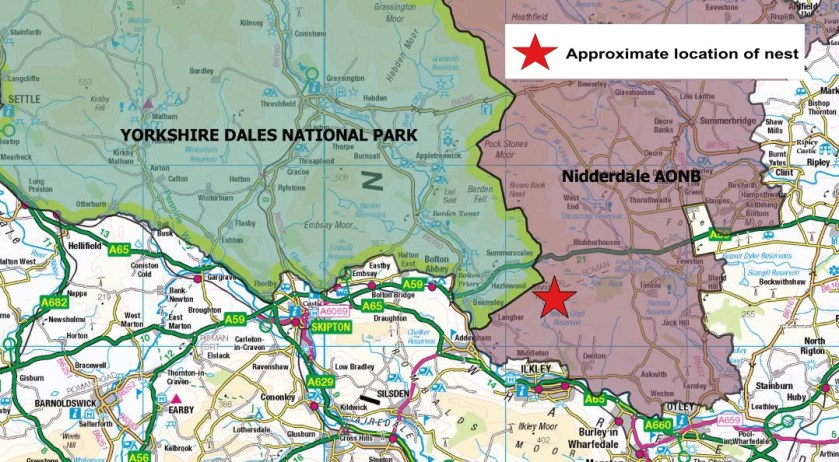
Here’s a map we’ve created to show the approximate location in Nidderdale Area of Outstanding Natural Beauty (which also just happens to be a notorious raptor persecution hotspot):

Well done to the RSPB Investigations Team for securing this footage (note: NOT inadmissible evidence) and very well done to North Yorkshire Police for a timely public appeal for information.

If, like us, you’re sick to the back teeth of the illegal persecution of raptors on grouse moors, and you want 10 million people to hear about it, please consider using your social media accounts (twitter & facebook) to sign up to Findlay Wilde’s thunderclap, due to go out at 9.30am on the morning of the Inglorious 12th. At the moment, the social reach of this thunderclap is over 9.5 million people. Let’s get it to ten million. Please sign here.

Record number of hen harriers fitted with satellite tags


RSPB press release:

The RSPB has fitted a record number of hen harrier chicks with satellite tags in the UK this year, more than doubling the number from any other year.

More than 24 birds have been fitted with transmitters so far, the majority of them in Scotland, as part of the conservation organisation’s EU-funded Hen Harrier LIFE Project. Harriers were also tagged in Wales and the Isle of Man.

By tracking the movements of these threatened birds of prey, the RSPB will be able to build up an even clearer picture of where hen harriers go and where they are most at risk, for example from illegal persecution.

This is the third consecutive year that hen harriers have been tagged as part of the project [6 tagged in 2015; 12 tagged in 2016]. The increase in the number of tags deployed in 2017 was made possible by cosmetic company LUSH, which raised funds through the sales of a specially created “Skydancer” bath bomb.

Conservationists hope the ‘Hen Harrier Class of 2017’ will fare better than last year’s cohort. Out of the 12 young harriers fitted with tags by the RSPB in 2016, only five are still alive. [See here for fates of RSPB and Natural England tagged 2016 hen harriers].

One of the birds, Carroll, was found dead having suffered from an infectious disease. Disturbingly, a post mortem later revealed lead pellets, indicating she had survived being shot at some earlier point in her life. Two of the other birds disappeared in suspicious circumstances when their tags suddenly stopped transmitting, while a further three were lost to unknown causes. All are presumed to have died, as it is very rare for tags to fail for technical reasons.

It is not only RSPB-tagged hen harriers that have met with untimely demises over the past 12 months. In May this year a police investigation was launched after a hen harrier was allegedly shot on Leadhills Estate in South Lanarkshire, while in October Rowan, a bird tagged by Natural England, was discovered shot dead in Cumbria.

The RSPB sincerely hopes that Natural England will publish the publicly funded satellite tracking data which the statutory agency has collected over the past decade, as this will add significantly to the weight of evidence being gathered through the RSPB’s work. [We have an FoI back from NE about this and will blog shortly].

The need for this sort of data has never been greater. Hen harriers are in serious trouble across the UK. The results of the recently published National Hen Harrier Survey revealed that in the last 12 years, the number of breeding pairs has declined by more than a quarter (27%) in Scotland and by over a third (39%) in the UK as a whole.

While the final numbers are still being collated, anecdotal reports suggest the situation in Scotland does not appear to have improved this breeding season with hen harriers notably absent or in very low numbers in areas of suitable habitat, particularly in the south and east. In England, the final figures for 2017 show only three successful nests across habitat suitable for over 300.

The main reason hen harriers are continuing to decline is illegal killing and disturbance associated with the increasingly intensive management of driven grouse moors. The Scottish Government recently set up an independent enquiry into gamebird shoot licensing after an independent scientific review of golden eagle satellite tracking data revealed that approximately a third of them are being illegally killed.

Blánaid Denman, Project Manager for the RSPB’s Hen Harrier LIFE+ Project, said: By satellite tracking more hen harriers than ever before, we’ll gain a clearer picture of where these birds are spending their time and what exactly is happening to them. We’ve already discovered previously unknown nesting and winter roosting sites, as well as been able to pinpoint where natural deaths and illegal killings have occurred.

“It’s both infuriating and utterly heartbreaking to see these beautiful birds, year after year, disappear off the radar. Something needs to change. A system of grouse moor licensing would not only protect hen harriers but also tackle wider damaging grouse moor management practices, such as heather burning on deep peat and inappropriate drainage. For now though, I’ll be watching our newly fledged hen harriers, praying for their safety, and waiting to see what incredible journeys are about to unfold.”

Paul Morton from LUSH said: “We’re thrilled to hear that the money raised by our customers has allowed the RSPB to sat tag more hen harrier chicks than ever before. Monitoring as many youngsters as possible as they take their first flights across the length and breadth of the country is vital for their long-term protection. The message is loud and clear; a nation is watching and will have the welfare of each of these birds close to our hearts. The illegal persecution of hen harriers or any bird of prey will not be tolerated“.

From September, it will be possible to follow the travels of a selection of this year’s tagged hen harriers, together with last year’s surviving birds at: www.rspb.org.uk/henharrierlife.

ENDS

A fantastic partnership effort (real, actual partnership-working rather than the charade of pretence we’re so used to seeing from the PAW Raptor Group). Well done to all involved at RSPB and LUSH, and well done to everyone who purchased a Skydancer bathbomb because you helped this project happen.