Wildlife crime on grouse moors in the Peak District National Park – an illustrated talk by Bob Berzins

Bob Berzins is a conservation campaigner who has spent a number of years highlighting the ecological damage caused by grouse-shooting interests on the moors of the Peak District National Park (e.g. see guest blogs he’s written for Mark Avery here, here, here, here, here, here, here and here).

Regular blog readers will be well aware that the Peak District National Park has been identified as a hotbed of illegal raptor persecution for many years (e.g. see here) and this reputation continued, in and around this National Park (!) even when the country was in lockdown last spring (see here).

[A shot buzzard found critically injured at Rushup Edge, near Mam Tor in the Peak District National Park on 13th January 2020. It had to be euthanised. Photo via Derbyshire Constabulary]

Bob’s willingness to speak out about his findings on these Peak District grouse moors has led to him being targeted, like so many of us, by a campaign of harassment and intimidation from members of the grouse shooting industry, presumably in an attempt to silence him.

It’s a measure of the man that he hasn’t quietly slinked off, even in the face of the most malicious abuse, but has instead stood his ground and continued to share his experience and knowledge.

A few days ago he gave an illustrated presentation (online, of course) to the Sheffield Green Party. His talk was entitled ‘Wildlife Crime in the Peak District’ and it’s now available to watch on YouTube:

Gamekeepers responsible for more illegal raptor killing than any other profession

Somebody sent me a screen grab the other day of a statement posted on social media by the Southern Uplands Moorland Group (SUMG), which is one of a number of regional groups representing grouse moor estates around the country and designed to persuade the public that birds of prey are warmly welcomed and that gamekeepers love having birds of prey on their ground.

The statement published by the SUMG is fairly typical of the misrepresentation of facts that we’ve all come to expect from certain quarters of the grouse shooting industry. It reads as follows and I’ve underlined the sentence of interest:

Now, I can’t recall EVER saying on this blog that a dead raptor is automatically linked to the [game]keepering profession and there are numerous examples of illegal raptor killing offences that I’ve reported on here over the years where gamekeepers have quite clearly not been responsible (e.g. see here, here, here, here, here, here, here etc).

As a co-director of Wild Justice I’m also pretty certain that WJ has NEVER made such a claim. If there is such evidence, the SUMG are challenged to provide it.

I can’t speak for the RSPB but I can’t imagine they would EVER make such a ridiculous claim either.

Speaking for myself, I don’t even believe, as some do, that ALL gamekeepers are raptor killers. A lot of them are, of that there’s no doubt whatsoever, and some other gamekeepers will benefit from that killing even if they’re not doing the actual killing themselves, but I also know of some decent, law-abiding gamekeepers who are as thrilled at seeing a raptor as I am. I’ve met them and have worked with them, so I know they exist.

However, there’s no getting away from the undeniable evidence that shows overall, gamekeepers in the UK are responsible for more illegal raptor killing than any other profession. If you want to see the evidence, have a look at this pie chart published by the RSPB last year in their annual Birdcrime report:

Interestingly, one of the individuals included in the convicted gamekeepers section of this pie chart was a certain Alan Wilson, a member of the Scottish Gamekeepers Association who was convicted in 2019 of a catalogue of horrendous wildlife crimes he committed on the Longformacus Estate, a grouse/pheasant shooting moor in, er, the Southern Uplands (see here).

It strikes me that the Southern Uplands Moorland Group would do well to concentrate on ousting the criminals within the gamekeeping industry rather than smearing those of us who report on such crimes and who, quite legitimately, campaign for the Government to clamp down on the criminals involved.

51 hen harriers confirmed illegally killed or ‘missing’ since 2018

For anyone who still wants to pretend that the grouse shooting industry isn’t responsible for the systematic extermination of hen harriers on grouse moors across the UK, here’s the latest catalogue of crime that suggests otherwise.

[This male hen harrier died in 2019 after his leg was almost severed in an illegally set trap that had been placed next to his nest on a Scottish grouse moor (see here). Photo by Ruth Tingay]

Ten days ago this list totalled 48 hen harriers, all either confirmed to have been illegally killed or to have ‘disappeared’, most of them on or next to driven grouse moors.

They disappear in the same way political dissidents in authoritarian dictatorships have disappeared” (Stephen Barlow, 22 January 2021).

Today the list has been updated to include some others whose reported disappearances in 2020 have been confirmed, including Bronwyn (here) and Rosie (here), bringing the current running total to 51 hen harriers.

This disgraceful catalogue will continue to grow – I know of at least one more on-going police investigation which has yet to be publicised and I suspect there’s one other, although I’m still waiting for clarification on that one.

I’ve been compiling this list only since 2018 because that is the year that the grouse shooting industry ‘leaders’ would have us believe that the criminal persecution of hen harriers had stopped and that these birds were being welcomed back on to the UK’s grouse moors (see here).

This assertion was made shortly before the publication of a devastating new scientific paper that demonstrated that 72% of satellite-tagged hen harriers were confirmed or considered likely to have been illegally killed, and this was ten times more likely to occur over areas of land managed for grouse shooting relative to other land uses (see here).

2018 was also the year that Natural England issued itself with a licence to begin a hen harrier brood meddling trial on grouse moors in northern England. For new blog readers, hen harrier brood meddling is a conservation sham sanctioned by DEFRA as part of its ludicrous ‘Hen Harrier Action Plan‘ and carried out by Natural England (NE), in cahoots with the very industry responsible for the species’ catastrophic decline in England. For more background see here.

Brood meddling has been described as a sort of ‘gentleman’s agreement’ by commentator Stephen Welch:

I don’t get it, I thought the idea of that scheme was some kind of trade off – a gentleman’s agreement that the birds would be left in peace if they were moved from grouse moors at a certain density. It seems that one party is not keeping their side of the bargain“.

With 51 hen harriers gone since 2018, I think it’s fair to say that the grouse shooting industry is simply taking the piss. Meanwhile, Natural England pretends that ‘partnership working’ is the way to go.

‘Partnership working’ appears to include authorising the removal of hen harrier chicks from a grouse moor already under investigation by the police for suspected raptor persecution (here) and accepting a £10K bung from representatives of the grouse shooting industry that prevents Natural England from criticising them (see here).

[Cartoon by Gill Lewis]

So here’s the latest gruesome list:

February 2018: Hen harrier Saorsa ‘disappeared’ in the Angus Glens in Scotland (here). The Scottish Gamekeepers Association later published wholly inaccurate information claiming the bird had been re-sighted. The RSPB dismissed this as “completely false” (here).

5 February 2018: Hen harrier Marc ‘disappeared’ on a grouse moor in Durham (here)

9 February 2018: Hen harrier Aalin ‘disappeared’ on a grouse moor in Wales (here)

March 2018: Hen harrier Blue ‘disappeared’ in the Lake District National Park (here)

March 2018: Hen harrier Finn ‘disappeared’ near Moffat in Scotland (here)

18 April 2018: Hen harrier Lia ‘disappeared’ in Wales and her corpse was retrieved in a field in May 2018. Cause of death was unconfirmed but police treating death as suspicious (here)

8 August 2018: Hen harrier Hilma ‘disappeared’ on a grouse moor in Northumberland (here).

16 August 2018: Hen harrier Athena ‘disappeared’ on a grouse moor in Scotland (here)

26 August 2018: Hen Harrier Octavia ‘disappeared’ on a grouse moor in the Peak District National Park (here)

29 August 2018: Hen harrier Margot ‘disappeared’ on a grouse moor in Scotland (here)

29 August 2018: Hen Harrier Heulwen ‘disappeared’ on a grouse moor in Wales (here)

3 September 2018: Hen harrier Stelmaria ‘disappeared’ on a grouse moor in Scotland (here)

24 September 2018: Hen harrier Heather ‘disappeared’ on a grouse moor in Scotland (here)

2 October 2018: Hen harrier Mabel ‘disappeared’ on a grouse moor on the edge of the Yorkshire Dales National Park (here)

3 October 2018: Hen Harrier Thor ‘disappeared’ next to a grouse moor in Bowland, Lanacashire (here)

23 October 2018: Hen harrier Tom ‘disappeared’ in South Wales (here)

26 October 2018: Hen harrier Arthur ‘disappeared’ on a grouse moor in the North York Moors National Park (here)

1 November 2018: Hen harrier Barney ‘disappeared’ on Bodmin Moor (here)

10 November 2018: Hen harrier Rannoch ‘disappeared’ on a grouse moor in Scotland (here). Her corpse was found nearby in May 2019 – she’d been killed in an illegally-set spring trap (here).

14 November 2018: Hen harrier River ‘disappeared’ on a grouse moor in the Nidderdale AONB (here). Her corpse was found nearby in April 2019 – she’d been illegally shot (here).

16 January 2019: Hen harrier Vulcan ‘disappeared’ in Wiltshire close to Natural England’s proposed reintroduction site (here)

7 February 2019: Hen harrier Skylar ‘disappeared’ next to a grouse moor in South Lanarkshire (here)

22 April 2019: Hen harrier Marci ‘disappeared’ on a grouse moor in the Cairngorms National Park (here)

26 April 2019: Hen harrier Rain ‘disappeared’ on a grouse moor in Nairnshire (here)

11 May 2019: An untagged male hen harrier was caught in an illegally-set trap next to his nest on a grouse moor in South Lanarkshire. He didn’t survive (here)

7 June 2019: An untagged hen harrier was found dead on a grouse moor in Scotland. A post mortem stated the bird had died as a result of ‘penetrating trauma’ injuries and that this bird had previously been shot (here)

5 September 2019: Wildland Hen Harrier 1 ‘disappeared’ on a grouse moor nr Dalnaspidal on the edge of the Cairngorms National Park (here)

11 September 2019: Hen harrier Romario ‘disappeared’ on a grouse moor in the Cairngorms National Park (here)

14 September 2019: Hen harrier (Brood meddled in 2019, #183704) ‘disappeared’ in North Pennines (here)

23 September 2019: Hen harrier (Brood meddled in 2019, #55149) ‘disappeared’ in North Pennines (here)

24 September 2019: Wildland Hen Harrier 2 ‘disappeared’ on a grouse moor at Invercauld in the Cairngorms National Park (here)

24 September 2019: Hen harrier Bronwyn ‘disappeared’ near a grouse moor in North Wales (here)

10 October 2019: Hen harrier Ada ‘disappeared’ on a grouse moor in the North Pennines AONB (here)

12 October 2019: Hen harrier Thistle ‘disappeared’ on a grouse moor in Sutherland (here)

18 October 2019: Member of the public reports the witnessed shooting of an untagged male hen harrier on White Syke Hill in North Yorkshire (here)

November 2019: Hen harrier Mary found illegally poisoned on a pheasant shoot in Ireland (here)

January 2020: Members of the public report the witnessed shooting of a male hen harrier on Threshfield Moor in the Yorkshire Dales National Park (here)

23 March 2020: Hen harrier Rosie ‘disappeared’ at an undisclosed roost site in Northumberland (here)

1 April 2020: Hen harrier (Brood meddled in 2019, #183703) ‘disappeared’ in unnamed location, tag intermittent (here)

5 April 2020: Hen harrier Hoolie ‘disappeared’ on a grouse moor in the Cairngorms National Park (here)

8 April 2020: Hen harrier Marlin ‘disappeared’ on a grouse moor in the Cairngorms National Park (here)

19 May 2020: Hen harrier Fingal ‘disappeared’ on a grouse moor in the Lowther Hills, Scotland (here)

21 May 2020: Hen harrier (Brood meddled in 2019, #183701) ‘disappeared’ on a grouse moor in Cumbria shortly after returning from wintering in France (here)

27 May 2020: Hen harrier Silver ‘disappeared’ on a grouse moor on Leadhills Estate, Scotland (here)

9 July 2020: Unnamed female hen harrier (#201118) ‘disappeared’ from an undisclosed site in Northumberland (here).

25 July 2020: Hen harrier Harriet ‘disappeared’ on a grouse moor in the Yorkshire Dales National Park (here)

14 August 2020: Hen harrier Solo ‘disappeared’ in confidential nest area in Lancashire (here)

7 September 2020: Hen harrier Dryad ‘disappeared’ on a grouse moor in the Yorkshire Dales National Park (here)

16 September 2020: Hen harrier Fortune ‘disappeared’ from an undisclosed roost site in Northumberland (here)

19 September 2020: Hen harrier Harold ‘disappeared’ on a grouse moor in the Yorkshire Dales National Park (here)

20 September 2020: Hen harrier (Brood meddled in 2020, #55152) ‘disappeared’ next to a grouse moor in North Yorkshire (here)

To be continued……..
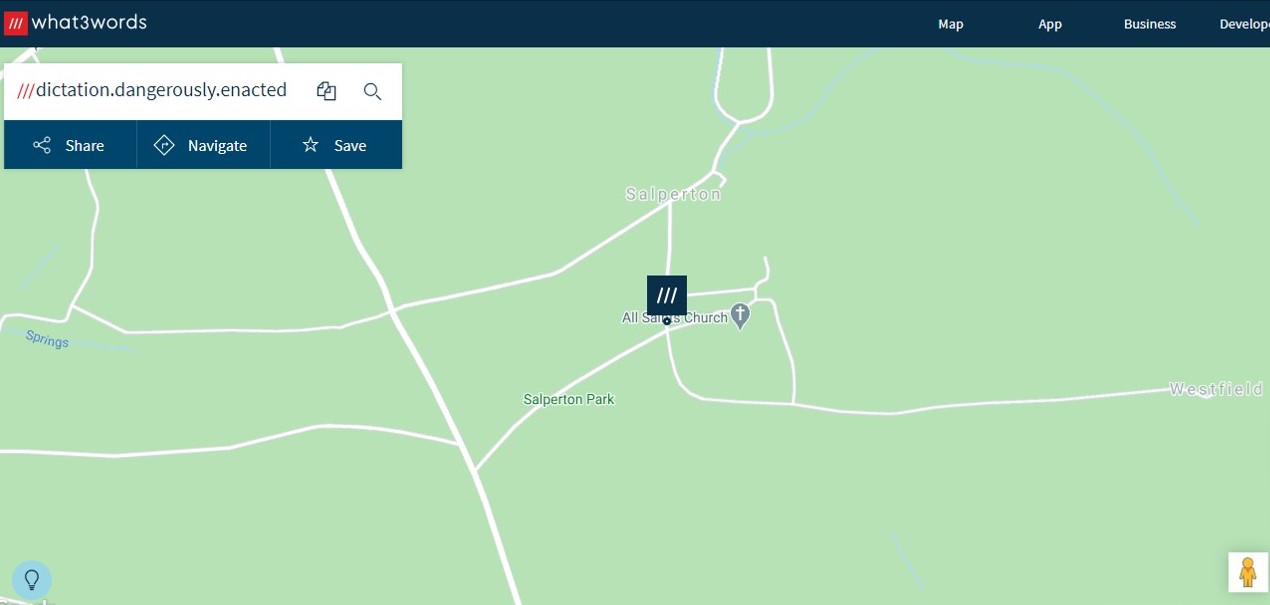
Anybody still wondering why the grouse shooting industry wants conservationists to stop fitting satellite tags?

Buzzard found with shotgun injuries near Askham Richard, North Yorkshire

Press statement from North Yorkshire Police (19 January 2021)

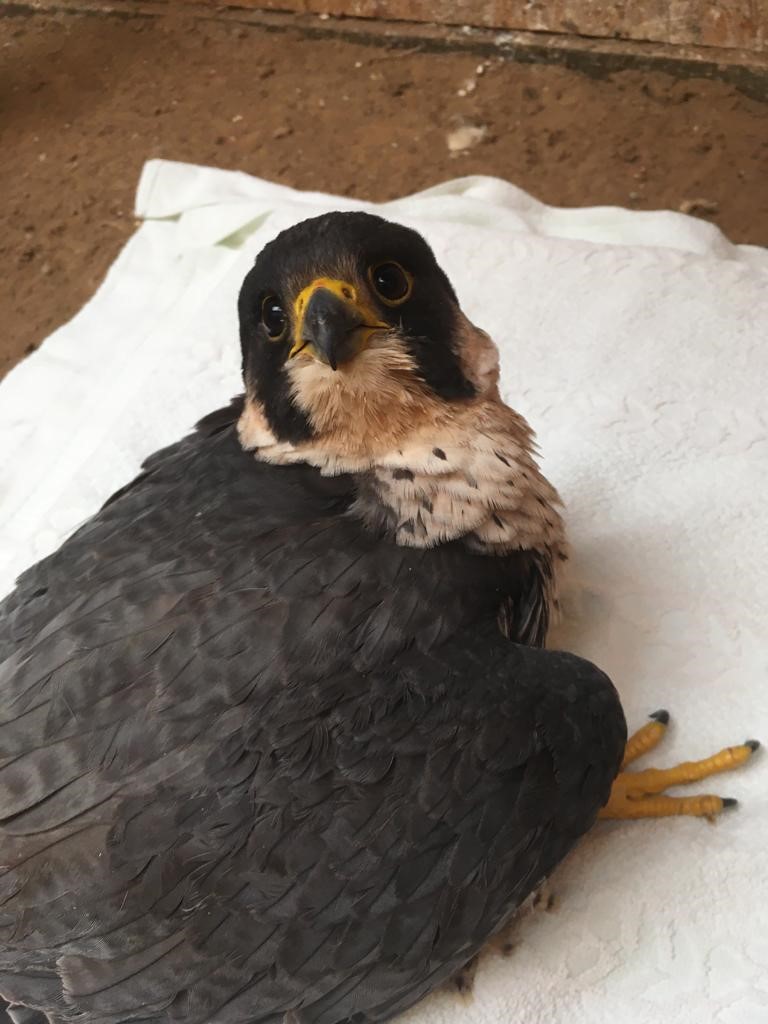
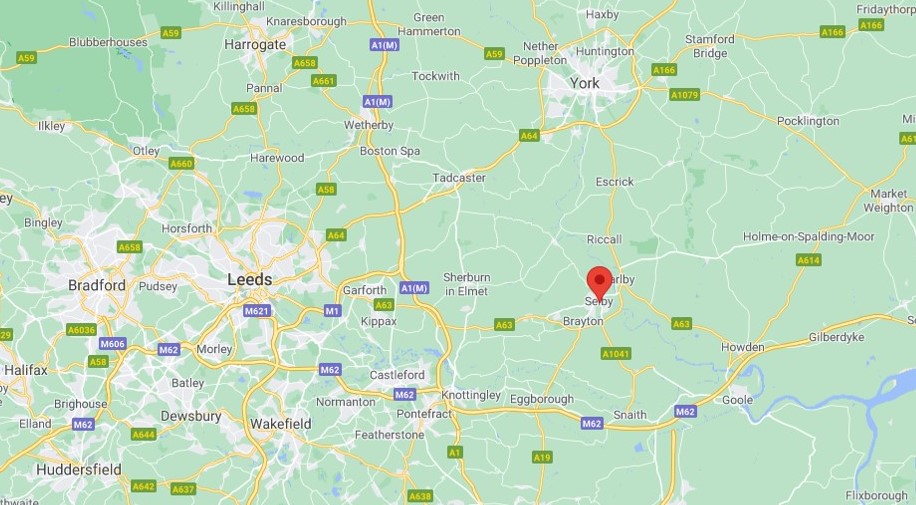
Appeal for information after buzzard found containing shot at Askham Richard

On 12 December 2020, a  member of the public located a buzzard close to Askham Park near Askham Richard.

The female bird appeared to be injured and was unable to fly so an RSPCA Inspector attended and transported the bird to a local vet. Unfortunately the buzzard subsequently died.

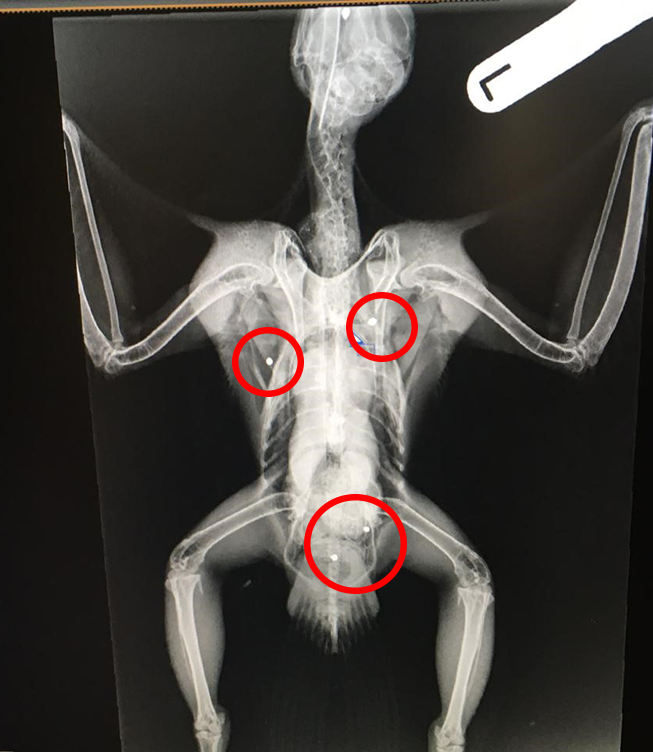
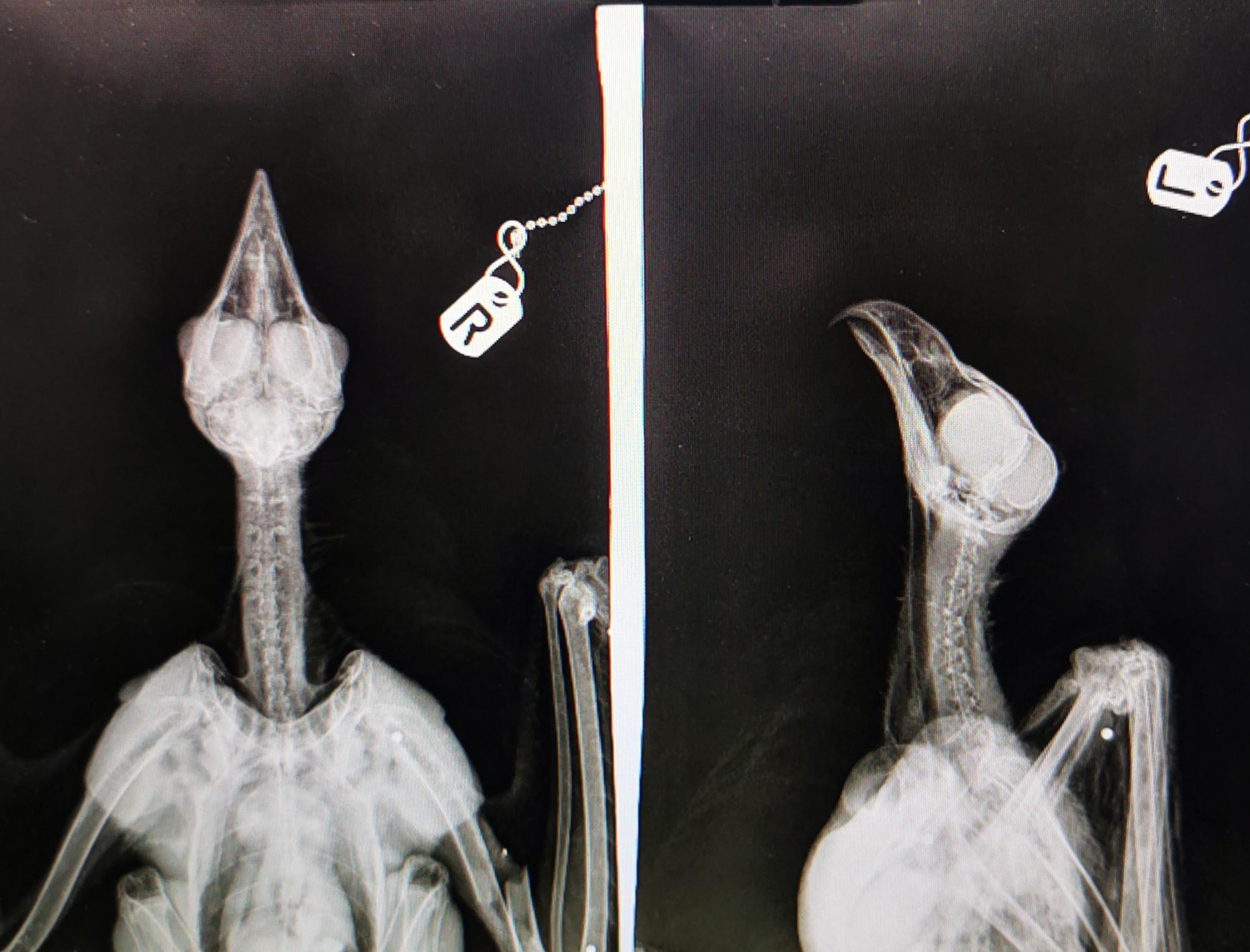
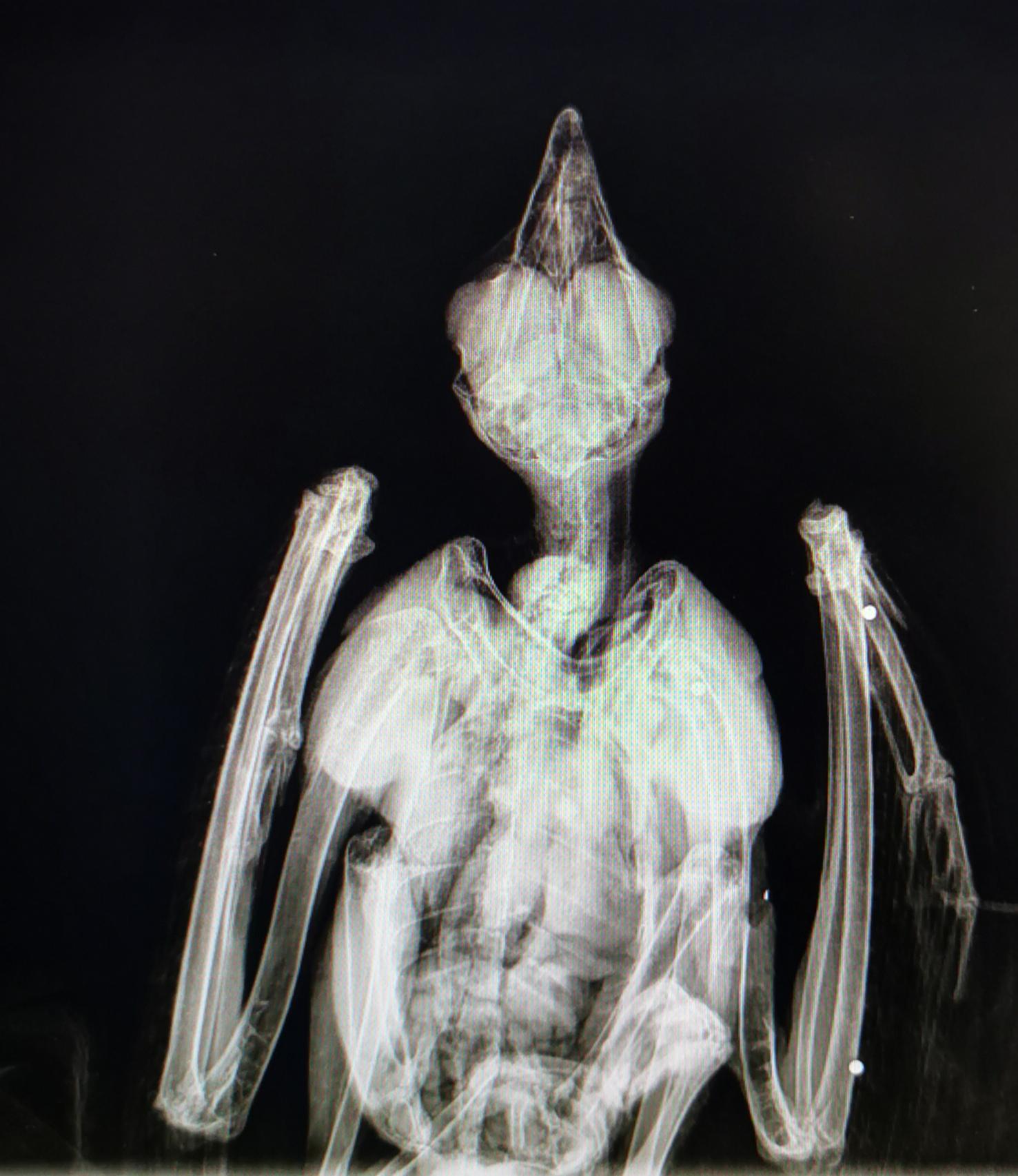
X-rays revealed that the bird had two pieces of lead shot within its body. 

Enquiries are ongoing but if you have any information which could help the investigation, please get in touch with North Yorkshire Police by calling 101 and quoting reference number: 12200227625.

ENDS

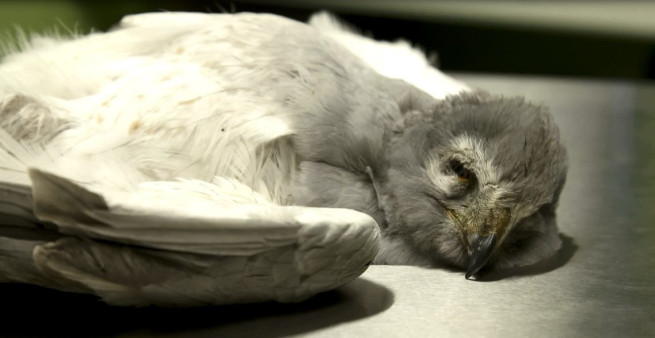
3 kestrels shot dead in West Yorkshire since New Year

Three kestrels have been shot dead in West Yorkshire during the first week of January 2021, according to an article in the Yorkshire Post.

Is this the start of another lockdown surge in raptor persecution? Come on, who doesn’t want to start their New Year by illegally blasting a kestrel to bits?

The article reports that two kestrels were shot in the Huddersfield area and one in Leeds. Unfortunately there isn’t any further information such as date, specific location or type of weapon etc, although a tweet from the Leeds Wildlife & Rural Crime Team reports the shooting of a kestrel on 2nd January 2021 ‘in the Hebden Bridge area’.

In autumn last year West Yorkshire Police also recorded the fatal shooting of another kestrel, in the Pudsey area of Leeds (see here).

Buzzard with shotgun injuries found in localised persecution hotspot, East Yorkshire

In early December an injured buzzard was found struggling by a member of the public in Sproatley, East Yorkshire.

[All photos from Jean Thorpe]

An RSPCA tweet on 4th December said the buzzard had injuries ‘consistent with trapping’ and the bird was transferred to the expert care of Jean Thorpe at Ryedale for rehabilitation.

However, Jean examined the bird and didn’t believe its injuries were consistent with trapping, mainly because the scabbed injuries were restricted to the front of the bird’s shins and not the back of the legs. She also noticed a gangrenous talon and the rest of the foot was also badly infected.

Jean took the buzzard to a specialist avian vet and a decision was taken to euthanise the bird due to the extent of its injuries.

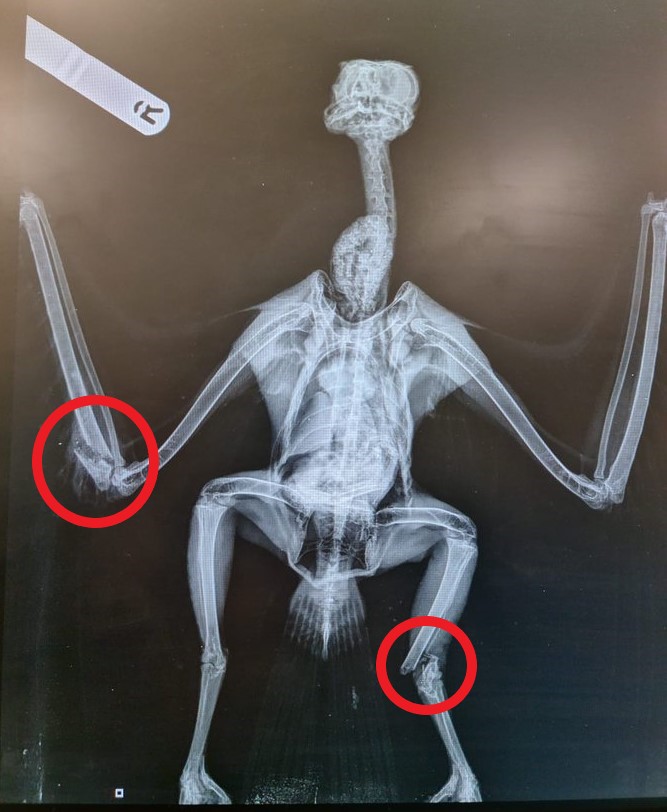
An x-ray revealed the bird had been shot with a shotgun but it’s not clear how old that injury was and whether it was connected to the foot injury.

The buzzard is being sent for a full post mortem and Humberside Police have been advised of the incident. If you have any information that could assist the investigation please contact the police on Tel 101 and ask for Police Wildlife Crime Officer Richard Fussey. It’s not known whether a crime reference number has been issued.

Interestingly, back in 2013 two buzzards were found shot and dumped in a ditch in Sproatley (see here). The RSPB offered a reward for information leading to a conviction but like most of these crimes, the perpetrator was never identified/prosecuted.

Buzzard shot & injured in County Kildare

Hot on the heels of a recent buzzard shooting reported in the Irish Republic just a couple of weeks ago (here), here’s another one.

The details are sketchy at the moment but this buzzard was found yesterday and is currently being cared for at the Kildare Animal Foundation Wildlife Unit.

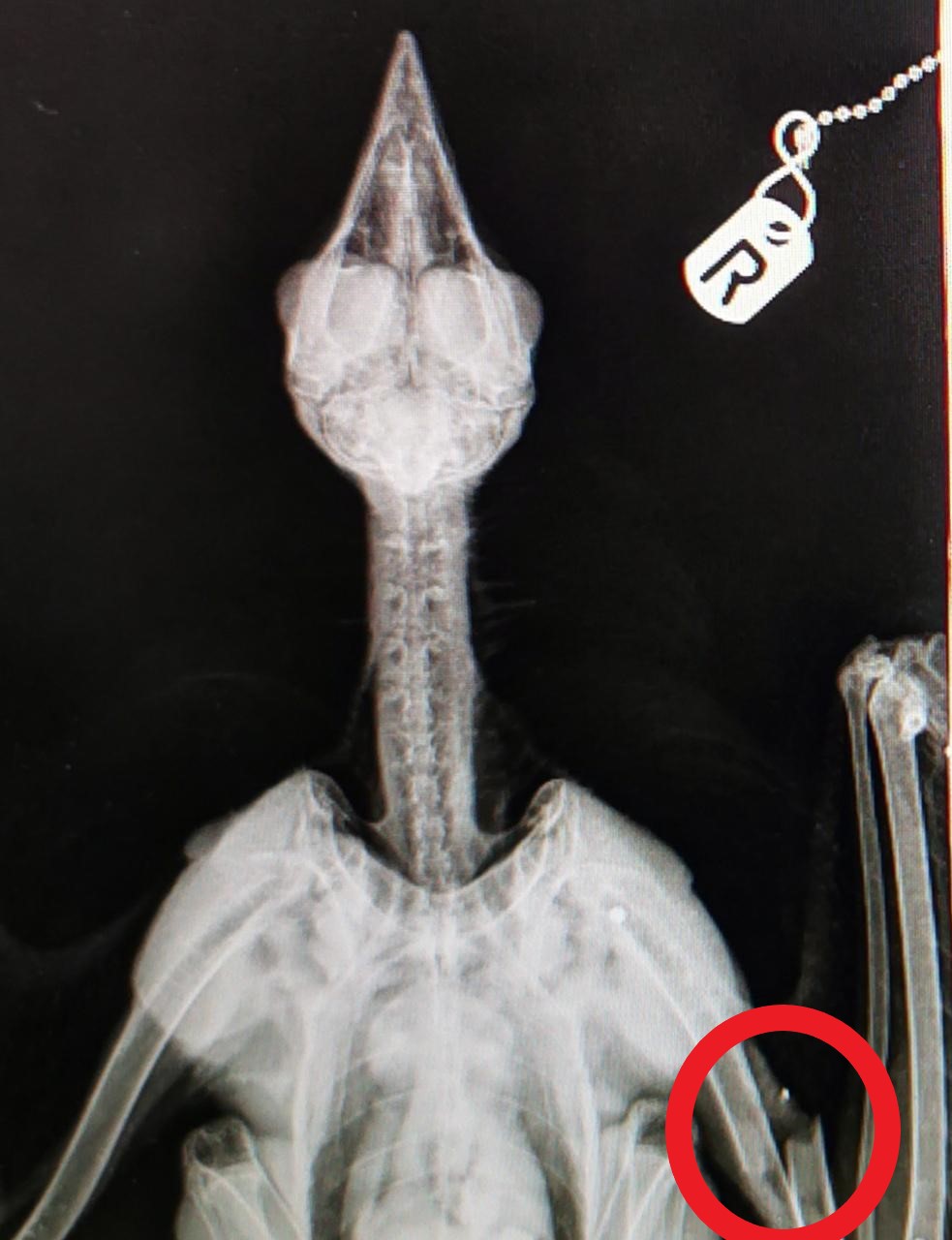
It’s clear from the x-ray that someone shot this bird with a shotgun. The crime has been reported to the National Parks & Wildlife Service.

County Kildare sits in the middle of the league table for raptor persecution crimes recorded in the Irish Republic (see here).

Third buzzard found shot in Essex this year

Essex Police are investigating yet another shooting of a buzzard.

Details are sketchy at the moment but the buzzard is believed to have been shot overnight between 1st and 2nd December with ‘what is believed to be a shotgun’. There isn’t any information about whether the buzzard is alive or dead.

The offence is believed to have taken place on farmland near Blind Lane, Billericay, Essex CM12 9SN.

The police crime reference number is 42/1995748/20. Please contact the police on Tel 101 if you have information that can assist this criminal investigation. Thanks to Police Wildlife Crime Officer Jed Raven for the details.

This is the third buzzard to be reported shot in Essex this year – one was found in June (see here) and another in September (see here and here). A hobby was also shot in Essex in August this year (see here).

Post mortem reveals Welsh golden eagle had suffered gunshot injury

In August 2020 a walker found an adult golden eagle dead in a river in Powys, Wales.

The discovery prompted a great deal of media interest (e.g. here) as this eagle was believed to be the lone bird that had survived for approx 12 years in the wild in Wales, having escaped from captivity when she was three months old.

Just a few days before her corpse was found she’d featured in a BBC documentary presented by Iolo Williams, The Last Wilderness of Wales (available here on BBC iPlayer and well worth a watch for footage of this eagle doing her thing).

At the time of the news reports the cause of death was still to be established.

The Welsh Government organised for a post mortem where it was determined she’d died of systemic Aspergillosis. The PM report included the following description:

Asperillosis is the most comon fungal mycosis in birds. Aspergillus fumigatus is a ubiquitous opportunistic organism and factors impairing the birds’ immunity can predispose to disease. No underlying immunocompromising factors were detected on testing. There were extensive, chronic lesions throughout the carcase likely resulting in reduced feed intake, ill-thrift and dehydration and ultimately death‘.

That all looked straight forward and no cause for concern. However, an x-ray of the corpse had also revealed something much more sinister, as documented in the PM report as follows:

So, this golden eagle had been shot previously, although it’s not clear when and the pathologist thought this was unlikely to have contributed to the bird’s death.

Interestingly, the Welsh Government chose to suppress this information. Here is some internal correspondence, released under FoI, where the suppression is detailed:

In later correspondence also released under FoI, Welsh Government officials said this wasn’t deliberate suppression but just standard procedure when informing the original reporter of the incident about the cause of death, excluding any additional information that the PM may have uncovered. Government officials also stated that the Environment Minister had been informed about the gunshot injury.*

That seems reasonable behaviour under normal circumstances. However, finding the only golden eagle in Wales dead in a river couldn’t be described as ‘normal’ under any circumstances. And discovering that the eagle had been shot would also be of significant public interest, not least when there’s currently an active debate about the proposed reintroduction of golden eagles to Wales which could happen as early as next year (see here).

I’d say that public understanding of illegal persecution, including the targeting of a golden eagle, was actually fundamental to the debate.

Although according to an FoI response from the Welsh Government’s statutory conservation agency Natural Resources Wales (NRW) last month, officials there claimed to have received no correspondence about the shooting of this golden eagle either. That seems a bit odd, doesn’t it? Surely officials in the environmental section of the Welsh Government talk to officials in NRW, especially on a subject as significant as the shooting of a golden eagle?

It’s not the first time information about golden eagles in Wales has been suppressed. Last month NRW withheld correspondence it had had with Wilder Britain, one of two competing organisations involved with the proposed reintroduction of golden eagles to Wales (see here).

In an FoI refusal letter, NRW argued that Wilder Britain had refused permission to release its correspondence with NRW. I’ve lodged a review of that decision because I don’t believe it should apply to correspondence written by NRW to Wilder Britain in relation to a proposed reintroduction project. I believe the public have a right to know what advice NRW has been giving to someone proposing to reintroduce golden eagles to Wales and especially now that it’s been confirmed that Wales’s only wild-living golden eagle had at some stage been illegally shot.

*Update 12.24hrs: The person who took the dead eagle from the walker and delivered it for post mortem has been in touch to say the Welsh Government did provide details of the pellet and did not try to dissuade her from sharing that information with the media. This information is supported by some of the FoI material I’ve received, which shows that the Welsh Government informed her about the pellet sometime after they’d first mentioned to her that Aspergillosis was the cause of death, and seemingly only after being prompted by an outside agency to do so.

There is further correspondence, released under FoI which hasn’t been published here, in which the Welsh Government explicitly states, ‘We aren’t planning any proactive comms‘ [about the eagle being shot].

UPDATE 17.00HRS: This blog post has been picked up by Wales Online (here)

UPDATE: This blog post has been picked up by the Mail Online, who couldn’t report it accurately (claiming the eagle was shot twice) nor manage to acknowledge the source of their story).

UPDATE 16 February 2021: Toxicology analysis has confirmed this eagle had ‘high concentrations of rat poison in its liver, which may have contributed to its death’, according to the BBC (here)

Buzzard shooting – police appeal for information on drive-by suspects

Press release from National Parks & Wildlife Service, Ireland (9th December 2020)

NPWS appeals for information after buzzard shooting

The National Parks and Wildlife Service is appealing for information relating to a buzzard found dead on the R422, just south of Emo, Co Laois.

The bird was perched on a tree on the roadside when it was shot with a shotgun at around 7.50am on 5 December.

The firearm was discharged from the road on the south side of the village.

The investigating Wildlife Ranger said a shot was heard and the dead buzzard was found by a member of the public.

A spent shotgun cartridge was also found.

The NPWS is interested in information about a vehicle that was recorded on CCTV in the area – it’s believed that individuals may be driving around looking for buzzards and then shooting them from a vehicle.

Anyone with information – particularly about vehicles or persons acting suspiciously in Emo on the morning of 5 December – is asked to contact the NPWS regional office at (0761) 002667, or to contact gardaí.

Buzzards are a protected species. They became extinct in Ireland in the late 19th century but were re-established in Northern Ireland in the 1930s.

ENDS