If you recall, grouse moor licensing was introduced as part of the Wildlife Management & Muirburn (Scotland) Act 2024, as a result of the continued illegal killing of birds of prey on grouse moors and the associated difficulties of identifying an individual suspect and prosecuting them.
Red Grouse. Photo by Ronnie Gilbert
The idea was that a licence to shoot Red Grouse could be amended / withdrawn / revoked by NatureScot if evidence showed that illegal raptor persecution had taken place (importantly, based on the civil burden of proof, i.e. balance of probability, rather than the criminal burden of proof, i.e. beyond reasonable doubt). It was expected that the licence would cover an estate’s entire landholding, not just the areas where Red Grouse are shot, because raptor persecution crimes often take place beyond the boundary of the moor (e.g. in woodland).
However, in November 2024, just three months after they began, the licences were significantly weakened after legal threats from the grouse shooting industry were used to successfully sabotage the licensing regime. Instead of now covering an entire estate, it was announced that the licence holder could decide on the extent of the area the licence covered, specifically the area where Red Grouse are ‘taken or killed’.
Effectively, this could mean simply drawing an arbitrary line around their grouse butts, denoting the reach of a shotgun pellet, and argue that THAT is the area where they take/kill grouse and thus that should be the extent of the licensable area:
Photo of a line of grouse-shooting butts by Richard Cross, annotated by RPUK
In addition to this, the changes made to the licence by NatureScot meant that a whole suite of other ‘relevant offences’ listed in the Wildlife Management & Muirburn Act that were supposed to trigger a licence revocation (i.e. offences on the Protection of Badgers Act 1992, Wild Mammals (Protection) Act 1996, Conservation (Natural Habitats etc) Regulations 1994, Animal Health & Welfare (Scotland) Act 2006, Hunting with Dogs (Scotland) Act 2023) were NOT covered, which was clearly going against the intent of Parliament when the Wildlife & Muirburn Act was voted for.
Thanks to a year of campaigning, notably by Scottish Greens MSP Mark Ruskell and the RSPB, the Scottish Government introduced a proposed amendment during the passage of the Natural Environment (Scotland) Bill to close off the grouse shoot licence loophole. Despite push-back from the usual suspects, the amendment passed Stage 3 of the Bill on 29 January 2026 and the Natural Environment (Scotland) Act received Royal Assent on 12 March 2026.
The amendment empowers NatureScot (the licensing authority) to “propose a different area to which the licence is to relate from that described in the [licensee’s] application“, and if unable to reach agreement with the applicant on the area, to refuse the application. My understanding is that this can’t be applied retrospectively (i.e. to licences already granted prior to this Act) without the landowner’s permission but will apply to all new licence applications from this point onwards. Its effectiveness, of course, will rely upon NatureScot’s appetite for standing up to the powerful landowner/shooting lobby – let’s see how that works out, because recent experience doesn’t inspire much confidence.
In addition, and more importantly from my perspective, the existing legislation specified that NatureScot may modify, suspend or revoke a grouse-shooting licence if it was satisfied that the licence holder, or a person involved in managing the land to which the licence relates, had committed a “relevant offence” (a wildlife or animal welfare offence as specified in the Act) “on the land”. The amendment replaces the wording “on the land” so that section now reads “has committed a relevant offence that supports or benefits the activities permitted by the licence” i.e. a relevant offence need not have taken place on the specified licensed area for NatureScot to suspend / revoke the licence.
This is significant as not only does it reinstate all the other ‘relevant offences’ that were lost after NatureScot’s botched changes to the licence after a legal threat from the grouse shooting industry in November 2024, but importantly, it means that if NatureScot considers an offence has been committed beyond the licensable area, sanctions can still be imposed if the offence relates to grouse moor management (e.g. predator control).
My understanding is that, again, this can’t be applied retrospectively (i.e. for offences committed prior to the enactment of the new legislation, unless the offence was committed in the licensable area) but does apply from when the new legislation was enacted.
I don’t think it’ll be too long before we see its effectiveness tested.
Here is the relevant section in the Natural Environment (Scotland) Act 2026:
A Scottish gamekeeper has pleaded guilty to killing a Goshawk after he battered it to death after it was caught inside a Crow cage trap on a shooting estate in Perthshire.
At Perth Sheriff Court this morning, on what should have been the opening day of a criminal trial, gamekeeper Russell Mason, 49, changed his plea to guilty in relation to the charge that he had killed a Goshawk on Cochrage Moor (Muir), believed to be part of the Milton of Drimmie and Strone estate near Blairgowrie, on 12 February 2024 (see here for background to this case).
Goshawk with a Crow. Photo by Ronnie Gilbert
The court was shown a six-minute video of Mason killing the Goshawk – the footage had been filmed covertly by the RSPB’s Investigations Team and was crucial to providing the Crown Office with sufficient evidence to prosecute.
Mason also pleaded guilty to various firearms offences but it is believed that charges relating to alleged snaring offences were dropped, probably as part of a plea bargain.
The court heard that Mason has a previous conviction (the details were not discussed) and sentencing was deferred until 24 April 2026 for background reports. The Sheriff mentioned that a ‘restriction of liberty order’ may be considered. This is a direct alternative to a custodial sentence and usually involves electronic monitoring/tagging.
I expect the RSPB will publish its gruesome footage once sentencing is complete.
Congratulations to Police Scotland, RSPB, Scottish SPCA and the Crown Office & Fiscal Service for an exemplary investigation and prosecution. This is what effective partnership-working looks like.
Incidentally, this is the third successful conviction for raptor persecution in as many months where covert video evidence provided by the RSPB has been pivotal to the case.
The other two cases so far this year were:
12 January 2026, Scarborough Magistrates’ Court: gamekeeper Thomas Munday pleaded guilty to battering to death a Buzzard that had been caught inside a Crow cage trap on a Pheasant shoot at Hovingham, North Yorkshire (here)
and
29 January 2026, York Magistrates’ Court: gamekeeper Racster Dingwall pleaded guilty to conspiring to kill a Hen Harrier as it came in to roost on a grouse moor on the Conistone & Grassington Estate in the Yorkshire Dales National Park (here).
Many of you will be aware of the game-shooting industry’s recently ramped-up efforts to try to discredit and smear the reputations of RSPB Investigations Team members; these three convictions shouldn’t leave you in any doubt of the industry’s motivation.
Without the skill and expertise of the RSPB’s ability to capture such covert footage, these criminals would have escaped justice and the game-shooting industry’s claims of respectability and adherence to the law would go unchallenged. It’s as simple as that.
We can expect more news on the repercussions of today’s conviction in due course – i.e. was Mason a member of the Scottish Gamekeepers’ Association? Was he a member of the Tayside & Central Regional Moorland Group? (certainly someone with the same name and affiliation has previously signed an official letter to the Scottish Parliament about snaring regulations). Will NatureScot impose a three-year General Licence restriction on this estate? Is the estate a member of the landowners’ lobby group, Scottish Land & Estates? And will there be a prosecution for alleged vicarious liability?
NB: As legal proceedings have now concluded, comments are open on this case, with the usual caveat that offensive/libellous posts will not be published.
UPDATE 18 March 2026: Convicted Scottish gamekeeper Russell Mason – more disturbing details about this case (here)
UPDATE 23 March 2026: Game-shooting industry’s response to the recent conviction of Perthshire gamekeeper Russell Mason (here)
On 10 February 2026, NatureScot imposed a three-year General Licence restriction on Raeshaw Estate in the Scottish Borders (and on neighbouring Watherston Wood, which is understood to be under separate management to Raeshaw), in relation to the shooting/killing of Golden Eagle ‘Merrick’ in October 2023.
Camera trap photo of golden eagle Merrick, from South Scotland Golden Eagle Project
Following the announcement, a representative of Raeshaw Estate, believed to be under the management of a company owned by ‘grouse moor guru’ Mark Osborne, claimed the restriction was “wholly unjustified” and said the estate intended to appeal the decision (see here).
According to NatureScot’s Framework for implementing General Licence restrictions,
‘Where a decision is made to impose a restriction, the Affected Parties will be entitled to appeal the decision within 14 days of the date of the decision. An appeal must be made in writing to the Head of Licensing and must set out the grounds upon which it is proposed that the appeal be allowed.
‘An appeal shall have the effect of suspending the restriction from the date the appeal is received by the Head of Licensing until the date of the Decision on Appeal’.
As the restriction notification has now been removed from NatureScot’s website, I assume that Raeshaw Estate has lodged a written appeal and did so within the 14 day time limit.
This means that Raeshaw Estate can, until further notice, go back to using General Licences 1, 2 & 3 to lawfully kill hundreds if not thousands of certain bird species (e.g. crows) on the estate without having to report its activities to anybody.
NatureScot’s Framework states that the Head of Licensing will seek to make a decision on the appeal within four weeks. Let’s hope it doesn’t drag on any longer than that.
It is also apparent that the representatives of Watherston Wood have also lodged an appeal, although as far as I’m aware, the killing of so-called ‘pest’ bird species doesn’t take place in the wood anyway so perhaps the appeal has been made as a matter of principle rather than an attempt to reinstate the use of General Licences 1, 2 and 3.
Screen grab from Who Owns Scotland website, annotated by RPUK, showing the proximity of Merrick’s last known location and the Raeshaw Estate (shaded in blue)
General Licence restrictions, which are based on a civil burden of proof if there is insufficient evidence for a criminal prosecution, were introduced by then Environment Minister Paul Wheelhouse in 2014 as a way of tackling the continuing persecution of birds of prey on gamebird shooting estates across Scotland.
These restrictions don’t stop the sanctioned estates from shooting gamebirds, nor do they limit their gamebird management activities other than requiring the estate to complete a bit of paperwork, but they were specifically designed to act as a ‘reputational driver’. I think it’s fair to say that Wheelhouse’s intentions were good but ultimately have proved ineffective.
This is an unprecedented second General Licence restriction imposed on Raeshaw Estate.
Raeshaw Estate was one of the first estates to receive a General Licence restriction in 2015, based on ‘clear police evidence’ that wildlife crimes had been committed there although there was insufficient evidence to prosecute any individual (see here). Representatives of Raeshaw Estate applied for a judicial review of NatureScot’s decision but the Court of Session upheld NatureScot’s procedures and ruled them lawful (here).
Whilst under that first General Licence restriction, Raeshaw Estate applied for, and was granted, a number of ‘individual licences’ so the gamekeepers could continue to kill certain species as part of the estate’s grouse moor management plan (quite a lot of birds were lawfully killed – see here).
However, in 2017 the individual licence was revoked by NatureScot due to non-compliance issues and more suspected wildlife crime offences (see here).
I await NatureScot’s decision on Raeshaw Estate’s latest appeal with interest.
UPDATE 7 April 2026: Raeshaw Estate loses appeal against 3-yr General Licence restriction in relation to Golden Eagle Merrick being ‘shot & killed’ (here)
Camera trap photo of golden eagle Merrick, from South Scotland Golden Eagle Project
Here is Naturescot’s statement:
10 February 2026
NatureScot has restricted the use of general licences at Raeshaw Estate and Watherston Wood in the Scottish Borders.
The decision was made based on evidence provided by Police Scotland of wildlife crime against birds.
This evidence included the sudden disappearance of a satellite-tagged golden eagle named Merrick in October 2023 as well as golden eagle blood, feathers and shotgun cartridge wadding recovered from the same location.
Chris Dailly, NatureScot’s Head of Licensing, said: “We have decided, in discussion with Police Scotland, to suspend the use of general licences on this land for three years until January 2029. The police have recorded Merrick’s disappearance as a crime and have provided robust evidence to NatureScot to support this.
“We are committed to using all the tools we have available to tackle wildlife crime. This measure will help to protect wild birds in the area, while still allowing necessary land management activities to take place.
“We believe this is a proportionate response to protect wild birds and prevent further wildlife crime. We will continue to work closely with Police Scotland and consider information they provide on cases which may warrant restricting general licences.”
Individual licences may still be applied for, but these will be subject to strict record-keeping and reporting requirements and will be closely monitored to ensure licence conditions are met.
General licences allow landowners or land managers to carry out control of common species of wild birds, such as crows and magpies, to protect crops or livestock, without the need to apply for an individual licence.
In addition to this restriction, there are currently two other restrictions in place in Scotland: on Millden Estate in Angus and Lochindorb Estate in Highland.
ENDS
Here are the maps provided by NatureScot showing the restriction areas on Raeshaw Estate and Watherston Wood, and an accompanying statement of clarification:
In line with NatureScot’s published General Licence restrictions: Framework for Implementing Restrictions we hereby give notice that a restriction has been applied to the land outlined in red overleaf. This restriction prohibits the use of General Licences 01, 02 and 03 on that land from 10th February 2026 up to and including 9th February 2029.
Please note that this restriction does not imply responsibility for the commission of crimes on any individuals.
My commentary:
There’s a lot to say about this latest General Licence restriction. Some of it will have to wait for another blog because I’m short on time at the moment, but some of it I’ll say now.
General Licence restrictions, which have been available to NatureScot since 2014, are based on the civil burden of proof and are issued when NatureScot receives information from Police Scotland about wildlife crimes but where there is insufficient evidence to identify an individual offender for prosecution. (GL restrictions can also be imposed on estates where gamekeepers have been convicted of wildlife crimes).
General Licence restrictions do not prevent an estate from game-shooting, nor do they prevent an estate from carrying out [lawful] predator control – this can still be undertaken if the estate applies for an ‘individual licence’ which may restrict the amount of predator control, the estate may be subject to compliance spot checks, and the licence holder must provide NatureScot with licence returns (i.e. indicate how many birds were killed, where, and when etc).
General Licence restrictions are not perfect as an effective sanction – they are nowhere near, as I’ve written about many times before (e.g. see here and links within). They do, however, work as a ‘reputational driver’, although in some cases reputation is apparently not an issue of concern.
Whilst today’s decision is very welcome news, it’s taken NatureScot far too long to reach it. Regular blog readers will know that NatureScot has been considering this decision since April 2024 (see here) when it first received information from Police Scotland about the shooting/killing of Merrick. That’s almost two years of procrastination (e.g. see here, here). It’s nowhere near good enough.
This is the second General Licence restriction imposed on Raeshaw Estate.
Raeshaw Estate boundary derived from Andy Wightman’s Who Owns Scotlandwebsite
Raeshaw Estate was one of the first estates to receive a General Licence restriction in 2015, based on clear police evidence that wildlife crimes had been committed although there was insufficient evidence to prosecute any individual (see here). Representatives of Raeshaw Estate applied for a judicial review of NatureScot’s decision but the Court of Session upheld NatureScot’s procedures and ruled them lawful (here).
Whilst under that first General Licence restriction, Raeshaw Estate applied for, and was granted, a number of ‘individual licences’ so the gamekeepers could continue to kill certain species as part of the estate’s grouse moor management plan (quite a lot of birds were lawfully killed – see here).
However, in 2017 the individual licence was revoked by NatureScot due to non-compliance issues and more suspected wildlife crime offences (see here). Not that the revocation made any difference whatsoever, as the estate could simply apply for another individual licence!
Inexplicably to many of us, NatureScot did not extend the length of the original General Licence restriction, which it has the authority to do, in light of the non-compliance issues on the estate’s individual licence (see here).
And now here we are again, with a second General Licence restriction imposed, this time in relation to the illegal shooting and killing of Golden Eagle ‘Merrick’ in October 2023.
As a colleague pointed out to me today, General Licence restrictions have been useful in as much as they have provided a framework for imposing a licence restriction based on the civil burden of proof, and this has clearly influenced the new system of grouse moor licensing in Scotland, introduced as a new sanction under the Wildlife Management & Muirburn Act 2024, whereby licences to shoot Red Grouse can be revoked, based on the civil burden of proof, if evidence of wildlife crime is provided to NatureScot by Police Scotland.
In this latest case relating to Raeshaw Estate, I doubt very much whether a grouse shooting licence will be revoked because Merrick was shot in October 2023, before the introduction of grouse shoot licences, and a licence revocation can’t be applied retrospectively. I’m not even sure whether Raeshaw Estate has a grouse shooting licence; there isn’t a public register to consult. If it doesn’t currently have a grouse shooting licence, but applies for one during this three-year General Licence restriction, it’d be interesting to see what happens.
More commentary to come soon…
UPDATE 11 February 2026: Raeshaw Estate claims General Licence restriction “wholly unjustified” and intends to appeal (here)
UPDATE 7 April 2026: Raeshaw Estate loses appeal against 3-yr General Licence restriction in relation to Golden Eagle Merrick being ‘shot & killed’ (here)
For anyone who still wants to pretend that the grouse shooting industry isn’t responsible for the systematic extermination of Hen Harriers on grouse moors across the UK, here’s the latest catalogue of crime that suggests otherwise.
This male hen harrier died in 2019 after his leg was almost severed in an illegally set trap that had been placed next to his nest on a Scottish grouse moor (see here). Photo by Ruth Tingay
This is the blog I now publish after every reported killing or suspicious disappearance.
“They disappear in the same way political dissidents in authoritarian dictatorships have disappeared” (Stephen Barlow, 22 January 2021).
Today the list has been revised to reflect updates in various reports since I last updated the list in July 2025. There isn’t a one-stop shop (apart from this list) where you can find information about ‘missing’ or illegally killed Hen Harriers – the information for this list is sourced and cross-referenced from various places, including Natural England’s database, the RSPB’s database, the HSE’s database, police reports, RSPB Birdcrime reports and FoIs to various agencies. This list doesn’t include any Hen Harriers that have been listed as having a natural cause of death (e.g. known/suspected predation), or listed as ‘likely tag failure’, or known to have been lost abroad, or where the cause of death is inconclusive, unless there is additional information (e.g. from satellite tag data) which indicates suspicious or illegal activity. It is painstaking work that takes a lot of time to complete, but I consider it to be as accurate and comprehensive as it can be at the time of writing.
I’ve been compiling this list only since 2018 because that is the year that the grouse shooting industry ‘leaders’ would have us believe that the criminal persecution of Hen Harriers had stopped and that these birds were being welcomed back on to the UK’s grouse moors (see here).
This assertion was made shortly before the publication of a devastating new scientific paper that demonstrated that 72% of satellite-tagged Hen Harriers were confirmed or considered likely to have been illegally killed, and this was ten times more likely to occur over areas of land managed for grouse shooting relative to other land uses (see here). A further scientific paper published in 2023 by scientists at the RSPB, utilising even more recent data, echoed these results – see here.
2018 was also the year that Natural England issued a licence to begin a Hen Harrier brood meddling trial on grouse moors in northern England. For new blog readers, Hen Harrier brood meddling was a conservation sham sanctioned by DEFRA as part of its ludicrous ‘Hen Harrier Action Plan‘ and carried out by Natural England (NE), in cahoots with the very industry responsible for the species’ catastrophic decline in England.
For more background see here and for a critical evaluation of the trial after 5 years see this report by Wild Justice. In 2024 the brood meddling trial appeared to collapse for reasons which are not yet clear (see here) and the licence for the so-called ‘scientific trial’ expired. In March 2025 Natural England announced the end of the brood meddling trial (here) and in April 2025 announced that a licence application to continue brood meddling, submitted by the Moorland Association, had been refused (here).
Brood meddling was earlier described as a sort of ‘gentleman’s agreement’ by commentator Stephen Welch:
“I don’t get it, I thought the idea of that scheme was some kind of trade off – a gentleman’s agreement that the birds would be left in peace if they were moved from grouse moors at a certain density. It seems that one party is not keeping their side of the bargain“.
With at least 147 Hen Harriers gone since 2018, and 28 of those being brood meddled birds, there is no question that the grouse shooting industry was simply taking the piss. Meanwhile, Natural England pretended that ‘partnership working’ was the way to go and consecutive Tory DEFRA Ministers remained silent for all those years.
*n/a – no Hen Harriers were brood meddled in 2018. **There are a number of suspected Hen Harrier persecution incidents from 2025 not yet in the public domain & currently subject to ongoing police investigation. These are not included here.
‘Partnership working’ according to Natural England appeared to include authorising the removal of Hen Harrier chicks from a grouse moor already under investigation by the police for suspected raptor persecution (here) and accepting a £75k ‘donation’ from representatives of the grouse shooting industry with a contract clause that prevented Natural England from criticising them or the sham brood meddling trial (see here). This was in addition to a further £10k ‘donation’ that Natural England accepted, under the same terms, in 2021 (here).
Thankfully, the Scottish Government finally decided to act by introducing a grouse moor licensing scheme under the Wildlife Management & Muirburn (Scotland) Act 2024. The intention behind this new legislation is that grouse shooting estates could have their licences suspended/revoked if, on the balance of probability, it is shown that any raptor persecution crimes (& some other associated offences) are linked with grouse moor management on that estate. There were, however, ongoing issues with the licence as it was significantly watered-down after an intervention from the grouse shooting industry (see here). Efforts to close this loophole are included in the Natural Environment (Scotland) Bill, currently making its way through the Scottish Parliament (here).
In England a new Hen Harrier Taskforce was established in 2024, led by the National Wildlife Crime Unit, to use innovative techniques to target Hen Harrier persecution hotspots (locations where Hen Harriers repeatedly ‘disappear’ or are found illegally killed). It’s too early to judge the Taskforce’s success/failure and it’s been met with considerable resistance from the Moorland Association, the grouse moor owners’ lobby group (e.g. see here). So far though, it’s quite clear that the the illegal killing continues.
So here’s the latest gruesome list of ‘missing’/illegally killed Hen Harriers since 2018. Note that the majority of these birds (but not all) were fitted with satellite tags. How many more [untagged] harriers have been killed? We now have evidence that gamekeepers are specifically targeting untagged Hen Harriers, precisely to avoid detection (see here for extraordinary footage/audio captured by the RSPB’s Investigations Team as featured on Channel 4 News in October 2024).
2018
February 2018: Hen Harrier Saorsa ‘disappeared’ in the Angus Glens in Scotland (here). The Scottish Gamekeepers Association later published wholly inaccurate information claiming the bird had been re-sighted. The RSPB dismissed this as “completely false” (here). Tagged by RSPB.
5 February 2018: Hen Harrier Marc ‘disappeared’ on a grouse moor in Durham (here). Tagged by RSPB.
9 February 2018: Hen Harrier Aalin ‘disappeared’ on a grouse moor in Wales (here). Tagged by RSPB.
March 2018: Hen Harrier Blue ‘disappeared’ in the Lake District National Park (here). Tagged by RSPB.
March 2018: Hen Harrier Finn ‘disappeared’ near Moffat in Scotland (here). Tagged by RSPB.
18 April 2018: Hen Harrier Lia ‘disappeared’ in Wales and her corpse was retrieved in a field in May 2018. Cause of death was unconfirmed but police treating death as suspicious (here). Tagged by RSPB.
8 August 2018: Hen Harrier Hilma ‘disappeared’ on a grouse moor in Northumberland (here). Tagged by RSPB.
16 August 2018: Hen Harrier Athena ‘disappeared’ on a grouse moor in Scotland (here). Tagged by RSPB.
26 August 2018: Hen Harrier Octavia ‘disappeared’ on a grouse moor in the Peak District National Park (here). Tagged by RSPB.
29 August 2018: Hen Harrier Margot ‘disappeared’ on a grouse moor in Scotland (here). Tagged by RSPB.
29 August 2018: Hen Harrier Heulwen ‘disappeared’ on a grouse moor in Wales (here). Tagged by RSPB.
3 September 2018: Hen Harrier Stelmaria ‘disappeared’ on a grouse moor in Scotland (here). Tagged by RSPB.
24 September 2018: Hen Harrier Heather ‘disappeared’ on a grouse moor in Scotland (here). Tagged by RSPB.
2 October 2018: Hen Harrier Mabel (Tag ID 34342) ‘disappeared’ on a grouse moor on the edge of the Yorkshire Dales National Park (here). Grid ref NY851059. Tagged by NE.
3 October 2018: Hen Harrier Thor ‘disappeared’ next to a grouse moor in Bowland, Lanacashire (here). Tagged by RSPB.
23 October 2018: Hen Harrier Tom (Tag ID 161144) ‘disappeared’ in South Wales (here). Grid ref SS906698. Tagged by NE.
26 October 2018: Hen Harrier Arthur ‘disappeared’ on a grouse moor in the North York Moors National Park (here). Tagged by RSPB.
1 November 2018: Hen Harrier Barney (Tag ID 34343) ‘disappeared’ on Bodmin Moor, Cornwall (here). Grid ref SX140720. Tagged by NE.
10 November 2018: Hen Harrier Rannoch ‘disappeared’ on a grouse moor in Scotland (here). Her corpse was found nearby in May 2019 – she’d been killed in an illegally-set spring trap (here). Tagged by RSPB.
14 November 2018: Hen Harrier River ‘disappeared’ on a grouse moor in the Nidderdale AONB (here). Her corpse was found nearby in April 2019 – she’d been illegally shot (here). Tagged by RSPB.
2019
16 January 2019: Hen Harrier Vulcan ‘disappeared’ in Wiltshire close to Natural England’s proposed reintroduction site (here). Tagged by RSPB.
28 January 2019: Hen Harrier DeeCee ‘disappeared’ in Glen Esk, a grouse moor area of the Angus Glens (see here). Tagged by RSPB.
7 February 2019: Hen Harrier Skylar ‘disappeared’ next to a grouse moor in South Lanarkshire (here). Tagged by RSPB.
22 April 2019: Hen Harrier Marci ‘disappeared’ on a grouse moor in the Cairngorms National Park (here). Tagged by RSPB.
26 April 2019: Hen Harrier Rain ‘disappeared’ on a grouse moor in Nairnshire (here). Tagged by RSPB.
11 May 2019: An untagged male Hen Harrier was caught in an illegally-set trap next to his nest on a grouse moor in South Lanarkshire. He didn’t survive (here).
7 June 2019: An untagged Hen Harrier was found dead on a grouse moor in Scotland. A post mortem stated the bird had died as a result of ‘penetrating trauma’ injuries and that this bird had previously been shot (here).
5 September 2019: Wildland Hen Harrier 1 ‘disappeared’ on a grouse moor nr Dalnaspidal on the edge of the Cairngorms National Park (here). Tagged by Wildlands.
11 September 2019: Hen Harrier Romario ‘disappeared’ on a grouse moor in the Cairngorms National Park (here). Tagged by RSPB.
14 September 2019: Hen Harrier R1-M2-19 (Brood meddled in 2019, Tag ID 183704) ‘disappeared’ in the North Pennines (here). Grid ref SD920943. Tagged by NE.
23 September 2019: Hen Harrier R1-M4-19 (Brood meddled in 2019, Tag ID 55149) ‘disappeared’ in North Pennines (here). Grid ref NY952103. Tagged by NE.
24 September 2019: Wildland Hen Harrier 2 ‘disappeared’ on a grouse moor at Invercauld in the Cairngorms National Park (here). Tagged by Wildlands.
24 September 2019: Hen Harrier Bronwyn ‘disappeared’ near a grouse moor in North Wales (here). Tagged by RSPB.
10 October 2019: Hen Harrier Ada ‘disappeared’ on a grouse moor in the North Pennines AONB (here). Tagged by RSPB.
12 October 2019: Hen Harrier Thistle ‘disappeared’ on a grouse moor in Sutherland (here). Tagged by RSPB.
18 October 2019: Member of the public reports the witnessed shooting of an untagged male Hen Harrier on White Syke Hill in North Yorkshire (here).
November 2019: Hen Harrier Mary found illegally poisoned on a pheasant shoot in Ireland (here). Tagged by RSPB.
November 2019: Hen Harrier Artemis ‘disappeared’ near Long Formacus in south Scotland (here). Tagged by RSPB.
14 December 2019: Hen harrier Oscar ‘disappeared’ in Eskdalemuir, south Scotland (here). Tagged by RSPB.
December 2019: Hen Harrier Ingmar ‘disappeared’ in the Strathbraan grouse moor area of Perthshire (here). Tagged by RSPB.
Unknown date in 2019: Hen Harrier Erin tagged on Isle of Man ‘disappeared’ (Stop No Malfunction) – location unknown (see here). Tagged by RSPB.
2020
27 January 2020: Members of the public report the witnessed shooting of a male Hen Harrier on Threshfield Moor in the Yorkshire Dales National Park (here).
5 April 2020: Hen Harrier Hoolie ‘disappeared’ on a grouse moor in the Cairngorms National Park (here). Tagged by RSPB.
8 April 2020: Hen Harrier Marlin ‘disappeared’ on a grouse moor in the Cairngorms National Park (here). Tagged by RSPB.
19 May 2020: Hen Harrier Fingal ‘disappeared’ on a grouse moor in the Lowther Hills, Scotland (here). Tagged by RSPB.
21 May 2020: Hen Harrier R1-M1-19 (Brood meddled in 2019, Tag ID 183701) ‘disappeared’ on a grouse moor in Cumbria shortly after returning from wintering in France (here). Grid ref SD770877. Tagged by NE.
27 May 2020: Hen Harrier Silver ‘disappeared’ on a grouse moor on Leadhills Estate, Scotland (here). Tagged by RSPB.
2020: day/month unknown: Unnamed male Hen Harrier breeding on RSPB Geltsdale Reserve, Cumbria ‘disappeared’ while away hunting (here).
14 August 2020: Hen Harrier Solo (Tag ID 201119) ‘disappeared’ in confidential nest area in Lancashire (here). Tagged by NE.
7 September 2020: Hen Harrier Dryad ‘disappeared’ on a grouse moor in the Yorkshire Dales National Park (here). Tagged by RSPB.
16 September 2020: Hen Harrier Fortune (Tag ID 162150a) ‘disappeared’ from a confidential roost site in Northumberland (here). Tagged by NE.
19 September 2020: Hen Harrier Harold (Tag ID 57272) ‘disappeared’ on a grouse moor in the Yorkshire Dales National Park (here). Grid ref NY830036. Tagged by NE.
20 September 2020: Hen Harrier R1-M4-20 (Brood meddled in 2020, Tag ID 55152) ‘disappeared’ next to a grouse moor in North Yorkshire (here). Grid ref SE103956. Tagged by NE.
19 December 2020: Hen Harrier Lagertha (Tag ID 201126a) ‘disappeared’ in Christchurch, Dorset close to winter roost. Not to be confused with RSPB-tagged bird also called Lagertha (2023). Grid ref SZ161924. Tagged by NE.
2021
24 February 2021: Hen Harrier Tarras ‘disappeared’ next to a grouse moor in Northumberland (here). Tagged by RSPB.
12th April 2021: Hen Harrier Yarrow ‘disappeared’ near Stockton, County Durham (here). Tagged by RSPB.
18 May 2021: Untagged breeding male Hen Harrier (Geltsdale 1) ‘disappeared’ from its breeding attempt on RSPB Geltsdale Reserve, Cumbria whilst away hunting (here).
18 May 2021: Another untagged breeding male Hen Harrier (Geltsdale 2) ‘disappeared’ from its breeding attempt on RSPB Geltsdale Reserve, Cumbria whilst away hunting (here).
24 July 2021: Hen Harrier Asta (Tag ID 201117) ‘disappeared’ in the North Pennines after establishing a home range around Gilmonby Moor (here). We learned 18 months later that her wings had been ripped off so her tag could be fitted to a crow in an attempt to cover up her death (here). Grid ref SE206937. Tagged by NE.
14th August 2021: Hen Harrier Josephine (Tag ID 213850) ‘disappeared’ at a ‘confidential site’ in Northumberland (here). Grid ref NY592841. Tagged by NE.
17 September 2021: Hen Harrier Reiver ‘disappeared’ in a grouse moor dominated region of Northumberland (here). Tagged by RSPB.
24 September 2021: Hen Harrier R2-F1-21 (Brood meddled in 2021, Tag ID 213918) ‘disappeared’ in Northumberland (here). Grid ref NZ022667. Tagged by NE.
15 November 2021: Hen Harrier R2-F1-20 (Brood meddled in 2020, Tag ID 203003) ‘disappeared’ at the edge of a grouse moor on Arkengarthdale Estate in the Yorkshire Dales National Park (here). Grid ref NY959039. Tagged by NE.
12 December 2021: Hen Harrier Jasmine (Tag ID 213848) ‘disappeared’ on a grouse moor (High Rigg Moor on the Middlesmoor Estate) in the Nidderdale AONB in North Yorkshire (here). Grid ref SE034733. Tagged by NE.
Unknown date in 2021: Hen Harrier Maiden, tagged in Lancashire in 2021, ‘disappeared’ at unknown location (here). Tagged by RSPB.
2022
9 January 2022: Hen Harrier Ethel (Tag ID 213852) ‘disappeared’ in Northumberland (here). Grid ref NY936632. Tagged by NE.
10 February 2022: An unnamed satellite-tagged Hen Harrier ‘disappeared’ in a grouse moor dominated area of the Peak District National Park (here). One year later it was revealed that the satellite tag/harness of this young male called ‘Anu’ had been deliberately cut off (see here). Tagged by RSPB.
12 April 2022: Hen Harrier Free (Tag ID 201121) ‘disappeared’ at a ‘confidential site’ in Cumbria (here). It later emerged he hadn’t disappeared, but his mutilated corpse was found on moorland in the Yorkshire Dales National Park. A post mortem revealed the cause of death was having his head twisted and pulled off. One (ringed) leg had also been torn off whilst he was still alive (here). Tagged by NE.
April 2022: Hen Harrier Pegasus ‘disappeared’ on a grouse moor at Birkdale in the Yorkshire Dales National Park (here). Tagged by RSPB.
May 2022: An untagged breeding male Hen Harrier (Peak District 1) ‘disappeared’ from a National Trust-owned grouse moor in the Peak District National Park (here).
May 2022: Another untagged breeding male Hen Harrier (Peak District 2) ‘disappeared’ from a National Trust-owned grouse moor in the Peak District National Park (here).
14 May 2022: Hen Harrier Harvey (Tag ID 213844) ‘disappeared’ in the North Pennines (here). Grid ref NY918019. Tagged by NE.
20 June 2022: Hen harrier chick #1 stamped to death in nest on a grouse moor in the Yorkshire Dales National Park (here).
20 June 2022: Hen Harrier chick #2 stamped to death in nest on a grouse moor in the Yorkshire Dales National Park (here).
20 June 2022: Hen Harrier chick #3 stamped to death in nest on a grouse moor in the Yorkshire Dales National Park (here).
20 June 2022: Hen Harrier chick #4 stamped to death in nest on a grouse moor in the Yorkshire Dales National Park (here).
17 August 2022: Hen Harrier R1-M1-22 (Brood meddled in 2022, Tag ID 232637) ‘disappeared’ on moorland in the Yorkshire Dales National Park (here). Grid ref SD804893. Tagged by NE.
September 2022: Hen Harrier Sullis ‘disappeared’ on a grouse moor in Cumbria (here). Tagged by RSPB.
5 October 2022: Hen Harrier R3-M2-22 (Brood meddled in 2022, Tag ID 213920a) ‘disappeared’ on moorland in the Yorkshire Dales National Park (here). Grid ref NY791016. Tagged by NE.
10 October 2022: Hen Harrier Sia ‘disappeared’ near Hamsterley Forest in the North Pennines (here). Tagged by RSPB.
October 2022: Hen Harrier R1-F1-21 (Brood meddled in 2021, Tag ID 213919) ‘disappeared’ in the North Sea off the North York Moors National Park (here). Tagged by NE.
1 December 2022: Hen Harrier R1-M1-21 (Brood meddled in 2021, Tag ID 55145a) ‘disappeared’ on moorland in the Yorkshire Dales National Park (here). Grid ref SD917620. Tagged by NE.
7 December 2022: Hen Harrier R2-F2-20 (Brood meddled in 2020, Tag ID 55144) ‘disappeared’ from winter roost (same as R3-F1-22) on moorland in North Pennines AONB. Later found dead on 26 June 2023 with 3 shotgun pellets in corpse (here). Grid ref NY730372. Tagged by NE.
14 December 2022: Hen Harrier R3-F1-22 (Brood meddled in 2022, Tag ID 213921a) ‘disappeared’ from winter roost (same as R2-F2-20) on moorland in the North Pennines AONB (here). Later found dead on 10 April 2023 with two shotgun pellets in corpse (here). Grid ref NY708423. Tagged by NE.
15 December 2022: Hen Harrier R2-F1-22 (Brood meddled in 2022, Tag ID 213931) ‘disappeared’ on moorland in the Yorkshire Dales National Park (here). Grid ref SD847831. Tagged by NE.
Unknown date in 2022: Hen Harrier Heath, tagged in Lancashire in 2019, ‘disappeared’ at unknown location (here). Tagged by RSPB.
Unknown date in 2022: Hen Harrier Syrcas, tagged in Conwy in 2021, ‘disappeared’ at unknown location (here). Tagged by RSPB.
2023
30 March 2023: Hen Harrier R1-F3-22 (Brood meddled in 2022, Tag ID NY823039) ‘disappeared’ in Yorkshire (here). Grid ref NY823039. Tagged by NE.
March 2023: Hen Harrier (tagged), last transmission/sighting in Lancashire. No tag number provided. Reported in RSPB Birdcrime 2023, Appendix 4 (here).
1 April 2023: Hen Harrier R2-M1-22 (Brood meddled in 2022, Tag ID NY846027) ‘disappeared’ in Yorkshire (here). Grid ref NY846027. Tagged by NE.
April 2023: Hen Harrier Lagertha ‘disappeared’ in North Yorkshire (here). Tagged by RSPB. Not to be confused with Lagertha tagged by NE & disappeared in 2020).
April 2023: Hen Harrier Nicola (Tag ID 234078) ‘disappeared’ in North Yorkshire (here). Grid ref SD831860. Tagged by NE.
April 2023: Untagged male Hen Harrier (Geltsdale 3) ‘disappeared’ from an active nest on RSPB Geltsdale Reserve in Cumbria (here).
April 2023: Another untagged male Hen Harrier (Geltsdale 4) ‘disappeared’ from an active nest on RSPB Geltsdale Reserve in Cumbria (here).
April 2023: Untagged male Hen Harrier ‘disappeared’ from an active nest in Co Durham (here).
4/5 May 2023: Hen Harrier Rush ‘disappeared’ from a grouse moor in Bowland AONB in Lancashire (here). Tagged by RSPB.
9/10 May 2023: Hen Harrier Dagda tagged in Lancashire in June 2022 and who was breeding on the RSPB’s Geltsdale Reserve in 2023 until he ‘disappeared’, only to be found dead on the neighbouring Knarsdale grouse moor in May 2023 – a post mortem revealed he had been shot (here). Tagged by RSPB.
17 May 2023: Hen Harrier Wayland ‘disappeared’ in the Clapham area of North Yorkshire, just north of the Bowland AONB (here). Tagged by RSPB.
31 May 2023: Hen Harrier R2-M3-22 (Brood meddled in 2022, Tag ID 213932) ‘disappeared’ in Northumberland (here). Grid ref NY765687. Tagged by NE.
11 June 2023: Hen Harrier R2-M1-21 (Brood meddled in 2021, Tag ID 213922) ‘disappeared’ in the Yorkshire Dales National Park (here). Grid ref NY757000. Tagged by NE.
12 June 2023: Hen Harrier R1-M2-20 (Brood meddled in 2020, Tag ID 203004) ‘disappeared’ on a grouse moor in Co. Durham (here). Grid ref NY976322. Tagged by NE.
6 July 2023: Hen Harrier Rubi (Tag ID 201124a) ‘disappeared’ on a grouse moor in Co. Durham (here). Grid ref NY911151. Tagged by NE.
23 July 2023: Hen Harrier R1-F1-23 (Brood meddled in 2023, Tag ID 55154a) ‘disappeared’ on a grouse moor in Co. Durham (close to where Rubi disappeared) (here). Grid ref NY910126. Tagged by NE.
9 August 2023: Hen Harrier Martha ‘disappeared’ on a grouse moor (Westburnhope Moor) near Hexham in the North Pennines (here). Tagged by RSPB.
11 August 2023: Hen Harrier Selena ‘disappeared’ on a grouse moor (Mossdale Moor) in the Yorkshire Dales National Park (here). Tagged by RSPB.
11 August 2023: Hen Harrier R3-F1-23 (Brood meddled in 2023, Tag ID 201118a) ‘disappeared’ in Co. Durham (here). Grid ref NZ072136. Tagged by NE.
15 August 2023: Hen Harrier Hepit ‘disappeared’ on a grouse moor (Birkdale Common) near Kirkby Stephen in the Yorkshire Dales National Park (here). Tagged by RSPB.
24 August 2023: Hen Harrier R1-F2-23 (Brood meddled in 2023, Tag ID 55155a) ‘disappeared’ in Northumberland (here). Grid ref NY679863. Tagged by NE.
August-Sept 2023: Hen Harrier Harmonia ‘disappeared’ in the Yorkshire Dales National Park (here). ‘Stop No Malfunction’. Tagged by RSPB.
September 2023: Hen Harrier Saranyu, tagged in Cumbria in June 2023, ‘disappeared’ in Durham in September 2023 (here). Tagged by RSPB.
September 2023: Hen Harrier Inger, tagged in Perthshire in July 2022, ‘disappeared’ on a grouse moor in the Angus Glens in September 2023 (here). Tagged by RSPB.
15 September 2023: Hen Harrier Rhys (Tag ID 213847a), tagged in Cumbria on 1st August 2023, ‘disappeared’ on a grouse moor in the Yorkshire Dales National Park (here). Grid ref SD798896. Tagged by NE.
24 September 2023: Hen Harrier R2-F2-23 (Brood meddled in 2023, Tag ID 213929) ‘disappeared’ in the North Pennines (here). Grid ref NY888062. Tagged by NE.
26 September 2023: Hen Harrier Hope, tagged in Cumbria on 21 July 2023, ‘disappeared’ next to a grouse moor in the Yorkshire Dales National Park (here). Grid ref SD801926. Tagged by NE.
4 October 2023: Hen Harrier R1-M3-20 (Brood meddled in 2020, Tag ID 55153) ‘disappeared’ in Co Durham (here). Grid ref NY935192. Tagged by NE.
4 October 2023: Hen Harrier R4-F1-23 (Brood meddled in 2023, Tag ID 213925a) ‘disappeared’ on a grouse moor in the Yorkshire Dales National Park (here). Grid ref SE003981. Tagged by NE.
15 November 2023: Hen Harrier Hazel’ (Tag ID 240292) tagged in Cumbria on 21 July 2023, ‘disappeared’ on the Isle of Man (here). Grid ref SC251803. Tagged by NE.
7 December 2023: Hen Harrier R2-M1-20 (Brood meddled in 2020, Tag ID 55146a) ‘disappeared’ in Co Durham. Grid ref NY963211. Tagged by NE.
Unknown date in 2023: Hen Harrier Aurora, tagged in Dumfries & Galloway in 2022, ‘disappeared’ at unknown location (here). Tagged by RSPB.
2024
12 February 2024: Hen Harrier Susie (Tag ID 201122), found dead in Northumberland. Later revealed to have been the victim of shooting (here). Grid ref NY759585. Tagged by NE. Susie’s chicks were stamped to death at nest on moor at Whernside in 2022 (here).
15 February 2024: Hen Harrier Shalimar, tagged on the National Trust for Scotland’s Mar Lodge Estate in 2023, ‘disappeared’ in suspicious circumstances on a grouse moor in the notorious Angus Glens (here). Tagged by RSPB.
24 April 2024: Hen Harrier Ken (Tag ID 213849a) ‘disappeared’ in suspicious circumstances close to a grouse moor in Bowland (here). Grid ref SD684601. Tagged by NE.
17 May 2024: Hen Harrier R2-M2-23 (Brood meddled in 2023, Tag ID 213928) ‘disappeared’ in suspicious circumstances next to Middlesmoor grouse moor in Nidderdale (here). Grid ref SE043754. Tagged by NE.
7 June 2024: Hen Harrier Edna (Tag ID 161143a). Decomposed corpse found next to a wind farm nr Otterburn, Northumberland. Listed as ‘suspected illegally killed’. There has been a suggestion she was killed elsewhere & dumped at the wind farm as a ploy to cover up the crime (here). Grid ref NY910827. Tagged by NE.
25 June 2024: Hen Harrier R2-F1-23 (Brood meddled in 2023, Tag ID 213923) ‘disappeared’ in suspicious circumstances on a grouse moor in Yorkshire Dales National Park (here). Grid ref NY985082. Tagged by NE.
July 2024: Hen Harrier Helius, tagged in Lancashire in 2023, ‘disappeared’ in suspicious circumstances in Bowland (here). Tagged by RSPB.
29 July 2024: Hen Harrier (Tag ID 254843) tagged in Northumberland on 5 July 2024, decomposed corpse not suitable for post mortem but forensics work on her satellite tag showed shot damage (here). Grid ref NY824937. Tagged by NE.
October 2024: An un-tagged Hen Harrier was apparently shot on a grouse moor at Grassington in the Yorkshire Dales National Park by one of three gamekeepers being secretly filmed by the RSPB (here).
1 October 2024: Hen Harrier Dreich (Tag ID 254842) ‘disappeared’ in Lanarkshire (here). Grid ref NS826020. Tagged by NE.
15 October 2024: Hen Harrier Baldur (Tag ID 240291) ‘disappeared’ in Northumberland (here). Grid ref NZ038961. Tagged by NE.
19 October 2024: Hen Harrier Margaret (Tag ID 254844) ‘disappeared’ in Northumberland (here). It was later reported that her tag had been found (‘removed’) but no sign of the carcass (here). Grid ref NY878497. Tagged by NE.
2025
15 January 2025: Hen Harrier Red, hatched on the Tarras Valley Nature Reserve in 2024, ‘disappeared’ on a grouse moor in County Durham in the North Pennines, in the same area another tagged Hen Harrier (Sia) vanished in 2022 (here). Tagged by RSPB.
January 2025: Hen Harrier Ataksak was found poisoned close to a grouse moor in North Yorkshire (here). Apparently a police investigation is ongoing. Tagged by RSPB.
3 February 2025: Hen Harrier R3-F2-22 (Brood meddled in 2022, Tag ID 213924) ‘disappeared’ on a grouse moor in the North York Moors National Park (here). Grid ref SE759996. Tagged by NE.
27 February 2025: Hen Harrier Sita, tagged on behalf of Hen Harrier Action in Bowland in 2024 ‘disappeared’ from a roost site on a grouse moor in the Yorkshire Dales National Park (here). Tagged by RSPB.
4 April 2025: Hen Harrier Bonnie (Tag ID 254841) ‘disappeared’ on a grouse moor in the Moorfoots, Scotland (here). Grid ref NT415575. Tagged by NE.
10 April 2025: Hen Harrier Gill (Tag ID 240294) ‘disappeared’ in south Scotland (here). Grid ref NT440344. Tagged by NE.
1 May 2025: Hen Harrier Pete (Tag ID 213843) ‘disappeared’ in Cumbria (see here). Grid ref NY309418. Tagged by NE.
May 2025: Untagged Hen Harrier male (Geltsdale 5) with an active nest on RSPB Geltsdale Reserve in Cumbria ‘disappeared’. Strongly suspected to have been shot whilst away hunting on nearby grouse moor (here).
May 2025: Another untagged Hen Harrier male (Geltsdale 6) with another active nest on RSPB Geltsdale Reserve in Cumbria ‘disappeared’. Strongly suspected to have been shot whilst away hunting on nearby grouse moor (here).
May 2025: Hen Harrier Dynamo with an active nest on United Utilities-owned land in Bowland, Lancashire, ‘disappeared’. Strongly suspected to have been shot whilst away hunting on a nearby grouse moor (here). Tagged by RSPB.
May 2025: Untagged Hen Harrier with an active nest on United Utilities-owned land in Bowland, Lancashire, ‘disappeared’. Strongly suspected to have been shot whilst away hunting on a nearby grouse moor (here).
9 September 2025: Hen Harrier Maria (Tag ID 281718) tagged in Northumberland on 25 July 2025, ‘disappeared’ near Belford in Northumberland. Grid ref NU125340. Tagged by NE.
17 September 2025: Hen Harrier Beatrix, who fledged from the Tarras Valley Nature Reserve in summer 2025, ‘disappeared’ from an area dominated by grouse moors near Allendale in the North Pennines (here). Tagged by RSPB.
27 September 2025: Hen Harrier Wadrew, who fledged from the RSPB Geltsdale Reserve in Cumbria in summer 2025, ‘disappeared’ on a grouse moor near Birkdale in the Yorkshire Dales National Park (see here). Tagged by the RSPB.
30 September 2025: Hen Harrier Morrigan ‘disappeared’ in the southern area of the North Pennines National Landscape (here). Tagged by RSPB.
14 October 2025: Hen Harrier Circe, hatched on the Tarras Valley Nature Reserve in 2025 and tagged on behalf of charity Hen Harrier Action, ‘disappeared’ in the Moorfoots, south Scotland (here). Tagged by RSPB.
I’m aware of other tagged birds that went missing in 2025 and are not yet listed here as the incidents haven’t been made public as they’re the subject of active police investigations.
To be continued…
Of these 147 incidents, only one has resulted in an arrest and a subsequent prosecution (ongoing – after a ‘not guilty plea’ a gamekeeper is due in court again in January 2026, see here).
I had thought that when we reached 30 dead/missing Hen Harriers then the authorities might pretend to be interested and at least say a few words about this national scandal. We’ve now reached at least ONE HUNDRED AND FORTY SEVEN Hen Harriers, and still Govt ministers remain silent on the illegal persecution issue. They appear not to give a monkey’s. And yes, there are other things going on in the world, as always. That is not reason enough to ignore this blatant, brazen and systematic destruction of a supposedly protected species, being undertaken to satisfy the greed and bloodlust of a minority of society.
And let’s not forget the response from the (now former) Moorland Association Chair (and owner of Swinton Estate in North Yorkshire) Mark Cunliffe-Lister, who told BBC Radio 4 in August 2023 that, “Clearly any illegal [Hen Harrier] persecution is nothappening” (here), in the year when a record 32 Hen Harriers had been confirmed ‘missing’ and/or illegally killed.
Nor should we forget the response from the Game and Wildlife Conservation Trust’s (GWCT) Director of Policy Dr Alistair Leake who wrote a letter to the Guardian newspaper in November 2023 stating that the Hen Harrier brood management [meddling] scheme “is surely a shining example of human / wildlife conflict resolution that would be the envy of other countries trying to find similar solutions“ (I kid you not – here).
Detective Inspector Mark Harrison of the National Wildlife Crime Unit (NWCU) who leads on the national Hen Harrier Taskforce will be giving a live online presentation on 27 January 2026 about the work being undertaken to tackle the ongoing illegal killing of Hen Harriers in the UK. More details here.
For new blog readers, an RSPB report Hen Harriers in the Firing Line, published last year provides a good overview of the illegal persecution of Hen Harriers on UK grouse moors, as does this news reel from Channel 4 News:
The gaping loophole in the Scottish grouse shoot licences is a step closer to being closed off after a Government amendment was voted through at Stage 2 of the Natural Environment Bill just before Xmas.
If you recall, grouse moor licensing was introduced as part of the Wildlife Management & Muirburn (Scotland) Act 2024, as a result of the continued illegal killing of birds of prey on grouse moors and the associated difficulties of identifying an individual suspect and prosecuting them.
The idea was that a licence to shoot Red Grouse could be amended / withdrawn / revoked by NatureScot if evidence showed that illegal raptor persecution had taken place (importantly, based on the civil burden of proof, i.e. balance of probability, rather than the criminal burden of proof, i.e. beyond reasonable doubt). It was expected that the licence would cover an estate’s entire landholding, not just the areas where Red Grouse are shot, because raptor persecution crimes often take place beyond the boundary of the moor (e.g. in woodland).
However, in November 2024, just three months after they began, the licences were significantly weakened after legal threats from the grouse shooting industry were used to successfully sabotage the licensing regime. Instead of now covering an entire estate, it was announced that the licence holder could decide on the extent of the area the licence covered, specifically the area where Red Grouse are ‘taken or killed’.
Effectively, this could mean simply drawing an arbitrary line around their grouse butts, denoting the reach of a shotgun pellet, and argue that THAT is the area where they take/kill grouse and thus that should be the extent of the licensable area:
Photo of a line of grouse-shooting butts by Richard Cross, annotated by RPUK
In addition to this, the changes made to the licence by NatureScot meant that a whole suite of other relevant offences listed in the Wildlife Management & Muirburn Act that were supposed to trigger a licence revocation (i.e. offences on the Protection of Badgers Act 1992, Wild Mammals (Protection) Act 1996, Conservation (Natural Habitats etc) Regulations 1994, Animal Health & Welfare (Scotland) Act 2006, Hunting with Dogs (Scotland) Act 2023) were NOT covered, which was clearly going against the intent of Parliament when the Wildlife & Muirburn Act was voted for.
Conservationists and some politicians, notably Mark Ruskell MSP from the Scottish Greens, campaigned throughout 2025 and kept the pressure on the Scottish Government to address this loophole. Mark Ruskell lodged amendments at Stage 2 and 3 of the Land Reform (Scotland) Bill during 2025 (see here) but didn’t press it because by that time, Minister Jim Fairlie had announced the Government’s intention to lodge an amendment during the Natural Environment Bill instead. (Mark also lodged an amendment (#31) to the Natural Environment Bill, just to make sure the subject was covered, but withdrew it in favour of supporting the Government’s amendment).
The Government’s proposed amendment (#35) to the Natural Environment Bill was lodged on 7 November 2025 – I blogged about that here. Minister Fairlie wrote to the Rural Affairs & Islands Committee on 30 October 2025 to notify the committee of the Government’s intention:
Predictably, certain members of the Rural Affairs Committee wanted to push back against the amendment, presumably at the behest of lobbyists from the grouse shooting sector, and there followed a series of back and forth letters between the Committee and Minister Fairlie, with the Committee wanting more ‘clarity’ about the need to close the grouse licensing loophole and the Minister providing the rationale behind it. That correspondence can be read here:
In the middle of all this correspondence, the Scottish Government’s amendment (#35) was debated at Stage 2 of the Natural Environment Bill during a Rural Affairs Committee hearing on 19 November 2025.
I’m not going to repeat the detail of that debate, nor of Conservative MSP Rachael Hamilton’s counter amendments (#35a, 35b, and 335) because you can read it in the official report of that meeting (page 78 and Cabinet Secretary Gillian Martin’s response starting on p84) and also in the official report of the continued debate on 10 December 2025 (starting at the bottom of page 124). Both reports are provided below:
The Government’s amendment was pressed, as were Rachael Hamilton’s three counter amendments, and the votes went as follows:
Amendments #35a, 35b and 335 in the name of Rachael Hamilton were all defeated by seven votes to two (the two Conservatives on the Committee, Finlay Carson & Tim Eagle the only ones to support the amendments).
Amendment 35 in the name of Jim Fairlie was agreed by seven votes to two (the two Conservative MSPs being the only ones opposed to it).
This all looks promising, assuming the Bill will progress without further new amendments at Stage 3 to sabotage progress again, although even if there are, they’re unlikely to pass given the entire Parliament can vote at Stage 3, rather than just a small cross-party committee, and the Conservatives simply don’t have anywhere near sufficient numbers to push this through against a Government-led amendment that also has the support of the Greens, Labour and Lib Dems.
Good.
The Scottish Government deserves credit for acting to close the loophole but massive credit also to Scottish Green Mark Ruskell MSP for holding the SNP’s feet to the fire.
It won’t be the end of the story though. As I blogged in November, the effective implementation of the amended legislation will still rely heavily on NatureScot standing up to the powerful landowning lobby, who I have no doubt will try every trick in the book to avoid licence revocations when the inevitable raptor persecution crimes and other ‘relevant offences’ are uncovered on grouse shooting estates.
NatureScot’s track record is not at all convincing on this (e.g. see here, here, here, here, here and here for a few examples of many).
In the short term, the ineffectiveness of the licensing scheme would be frustrating if the wildlife killers were still getting away with their crimes. But in the longer term, if licensing is shown to be ineffective, as many of us think it will be, then the Scottish Government will only have one option left – a complete ban on all grouse shooting.
A long-running campaign calling for licences to permit falconers to hunt Mountain Hares for ‘sport’ in Scotland has been defeated again, this time at Stage 2 of the Natural Environment (Scotland) Bill.
The campaign for falconry licences began after Mountain Hares received protected status under the Animals and Wildlife (Penalties, Protections and Powers) (Scotland) Act 2020, following widespread public revulsion about the grotesque annual slaughter of thousands of Mountain Hares on many driven grouse moors across Scotland, amidst scientific concerns of a massive decline of the Mountain Hare population.
A falconer called Barry Blyther (Elite Falconry in Fife) lodged a petition (#PE1859) at the Scottish Parliament in 2021 calling for legislation to be amended to allow licences to be issued to falconers wishing to hunt Mountain Hares for sport.
This petition received support from the usual suspects on the Petitions Committee (I blogged about one particularly unpleasant committee discussion on it in January 2023 – here) and since then it has received a surprising amount of attention for such a niche subject (see here for the extraordinary amount of correspondence the petition has generated from June 2021 right up to November 2025 – you need to click where it says ‘Citizen Participation and Public Petitions Committee Consideration‘).
To cut a long story short, the petitioner was eventually granted a licence by NatureScot to hunt a limited number of Mountain Hares for a very specific purpose in October 2024 but he was dissatisfied with this outcome and still wanted to pursue a change in the legislation to be allowed to hunt Mountain Hares for the purpose of falconry (sport).
He returned to the Petitions Committee in March 2025, telling them about his Golden Eagle called Stanley and “the self mutilation that had started during his incarceration and subsequent melancholy“. The Petitions Committee subsequently pressed the Minister for Agriculture (Jim Fairlie MSP) for his view on amending the legislation.
The Minister replied in May 2025 and stated that, ‘Since the unfavourable-inadequate conservation status of mountain hare has not changed since March 2023, we do not intend to remove the current protections in place‘.
The petitioner then decided to lobby Scottish Conservative MSP Murdo Fraser to lodge an amendment (#157) to the Natural Environment (Scotland) Bill at Stage 2, calling for a change to Section 16 of the Wildlife and Countryside Act 1981 that would permit NatureScot to grant licences to allow the taking of Mountain Hares for the purpose of falconry.
This amendment was debated at the Rural Affairs & Islands Committee meeting on 19 November 2025 (along with amendments proposing controls on the release of non-native gamebirds for shooting – discussed on a recent blog here).
Here’s how the discussion on falconry licences went:
Murdo Fraser (Mid Scotland and Fife) (Con):I want to move on from swifts and pheasants to talk about the other end of the bird family, which is the eagle population—not Tim Eagle, but the golden eagle. Specifically, I want to talk about why Stanley, the sad golden eagle, is sad and why I want the committee to make him happy.
Amendment 157, which is the only amendment that I have lodged to the bill, deals with a specific issue that has been raised with me by constituents. It seeks to amend section 16 of the Wildlife and Countryside Act 1981 to permit NatureScot to grant licences to allow the taking of mountain hares for the purpose of falconry. I lodged the amendment on behalf of my constituents Barry and Roxanne Blyther, who run a business called Elite Falconry in Fife.
As members might be aware, there are very few falconers in Scotland—there are no more than a few dozen—and it is very much a niche activity. However, the matter is very important to those who participate in the business and sport of falconry. My amendment seeks to address what I think was an unintended consequence of the Animals and Wildlife (Penalties, Protections and Powers) (Scotland) Act 2020, which includes the protection of mountain hares.
Members who were in Parliament at that time might recall that, when the bill passed through Parliament, a late stage 3 amendment was accepted to include mountain hares among protected species. Because that was introduced at stage 3, there was no appropriate opportunity to allow proper consultation and discussion on the implications of that.
Had that been permitted, an unintended consequence would have become obvious: the impact on the sport and activities of falconers. The consequence of the change to the law in 2020 is that someone who flies birds of prey that swoop down and kill a mountain hare, which is in their nature to do, over moorland is guilty of an offence. That makes it very hazardous for falconers to do that activity where mountain hares might live, so they are severely restricted.
Therefore, the purpose of amendment 157 is to permit NatureScot to license falconers so that they can continue their activity on moorland, where mountain hares might be, without the fear of being prosecuted. When issuing such licences, NatureScot would be required to consider the welfare of mountain hares and their population numbers in the normal way, so the amendment is not about writing a blank cheque and putting the mountain hare population at risk.
Members might be aware that the issue has been assiduously pursued by my constituents through the Citizen Participation and Public Petitions Committee. They might recall that Jackson Carlaw, the convener of that committee, hosted Stanley the sad golden eagle in the parliamentary garden. I recall, as other members will do with some amusement, the terror on Jackson Carlaw’s face as he stood in the close vicinity of the golden eagle. That committee supported the petition and urged the Scottish Government to change the law in the area.
My sensible proposition will allow NatureScot to license falconers to continue their activities on moorland. It would not have any serious impact on the mountain hare population given the numbers involved. We would allow falconers to conduct their business without fear of prosecution. I hope that colleagues on the committee who are sympathetic to golden eagles and falconers will grant their support and make Stanley the sad golden eagle a happy golden eagle instead.
Cabinet Secretary Gillian Martin MSP responded as follows:
On amendment 157, the legislation is clear that birds of prey can still be used to take mountain hares for other purposes when that is carried out under a licence granted by NatureScot. I will give Murdo Fraser a bit of detail on that. Licences have been issued as recently as this year. Mountain hares are a protected species in Scotland because of concerns about their population. We appreciate that there are many occasions when falconers and birds might take non-target species, such as mountain hares, when they have been legitimately hunting other species such as red grouse. Provided that that was not done intentionally or recklessly, it would be unlikely to be considered an offence.
Furthermore, as drafted, the amendment goes much further than allowing the taking of mountain hares for the purpose of falconry. It would permit any species listed in schedules 5, 5A or 6A to the Wildlife and Countryside Act 1981 to be taken for the purposes of falconry, which could include grass snakes and water voles. I stress, however, that if mountain hares are taken unintentionally, it is unlikely to be considered an offence.
Murdo Fraser MSP:I am grateful to the cabinet secretary for that explanation. How would intention be established in those circumstances?
Gillian Martin MSP:It is for police officers to determine whether a mountain hare was taken intentionally, and they would need to demonstrate that that was the case. Mr Fraser is a lawyer, and he will know that such a case would be up to lawyers to prove.
That is the advice that I have been given on the issue. I remember when the provision was put in at stage 3 of the Animals and Wildlife (Penalties, Protections and Powers) (Scotland) Bill, when there was no scrutiny of it. I gently say to members that, since that happened, a great number of things have been brought into many bills at stage 3 where that has been the case.
Murdo Fraser decided to press Amendment 157 and a vote was taken by the scrutinising committee on 10 December 2025. There was a clear division amongst members of the Rural Affairs & Islands Committee, as follows:
FOR (in support of the amendment):
Finlay Carson MSP (Conservatives) and Time Eagle (Conservatives)
AGAINST:
Alasdair Allan MSP (SNP), Rhoda Grant MSP (Labour), Emma Harper (SNP), Emma Roddick MSP (SNP), Mark Ruskell MSP (Green), Evelyn Tweed (SNP), Beatrice Wishart (Lib Dem).
So the amendment was defeated.
There is a very slim chance that this issue could return at Stage 3, although given Mr Blyther’s repeatedly-stated disgruntlement about new amendments being added at Stage 3 (i.e. relating to the Stage 3 amendment of the Animals and Wildlife (Penalties, Protections and Powers) (Scotland) Bill which resulted in Mountain Hares receiving protected status), it would be pretty hypocritical of him to try. Besides, as the amendment has now been voted upon and defeated at Stage 2, any new amendment would need to be materially different for it to be selected for debate at Stage 3.
Petition PE1859 remains open (five years after it was first lodged!) and unlike petitions at Westminster, which automatically close when parliament is dissolved for elections, petitions in Scotland may remain open to be picked up by the new, in-coming Petitions Committee, post election, should the current Petitions Committee choose to take that option.
The Natural Environment (Scotland) Bill was introduced to the Scottish Parliament in February 2025 and received extensive scrutiny through Parliamentary Stages 1 and 2, which concluded in December 2025 just prior to the Xmas break.
The Bill as it currently stands after Stage 2 can be read here.
The Bill is quite broad but generally deals with proposals to introduce targets to improve biodiversity, proposals on Environmental Impact Assessments and the Habitats Regulations, proposals on the aims of National Parks and their management, and proposals on the management of wild deer.
Stage 3 of the Bill, where final amendments can be lodged and debated in the Chamber prior to a vote on whether the Bill is passed is expected to take place soon, with the goal of completing it prior to the dissolution of the Parliament for the May 2026 election.
There are many topics of interest in this Bill but those of specific interest to this blog include amendments relating to closing the loophole in the grouse moor licensing scheme (I’ll blog separately on that) [UPDATE – new blog on grouse moor licensing here], a proposed amendment to permit licences to falconers to take Mountain Hares (I’ll blog separately on that) [UPDATE – new blog on falconry licences here] and a number of amendments relating to the licensing of non-native gamebird releases (Pheasants & Red-legged Partridges). That is the subject of this particular blog.
A non-native Red-legged Partridge, one of millions released into the UK countryside every year for shooting. Photo by Ronnie Gilbert
There were over 300 amendments proposed to this Bill and the Stage 2 debates, led by the Rural Affairs & Islands Committee, took place during extended sessions on 19th and 26th November and 3rd and 10th December 2025, including additional sessions that had to continue into the evenings just to get through them all.
The amendments relating to non-native gamebird releases were heard on 19th November and interestingly, were proposed by three MSPs from three different parties – Lorna Slater MSP (Scottish Greens), Mercedes Villalba MSP (Scottish Labour) and Beatrice Wishart MSP (Scottish Lib Dems).
Lorna Slater’s amendment (Amendment #40) proposed a licensing scheme for Pheasants (surprisingly, she didn’t include Red-legged Partridges, I’m not sure why) to curb the mass release of non-native gamebirds to be shot for entertainment. A Scottish Greens press release on this issue can be read here.
She wasn’t calling for an immediate outright ban, although she acknowledged, during the debate, a personal opinion that that would be a “good idea”. I suspect she probably went for licensing rather than a ban because she recognised that without scientific evidence showing the damaging impact to the environment of releasing millions of non-native gamebirds, the Scottish Government would be unlikely to take such a step. She argued that:
“We should know how many Pheasants there are, who is releasing them and where, and we should know the impact they are having on our environment. We do not know those things“.
Predictably, her proposal was attacked by the three Conservative committee members (Tim Eagle MSP, Rachael Hamilton MSP and Finlay Carson MSP) with varying degrees of outrage and ignorance. Notable was Tim Eagle’s reference to the recent report on gamebird releases in the Cairngorms National Park, where he, let’s be charitable, perhaps inadvertently, misrepresented the report’s findings (which I discussed in a previous blog, here).
Lorna Slater withdrew Amendment #40 in favour of Amendment #12 in the name of Mercedes Villalba MSP (see below).
Mercedes Villalba proposed a couple of amendments relating to gamebird releases. Amendment #12 proposed modifying Section 14 of the Wildlife & Countryside Act 1981 (introduction of new species etc) whereby Scottish Ministers must publish a strategy for the long-term management of an introduced (non-native) species including an assessment of the expected effect of the non-native species on the natural environment.
Mercedes’ other amendment on this subject (#55) proposed repealing Section 14 part 2a of the W&C Act, which exempts anyone releasing Pheasants and Red-legged Partridge from committing an offence if releasing a non-native species beyond its native range. She argued that the game-shooting sector had negotiated this exemption as part of the Wildlife & Natural Environment (Scotland) Act 2011 but that this amounted to ‘putting up our natural environment for sale’ where commercial profit for private shareholders (shoot owners) was causing additional cost to the public purse for environmental conservation.
Beatrice Wishart’s amendment (#269) proposed giving Scottish Ministers the power to restrict releases of non-native gamebirds where those releases risk damaging flora, fauna or the wider environment. It would enable Ministers to specify where and when such restrictions apply, based on evidence of environmental harm. Beatrice said during the debate that her amendment was triggered after learning that Red-legged Partridges had been released on Shetland!
She lodged a further amendment (#270) proposing to amend Section 44 of the Nature Conservation (Scotland) Act 2004 to give NatureScot explicit powers of entry to land for the purpose of monitoring or assessing species that are considered to be outside of their natural range. She argued that this would “provide the practical access that is needed for early detection, accurate assessment and timely intervention – key principles of effective non-native species management“.
In response to these proposals, Cabinet Secretary Gillian Martin MSP urged the members not to press the amendments at Stage 2 and that she was willing to work with them, ahead of Stage 3, to see whether further refinement / agreement could be found.
Speaking to the amendments collectively, she said this:
“I acknowledge the concerns that stakeholders and the committee have expressed about invasive non-native species. I am aware that INNS are one of the key drivers of biodiversity loss, as identified by the Intergovernmental Science-Policy Platform on Biodiversity and Ecosystem Services, and ambitious targets are set out in the global biodiversity framework to tackle that. I am also mindful of the concerns that have been expressed about the species that have been exempted from the provisions in section 14 of the Wildlife and Countryside Act 1981.
“Stakeholders have highlighted the potential impacts of the common pheasant and red-legged partridge on our native biodiversity, as well as the risks that those species pose in relation to the spread of avian influenza. Stakeholders have also spoken about the effects of the self-seeding of Sitka spruce on sensitive habitats such as peat bog.
“Given those concerns, I absolutely understand why Mercedes Villalba has lodged her set of amendments. I agree entirely that having in place a robust process to manage the impacts of any non-native species that are exempted from section 14(1) and (2) of the Wildlife and Countryside Act 1981 makes sense. However, we must ensure that such a process is aligned fully with current legislation, is workable in practice and does not cause harm to Scotland’s rural economy…
“... Amendment 55 would remove the current exemption for common pheasant and red-legged partridges. The Scottish Government is aware of the concern about the potential impact of game bird releases. However, we are concerned that— as has been mentioned by members—we currently do not have a complete calculation of the number of game birds that are being released in Scotland. Without that information, it is very difficult to take an informed view on the potential impacts.
“Having heard what has been said in today’s discussion, we will give careful consideration to whether further research is needed to address the evidence gaps. Although I cannot support the amendment at this stage, I am committed to exploring whether additional research needs to be undertaken—I suggest that it does—in order to strengthen our understanding and to support informed discussion on sustainable game bird management in Scotland in the future”.
There was an intervention by Lorna Slater:
“We are in some agreement on the data collection point. My Conservative colleagues to my right have also expressed some frustration that we do not have the data. However, arguing that we do not know how many game birds are released is somewhat circular, given that licensing would provide a mechanism to determine that. I am not suggesting that any restrictions be applied until data is gathered. I am interested in hearing a more robust commitment from the cabinet secretary about data collection so that both sides of the argument can come to the discussion with some evidence, rather than our own particular views”.
The Cabinet Secretary responded:
“As I said, I have heard all the arguments on the issue, and they are well rehearsed. I have pretty much committed to further research on the issue, which I think is needed“.
None of the amendments were pressed and it remains to be seen whether they return in a slightly different format at Stage 3.
Whether they return or not, it’s very encouraging that the issue of releasing millions of non-native gamebirds for so-called ‘sport shooting’ continues to be raised in the Scottish Parliament, and especially as the amendments were lodged by politicians from three separate parties.
This issue isn’t going away anytime soon.
If you’re interested in the details of the various discussions and debates held during the session on 19 November 2025 you can watch the parliamentary video (here) or read / download the official report (transcript) here:
Press release from Police Scotland (28 February 2025):
APPEAL FOR INFORMATION AFTER BIRD OF PREY SHOT NEAR STRATHDON
Officers are appealing for information after a bird of prey was shot near Strathdon.
On Wednesday, 26 February 2025, we received a report of a red kite having being shot sometime between Monday, 3 and Tuesday, 4 February in the Glenbuchat area of Strathdon after being found by a member of the public.
The bird was recovered with the assistance of the Royal Society for the Protection of Birds (RSPB) where the cause of death was not apparent at that time. Following further investigations, it has been established that the bird had been shot and police were contacted.
Detective Constable Danny Crilley of the Wildlife Crime Unit said: “Red kites are protected under the Wildlife and Countryside Act and it is illegal to kill any protected species.
“Enquiries are ongoing and we are working with our partner agencies to establish the full circumstances of this incident.
“I would appeal to anyone with any information that may assist our investigation to contact us. Your information could be vital in in establishing what has happened. If you were in the Glenbuchat area on Monday, 3 or Tuesday, 4 February, and saw anything suspicious or have any information about shooting activity in the area, please contact us.
“Anyone with information is asked to contact Police Scotland on 101, quoting incident number 0846 of Thursday, 27 February. Alternatively, you can contact Crimestoppers on 0800 555 111 where information can be given anonymously.”
ENDS
First of all, well done to Police Scotland for issuing a speedy appeal for information, just two days after being notified about this shot red kite.
It’s not clear from the press release whether this shot raptor was found on or next to a grouse moor. However, the ‘Glenbuchat area of Strathdon’ is certainly in close proximity to land managed for driven grouse shooting.
The Strathdon area of the Cairngorms National Park has long been recognised as a raptor persecution hotspot, as this map demonstrates:
This is a map I published in 2020 following the discovery of a poisoned White-tailed eagle on an unnamed grouse moor in the area (here).
The black dots on the map represent raptor persecution incidents recorded between 2005-2020, based on data from the RSPB, the golden eagle satellite tag review, and other data in the public domain. The Strathdon area is circled.
Those incidents in Strathdon include a poisoned raven (2006), a poisoned common gull (2006), multiple poisoned baits (2006), a shot buzzard (2009), a poisoned golden eagle (2011), a poisoned buzzard (2011), poisoned bait (2011), a shot short-eared owl (2011), two satellite-tagged golden eagles ‘disappearing’ (2011), another satellite-tagged golden eagle ‘disappearing’ (2013), a satellite-tagged white-tailed eagle ‘disappearing’ (2014), a goshawk nest shot out by masked men (2014), a shot goshawk (2016), another satellite-tagged golden eagle ‘disappearing’ (2017), a satellite-tagged hen harrier ‘disappearing’ (2018), another satellite-tagged hen harrier ‘disappearing’ (2019), and another satellite-tagged hen harrier ‘disappearing’ (2020).
Nobody was prosecuted in any of these cases.
The Strathdon area was also identified as a golden eagle persecution hotspot in the Scottish Government-commissioned scientific report, Analyses of the fates of satellite-tracked golden eagles in Scotland, published in 2017 and eventually leading to the introduction of the grouse moor licensing scheme in 2024:
It would be interesting to know whether this shot red kite was found on or next to a grouse moor and if it was, whether an associated grouse moor licence will be revoked as a consequence, which was the clear intention of the Scottish Parliament when it voted through the Wildlife Management & Muirburn (Scotland) Act 2024 almost a year ago last March.
My guess is that it won’t lead to a licence revocation, even if the red kite was found on or close to a grouse moor, because it will be virtually impossible to connect its death to the management of the grouse moor (as the new, shambolic and unenforceable licence condition now specifies).
Just like the shot osprey found in the Angus Glens on the opening day of the grouse-shooting season in August 2024 (here) and the shot peregrine, also found in the Angus Glens, in September 2024 (here), there won’t be any consequences for those responsible.
The raptor killers are still at, and they’re still getting away with their crimes.
For those who think the grouse moor licensing scheme is failing, and that the Scottish Government hasn’t shown any signs of intending to fix it even though it acknowledges there are issues (e.g. see here), there’s an alternative option – and that is to ban driven grouse shooting.
Wild Justice currently has a live petition calling for such a ban. It’s been supported by 67,432 members of the public so far but needs 100,000 signatures to trigger a Parliamentary debate. Please sign here to support it.
UPDATE 1st March 2025: Cairngorms National Park Authority condemns latest shooting of red kite (here)
UPDATE 2 May 2025: Two men charged in relation to illegal killing of Red Kites in Cairngorms National Park (here)
UPDATE 9 December 2025: Two Scottish gamekeepers on trial today in relation to alleged killing of Red Kites in Cairngorms National Park (here)
UPDATE 9 December 2025: Alleged killing of Red Kites in Cairngorms National Park – trial of two gamekeepers adjourned as Sheriff recuses himself due to RSPB membership (here)
The Scottish Greens MSP Mark Ruskell is the latest politician to lodge parliamentary questions about the grouse moor licensing shambles in Scotland.
As a recap, regular blog readers will know that NatureScot made a sudden and controversial decision last autumn to change its approach and amend the brand new grouse moor licences that had been issued to sporting estates in Scotland under the new Wildlife Management & Muirburn (Scotland) Act 2024.
The changes made by NatureScot significantly weakened the licence by changing the extent of the licensable area from covering an entire estate to just the parts of the estate where red grouse are ‘taken or killed’, which on a driven grouse moor could effectively just mean a small area around a line of grouse butts. The licence was further weakened by NatureScot reducing the number of offences outside the licensable area that could trigger a licence revocation.
Photo of a line of grouse-shooting butts by Richard Cross, annotated by RPUK
Freedom of Information responses later revealed that NatureScot had capitulated on grouse moor licensing after receiving legal threats from the grouse shooting industry. Secret and extensive negotiations then took place between NatureScot and a number of grouse shooting organisations, excluding all other stakeholders. NatureScot refused to release the legal advice it had received and on which it had apparently based its changes to the licence.
A couple of days ago, Minister Jim Fairlie responded to a series of parliamentary questions on this subject, lodged by Colin Smyth MSP (Scottish Labour). The Minister readily acknowledged there were issues with the changes that had been made to the grouse moor licences, but it was quite clear that he didn’t have any immediate plans to address the significant weakening of the licences (see here for his responses).
Now Mark Ruskell MSP from the Scottish Greens has lodged four more parliamentary questions about NatureScot’s behaviour and decision-making:
S6W-34987 Mark Ruskell: To ask the Scottish Government for what reason NatureScot reportedly did not invite each of the groups involved in the development of the Grouse Code of Practice to (a) meetings and (a) engage in consultation with it to discuss grouse licence conditions.
S6W-34988 Mark Ruskell: To ask the Scottish Government how many (a) meetings and (b) other discussions NatureScot and Scottish Land and Estates have held to discuss (i) the legal opinions regarding the wording of the Wildlife Management and Muirburn (Scotland) Act 2024 and (ii) what land should be included in a 16AA licence to shoot grouse.
S6W-34989 Mark Ruskell: To ask the Scottish Government whether NatureScot will release the notes of (a) meetings and (b) any other discussions it has had with Scottish Land and Estates to discuss grouse shoot licensing.
S6W-34990 Mark Ruskell: To ask the Scottish Government what (a) meetings and (b) other discussions took place between ministers and/or its officials with NatureScot in advance of the agency introducing new guidance related to “area of land” and new conditions to 16AA licences; whether these changes were approved and, if so, (i) by whom and (ii) when.
These questions were lodged on 18 February 2025. Responses are due by 4 March 2025.

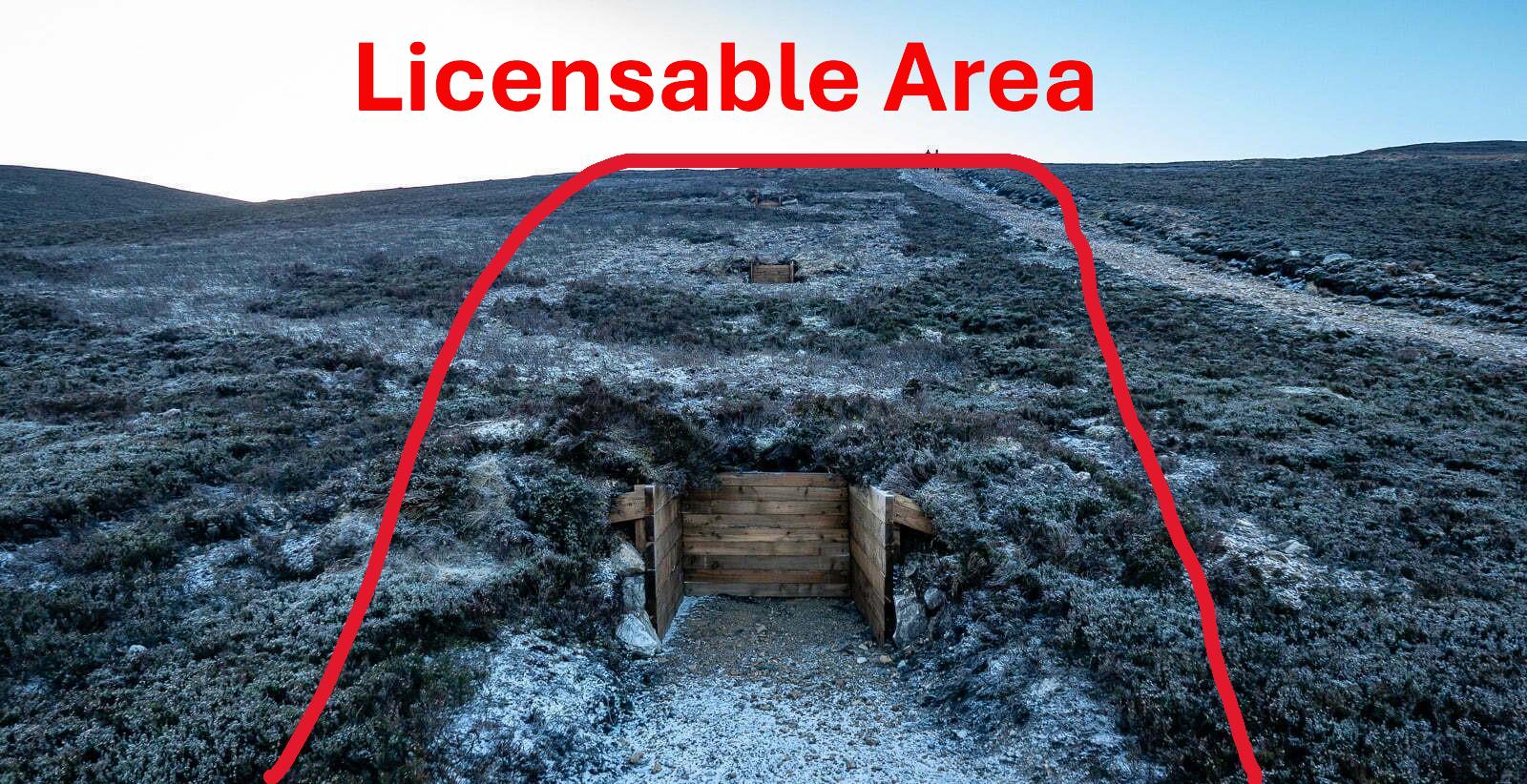
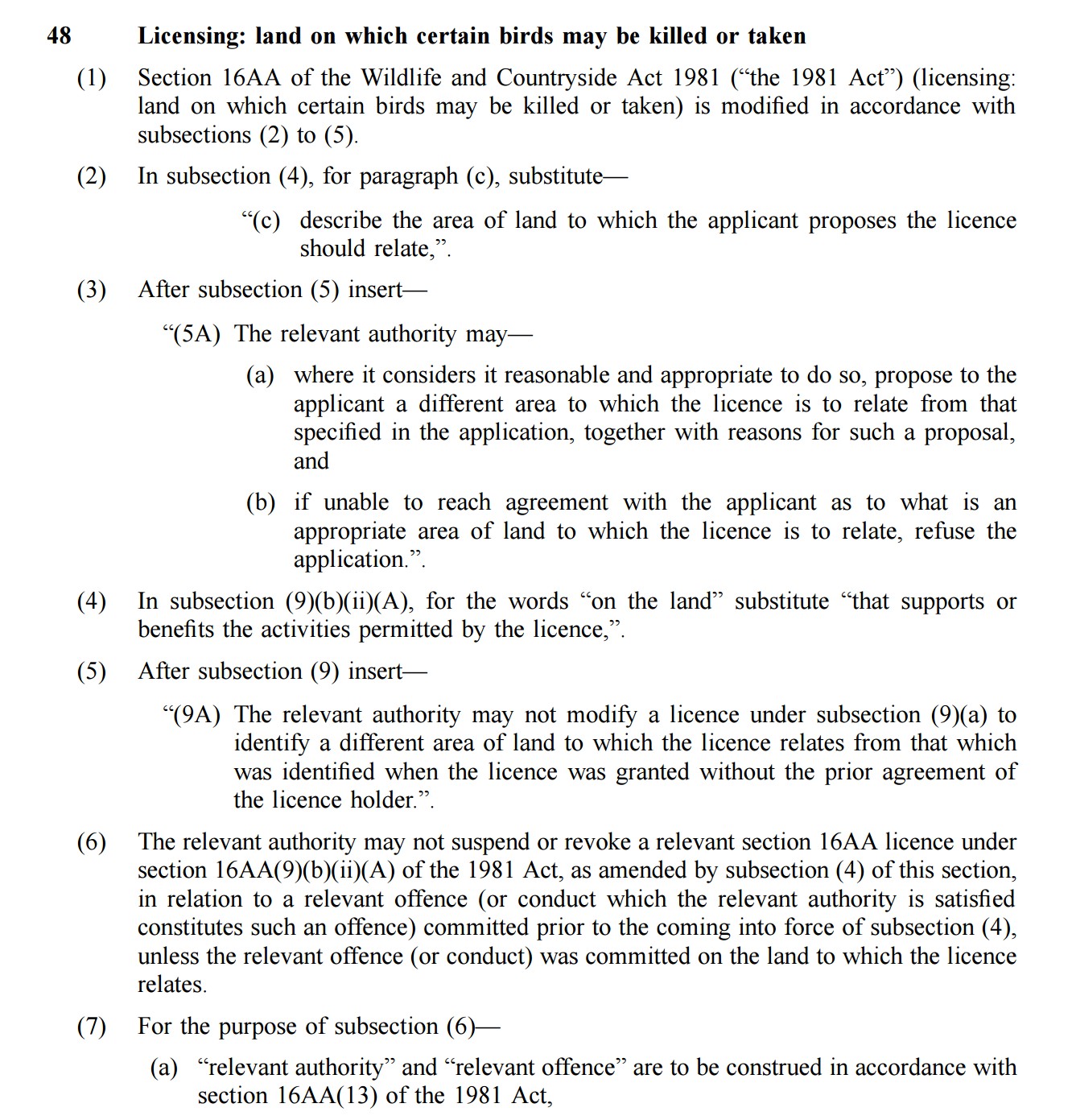
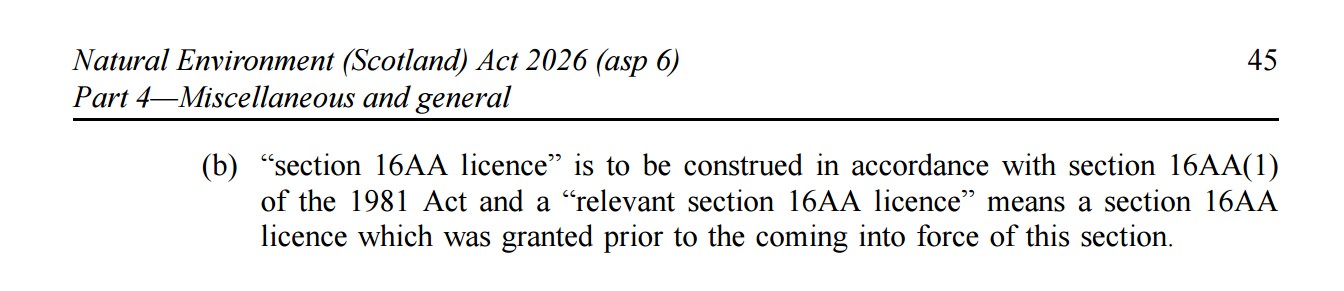
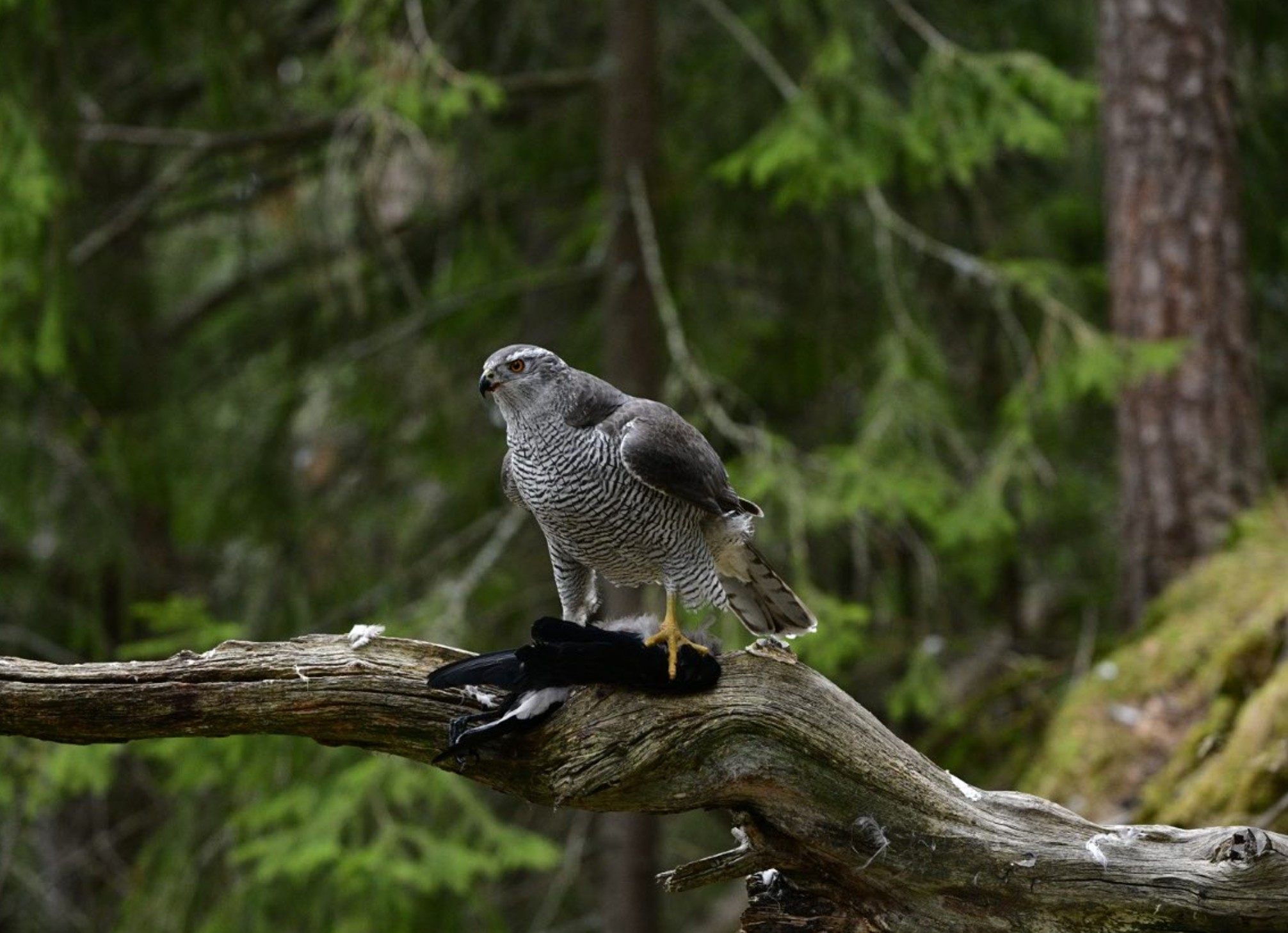
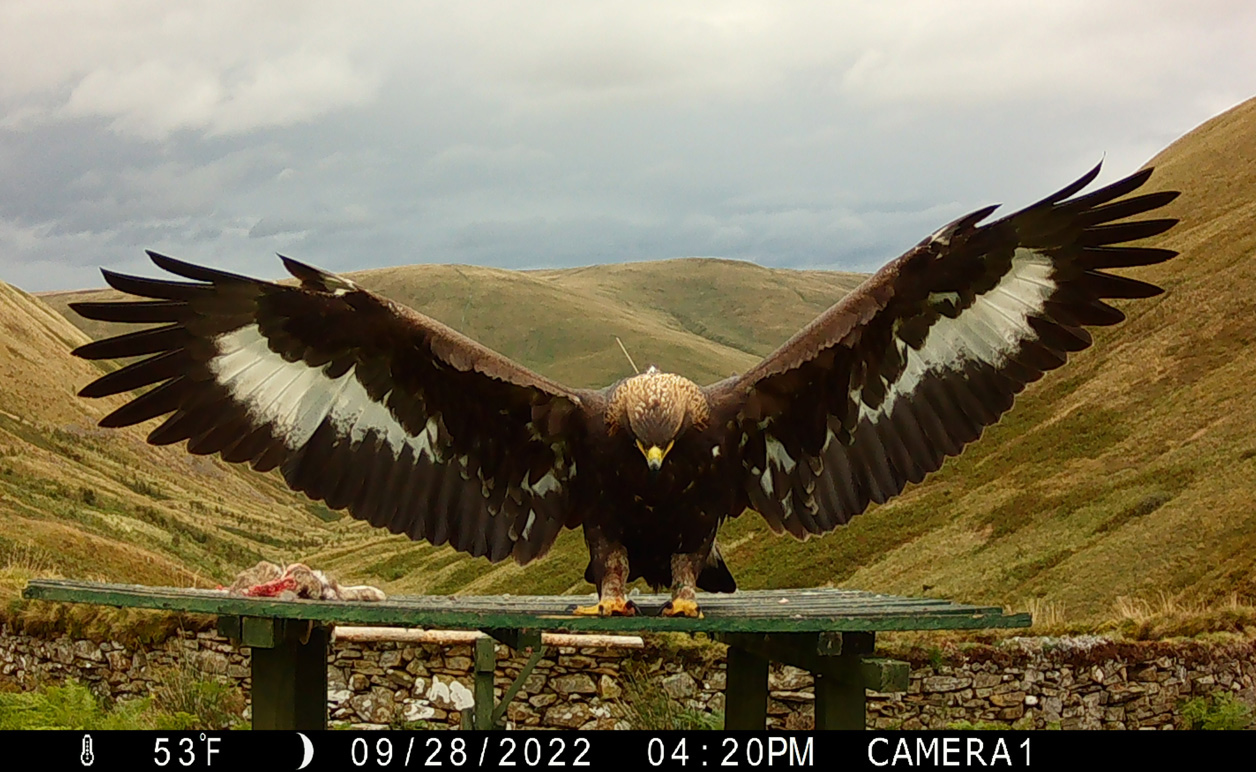
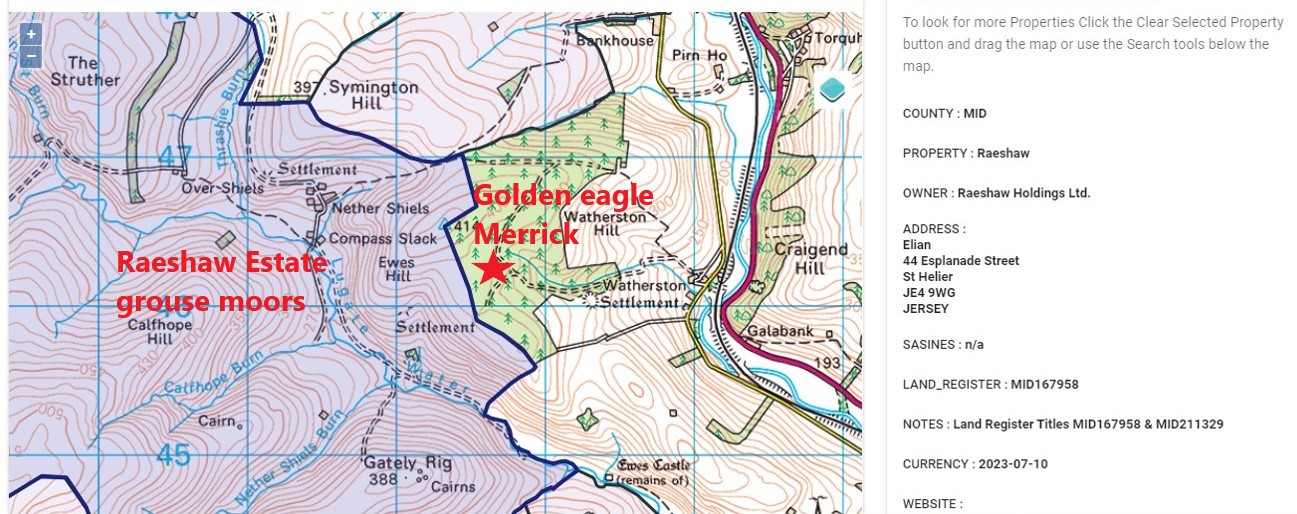
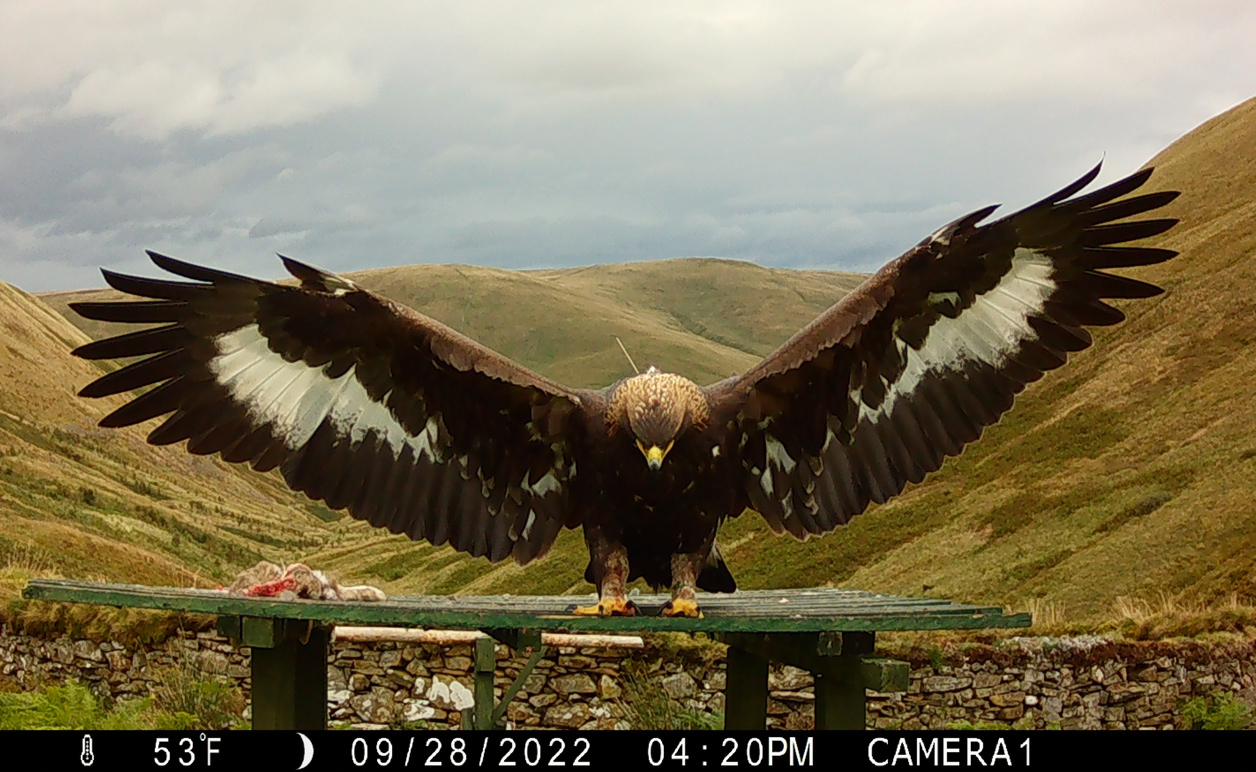
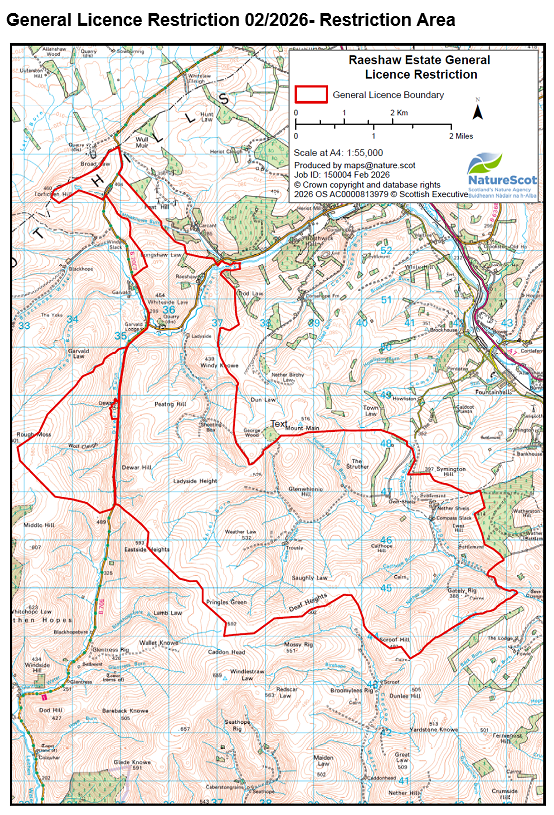
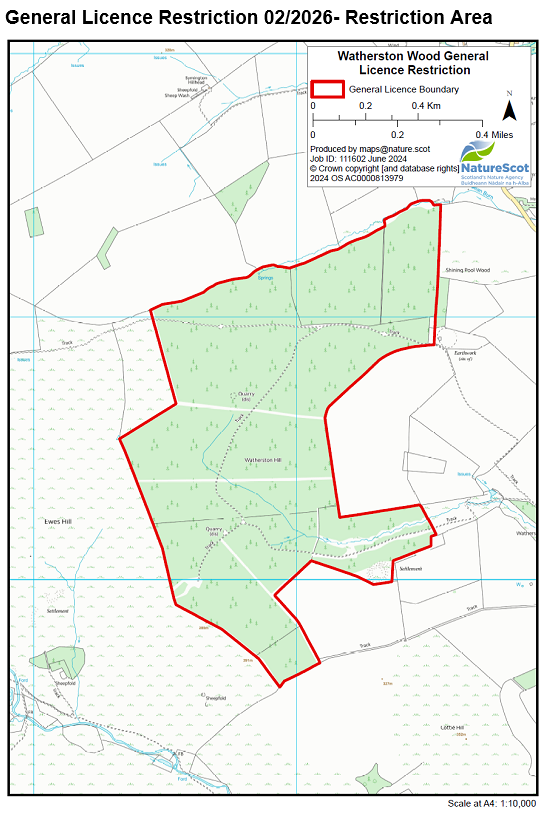
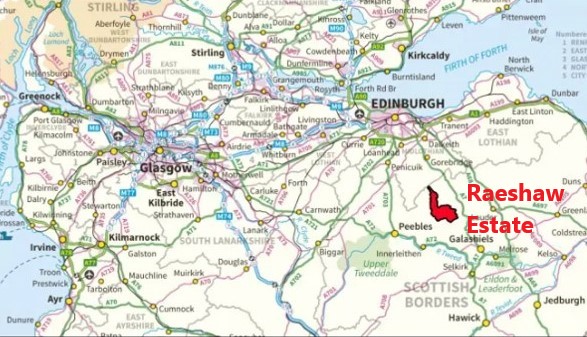
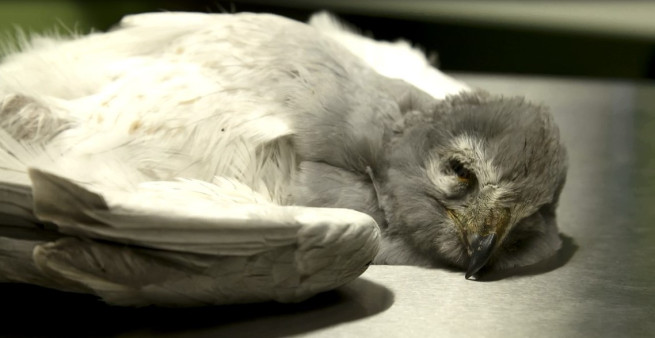
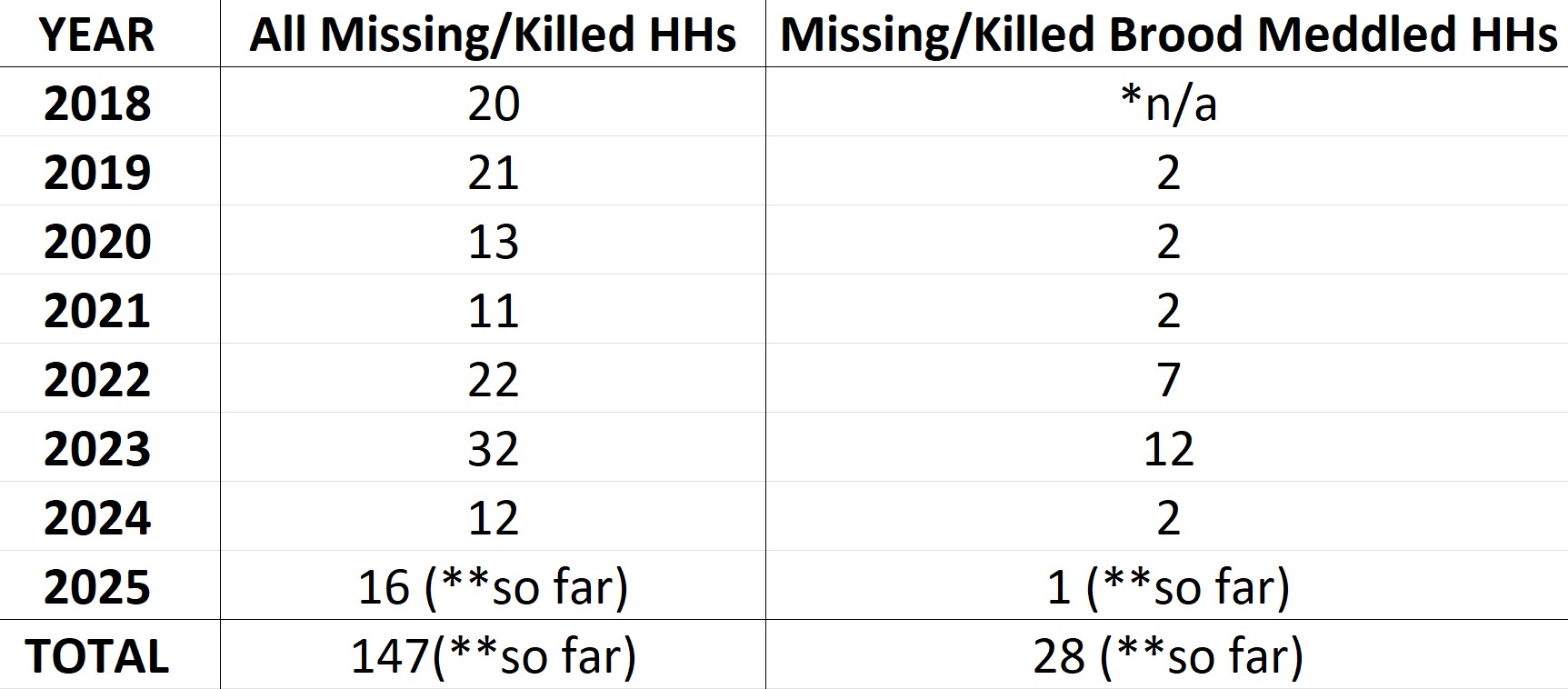
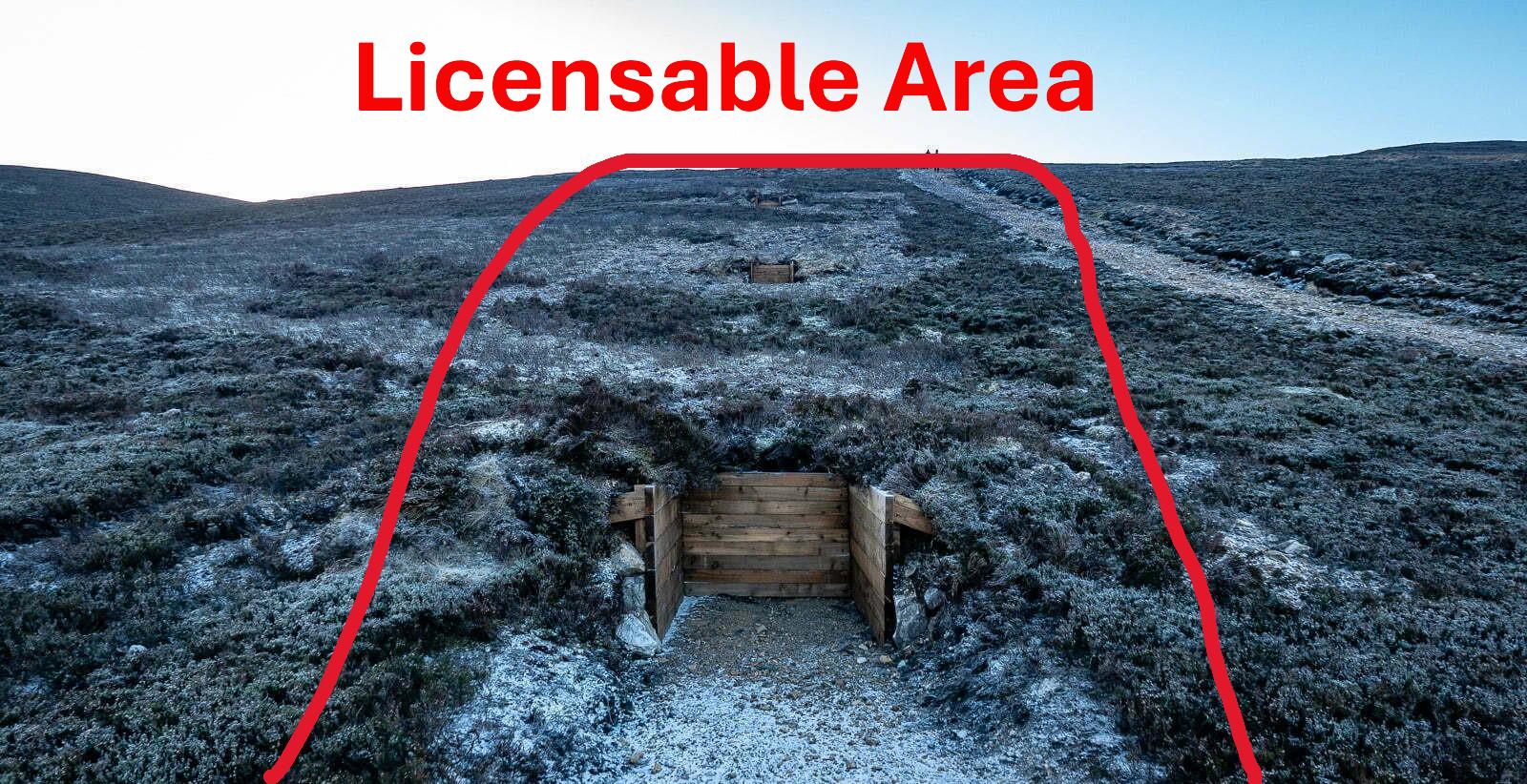
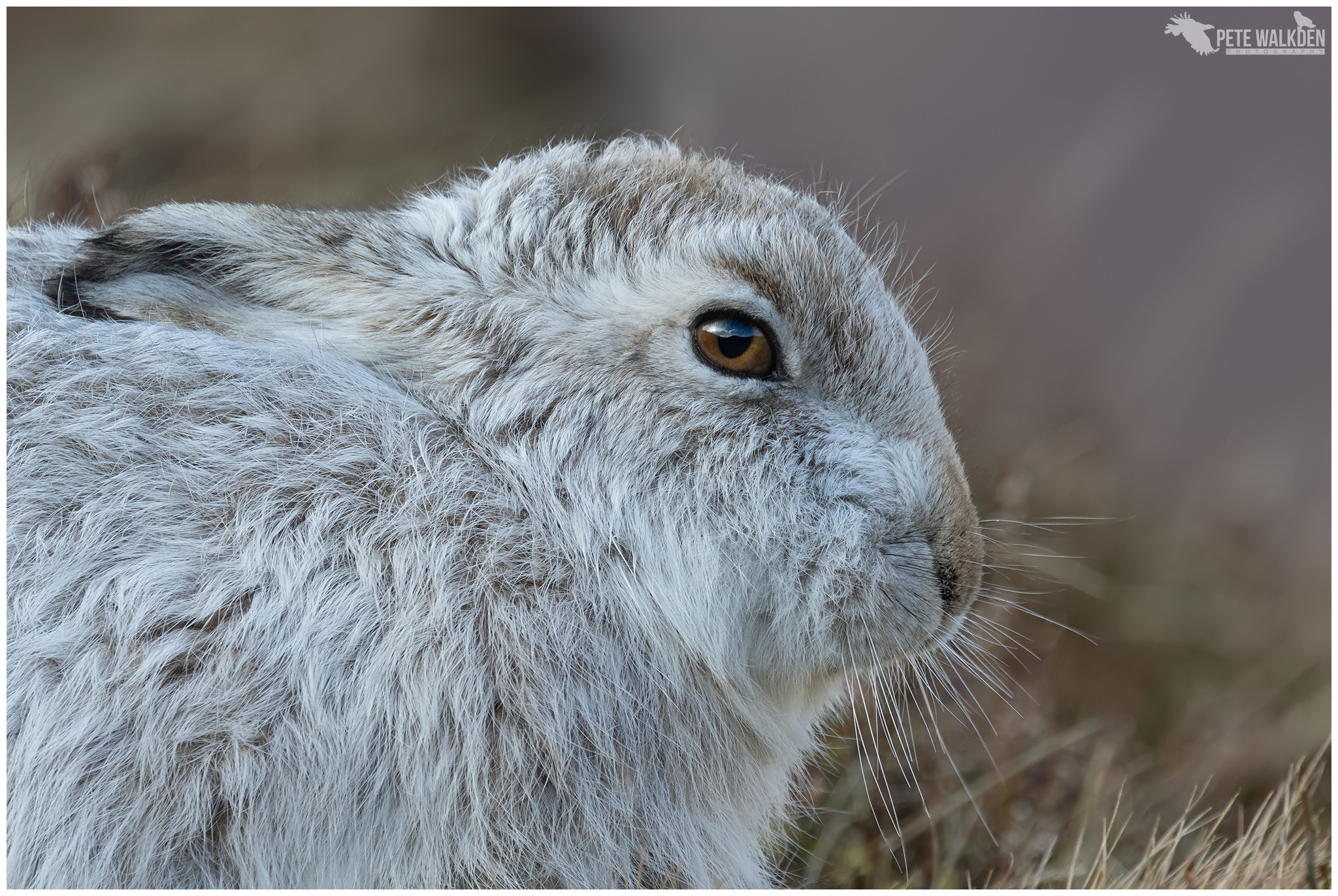

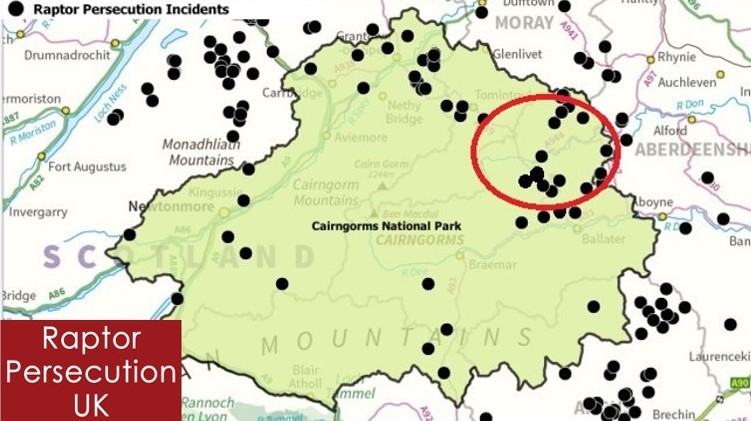


 Raptor Persecution UK