In recent weeks the Crown Office & Procurator Fiscal Service (the Scottish equivalent of the Crown Prosecution Service) has abandoned three prosecutions for alleged raptor persecution: the shooting of a hen harrier on the Cabrach Estate (here), the setting of a pole trap on the Brewlands Estate (here) and the vicarious liability of a landowner whose gamekeeper was convicted of killing a buzzard on Newlands Estate (here).
The abandonment of all three cases, without a full explanation from the Crown Office, has caused widespread frustration, anger and concern.
Well guess what? Now there’s a fourth case.
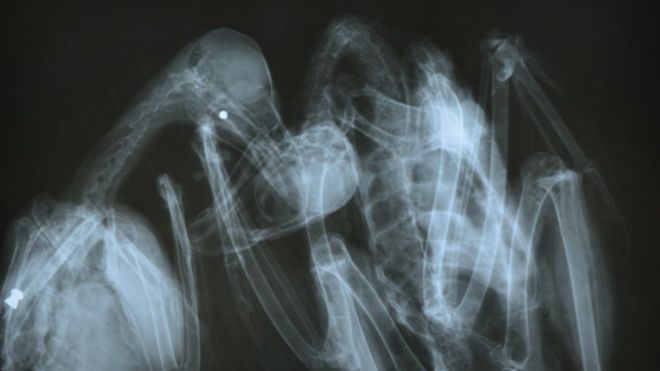
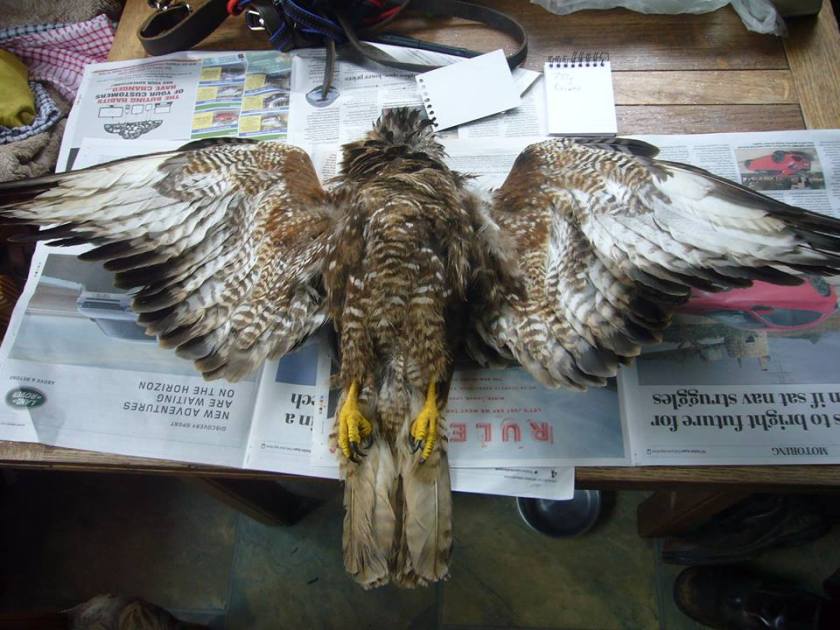
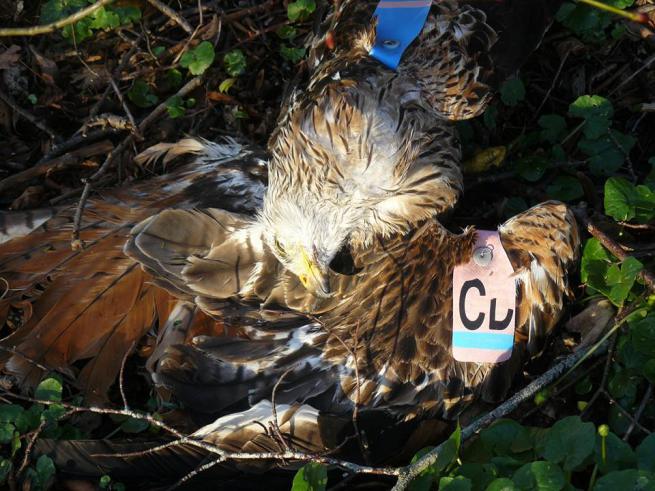
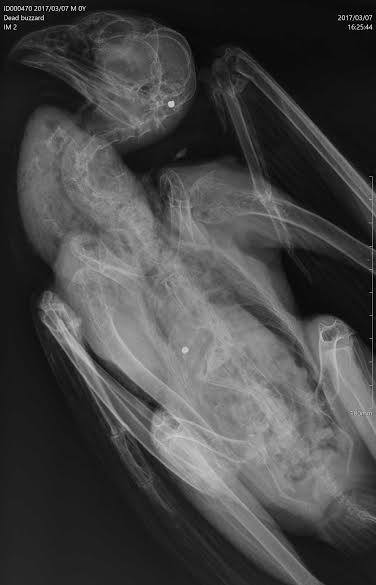
In an article in this morning’s Sunday Herald, journalist Rob Edwards reveals that the Crown Office has refused a plea from Police Scotland to bring proceedings against a gamekeeper on Edradynate Estate in Perthshire in relation to the alleged poisoning of three buzzards (photo RPUK).
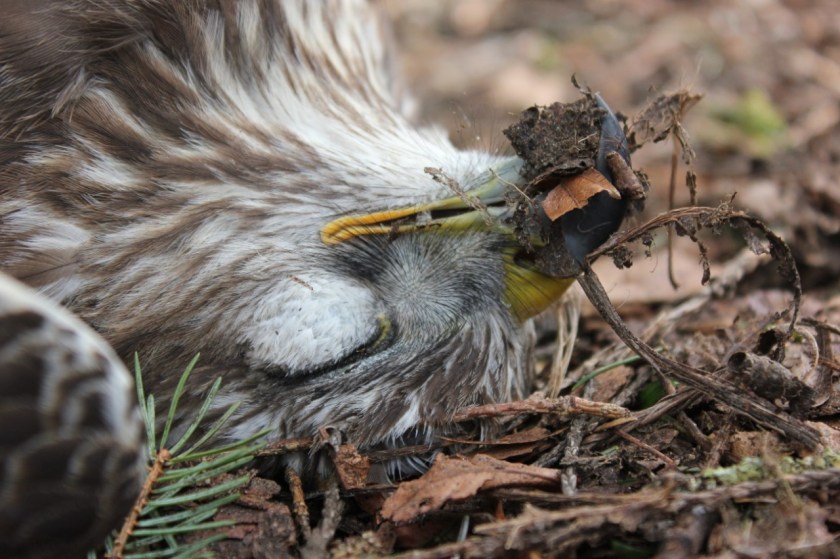
The details of this case are sparse. We do know that two poisoned buzzards were discovered close to the estate in March 2015 and that both tested positive for poison, according to the Government’s pesticide testing unit, SASA (although the name of the poison has been withheld). We also know that the police later conducted a raid on the estate although we don’t know what evidence was uncovered. Perhaps this was when the third buzzard was found? Presumably though, if Police Scotland has since pleaded with the Crown Office to pursue a prosecution, we can assume that the police believed there to be sufficient evidence to charge somebody. Surprise, surprise, the Crown Office has not provided an explanation for its decision not to proceed.
UPDATE 22 May 2017: Further details about this case have emerged from an article Rob Edwards has published this morning on The Ferret website –
“The Procurator Fiscal received a report concerning a 66-year-old man, in relation to alleged incidents between 18 March and 4 June 2015,” said a Crown Office spokesman.
“Following full and careful consideration of the facts and circumstances of the case, including the available admissible evidence, the Procurator Fiscal decided that there should be no proceedings taken at this time. The Crown reserves the right to proceed in the future should further evidence become available.”
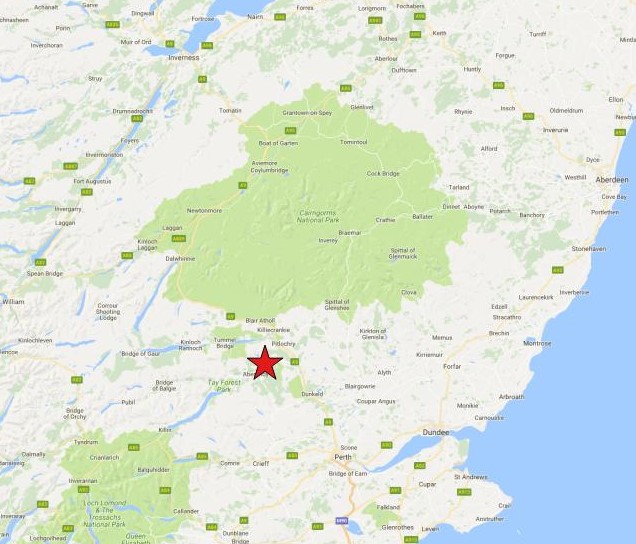
Edradynate Estate has been at the centre of investigations for alleged wildlife crime for a very, very long time. In 2002, the estate’s Head gamekeeper and underkeeper were arrested and charged with nine offences relating to the use of poisoned baits and also bird cruelty, including the use of spring traps. However, on 22 July 2004, two years after the original arrests and 13 court hearings later, the Crown Office dropped the case (sound familiar?). A COPFS spokeswoman later admitted that the time taken to prepare the case had been a major factor in the decision to scrap it (see here).
In July 2010, a poisoned red kite was discovered. An un-named gamekeeper from the estate (who said he was a member of the Scottish Gamekeepers’ Association) claimed the bird had been ‘planted’. It also emerged that in addition to the poisoned red kite, over the previous 15 years, 9 buzzards, 2 sparrowhawks, 2 crows, 1 gull, 1 tawny owl, 1 pole cat, and 1 domestic cat, had all been found poisoned in the area. Twelve poisoned baits (Carbofuran, Mevinphos and Alphachloralose) had also been discovered (see here). Nobody was prosecuted for any of this.
In March 2011, two poisoned buzzards, two poisoned crows, and two Carbofuran-laced pheasant baits were discovered. A gamekeeper was taken for questioning but he was later released without charge (here).
In February 2012 an Edradynate Estate gamekeeper was charged with a number of alleged firearms and explosives offences (see here). However, in September 2012 the Crown deserted the case without providing an explanation (see here). Gosh, this is becoming quite a habit, isn’t it?
In March 2014, we revealed that Michael Campbell, the owner of Edradynate Estate, had made a generous donation to the Scottish Gamekeepers’ Association. We also published some astonishing commentary about the Estate written by the (now former) Tayside Police Wildlife Crime Officer, Alan Stewart (see here). This really is worth a read – it’s quite an eye-opener.
In April 2015, we revealed that Michael Campbell had made another hefty donation to the SGA (see here). Surely the SGA was aware of the long history of allegations made against this estate? Perhaps they didn’t care. As there hadn’t been a single conviction they could conveniently ignore the allegations and continue to accept the donations and continue to sit around the table at PAW meetings claiming to be doing all they could to eradicate raptor persecution.
And so now there’s yet another allegation to add to this catalogue of alleged criminality on Edradynate Estate. Ironically, the most recent alleged buzzard poisonings were discovered just a few weeks after the launch of the Scottish Government’s poison disposal scheme designed to rid Scotland of the poisons that had already been banned over ten years earlier. Yet another example of political pandering to criminal gamekeepers.
According to Rob Edwards’ article, the suspect in the most recent case has since left the estate. Interestingly, early last year we came across this advert for a new Head gamekeeper: Edradynate head keeper advert Check out the bit where it says “Nothing less than 40% returns will be expected”. Clearly there is pressure on the new keeper to deliver lots of game birds for shooting.
Edradynate Estate was recently featured in the Fieldsports magazine, with a detailed description [Update 2026: this link has since been removed by the magazine – you can find a cached copy of it here] of what happens on a shoot day. The author was there before the new head gamekeeper was employed. At the end of the article is a list of ‘guns’ (other people who were shooting that day). The name Robert Douglas-Miller jumped out at us. Surely not the same Robbie Douglas-Miller (owner of the Hopes Estate in the Lammermuirs) who runs the Wildlife Estates Scotland project for Scottish Land & Estates? What was he doing there given the long history of alleged raptor crimes uncovered on this estate? No, it must be a different Robert Douglas-Miller because a representative of Scottish Land & Estates, another PAW partner, wouldn’t be shooting on an estate that has repeatedly been described as being ‘among the worst in Scotland for wildlife crime‘, right?
So, let’s wrap this up. The Crown Office has previously dropped two prosecutions against gamekeepers on Edradynate Estate, and now has refused to begin a third prosecution for reasons that have not been made public.
This is the fourth prosecution for alleged raptor persecution that the Crown Office has dropped in the last month. We can’t seriously be expected to believe there’s nothing here to be concerned about?
Let’s see what response the Crown Office provides to the Scottish Parliament’s Environment Committee, who today have written to the COPFS to find out what the hell is going on.
And let’s hope SNH is paying attention and will be considering this estate for a potential General Licence restriction order.
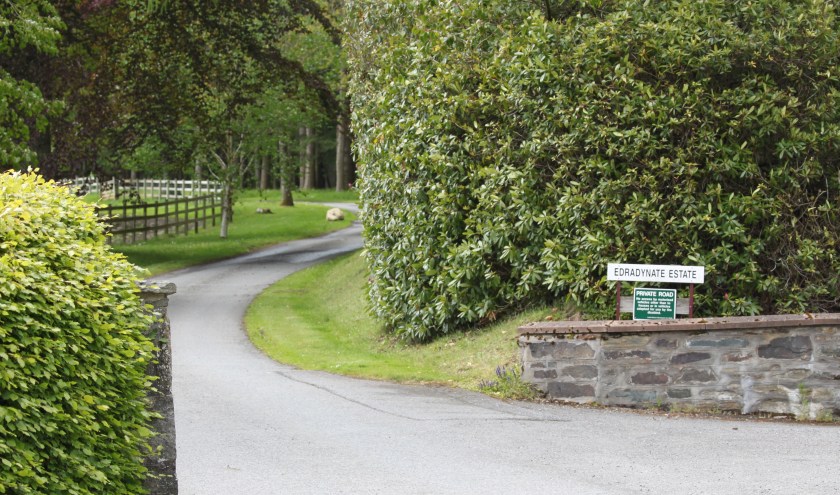
Photo of Edradynate Estate driveway by RPUK
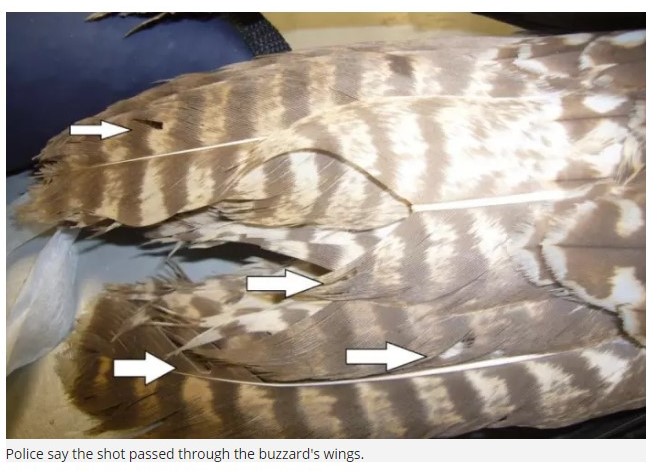
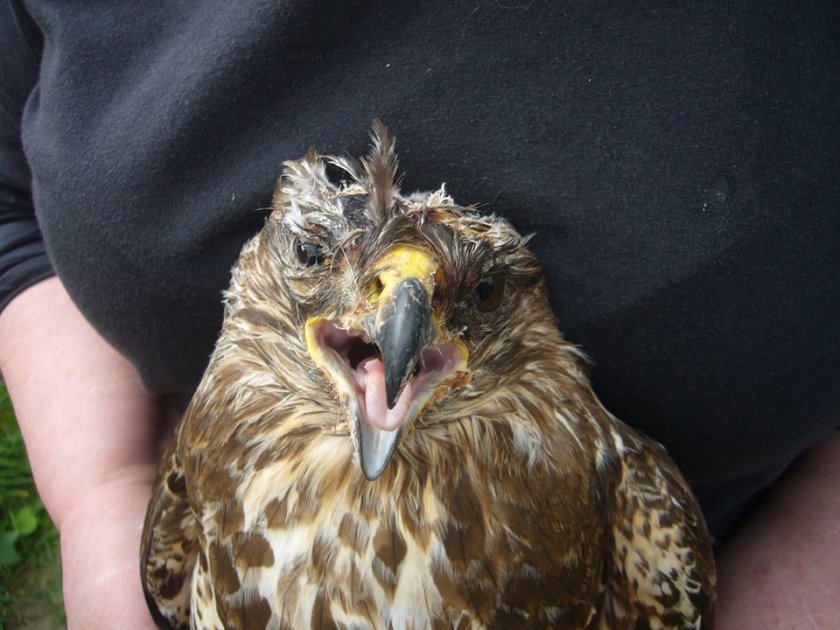
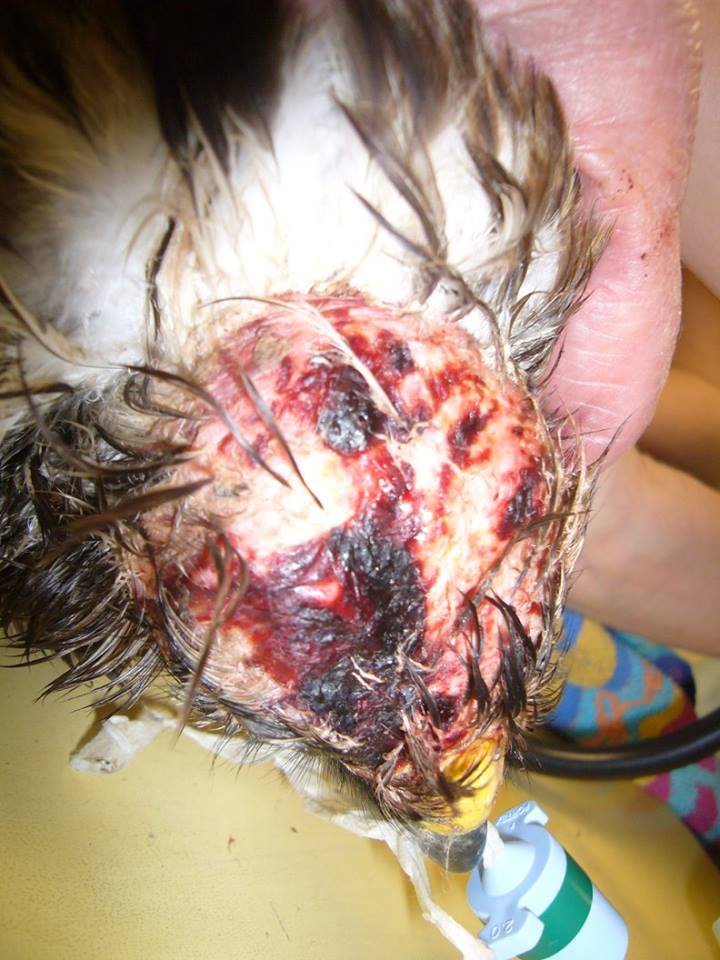
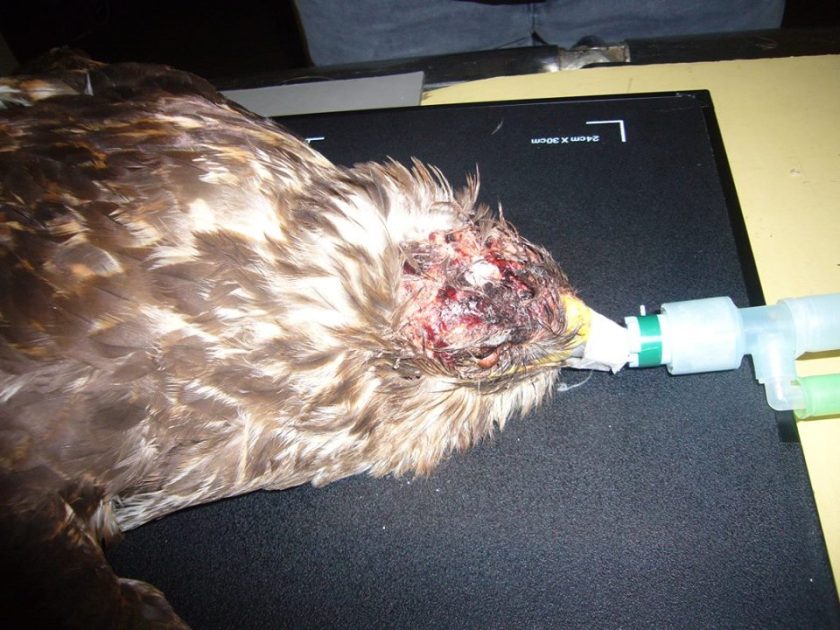
 Cumbria Police are appealing for information following the discovery of an injured buzzard in the Yorkshire Dales National Park, according to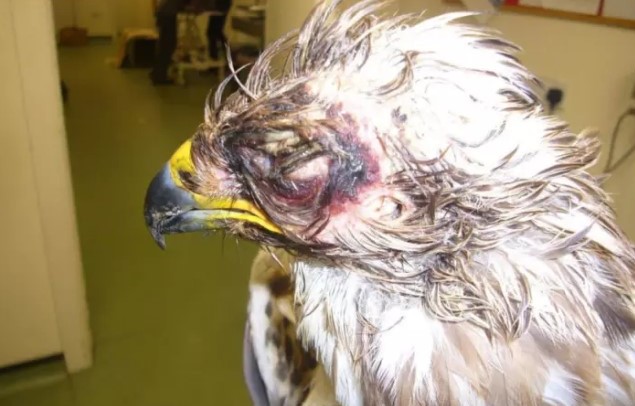
 Tomorrow, the Scottish Parliament’s Environment Committee