Here’s another example of the fine work of a ‘professional’ gamekeeper. This was published in the Norwich Advertiser yesterday:
A Norfolk gamekeeper was told today he could be sent to prison after admitting causing a fight between two dogs and a fox.
Christopher John Carter, 49, of The Burrows, in Gayton Thorpe, pleaded guilty at King’s Lynn Magistrates’ Court to causing the fight between the animals in July 2009.
Appearing alongside Carter was Luke James Byrne, 19, of Mill Houses, King’s Lynn, who admitted causing three animal fights on Westacre Estate.
The 19-year-old also admitted possessing three dead wild birds, a heron, cormorant and a buzzard, in King’s Lynn.
Jonathan Eales, prosecuting for the RSPCA, showed magistrates video footage, recorded by Byrne, of the fights which saw dogs attacking animals trapped in a snare. The first clip showed a fight between Byrne’s dog and rat which took place on June 20, 2009. The other videos showed Carter’s two dogs attacking a fox on July 2, 2009 and a fight between one of Carter’s dogs and a fox on June 15, 2010.
Mr Eales said: “In March this year, a woman purchased a mobile phone from Mr Byrne’s parents. The phone had been used by Mr Byrne and had a video clip on it of one of these fights. The woman was so shocked by what she saw that she reported it to the RSPCA which then investigated it. The investigating officer then took possession of Mr Byrne’s father’s laptop and two further video clips were found.”
During each of the videos, Byrne can be heard laughing as the fights took place and encouraging the dogs to attack. He can also be heard screaming “kill it” repeatedly and during the second video, Byrne says: “Well, that didn’t last very long”.
Mr Eales continued: “A number of pictures were also found on Mr Byrne’s father’s laptop of dead animals – three of which were dead wild birds. The conclusion was made that he must have been in possession of these birds to take pictures of them and he has pleaded guilty to these charges.”
Mr Eales told the court Carter is a gamekeeper and that Byrne had done work experience with him but added they had known each other for a long time.
He continued: “When these matters were discovered, both men were interviewed. At first, Mr Byrne denied having any involvement in or knowledge of these matters but after being shown the video clips, he made a no comment interview. Mr Carter didn’t make any admissions until the videos were shown to him but he did assist us in relation to the other two clips which he wasn’t involved in. Mr Carter gave no reason why he thought these things had happened. He said he had no excuse for it and said he knew what had happened was against the law. He also said he was ashamed of himself.”
Mr Eales asked magistrates to consider depriving the two men of ownership of the dogs and told the court these dogs would then be re-homed by the RSPCA. Carter’s two dogs are currently in the care of the RSPCA but Byrne’s dog remains at his home address.
Mr Eales also asked magistrates to consider whether or not to disqualify both men from owning animals for a short period or for life.
James MacWhirter, representing Byrne, asked magistrates to put off sentencing his client until a pre-sentence report had been carried out by the probation service. But Malcolm Savory, representing Carter, urged magistrates to deal with his client and told them he could produce plenty of character references for Carter.
He also appealed to the magistrates to take into account the fact the video footage relating to his client lasted 30 seconds but in the other cases the RSPCA bring to court, the suffering can go on for “minutes, days weeks, months or sometimes years”.
Lead magistrate Paul Kidd asked for all-option pre-sentence reports to be prepared for both men, including possible custodial sentences.
The two men will return to King’s Lynn Magistrates’ Court on January 11 to be sentenced.
Source article at Norwich Advertiser here
If anyone wants to find out whether Christopher John Carter is a member of the National Gamekeepers Organisation, send an email to: info@nationalgamekeepers.org.uk
Congratulations to the RSPCA and the Crown Prosecution Service.

 Following the report that convicted gamekeeper Glenn Brown lost his appeal yesterday (see here), one of the RSPB investigators has blogged about his experience, and that of his colleagues, in the appeal process.
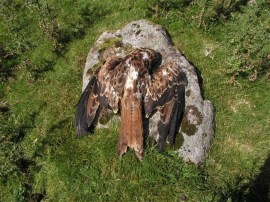 Following the blog post on 6 December 2011 (see
 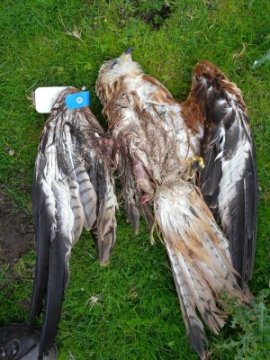 Further to the blog post in July 2011 about the arrest of a man in connection to the investigation of poisoned and shot red kites in Cumbria (see
 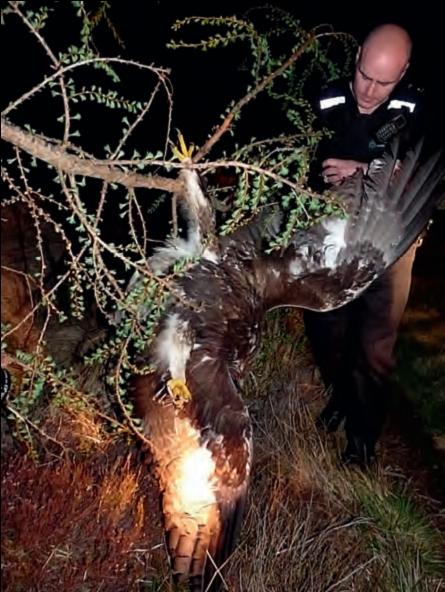 The RSPB has published its annual report on raptor persecution in the UK (Birdcrime 2010). Poisoning reports are down (128 reported in 2010; 153 reported in 2009). Birds confirmed poisoned in 2010 include:
 A report out today in the Independent on Sunday says that birds of prey are being poisoned or shot in the North York Moors and Yorkshire Dales at a rate unknown in any other region in the UK, according to the latest RSPB figures.
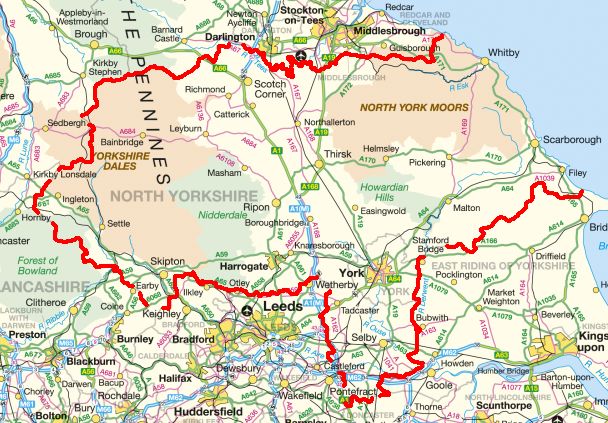 The latest figures come from the RSPB’s annual Birdcrime report, Birdcrime 2010, which is due to be published on Thursday, so it’s difficult to assess the findings until the report has been released. However, according to the IoS article, “Almost 10 per cent of the 117 incidents against 11 species last year took place in the county, which has consistently recorded high rates of such crime, according to the RSPB“.
 Raptor Persecution UK