
Well, well, well. It seems we’re not the only ones to raise an eyebrow about the re-appointment of fiscal Tom Dysart as one of three new specialist wildlife crime prosecutors.
You may remember we blogged about Mr Dysart’s new role at COPFS earlier this month (see here). What interested us was that these three new wildlife crime fiscal positions were announced in February 2011, when Mr Dysart led on wildlife crime for COPFS (see here). Later in 2011, COPFS announced that only two of the three available positions had been filled by August 2011 (see here), both managed by COPFS wildlife crime lead, Tom Dysart. In October last year, we blogged about these new appointments and noted that the third position was still vacant (see here). What’s interesting is that Mr Dysart took ‘early retirement’ in March 2012, and has now re-appeared and taken on that third wildlife fiscal role.
Yesterday, the Daily Record picked up on this story and wrote an article under the headline:
“Prosecutor who retired with six-figure pay off takes on new fiscal position in old department“.
The article claims that Mr Dysart’s re-appointment “has caused a fair bit of resentment” because “there are plenty of able fiscals who were in for one of these much sought after posts [as a specialist wildlife crime fiscal]. An un-named source is quoted as saying:
“The retirement dosh is tucked away and he’s laughing all the way to the bank. He trousered well into six figures“.
The Crown Office is reported to have said: “Mr Dysart was not involved in the selection process for his own appointment“.
That’s an interesting statement. Why was this third position not filled in 2011, and remained vacant until October 2012? How many other fiscals applied for this third specialist position back in 2011 when they were first announced? Why were they not offered the role? Was Tom Dysart involved in the selection process for those positions in 2011? According to the Daily Record article, Labour’s Shadow Justice Secretary Lewis MacDonald will be “seeking assurances about the process that was gone through“. That’s very good to hear.
We understand Mr Dysart reads this blog and he’s not a fan. We can’t say we’re admirers of his work, either.
Daily Record article here
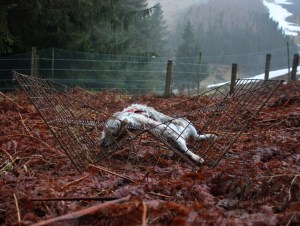 The highly contentious issue of the ‘clam trap’ (also known as ‘Larsen mate trap’, ‘snapper trap’ and ‘butterfly trap’) has been raised in this consultation, although SNH’s plans for how to deal with it are astonishing. They recognise that welfare concerns remain about the use of these traps, but instead of banning them until independent research shows they are safe to use, they’ve decided to continue their use and commission research on their use “shortly”. They do suggest that they’ll require clam trap users to notify them of intended use, but really, what’s the point of that, other than being able to identify users as potential participants in their future ‘evidence gathering’ exercise?
 We are certain that this motion (and its amendment) was triggered by the number of people writing to complain about the two recent shocking incidents involving the illegal persecution of golden eagles in Scotland (see
 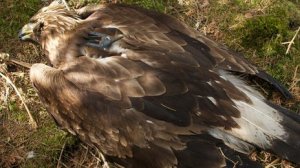 A new motion was lodged in the Scottish Parliament on Monday 22nd October 2012 concerning the death of the Glen Esk golden eagle:
