Grouse shooting industry’s claim of having ‘zero tolerance’ of raptor persecution is just not credible

I wrote an opinion piece for The National which was published yesterday (here) about the grouse shooting industry’s supposedly sincere claim of having ‘zero tolerance’ for the illegal killing of birds of prey.

It’s reproduced below:

It is widely acknowledged that the illegal killing of birds of prey has long been synonymous with driven grouse shooting in Scotland, even though raptors have had supposed legal protection for almost 70 years. Birds of prey such as buzzards, red kites, hen harriers and golden eagles are perceived to be a threat to red grouse and thus are ruthlessly shot, poisoned or trapped to protect the estates’ lucrative sporting interests.

Prosecutions are rare given the remoteness of the vast, privately-owned shooting estates where these crimes are committed; there are few witnesses and gamekeepers go to great lengths to hide the evidence, as demonstrated when a ‘missing’ golden eagle’s satellite tag was found wrapped in lead sheeting and dumped in a river, presumably in an attempt to block the transmitter.

The Scottish Government has tried various sanctions to address these crimes over the years, including the introduction in 2014 of General Licence restrictions, which are based on a civil burden of proof if there is insufficient evidence for a criminal prosecution. These restrictions don’t stop the sanctioned estates from shooting grouse but do partially limit their moorland management activities and were specifically designed to act as a ‘reputational driver’. Unfortunately they have been proven to be wholly ineffective.

In 2017 a scientific report into the fate of satellite-tracked golden eagles in Scotland highlighted the extent of the ongoing killing on some grouse moors (almost one third of 141 tracked eagles disappeared in suspicious circumstances, none of which resulted in a prosecution). In response, the Government commissioned a review (the Werritty Review) of the sustainability of grouse moor management, which led to the Government finally committing to introducing a full licensing scheme for grouse shooting in 2020. The threat of having an estate licence completely revoked if raptor persecution is detected may now act as a suitable deterrent, as long as the law is adequately enforced.

This long-awaited legislation is currently on passage through Parliament as the Wildlife Management and Muirburn (Scotland) Bill. Unsurprisingly, the grouse shooting lobby is working hard to influence proceedings and minimise the Bill’s impact, questioning its legality and proportionality, even making threats to take the Government to the European Court of Human Rights. Instead of welcoming legislation that should protect the innocent and rid the industry of those who continue to bring it into disrepute, industry representatives maintain that a voluntary approach is sufficient and deny that persecution is even an issue, despite the suspicious disappearance of at least 35 more satellite-tagged hen harriers and golden eagles since the 2017 report was published.

Grouse-shooting representatives maintain they have a ‘zero tolerance’ stance against illegal raptor persecution and argue that they can’t do anything more. But talk is cheap and this industry should be judged by its actions, not by superficial pronouncements from its leaders.

I would argue that there is much more the industry could, and should, be doing if it wants to be seen as a credible force for change.

For example, let’s look at the Moy Estate in Inverness-shire. Two estate gamekeepers have been convicted for raptor persecution offences here (one in 2011 and one in March this year) and the estate has been at the centre of multiple police investigations many times in between. Indeed, it is currently serving a three-year General Licence restriction imposed by NatureScot in 2022 on the basis of police evidence of wildlife crime against birds of prey, including the discovery of a poisoned red kite and various trapping offences.

Moy Estate is believed to be a member of the Scottish landowners’ lobby group, Scottish Land & Estates (SLE). Has SLE expelled the estate from its membership? If it hasn’t, why not? If it has, why hasn’t it done so publically?  

Why are SLE, the Scottish Gamekeepers Association and others from the shooting industry, still attending the Moy Country Fair held annually on the Moy Estate? Why hasn’t this estate been boycotted and blacklisted by industry representatives? Surely that would send a strong message of ‘zero tolerance’ for raptor persecution?

Screen grab from SLE website, August 2023

It’s not just Moy Estate, either. There are a number of other grouse-shooting estates, some very high profile and often described as ‘prestigious’ in the shooting press, that are also either currently, or have previously, served three-year General Licence restrictions.

How many of those estates and/or their sporting agents have been blacklisted by industry organisations? None of them, as far as I can see.

Zero tolerance should mean exactly that. Anything less simply isn’t credible.

Dr Ruth Tingay writes the Raptor Persecution UK blog and is a founder member of REVIVE, the coalition for grouse moor reform.

ENDS

Inhumane trapping of wild animals on grouse moors must end – opinion piece by Bob Elliot (OneKind)

The Press & Journal published an excellent opinion piece by Bob Elliot yesterday, timed to coincide with the Inglorious 12th.

Bob is the former Head of Investigations at RSPB and currently is the Director of OneKind, a small yet effective animal welfare charity in Scotland that punches well above its weight. OneKind is also a member of REVIVE, the coalition for grouse moor reform, so Bob’s credentials to write this piece are second to none.

Most readers of this blog are, I would guess, very familiar with the consequences of illegally-set traps on grouse moors and their use to capture birds of prey which are then subsequently killed, but there’s less attention given to the legal use of these traps to target so-called legitimate ‘pest’ species.

This typically thoughtful piece from Bob covers the main welfare concerns. It’s reproduced below:

At this time of the year, my thoughts always turn to the start of the grouse shooting season, or the “Glorious Twelfth”, as it is known in the shooting community.

There really isn’t anything glorious about it at all, people shooting live birds for fun.

For the shooting groups to have enough grouse to kill, the grouse moors need to be heavily managed, and the killing of predators continues unrelentingly.

In the past, I spent many a day walking the hills of Scotland, investigating wildlife crime, and would regularly come across cage traps used by gamekeepers: structures of wood and wire, incongruous looking objects in the landscape. But, did you know that crows and magpies, intelligent and sensitive birds, are routinely trapped and killed in these cages?

There are several types of traps, and they fall into two main categories: large crow cage traps, big enough for a person to enter, which are designed to catch multiple birds, and the smaller, more portable Larsen traps, which are designed to catch one bird.

Whilst many wildlife crime incidents have been recorded for the “misuse” of crow cage traps, their use is cruel, even when used legally. The impact being caught in these traps has on crows and other corvids, such as magpies, should not be underestimated.

Sudden confinement is inevitably going to be frightening and stressful for any wild animal. On top of this, crows and magpies are territorial birds, so being forced to share space with others leads to additional stress and aggression. Birds will fly about, frantically trying to escape, and can injure themselves in the process.

It is legally permitted to leave birds in these traps for up to 24 hours. After a long confinement, possibly exposed to the elements and to predation, they are killed by the person who set the trap.

This is usually done with a blow to the head, but it is not always a humane death and may take repeated hits. I remember an incident where a gamekeeper was filmed trying for several minutes to catch and kill crows in a trap, while the others flew around, panicked.

Even worse, though, must be the use of “decoy” birds, used to lure other birds into the trap in a seemingly endless cycle of killing. I have seen birds enduring some of the worst Scottish weather.

On one occasion, I remember temperatures were very low, and the biting wind was blowing the rain sideways on the exposed hillside. The decoy bird in the trap remained hunched on the perch, with no shelter apart from a rudimentary box placed on the floor in the corner of the trap.

These decoy birds could be used repeatedly for weeks or months, after initially being caught themselves. They might be mutilated to cut their wing and tail feathers, so they are unable to fly.

Although there is a legal requirement to provide them with food, water, shelter and a perch, these provisions are often pitifully inadequate. Either way, they are ultimately doomed to death, and are confined so that others can meet the same fate.

All this killing so that an unnaturally high population of red grouse can be maintained for sport shooting. In my mind, it is unjustifiable.

The Wildlife Management and Muirburn (Scotland) Bill currently in parliament will bring greater regulations on the use of these traps, and we welcome that.

We would, of course, prefer to see an end to crow cage traps altogether, and will continue to campaign for the banning of their use. However, it is crucial that steps are taken now to regulate the trapping of crows and other wild animals in a way that prevents the worst suffering of wild animals on Scotland’s grouse moors.

ENDS

For anyone interested in reading more on this subject, I’d recommend Alick Simmons’ new book: Treated Like Animals – Improving the lives of the creatures we own, eat and use. (2023 Pelagic Publishing). Alick worked as the UK Government’s Deputy Chief Veterinary Officer for many years. In his book he devotes an entire chapter to ‘Snares, Guns and Poison: the ‘Management’ of wildlife. Well worth a read (see here).

Hunt Saboteurs stop three grouse shoots in Yorkshire

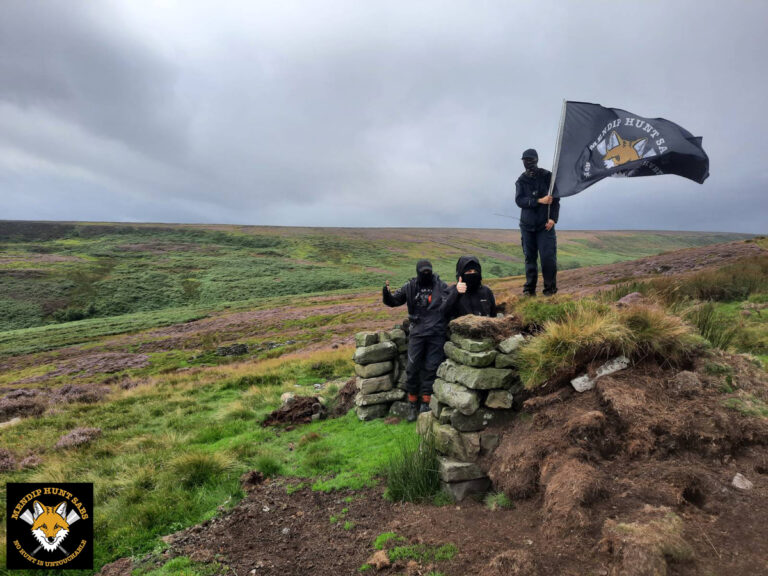
As they’ve done in previous years, the Hunt Saboteurs were out in force yesterday on the Inglorious 12th and managed to stop three grouse shoots in Yorkshire.

Saboteurs occupying the grouse butts. Photo: Mendip Hunt Sabs

A large group of saboteurs, travelling from many different regions, converged on the moors to disrupt the shoots – you can read about what they got up to here.

UPDATE 15th August 2023: Hunt Saboteurs stop another grouse shoot in Yorkshire (here).

Strange activities on Ruabon Moor, the ‘grouse capital’ of North Wales

Ruabon Moor, the so-called ‘grouse capital’ of North Wales, has featured on this blog a few times in recent years.

Three satellite-tagged hen harriers ‘mysteriously vanished’ there (Heulwen in 2018; Aalin in 2018; Bronwyn in 2019) and a poisoned raven was discovered there in 2018 (here).

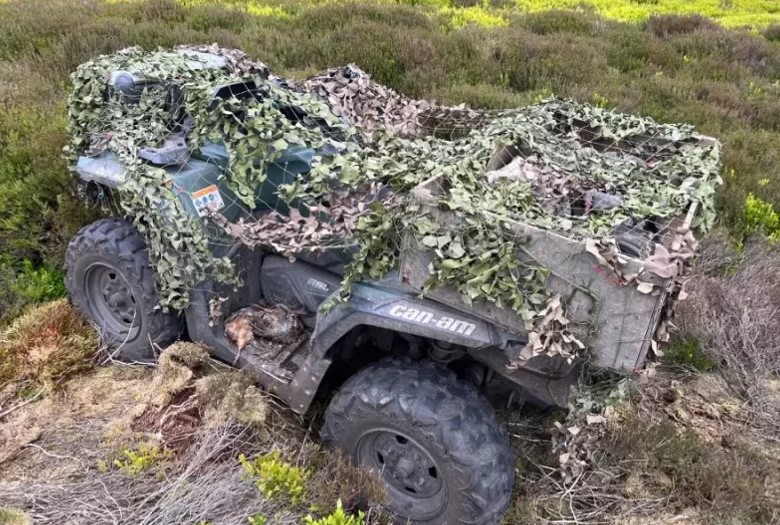
It seems that some other odd things have been happening on the moor, including the discovery of this quad bike, covered in camouflage netting ‘strewn with dead birds’ and an armed gamekeeper crouching in the heather nearby:

Photo: Wildlife Guardian

This, along with a dodgy-looking trap set near to a pigeon coop on the moor, have been discovered by a team called Wildlife Guardian and they’ve blogged about it all here.

Well worth a read.

Scottish politician brands opening of grouse shooting season a “festival of violence”

Press release from the Scottish Greens:

THERE’S NOTHING GLORIOUS ABOUT GROUSE SHOOTING SEASON

The so-called Glorious 12th is a festival of violence

There’s nothing glorious or humane about the driven grouse shooting season, which begins today with the so-called ‘Glorious 12th’, the Scottish Greens have said.

The Party’s rural affairs spokesperson, Ariane Burgess MSP, has branded it “a festival of violence” and a “cruel and outdated hobby.”

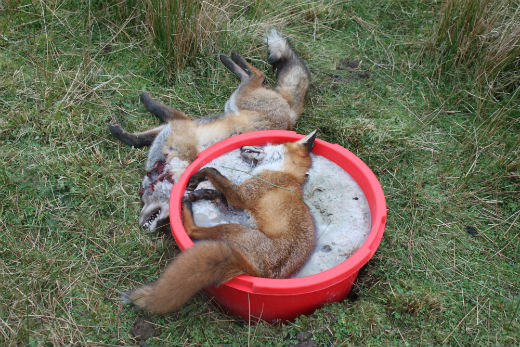
A stink pit on Leadhills Estate. Gamekeepers dump rotting, dead animals at a site so their putrid remains attract in other predators, which are then caught in snares, killed and added to the pile. Photo: OneKind

At present the Scottish Government is progressing the Wildlife Management and Muirburn Bill, which will introduce a licensing system for grouse shooting and the practice of muirburn. 

These measures are a necessary response to incidents of illegal persecution of Scotland’s iconic birds of prey, such as golden eagle, which have occurred on or near to grouse moors over several years [Ed: several decades!].

The measures on licensing muirburn will also protect peatlands which have a vital role in locking up carbon emissions. It’s also important that in a climate crisis where wildfires are more prevalent that we know who is undertaking muirburn when and where. 

The Scottish Greens have long opposed blood sports. The Party has welcomed the introduction of the bill, which was a key commitment in the Bute House Agreement, and believe it is a vital step for protecting Scotland’s iconic nature and our environment.

Ms Burgess said:

There is nothing glorious or humane about the 12th of August. It is a festival of violence. Far too much of our land is given to this cruel and outdated hobby.

The intensive burning and degradation of our landscapes to try and improve the habitat for red grouse so that there are more of them to be shot is unnecessary, and damages the local environment and our climate.

The Scottish Government’s Wildlife Management and Muirburn Bill will be an important step to protecting our wildlife and curbing the environmental degradation and ritualistic cruelty that lies at the heart of this so-called sport

Our world renowned landscapes and nature are for all of us. They must serve local communities, rather than the interests of the small number of wealthy people who pursue these niche and elitist blood sports“.

ENDS

Green Party calls for halt to grouse shooting & wants DEFRA to investigate prevalence of avian flu on grouse moors

Two days ago I revealed that Highly Pathogenic Avian Influenza (‘bird flu’) had been detected last month in a red grouse in the Scottish Borders (here).

Red Grouse. Photo: Lorne Gill, NatureScot

In response, the Green Party is calling for a halt to grouse shooting and wants DEFRA to investigate the prevalence of this highly contagious disease on grouse moors.

The following statement was published yesterday by the Green Party:

The Green Party has called for grouse shooting season which is due to begin tomorrow (August 12), on what is known as the Inglorious 12th, to be cancelled following reports of avian influenza in red grouse in Scotland.

Green peer Natalie Bennett has called for all shooting activity to stop and for the Department for Environment, Food and Rural Affairs (Defra) to investigate how prevalent Highly Pathogenic Avian Influenza is among birds on grouse moors.

Bennett said:

We have seen reports today that Highly Pathogenic Avian Influenza, the disease that is cutting such a swathe through our wild bird populations, has just been found in red grouse in Scotland.

Grouse moors, with their maximum annual population, are a bio-disaster waiting to happen tomorrow when the shooting season opens.

It’s extremely concerning that, as things stand, tomorrow will see people walking and driving all over the moors, with their shotguns at the ready, about to pick up at least some of those lead-laced carcasses and spread them around the country.

How, even given the prominent position of grouse moor owners and shooters in our corridors of power, can this biorisk be accepted?

All shooting due to take place must be halted while this risk is fully investigated to ensure the safety of both wildlife and people across the country.”

ENDS

As I discussed in my earlier post, there’s very little detail about where this infected red grouse was found (‘Scottish Borders’ is a big region) and how many other dead red grouse, or other species, were found with it (we know that testing is limited and does not include every infected bird found, which compromises our understanding of the spread of this disease – this RSPB blog is a good primer on the subject).

Given the unnatural high density of red grouse on many driven grouse moors and their use of communal grit trays (disease reservoirs), avian flu could rip through these grouse moors in a flash, affecting not just red grouse but cross-contaminating other species and especially birds of prey that may consume the infected carcasses.

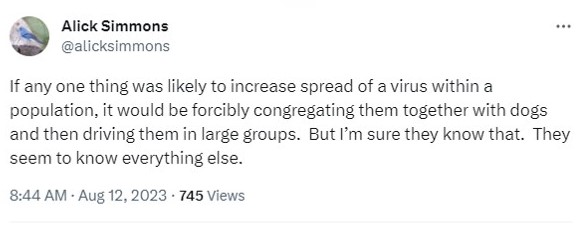
A former UK Government Deputy Chief Veterinary Officer, Alick Simmons, had this to say about it on Twitter this morning:

Green Peer Natalie Bennet is right – DEFRA should be calling an immediate halt to driven grouse shooting and undertaking an assessment of the risk.

And not just DEFRA – given the extent of driven grouse moors in Scotland, NatureScot should be doing the same. They were asked to do last year but refused, saying: “There have been no recorded cases of avian influenza in any grouse species“. Well there has now, and on a Scottish moor!

Let’s ask them what they policy is now. Please send (polite) emails to:

defra.helpline@defra.gov.uk

and

enquiries@nature.scot

“It’s clearer than ever that grouse shooting is a problem that must be tackled” – guest blog by Max Wiszniewski

This is a guest blog by Max Wiszniewski, Campaign Manager for REVIVE, the coalition for grouse moor reform.

As another shooting season of Scotland’s most contentious and controversial blood sport begins it’s clearer than ever that grouse shooting is a problem that must be tackled. This will be a key test for the Scottish Government. Not just in how it plans to make the country more biodiverse and better for our wildlife but this will signal how serious it is with its ambitions for land reform, something the SNP and Green Party memberships support passionately.

In the leadup to this moment hundreds of thousands of foxes, stoats, weasels, crows and so-called non-target species like hedgehogs have died so that more grouse can be shot by a few people for sport.

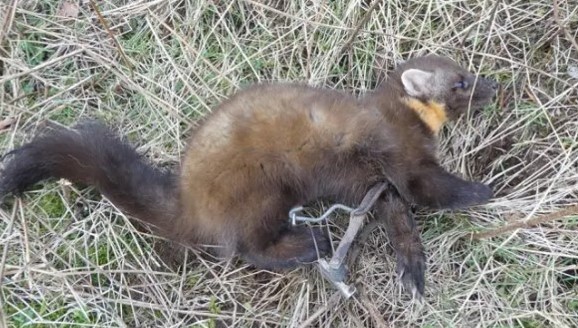
Pine Marten caught in illegally-set trap on a Highlands grouse shooting estate. Photo: Andy Ross

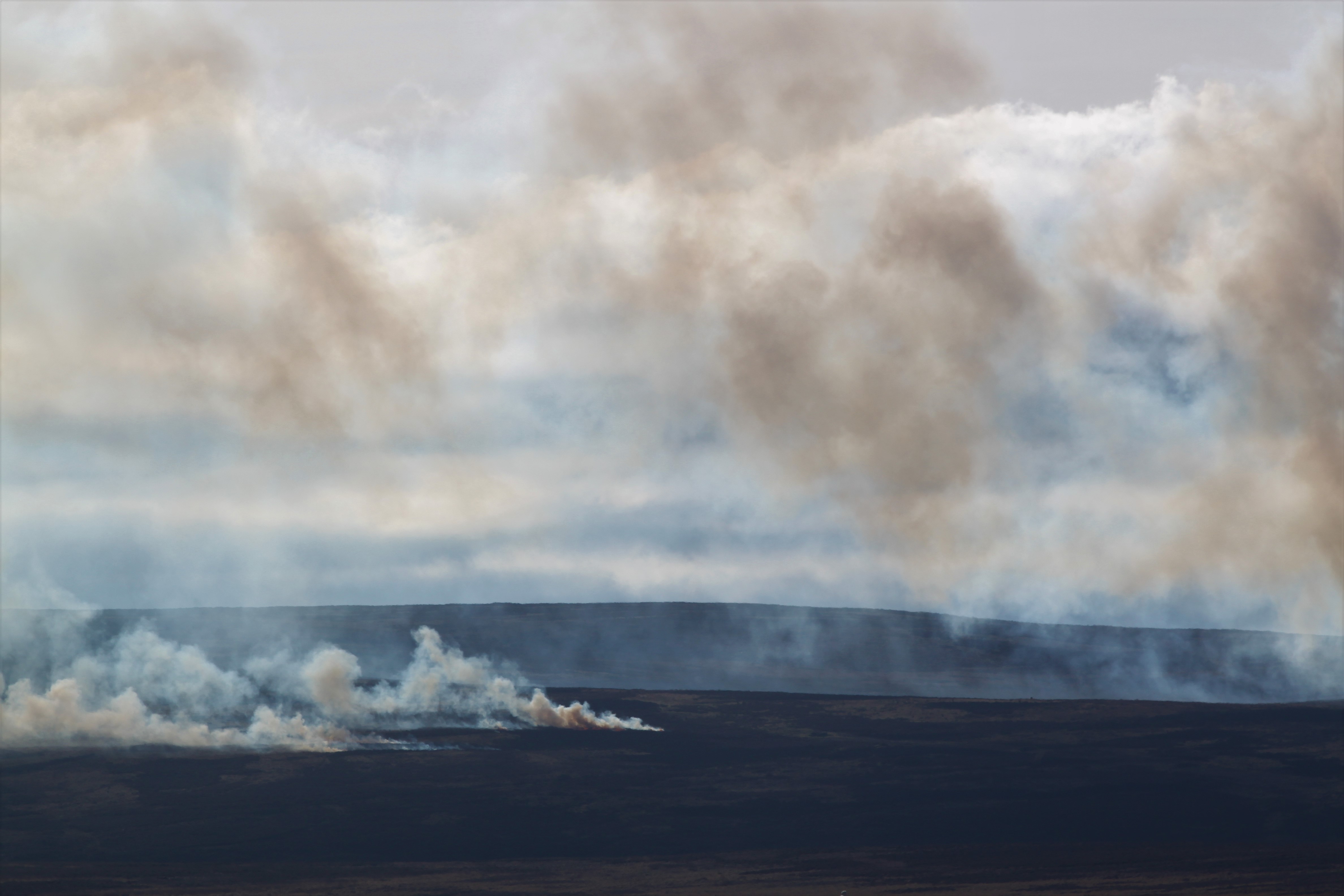
Much of our land has been burnt (muirburn), threatening our vital peat reserves, to make the land more suitable for grouse and another year has gone by where vast areas of moorland have been denied their chance to become more biodiverse because of grouse moor monocultures.

Muirburn. Photo: Ruth Tingay

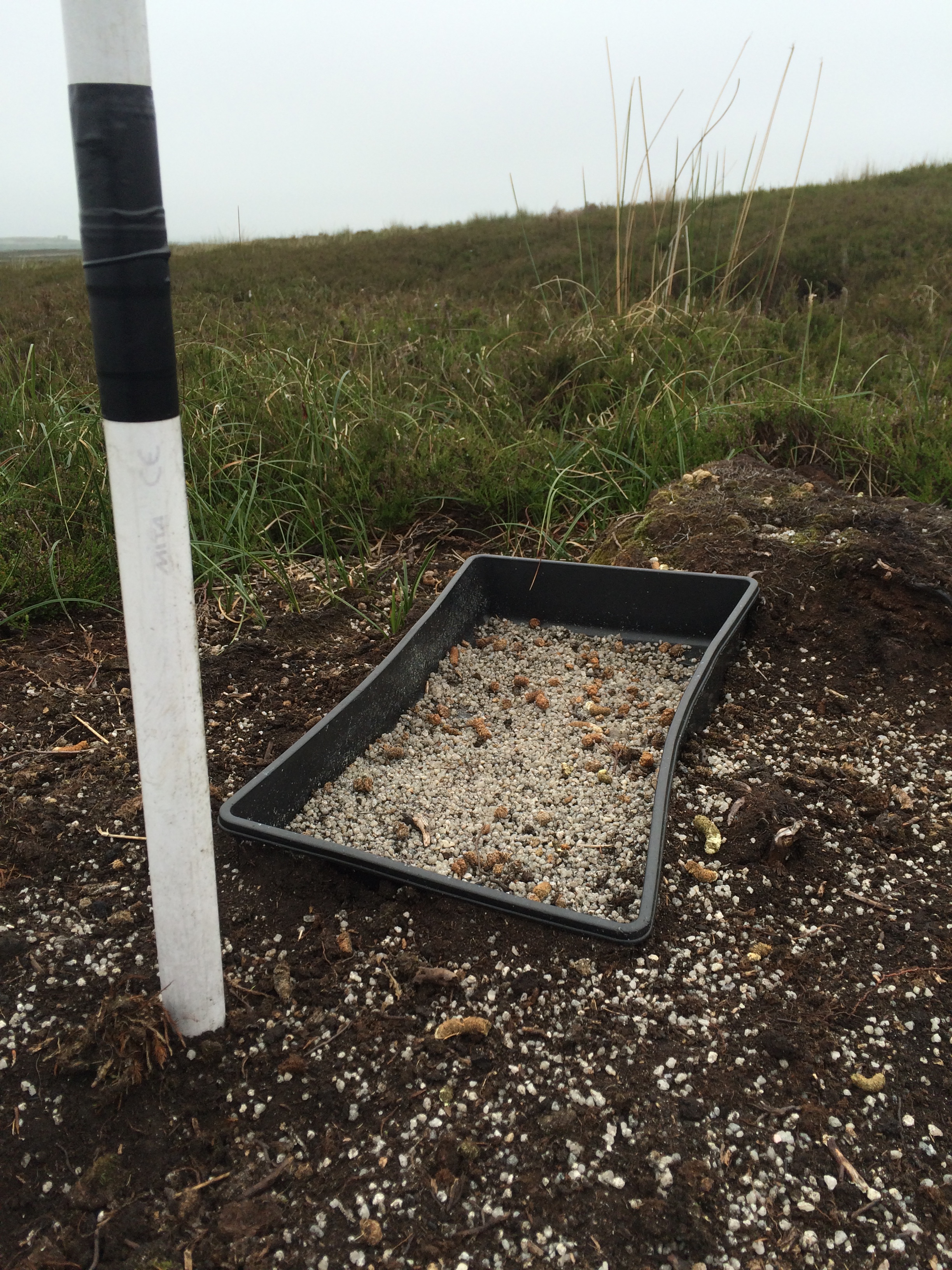
Meanwhile, tens if not hundreds of thousands of grit stations, many filled with high strength toxic medication, litter the countryside to keep grouse numbers artificially high while lead shot is contaminating more of our uplands.

Since when did Scotland the Brave abandon reason for madness?

Grouse moor grit station. Photo: Ruth Tingay

Driven grouse shooting became popular with elites during the Victorian era with the advent of the breech loaded shotgun and as railways increased access to landowners’ estates. But since the 1990s onwards, growingly popular techniques like filling medicated grit stations with Flubendazole, saw an immense increase in intensive grouse moor management. There’s a financial motivation for this. It’s estimated that for every ‘brace’ of grouse shot, £5,000 is added to the valuation of an estate.

The industry’s circle of destruction exists because the pressure to maximise grouse numbers is at the heart of the problems we see today. It was in the 1990s of course that Scotland’s first, First Minister Donald Dewar called the killing of our birds of prey a “national disgrace“. Grouse moor management’s association with raptor persecution is very well known and Scotland now looks like it’s (finally) going to do something about it.

Scotland’s Parliament is working on the Wildlife Management and Muirburn (Scotland) Bill which would require grouse moors to apply for a licence. If it was deemed that (illegal) wildlife persecution likely took place on a particular grouse moor, or if there was a pattern of bad behaviour, that licence could be revoked.

Also up for reform in this Bill is wildlife trapping legislation and muirburn licencing but if these serious issues are to be tackled properly then the Government needs to go further – in spite of pressure from shooting estate lobbyists, who quite frankly want to block all necessary reform.

For instance, it’s a good thing that traps on grouse moors and beyond are to require a licence to operate. But what are the reasons a land manager should be able to obtain a licence to use killing traps? Is increasing grouse numbers for sport shooting a good reason to get one?

REVIVE supports the licencing of muirburn, as the Government has proposed, to regulate it in order to protect (some) of our essential peatland. (Peat is essential of course because of the immense amount of carbon it can store in a good state while muirburn has helped to keep it in a dry and degraded state for decades.) But should a licence to burn be given for a purpose as cruel and frivolous as increasing grouse numbers for sport killing?

The SNP and Green Party see themselves as parties of land reform – it’s part of their DNA.

Grouse shooting is a metaphor for land reform issues in Scotland: huge swathes of the country, managed poorly for the benefit of very few people at the expense of our wildlife, the environment, greater biodiversity and better opportunities for our people. REVIVE genuinely believes that there is will from those in Government to change Scotland’s status as the nation with the most inequitable land ownership in the western world. Just 432 families own about half of Scotland.

The Scottish Government can and should be bold and brave in the face of large landowning lobbyists. Despite their protestations, Scotland (including rural Scotland) doesn’t support grouse shooting for sport.

If the Government and the Scottish Parliament are serious about land reform then they should start with grouse moors and signal to their members, to rural Scotland and to the nation as a whole, that they can change the face of Scotland for the better.

ENDS

Extinction Rebellion to protest against grouse shooters flying into Dundee Airport tomorrow

Extinction Rebellion is planning a protest at Dundee Airport tomorrow on the opening of the grouse-shooting season.

They held a similar protest last year (here) timed to coincide with the arrival of grouse shooters on private jets, all heading for the grouse moors of the Angus Glens.

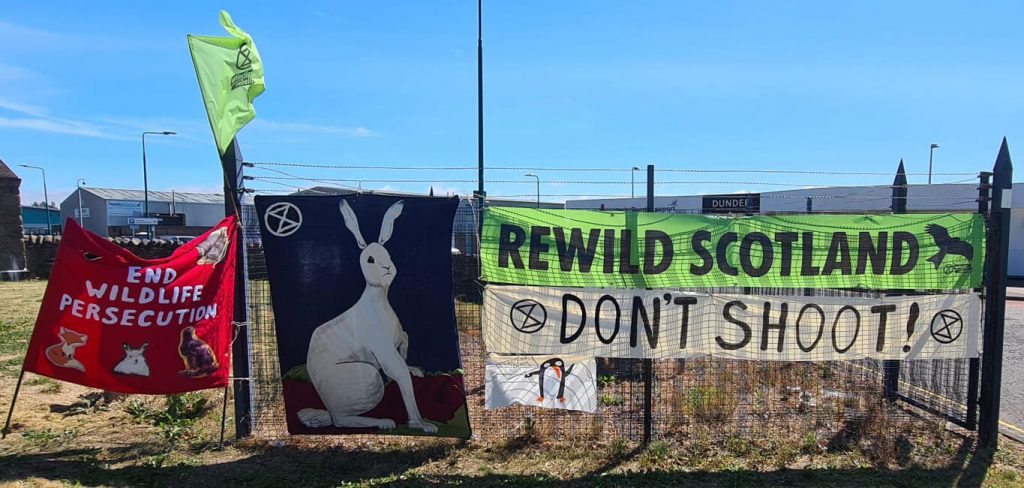
Extinction Rebellion at Dundee Airport, August 2022. Photo: Extinction Rebellion

Extinction Rebellion has written the following ahead of tomorrow’s protest:

The 12th of August is the start of the grouse-shooting season. Dundee airport is used for private and chartered flights –major concerns given aviation’s contribution to the current climate disaster. Both are also disproportionately damaging and need to end.

Grouse-shooting
15% of Scottish land is used for grouse-shooting. Breeding grouse only for them to be shot, notionally for sport (or fun?!) has huge environmental costs. Grouse moor management results in the culling of hares and deer. It also involves the legally sanctioned killing of predators such as foxes, weasels, stoats and crows, as well as the illegal persecution of birds of prey. Hen harriers, red kites, golden eagles and peregrines mysteriously cannot survive in the vicinity of grouse moors, or, strangely, go missing.
Burning peat and heather on grouse moors not only releases carbon into the atmosphere but also destroys the habitat of many birds and other creatures. Draining of moorlands and other land management practices greatly increase risks of flooding in lowland areas.

Private flights
While 80% of the world’s populations has never flown, they are the ones most likely to be affected by the current climate disaster. The United Kingdom is the biggest private jet polluter in Europe. A private plane is 14 times more polluting per passenger than a commercial plane and 50 times more polluting than a train. A single jet releases two tonnes of CO2 in an hour. The world average per person is 4.7 tonnes of CO2 annually.

Meet outside Dundee airport.
11am Saturday 12 August
Bring a sign, placard or something to make a noise with – all welcome
Dundee Airport, Riverside Dr, Dundee DD2 1UH
.

ENDS

So-called ‘truly objective’ report on driven grouse shooting authored by grouse shooter

A ‘new’ report was published this week, commissioned by the Regional Moorland Groups (an organisation with unclear funding sources that represents grouse moor gamekeepers) that makes all the usual claims about grouse shooting being sustainable and brilliant for the environment, biodiversity etc etc.

Unsurprisingly, it’s being touted around the internet by the grouse shooting organisations as part of their annual propaganda campaign as we approach the start of the grouse-shooting season on the Inglorious 12th August.

It’s not actually a new report at all, it’s a re-hash of a similar report that was published in 2021 written by the same author.

The latest version of the report has been described as being ‘truly objective’ in the accompanying press release. Not just objective then, but truly objective.

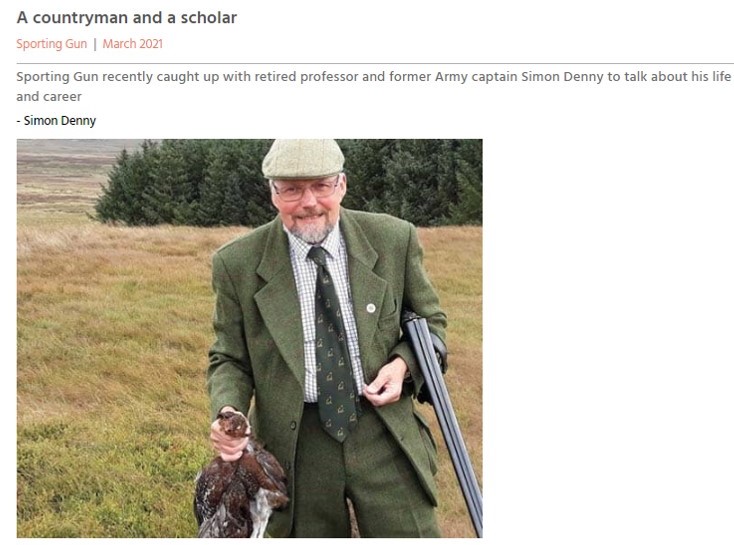
Here’s a photo of the truly objective author, Simon Denny, screen grabbed from an interview he gave to Sporting Gun in 2021:

I’ve had a brief glance through the ‘truly objective’ report and particularly at what’s been written about the illegal persecution of birds of prey on many driven grouse moors, mainly as a guide to whether the rest of the report is worth reading. It’s not.

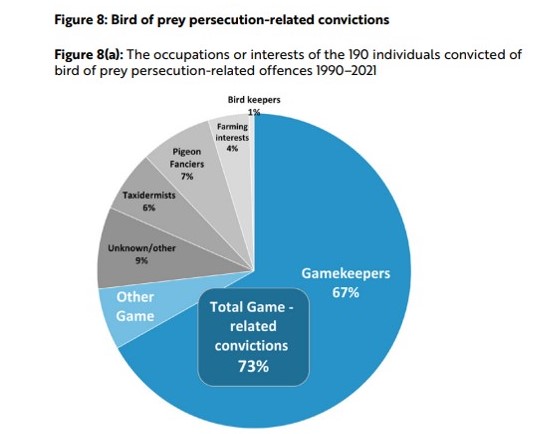
Denny does admit that some gamekeepers do kill birds of prey on grouse moors (well he could hardly deny it, could he?!) but he then tries to diminish the extent of these crimes by basing his (flawed) argument on the number of gamekeeper convictions, which are notoriously difficult to get, rather than on the massive pile of peer-reviewed scientific papers demonstrating the systematic killing of many raptor species on many driven grouse moors. ‘Truly objective’? I don’t think so.

Denny then argues that birds of prey are also killed by people other than gamekeepers, again presumably to try and deflect attention from the industry. I don’t think anybody would sensibly argue that it’s only gamekeepers that kill raptors in the UK – that’s patently untrue – but what Denny fails to address in his ‘truly objective’ report is the disproportionate number of gamekeepers convicted for raptor persecution offences in comparison to the rest of society. This helpful pie-chart from the RSPB’s latest Birdcrime report (2021) doesn’t appear to have made it into Denny’s ‘truly objective’ report:

I also note in the report that Denny refers to Wild Justice‘s legal challenge against Natural England’s General Licences as ‘vexatious’, which is interesting. The word ‘vexatious’ in a legal setting refers to litigation that is designed to cause problems for someone but with little chance of succeeding. Given that Wild Justice’s legal challenge against Natural England’s General Licences was wholly successful (in other words, Natural England’s lawyers accepted that the General Licences were indeed unlawful and consequently had to amend them), Denny’s description of Wild Justice’s lawful and successful challenge isn’t even accurate, let alone ‘truly objective’.

I won’t be wasting any more time on Denny’s drivel but for those of you who want a good laugh the report can be read here:

Unclear statement from United Utilities about not renewing grouse shooting leases

Last month, water company United Utilities (UU) announced at its AGM that it will not be renewing grouse shooting leases (or pheasant and partridge shooting leases) on its land once the current leases expire in 2027 (here).

This position was widely welcomed by the conservation community but the gamebird shooting organisations were furious, even making half-veiled threats in the national press (see here).

United Utilities stood firm against the backlash and published a statement to further explain its decision (here).

Grouse-shooting butt in Peak District National Park. Photo: Ruth Tingay

This week, United Utilities has published another statement but its earlier decision now seems less clear. Here’s the latest statement:

GAMEBIRD SHOOTING ON OUR LAND

At United Utilities we are committed to managing, and investing in, all of our assets to improve water quality and resilience for the benefit of the communities we serve.  These objectives alone underpin the land management policies we apply to the 56,000 hectares of land that we, as a company, own.

In July 2023, as part of an update to our land management policies, we identified 6,000 hectares that we will be restoring for nature and biodiversity.

On a further 12,000 hectares of land, we began to extend that work to improve catchment resilience including plans to not renew around 20 licenses for game bird shooting as they came to their end.

Since that announcement, we have received representations on behalf of the local rural communities about the potential social and economic impact this decision might have.

We take our responsibility seriously to engage fully with our community stakeholders. In response to these representations we will work with local communities affected and each licence holder to fully understand the impact of any proposal, to ensure we minimise the impact on livelihoods and maximise the opportunities available.

We will seek to identify how, in each case, we can best balance our commitment to improving water resilience whilst minimising the impact on individual communities and the environment.

We are aware there are many voices and points of view and we will listen to everyone involved.

ENDS

I’m not sure how to interpret that, to be honest.

Is it a clever ploy to placate the very angry shooting industry without actually having any intention of back-tracking on its earlier decision, or is it an indication that UU has buckled under the weight of online abuse and has opted for a quieter life by deciding to renew the shoot leases after all?

Or maybe it’s something else. Maybe UU has no intention of renewing any shooting leases but wants to explore other potential employment opportunities for those who may be out of a job if the shooting leases go.

Time will tell.