
Well this is interesting, and I’d say pretty embarrassing for BASC (British Association for Shooting & Conservation).
Cast your mind back to April 2023 when I blogged (here) about how BASC’s CEO Ian Bell had written to the lead author of a scientific paper that had just been published by Cambridge University researchers, that had found that 94% of pheasants on sale in the UK for human consumption were killed using toxic lead ammunition.
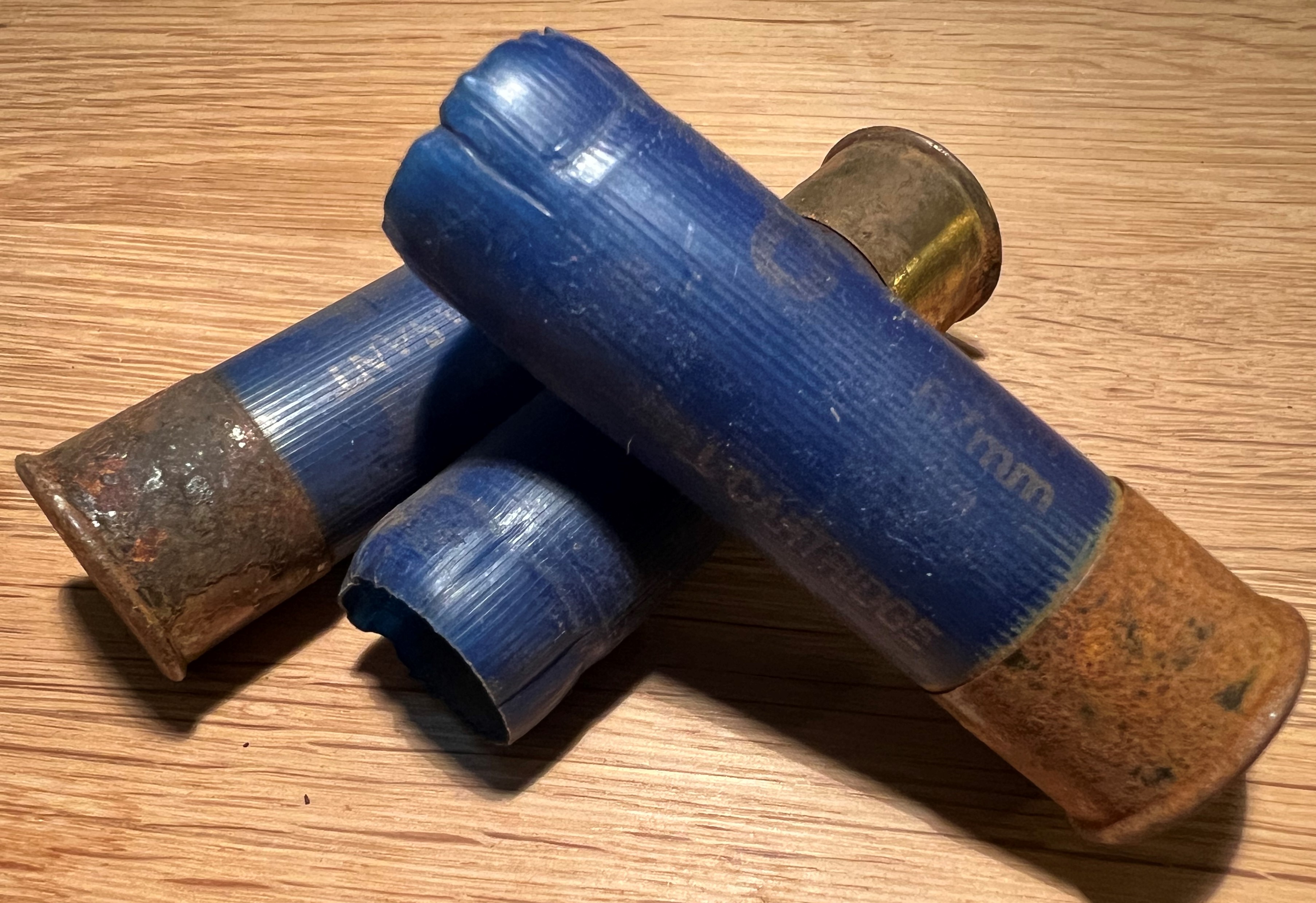
The paper in question was the third scientific paper published by the ‘SHOT-SWITCH‘ group, which was established in 2020 to monitor the shooting industry’s professed voluntary five-year transition from toxic lead to non-lead ammunition in the UK. The paper exposed the shooting industry’s appalling lack of progress on its much-heralded ‘voluntary transition’.
Mr Ian Bell wrote to Professor Rhys Green (Cambridge University) in March 2023 to express his “significant concerns” about the accuracy of the paper’s conclusions.
In addition, another BASC employee, Dr Conor O’Gorman, went further and wrote an unpleasant article published on BASC’s website where he slurred the SHOT-SWITCH research as “pseudoscience“.
You may recall that Professor Green wrote back to Ian Bell in April 2023 and responded, point by point, to BASC’s “significant concerns” and basically blew them all out of the water (no pun intended).
However, there’s since been a further response from Professor Green that’s been published on the SHOT-SWITCH project website (here). It turns out that after responding to Ian Bell, the SHOT-SWITCH team came across some additional research that they hadn’t included in their scientific paper because they’d previously been unaware of its existence.
Guess what that additional research was?
It was a study of what happens when you fire lead shot and steel shot into ballistic gel. The properties of ballistic gel mimic those of game tissue. This study was done by ballistics experts at Cranfield University and it showed that there was no difference between lead and steel in the extent to which they penetrate the gel, even when the gel block was covered by a pheasant skin to assess the effect of feathers/skin in reducing the depth of penetration.
This finding runs counter to the assertion by Ian Bell in his letter to Professor Green about his “significant concerns” that knowledgeable experts thought that steel shot were more likely to pass through pheasants than lead shot, which (he thought) would make the SHOT-SWITCH results wrong.
And guess who commissioned the Cranfield University study?
Yep, it was BASC.
And guess when that BASC-funded study was completed?
3rd August 2021.
That’s 20 months BEFORE Ian Bell wrote to Professor Green in March 2023, contesting the findings of the SHOT-SWITCH study.
Was Ian Bell ignorant of the findings of the BASC-funded study when he wrote to criticise the findings of the SHOT-SWITCH study? That would seem unlikely, given he’s the BASC CEO who presumably knows what studies BASC has commissioned/funded. Had he simply forgotten about the findings of the study that BASC funded? Or, was he well aware of the findings but just hopeful that the results would never see the light of day? Who knows. It may have been a genuine oversight but surely one of his team has since explained the BASC-funded findings to him, and how they actually support the findings of the SHOT-SWITCH study, and that BASC now owes the SHOT-SWITCH team an apology for slurring their work as “pseudoscience“?
You can read the latest response from the SHOT-SWITCH researchers to Ian Bell’s “significant concerns“, which provides more detail about how this recently-uncovered, BASC-funded research, further demonstrates that BASC’s criticisms are unfounded, and that’s being kind (see pages 3-5 below).
Many thanks to the blog reader who pointed out this latest update to me.
 Raptor Persecution UK
Or as the Sun would put it…Ding dong, Bell drops a clanger!
Other campanology related puns remain avaible…..
Excellent.
i can’t understand why lead has not been banned years ago as non toxic shot has been available for some time,
https://basc.org.uk/steel—more-than-a-glance—innis-finlay/
They’re [the shooters] aren’t very bright, are they? Must be all the lead shot they eat
The British Association for Scientific Cover-ups?
Bad Ammunition Supporters Club, previously the ‘Bad Apple Supporters Club’ !!
One way and another BASC has thoroughly embarrassed itself in its attempted challenge of the SHOT-SWITCH article.
It is clear that the voluntary approach to switching away from lead shot is failing abjectly. Given the environmental and public health concerns regarding lead ammunition (which are acknowledged by shooting representatives by their decision to launch a voluntary phase out) it is time to shelve the voluntary approach and move forward with legislation. There is no chance the present government will legislate on this so it is vital that the next one does.
I wonder how much other evidence the shooting industry conveniently forgets when it lobby’s politicians or markets itself as vital to conservation of the nations wildlife and nature?
I was up on a grouse moor this week in a pause between shoot days and I was struck just how quiet it was – there was what could only be described as a deathly silence. Which made me wonder- had all the shooting activity over previous days, with beaters tramping across normal untrodden territory, the constant banging of guns, and the probing by the pickers up and their dogs driven much of the other wildlife (other than the grouse) off the moor?
I think it is probably accepted that wildlife distances itself as far as it can from humans and human activity.
I suspect over the course of the shooting season many moors see high levels of human activity on every part of the moor.
So, what is the effect of the shooting season and all its associated activity with wildlife on the grouse moors?
Has a study ever been carried out on this?
If wildlife is driven off the moors during the shooting season, does it return?
If it does, does the cycle of being driven off the moor on an annual basis have a long term effect in suppressing wildlife and biodiversity from what it could have been, if it wasn’t forced to adopt a nomadic lifestyle during the shooting season?
Such a study might also be evidence the shooting industry might conveniently try and discourage or forget?
But it might also be valuable in helping grouse moor owners and managers decide on how to ensure meaningful wildlife conservation actually takes place and to leave large proportions of the moors completely free from human activity?
Perhaps such a study has already been done? And if so was this a completely independent study or was it conclusion driven ?
(Sorry a bit off topic from lead shot vs steel shot – but my question does touch upon the wider issue of credibility of claims made by the shooting industry)