Queen’s Balmoral Estate accused of mountain hare massacre

Following on from last weekend’s news of the mass slaughter of mountain hares on grouse moors in the Cairngorms National Park (see here and here), today sees an accusation that hares have also been massacred on Balmoral Estate, the Queen’s royal residence within the Park.

According to the article written by journalist Rob Edwards (here), two culls involving three estates were witnessed towards the end of February, one of which was said to have killed 500 hares.

The Royal household has apparently not responded to requests to comment, but others have. The article has several quotes from interested parties including one from Bill Lobban, vice-convenor of Highland Council who said:

People who visit our national parks do so for many different reasons but I would suggest that few, if any, do so to witness slaughter on the scale that has been evidenced recently“.

Indeed.

News of recent mountain hare massacres are undoubtedly a PR disaster for the grouse-shooting industry. It’s very, very hard to defend and justify this level of slaughter (some of us say it’s wholly indefensible and unjustifiable) but bless them, the landowners’ lobby group Scottish Land & Estates is trying it’s best to explain. There’s an hilariously desperate blog on their Gift of Grouse website (here) which claims hare slaughtering is done in ‘accordance with best practice’ (eh?!) and is ‘informed and balanced’ (yes, really). It’s also claimed that hare populations are ‘assessed’ prior to the cull, although so far we haven’t seen any population figures either pre or post-slaughter, we’re just expected to take their word that these massacres are sustainable. Strange, isn’t it, that SNH and other scientific bodies have for years acknowledged the difficulties of accurately assessing mountain hare population densities, and yet these Gift of Grouse gamekeepers claim to have it sussed.

Here’s one for you anagram fans: Gift of Grouse = To fog figures.

Talking of PR disasters, this week was Scottish Tourism Week and was promoted on Twitter using the hashtag #STW2016. Many businesses within the tourism sector have been tweeting about what they have to offer to visiting tourists so we and some friends thought we’d join in and show visitors some images of dead wildlife, such as heaps of shot hares and some poisoned red kites, peregrines, buzzards and eagles. It was pretty effective. Lots of people who were previously oblivious to what goes on behind the scenes on some Scottish sporting estates were re-tweeting these photographs and expressing their outrage.

eagle

This didn’t go unnoticed by the game-shooting industry and the Head of Shooting at the Countryside Alliance accused us of being ‘bigots’ (eh?) and the CEO of Scottish Land & Estates accused us of being ‘distasteful’ (no Doug, what’s distasteful is what some of your member estates do to our wildlife). Amusingly, a Police Chief Superintendent re-tweeted one of our photos of a poisoned golden eagle. We asked the Countryside Alliance bloke and SLE’s CEO if they were going to accuse the Police Chief Super of being a ‘distasteful bigot’. The response? Silence from the Countryside Alliance and SLE’s CEO blocked us!

Increase in raptor persecution crimes in 2015

The Partnership for Action against Wildlife Crime (PAW Scotland) has just published the ‘official’ 2015 raptor persecution data, including their annual persecution hotspot maps.

The PAW Scotland press release can be read here and the hotspot maps can be accessed here.

20 crimes against birds of prey were recorded in 2015, which is an increase on the 18 recorded in 2014. The 2015 crimes included six poisoning incidents, five shootings, five disturbance incidents, three trapping or attempted trapping offences and one case of chick theft. The victims included red kite, peregrine, buzzard, goshawk, osprey and hen harrier. Surprisingly, golden eagle isn’t included in the list. We’ll discuss that below.

Having read the press release and looked at the hotspot maps, four things jumped out at us.

First is the increase in recorded raptor persecution incidents in 2015. It’s only a slight increase, from 18 to 20 recorded crimes, but nevertheless it is still an increase. This is important to note, especially in light of a recent statement made by Tim (Kim) Baynes of the Scottish Moorland Group (funded by the landowners’ lobby group Scottish Land & Estates). In December 2015, in response to the publication of the RSPB’s 20-year raptor persecution review, Kim said this:

Bird of prey deaths……have fallen dramatically over the last five years in particular“.

At the time, Kim didn’t back up this claim with any evidence and as the 2015 data have now been published, it’s clear why he didn’t. Basically, the evidence wasn’t there. As Head of RSPB Scotland’s Investigation team Ian Thomson says in the latest PAW Scotland press release:

These latest figures make it readily apparent that claims of a decline in the illegal killing of raptors are wholly without foundation“.

This time, Kim isn’t claiming that there has been a decline but he still tries to diminish the problem by saying “annual variations [in the number of reported persecution crimes] are now very small“. Another way of putting it, Kim, would be to say that no progress has been made!

The second thing to jump out at us is perhaps the most concerning of all, and that’s the withholding of data relating to a quarter of the recorded 2015 crimes. If you read the PAW Scotland press release, you’ll notice the following caveat written in the ‘Notes to Editors’ section:

Further details of 5 of the 20 bird of prey crimes recorded in 2015 are currently withheld for police operational reasons. It has therefore not been possible to include the locations of these incidents on the hotspot maps‘.

So here’s one of the maps purporting to show all types of raptor persecution crimes recorded over a three-year period in Scotland (2013-2015). Only it doesn’t show them all, as 25% are missing. Not only are 25% missing, but also missing are details of poisoned baits (no victims present) that were recorded during this period – for some reason they’ve been placed on a separate map. So when you look at this map, ignore the misleading title. It isn’t a map of ‘All Recorded Bird of Prey Crimes Scotland – 2013-2015’, it’s a map of SOME Recorded Bird of Prey Crimes 2013-2015, just the ones we’re allowed to know about.

ALL Raptor crimes 2013 to 2015

The purpose of publishing these annual hotspot maps and their associated data is, according to the PAW Scotland website, ‘to allow all the partner organisations to enter into meaningful discussions and work together to eradicate bad or illegal practices in Scotland‘. Presumably, because the maps and data are also placed in the public domain, the purpose is also to increase transparency and thus public confidence. What is the point of publishing a proportion of the data and withholding the rest? It just makes a mockery of the whole process. Why bother publishing at all?

The caveat in the ‘Notes to Editors’ section goes on to say:

The [withheld] incidents are, however, included in the figures provided in the summary tables accompanying the maps. The maps and background data will be updated, where possible, in future publications‘.

Sounds promising, but when you actually look at the summary tables you find large sections still marked as ‘withheld’:

Confirmed poisonings 2015

ALL raptor crimes 2015

These ‘withheld’ incidents, shrouded in secrecy, make it virtually impossible to cross reference known reported persecution crimes with those being touted as the ‘officially recorded’ crimes, which closes off any opportunity to scrutinise these ‘official’ data to ensure that incidents have not been ‘missed’ or ‘forgotten’ (we’re being kind). In other words, we are expected to accept and trust the ‘official’ data from Police Scotland as being accurate. Sorry, but having seen Police Scotland’s shambolic handling of some wildlife crime incidents we have limited confidence in their ability, either intentionally or unintentionally, to get this right.

This leads us nicely on to the third thing to jump out at us. As mentioned above, we were surprised not to see golden eagle listed as one of the 2015 victims. According to our sources, a traditional golden eagle eyrie was burnt out in 2015 – we blogged about it here. Why wasn’t this incident included in the 2015 PAW data? Or was it included and it was categorised in the ‘withheld’ category? Who knows. Do you see what we mean about the difficulty of cross-referencing known incidents?

The fourth thing to jump out was an entry in Table 5c (see above). The second line down tells us that a red kite was poisoned in Tayside in January 2015. That’s news to us. Does anybody remember seeing anything in the media about this crime? Any appeal for information? Any warning to the public that deadly poison was being used in the area? No, thought not.

The reticence of the police to publicise some of these crimes is deeply concerning, and especially when that suppression extends to details of crimes in ‘official’ reports that are supposed to demonstrate openness and transparency. Ask yourselves, in whose interest is it to keep these crimes under wraps?

Ross-shire Massacre: two years on

nothingSo, it’s been two years since 22 dead birds of prey were discovered in a small area around Conon Bridge in the Highlands. It was one of the most significant illegal raptor persecution crimes ever uncovered in the UK.

Are we any closer to finding the culprit(s)? Of course not. Here’s what we do know:

  1. 22 dead raptors (16 red kites + 6 buzzards) were found in the same small area over a period of weeks in March/April 2014.
  2. Sixteen of those raptors were later confirmed poisoned: 12 red kites + 4 buzzards.
  3. No cause of death has been given for the other six victims.
  4. The poison used was a banned substance.
  5. Nobody has been arrested.
  6. Nobody has been charged.
  7. Nobody has been convicted.

According to a ridiculous Police Scotland press statement, these birds “were most likely not targeted deliberately but instead were the victims of pest control measures“. Quite how they’d know this without having spoken to a known culprit is anybody’s guess (see here) and until they do, that’s all their conclusion can be, a guess.

The police are still withholding the name of the poison used – we’re told this is ‘for operational purposes’. We’re also told that this is still ‘a live investigation’.

What it actually is is a shambles and it has been from the start.

The first six dead birds were discovered between 18-24 March 2014 and poisoning was immediately suspected. The police put out a press statement on 25th March (here) but at that stage they hadn’t conducted a proper search, so by telling the world about this suspected crime they gave the culprit(s) every opportunity to hide any remaining evidence. A thorough police search didn’t take place until 9th April (see here) – three weeks after the discovery of the first dead birds. Unsurprisingly, no evidence to link the crime to a suspect was found.

Two years on and we’re no closer to seeing justice prevail. It’s just another unsolved raptor-killing crime amongst hundreds of others.

Previous blogs on the Ross-shire Massacre here

Crown Office drops prosecution against Glenogil Estate gamekeeper

Snared fox dead alt, Glenogil Estate, Credit OneKindRegular blog readers will know we’ve been following the case of Scottish gamekeeper William Curr, who had been charged last year with alleged snaring offences on Glenogil Estate in the Angus Glens, said to have occurred in September 2014 (see here, here, here and here).
The charges related to allegations that several snares had not been checked (as they are required to be) within a 24-hour period of being set, after a field officer from the charity OneKind had discovered a dead snared deer, a dead snared fox and another snared fox that was still alive but had to be euthanised at the scene due to the extent of its horrific injuries (see OneKind photo).

For a harrowing description of what was found on Glenogil Estate, including a confrontation with the Head Gamekeeper, read this blog on the OneKind website.

Curr’s trial was due to start on 9th May but last week (10 March) the Crown Office informed the court that it was not going to proceed. OneKind has not yet been able to ascertain the reason for this decision, and in fact may never find out because the Crown Office is under no obligation to explain.

Accountability and transparency, anybody?

To quote from the OneKind blog:

OneKind is mystified by the dropping of this case, given the eye witness evidence, the horrific video footage and the detailed follow-up investigation carried out by the Scottish SPCA. This was a shocking incident where at least six people, including gamekeepers, witnessed the terror and pain of a live fox as the wire noose of a snare sliced into its abdomen. Had our research officer not been on the estate on that particular day, who knows how much longer the fox would have continued to suffer?

To put this dreadful story in the wider context: snares are still legal in Scotland and the rest of the UK. It is simply intolerable that the suffering this fox endured should be considered legally acceptable. The video footage is utterly harrowing and illustrates an animal which is clearly distressed, both physically and mentally. OneKind has long called for an outright ban on all snares and sadly we feel these calls have been justified by this case.

OneKind will seek an explanation for the failure of the Scottish justice system to bring this animal welfare case to court“.

The reason we’ve been so interested in this case is because the alleged offences occurred on the Glenogil Estate, one of several grouse shooting estates in the Angus Glens where wildlife crime incidents keep cropping up but have never resulted in a successful prosecution. For example, here are some incidents reported from in and around Glenogil over the last ten years:

2006 March: poisoned rabbit bait (Carbofuran). Listed as ‘Glenogil’ in RSPB annual report. No prosecution.

2006 April: poisoned buzzard (Alphachloralose). Listed as ‘Glenogil’ in RSPB annual report. No prosecution.

2006 April: poisoned tawny owl (Alphachloralose). Listed as ‘Glenogil’ in RSPB annual report. No prosecution.

2006 May: poisoned rabbit bait (Carbofuran). Listed as ‘Glenogil’ in RSPB annual report. No prosecution.

2006 June: poisoned woodpigeon bait (Carbofuran). Listed as ‘Glenogil’ in RSPB annual report. No prosecution.

2006 June: Traces of Carbofuran found in estate vehicles & on equipment during police search. Not listed in 2006 RSPB annual report but reported here. (Now former) estate owner John Dodd had £107k withdrawn from his farm subsidy payments as a result. This was being appealed but it is not known how this was resolved. Also a write up in RSPB 2007 annual report. No prosecution.

2007 November, Glenogil Estate: Disappearance of radio-tagged white-tailed eagle ‘Bird N’ coincides with tip off to police that bird been shot. No further transmissions or sightings of the bird. Not listed in RSPB annual report but reported here. No prosecution.

2008 May: poisoned white-tailed eagle ‘White G’ (Carbofuran, Isophenfos, Bendiocarb). Listed as ‘Nr Noranside’ in RSPB annual report. No prosecution.

2008 May: poisoned buzzard (Bendiocarb). Listed as ‘Nr Noranside’ in RSPB annual report. No prosecution.

2008 May: poisoned mountain hare bait (Carbofuran, Isophenfos, Bendiocarb). Listed as ‘Nr Noranside’ in RSPB annual report. No prosecution.

2008 May: 32 x poisoned meat baits on fenceposts (Carbofuran, Isophenfos, Bendiocarb). Listed as ‘Nr Noranside’ in RSPB annual report. No prosecution.

2008 October: poisoned meat bait on fencepost (Carbofuran). Listed as ‘Nr Noranside’ in RSPB annual report. No prosecution.

2009 March: poisoned buzzard (Carbofuran). Listed as ‘Glenogil’ in RSPB annual report. No prosecution.

2009 March: poisoned buzzard (Carbofuran). Listed as ‘Glenogil’ in RSPB annual report. No prosecution.

2009 August: poisoned white-tailed eagle “89” (Carbofuran). Listed as ‘Glenogil’ in RSPB annual report. No prosecution.

2010 May: poisoned red kite (Carbofuran). Listed as ‘Nr Noranside’ in RSPB annual report. No prosecution.

2010 September: poisoned buzzard (Chloralose). Listed as ‘Glenogil’ in RSPB annual report. No prosecution.

2010 October: poisoned buzzard (Carbofuran). Listed as ‘Glenogil’ in RSPB annual report. No prosecution.

2010 October: poisoned pigeon bait (Carbofuran). Listed as ‘Glenogil’ in RSPB annual report. No prosecution.

2010 October: poisoned pigeon bait (Carbofuran). Listed as ‘Glenogil’ in RSPB annual report. No prosecution.

2012 April: Remains of buzzard found beside pheasant pen. Listed as ‘Nr Noranside’ in RSPB annual report. No prosecution.

2014 June: shot buzzard. Listed as ‘Glenogil’ in RSPB annual report. No prosecution.

Lush Skydancer bathbombs raise over £100K for hen harrier conservation

Henry LUSHIn August last year, Lush, the high street cosmetics store, started selling hen harrier-shaped bathbombs as part of their awareness and fundraising campaign to highlight the illegal persecution of hen harriers on driven grouse moors.
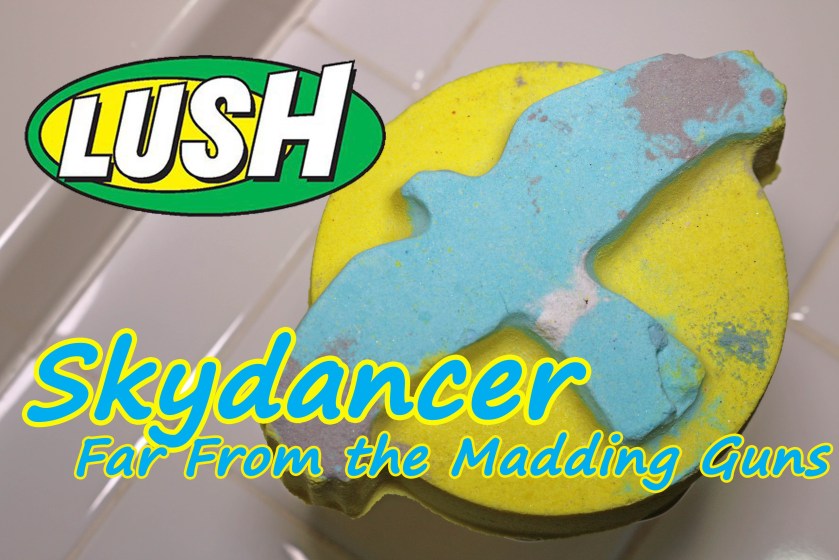
Lush is donating all the profits from the sale of these Skydancer bathbombs to the RSPB’s Hen Harrier LIFE+ Project, with the money specifically being used to buy satellite tags to fit on young hen harriers so their movements can be followed when/if they manage to fledge successfully.

A press release published this morning (here) tells us that so far over 30,000 bathbombs have been sold, raising £101,472 so far. That’s amazing!

Lush’s campaign will continue until August this year so there’s still plenty of time to go and buy a Skydancer bathbomb or two or three from your nearest Lush shop or online via their website.

Well done, Lush, for not only raising a huge amount of funds for such a vital project but also for bringing this campaign to the high street, which is exactly where it needs to be.

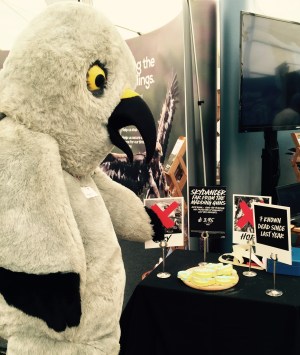
Above photo shows Henry Hen Harrier checking out the Skydancer bathbombs on the RSPB’s stand at last summer’s Birdfair.

There’s a guest blog on the RSPB website today written by Paul Morton from Lush Campaigns – see here.

lush skydancer

Vicarious liability prosecution: Andrew Duncan (Newlands Estate) part 4

Criminal proceedings continued last week against Andrew Walter Bryce Duncan, who is alleged to be vicariously liable for the crimes committed by gamekeeper William (Billy) Dick in April 2014.

Gamekeeper Dick was convicted in August 2015 of killing a buzzard on the Newlands Estate, Dumfriesshire by striking it with rocks and repeatedly stamping on it (see here). Dick was sentenced in September 2015 and was given a £2000 fine (see here), although he is appealing his conviction.

Proceedings against Andrew Duncan, 71, who is believed to be responsible for the pheasant shoot on Newlands Estate, began in August 2015 and a provisional trial date was set for 23rd November 2015 (see here). However, at an intermediate diet hearing in October, the November trial date was dumped and a notional diet hearing (where a trial date may be set) was set for 18th January 2016 (see here). At the January hearing, proceedings were adjourned again for another notional diet and a debate to take place on 11th March 2016.

At last week’s hearing the case was continued again, pending the result of William (Billy) Dick’s appeal.

The next installment of Andrew Duncan’s case will be heard on 4th April 2016.

Vicarious liability in relation to the persecution of raptors in Scotland (where one person may potentially be legally responsible for the criminal actions of another person working under their supervision) came in to force four years ago on 1st January 2012. To date there have been two successful convictions: one in December 2014 (see here) and one in December 2015 (see here).  One further case did not reach the prosecution stage due, we believe, to the difficulties associated with identifying the management structure on the estate where the crimes were committed (see here).

Previous blogs on the Andrew Duncan case here, here and here.

Cairngorms National Park Authority responds to mountain hare slaughter

Following yesterday’s blog about the recent massacre of mountain hares on grouse moors within the Cairngorms National Park (see here), and the subsequent outpouring of public anger on social media, the Cairngorms National Park Authority (CNPA) has published a statement on its website (here). We’ve reproduced it below:

Our [CNPA’s] statement in response to the mountain hare cull which was reported in the media at the weekend.

Hamish Trench, Director of Conservation and Visitor Experience said  “CNPA has previously set out concerns about the balance of moorland species and habitat management and the need for better data on mountain hare populations is part of this. Observation suggests there is a good population of mountain hares in the Cairngorms and the managed moorlands provide a good habitat for them. We back the current research project which is working with estates in the National Park to establish better counts.

In this case we understand the hare cull was part of a planned annual management cull. We recognise the public concern about the scale of culls and this emphasises the need for good information on populations and restraint in line with SNH’s advice in the meantime. In particular we expect moorland managers to ensure any culls do not threaten the conservation status of mountain hares.

END

Hares_Lecht_25Feb2016 (2) - Copy

It’s really a non-statement. They had to say something, as a lot of people have been asking questions about how such a wildlife massacre can be allowed to take place inside the National Park. We thought the CNPA would come out strongly and condemn it, especially as we know they’ve previously expressed concern about how some elements of driven grouse moor management (i.e. the illegal persecution of raptors) “threatens to undermine the reputation of the National Park as a high quality wildlife tourism destination” (see here). Indeed, some people on Twitter have been saying they won’t visit the CNP while this level of wildlife killing continues.

However, far from condemning the latest mountain hare massacre, the CNPA’s statement almost suggests that this level of killing is acceptable because it was “part of a planned annual management cull“. Eh? Planned by whom? And is the use of the words ‘planned‘ and ‘management‘ supposed to imply that this wasn’t just a gang of gamekeepers off on another unregulated killing-spree but rather was a carefully-thought out cull, with mountain hare population figures rigorously and accurately assessed to ensure the cull was sustainable? If so, where are those figures, who collected them, and can we all see them, please?

Take out the words ‘planned’ and ‘management’ and you get: “The hare cull was part of an annual cull“.

The CNPA says: “We expect moorland managers to ensure any culls do not threaten the conservation status of mountain hares“. Really? Why would anyone expect moorland managers to voluntarily act in this way? This is an industry well-known for not adhering to some statutory wildlife and environmental legislation, let alone voluntary adherence to requests, as we’ve discussed before (here). How can the CNPA be so naive? Or is it just easier to put out a bland statement that really says nothing of any use than it is to properly investigate the circumstances of these mountain hare massacres?

It’s not very impressive. In fact it’s as unimpressive as SNH’s view, as reported in Rob Edwards’ piece in the Herald (here):

SNH agreed that it was difficult to judge whether the cull was excessive or not. It was aiming to improve its population estimates of mountain hares by 2017, and reiterated its call for “restraint on large-scale culls of mountain hares“‘.

In other words, SNH doesn’t have a clue about how sustainable this cull was, has no intention of trying to find out, is asking (not telling) the landowners to show some restraint, but don’t worry folks because there’ll be a better way of assessing mountain hare numbers by 2017. So until then lads, fill your boots.

Of course, these large-scale mountain hare killing-sprees should now have ended (temporarily) as we’ve entered the closed season which is supposed to prevent the lawful killing of mountain hares during certain periods of the year (1st March – 31st July). Whether the closed season will be adhered to is another matter – who is monitoring this? The same organisations monitoring the ‘sustainability’ of mountain hare massacres (i.e. nobody)?

If you’re as unimpressed with the CNPA’s reaction as we are, you might want to send an email to Hamish Trench, Conservation Director of the CNPA, to tell him what you think: hamishtrench@cairngorms.co.uk

You might also want to have your say on the future of National Parks, as suggested by Mark Avery last week (here). If the CNPA and SNH aren’t going to speak out against mountain hare massacres, you can!

More mountain hares massacred in Cairngorms National Park

Recently we published some photographs of a load of dead mountain hares with some people lined up behind the corpses, grinning at what they’d done (see here).

These photographs caused quite a reaction, both from the general public, who were appalled at such scenes, and from the grouse-shooting industry who generally said the photographs were old and large scale hare culling no longer took place.

They were lying, of course.

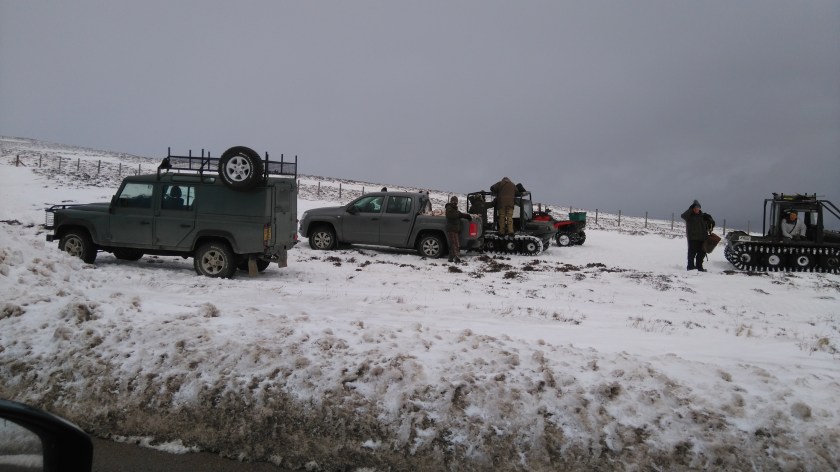
We were recently sent some photographs taken by someone who wishes to remain anonymous. The photographs were taken on 25th February 2016 in the Cairngorms National Park. On first glance, it looks like some blokes out with their vehicles in the snow:

Hares_Lecht_25Feb2016 - Copy

But when you zoom in, you see exactly what’s been going on:

Hares_Lecht_25Feb2016 (2) - Copy

That’s a truckload of dead mountain hares.

This photograph was taken from the Lecht road (the A939 Cockbridge to Tomintoul road). According to the grid reference we were given, these vehicles were parked on the Allargue Estate. Now that doesn’t mean that the hares had been massacred on the Allargue Estate or indeed that Allargue Estate staff were in any way involved. We’d be surprised if they were because the Allargue Estate was one of the first fully accredited members of the Wildlife Estates Scotland initiative and a gamekeeper here won the Purdey Gold Award in 2014 for Game & Conservation. According to the Purdey Awards website this estate “works tirelessly to uphold the Wildlife Estates Scotland high standards of wildlife management”.

Grouse-shooting estates have been slaughtering mountain hares for a long time. They do it because they believe mountain hares carry a disease (Louping Ill virus) which can affect their red grouse stocks (i.e. the number of red grouse available to be shot, for fun, during the grouse-shooting season). We, and others, have been writing about this for some time. Here are some previous blogs we’ve written about mountain hare massacres on grouse moors in the Angus Glens (here and here), Aberdeenshire (here) and the Lammermuirs (here).

Last year, SNH called on landowners to practice “voluntary restraint” and try to reign in their lust for slaying mountain hares (here). We said it was a pointless call (here) and clearly we were right judging by the photograph above. Last year, ten conservation organisations asked SNH to impose an immediate three-year ban on hare culling (here) to allow an assessment of how these large-scale and indiscriminate culls were affecting the conservation status of the mountain hare. Landowners reacted strongly against this proposal (read the link!) and SNH refused to impose the temporary ban because the evidence for action was lacking, apparently.

Marvellous. Welcome to Scotland and especially to the Cairngorms National Park.

Rob Edwards has covered this story today (here) as has Mark Avery (here).

UPDATE 11.30hrs: Scottish Land & Estates has issued a statement in response to Rob Edwards’ article in the Herald. You really have to read it. Bear in mind it’s not a spoof. See here.

UPDATE 14th March 2016: A few more blogs covering this atrocity –

The Ferret (by Rob Edwards) here

ParkWatchScotland here

Another one from Mark Avery (#HelpingItHappen) here

Scottish Greens here

UPDATE 14th March 16.00hrs: Cairngorms National Park Authority responds here

Mass raptor poisoning in Wales: police respond but questions remain

Following on from yesterday’s blog (see here) about the illegal mass poisoning of raptors in the Powys region of Wales and our question about whether Dyfed-Powys Police had covered up this atrocity…..

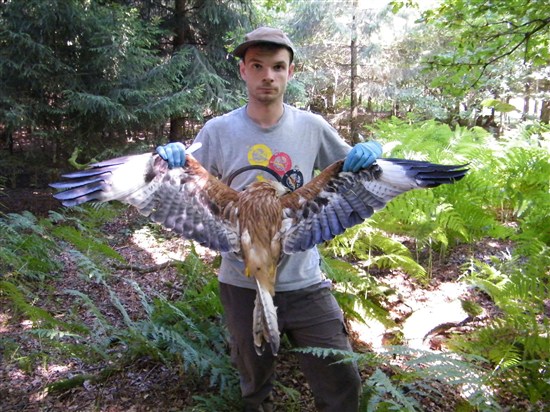
Poisoned RK Powys

Chief Constable Simon Prince (head of Dyfed-Powys Police, Chair of the PAW UK Steering Group and ACPO lead on wildlife crime) sent us a tweet yesterday saying he would investigate our report and provide an update. He was as good as his word as this evening he sent us another tweet directing us to a statement that has just been added to the police website. In case it disappears, we’ve reproduced it here:

In response to blog by Raptor Persecution Scotland

Dyfed Powys Police take allegations of wildlife crime very seriously and investigates all incidents reported to us. Following information received in 2012 and 2013, relating to the deaths of raptors in Powys, a full investigation was carried out in partnership with the RSPB, the National Wildlife Crime Unit and the Wildlife Management Team in the Welsh Government.   During the investigation a number of search warrants under the Wildlife and Countryside Act were executed and two people were arrested in connection with the incidents. A file of evidence was subsequently submitted to the Crown Prosecution Service who advised that there was insufficient evidence to proceed with a prosecution.

END

We’re grateful to Chief Constable Prince for replying so promptly but this police statement leaves a lot to be desired and a lot of questions still unanswered.

The statement tells us that an investigation was undertaken, and this is further verified by a detailed blog written by one of the RSPB investigations team that has just appeared on the RSPB website (here). Good, we shouldn’t expect anything less. But, as is common in so many of these raptor persecution cases, the evidence was insufficient to proceed to a prosecution. That doesn’t mean that the mass poisoning didn’t occur – it clearly did – but it was not possible to identify a named suspect to face charges. We’re not going to criticise the police for that, especially after reading how pleased the RSPB investigator was with the police’s efforts during the investigation.

However, the focus of yesterday’s blog was whether Dyfed-Powys Police had embarked on a ‘cover-up’ of this mass raptor poisoning and that question still remains open. This crime has been described by the RSPB investigator as “the most significant wildlife poisoning case ever recorded from Wales, and the second highest recovery of poisoned birds of prey in any UK investigation during the last 40 years“. So why has Dyfed-Powys Police not made any public statement about it until we started asking questions yesterday? Surely it’s in the public interest to know about this?

In the recent past it has been standard practice for this police force, and other Welsh police forces, to make public statements about other (much smaller and thus less significant) poisoning/persecution incidents – e.g. see here, here, here, here and here. These statements can include an appeal for information and/or a warning to members of the public to be aware of dangerous toxic poisons in the local vicinity.

So just what is it about this mass poisoning crime that Dyfed-Powys Police has kept quiet about it for so long, even after the investigation had concluded?

You’ll note in the above police statement that the location has not been revealed. You’ll also note in the RSPB investigations blog that the location is given as a sporting (pheasant shooting) estate in the Brecon Beacons National Park, although the estate is still not named.

We think we’ve got a pretty good idea why this mass poisoning crime has not previously been made public (we’d call that covering it up). Since we published yesterday’s blog, several people have contacted us privately and each has named the same estate as being at the centre of the investigation. We’re not yet in a position to publish that estate name because we need to verify a few things first. But OH MY GOD. If it does turn out to be this estate, you’ll not struggle to put two and two together.

Photo of one of the poisoned red kites found on a pheasant shooting estate in the Brecon Beacons National Park, by Guy Shorrock (RSPB).

Mass raptor poisoning in Wales: police cover-up?

DyfedPowys Police logoEvidence is emerging of what looks to be a pretty comprehensive police cover-up of the mass poisoning of birds of prey in the Powys region of Wales.

According to the RSPB’s annual Birdcrime report (2012), the following incidents are listed:

Oct 2012: 1 x pheasant bait (Bendiocarb), location: Powys.

Oct 2012: 1 x pheasant bait (Bendiocarb), location: Powys.

Oct 2012: 2 x pheasant bait (Bendiocarb), location: Powys.

Oct 2012: 1 x poisoned red kite (Bendiocarb), location: Powys.

This little cluster is of interest, but becomes of even greater interest when you look at the RSPB’s annual Birdcrime report (2013), where the following incidents are listed:

Aug 2013: 1 x pheasant bait (Bendiocarb), location: Powys.

Aug 2013: 1 x pheasant bait (Bendiocarb), location: Powys.

Aug 2013: 1 x pheasant bait (Bendiocarb), location: Powys.

Aug 2013: 1 x pheasant bait (Bendiocarb), location: Powys.

Aug 2013: 1 x poisoned red kite (Bendiocarb), location: Powys.

Oct 2013: 7 x poisoned buzzards (Bendiocarb), location: Powys.

Oct 2013: 3 x poisoned red kites (Bendiocarb), location: Powys.

Oct 2013: 1 x poisoned red kite (Bendiocarb), location: Powys.

Oct 2013: 1 x poisoned raven (Bendiocarb), location: Powys.

Oct 2013: 1 x poisoned pheasant bait (Bendiocarb), location: Powys.

Oct 2013: 1 x poisoned red kite (Bendiocarb), location: Powys.

In total then, over a period of 12 months, seven poisoned red kites, seven poisoned buzzards, one poisoned raven, and nine poisoned pheasant baits were found in Powys.

Dyfed Powys Police force area mapNow, Powys is a pretty big county and unfortunately the RSPB Birdcrime reports do not specify a more precise location so you can’t tell from these reports whether these poisoning incidents are related, although the use of Bendiocarb each time is striking. We don’t recall reading anything about these crimes in the media.

To find out a bit more, an FoI was submitted to Dyfed-Powys Police. The FoI asked three questions:

  1. Were all these poisoned baits and poisoned birds all found in the same area? Or
  2. Are they from multiple locations in different parts of Powys?
  3. What is the status of any police investigation(s) into these crimes?

Here is the Dyfed-Powys Police response to the FoI:

I can confirm that Dyfed-Powys Police does hold the information requested, the details of which are as follows:

  1. Yes they were.
  2. No they do not.
  3. They have been concluded.

One thing’s for sure – you can’t accuse the FoI officer at Dyfed-Powys Police of being verbose! No matter, the information provided is still useful.

What we’re now interested in is finding out where, exactly, these poisoning offences took place, why there hasn’t been a prosecution, and why there hasn’t been any media statement from the police?

Raptor persecution is one of the UK’s six wildlife crime priorities so you might expect that the mass poisoning of 14 raptors + one raven + the discovery of nine poisoned baits in one area might have warranted some kind of public statement, right? That seems a pretty reasonable expectation, and especially when you consider that the head of the Dyfed-Powys Police force is one Chief Constable Simon Prince. Who he? Why, he’s only the Chair of the Partnership for Action Against Wildlife Crime (PAW) UK Steering Group, and he also happens to be the Association of Chief Police Officers (ACPO) lead on wildlife crime! This mass poisoning is right up there as one of the worst ever recorded in the UK – think Barns Estate, think Ross-shire Massacre, think Stody Estate – all involved the illegal mass poisoning of birds of prey and all received high profile media attention. What is it about this mass poisoning in Powys that the police decided it should be kept quiet?

We thought we’d look to the England and Wales PAW raptor subgroup (Raptor Persecution Priority Delivery Group) to see if they’d commented on it. After all, this is the group that DEFRA has identified as being integral to their highly controversial Hen Harrier Recovery Plan. Part of the RPPDG’s role is to provide publicity about raptor persecution, in order ‘to build trust and transparency’. Unsurprisingly, we couldn’t find any statement from the RPPDG about the mass poisoning of raptors in Powys. Why is it unsurprising? Well just look at the membership of the RPPDG – along with some very good organisations, it also includes DEFRA, Moorland Association, National Gamekeepers’ Organisation and the Countryside Alliance, none of whom are known for being keen to publicise illegal raptor persecution! Although membership of this group also includes the Police and the Welsh Government – both of whom should have commented on the mass raptor poisoning in Powys.

What we did find on our search was a protocol the RPPDG is using for publicity of annual raptor poisoning maps (see here). Strangely, the RPPDG has only once published a raptor poisoning map (covering the period 2007-2011). This map was published in 2013 – see here. The group hasn’t published any maps since then, although according to DEFRA’s Hen Harrier Recovery Plan, “the RPPDG have been publishing information on raptor poisoning since Feb 2013 and this is updated annually“. Really? Where is this published information?

So in summary, we know that the illegal mass poisoning of raptors took place somewhere in Powys between Oct 2012 and Oct 2013. We know it represents one of the worst raptor poisoning incidents discovered in the UK. We know that Dyfed-Powys Police have not issued a media statement about this atrocity. We know that the Raptor Persecution Priority Delivery Group has not issued a media statement. We don’t yet know where the mass poisoning took place but work is underway to find out. Watch this space.

UPDATE 11.50hrs: Please note, we have been asked to clarify that this blog post refers to the POWYS region of Wales and does not relate to the fine work of the North Wales Police Rural Crime Team.

UPDATE 13.07hrs: We’ve received a tweet from Chief Constable Simon Prince: “No cover up. I will look into reports & update on Twitter”.

That speedy and positive response sounds promising. We’ll update here in due course.

UPDATE 10 March 2016: Dyfed-Powys Police respond – see here.

UPDATE 1 July 2016: Mass poisoning of raptors in Wales: location revealed here

UPDATE 2 July 2016: Statement from Glanusk Estate here