Desperate days as 5th male hen harrier ‘disappears’

Another male hen harrier has ‘disappeared’ from an active nest – the 5th this year.

Three males vanished from nesting territories in Bowland in late April/early May (see here).

Another male vanished from its nesting territory on Geltsdale last week (see here).

And now the 5th – last seen on the United Utilities Estate in Bowland on 29th May (see here).

Is it shocking news? Yes, but not because we didn’t expect it. It’s shocking because the persecution of this species is so, so brazen.

It should now be clear (as if it hasn’t been for decades) that the people responsible, and the grouse-shooting industry that shields them, need to be brought to their knees.

We can all do that.

We must do that.

We will find a way to do that.
Sea eagles bringing in £millions to local economies

Re-introduced white-tailed eagles (also known as sea eagles) are bringing in £millions of pounds to local rural economies in Scotland.

40 years after the start of the sea eagle reintroduction project in Scotland, a significant milestone has been reached with the 100th breeding pair (see here).

Sea eagle tourism on the Isle of Mull brings in an additional £5 million each year (see here). Now a new RSPB report shows that the sea eagles on the Isle of Skye are generating an additional £2.4 million (see here).

Over in the Irish Republic (where the sea eagle reintroduction project only started in 2007), the small but growing eagle population is also attracting thousands of tourists (see here).

It’s heartening to see that despite the efforts of some (e.g. see here, here, here, here), these eagles are fighting back and, in a world where nature seems to be judged on its monetary value, they’re giving back, too.

Photo by Mike Watson

Henry’s Tour day 37: meeting a revolutionist

Weds 3rd June Copy

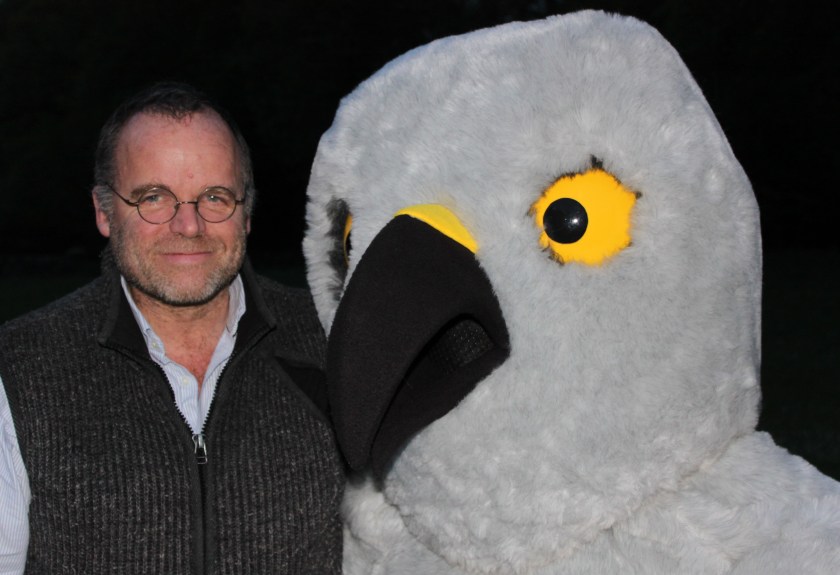
Andy Wightman is a class act. He’s an agitator, a truth-seeker and a fearless revolutionist, but achieves this with a charm and courteousness not often associated with anarchists. Combine that with his capacity for meticulous research and analysis and the result is devastating.

If you want to broaden your understanding of the framework within which illegal raptor persecution takes place in Scotland, reading Andy’s blog is the obvious starting point. If you want to know who owns Scotland you should subscribe to this. If you want to know how they got Scotland, you should read this.

Head keeper on Glenogil Estate rescues red kite

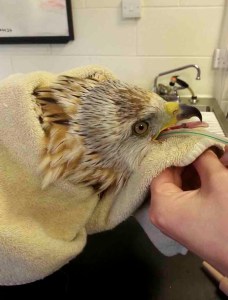
Glenogil RK rescuedThe head gamekeeper on Glenogil Estate has reportedly helped rescue an injured red kite that was hanging upside down in a tree after becoming entangled in string.

Danny Lawson was apparently able to shoot off the branch so the kite fell to the ground. He disentangled the bird and took it to Thrums Veterinary Group in Kirriemuir. The vets say the bird is recovering well and is now being cared for by the SSPCA.

News article here.

Photo by Thrums Veterinary Group

Henry’s tour day 36: visiting his friends at the SOC

Thurs 4th June Copy

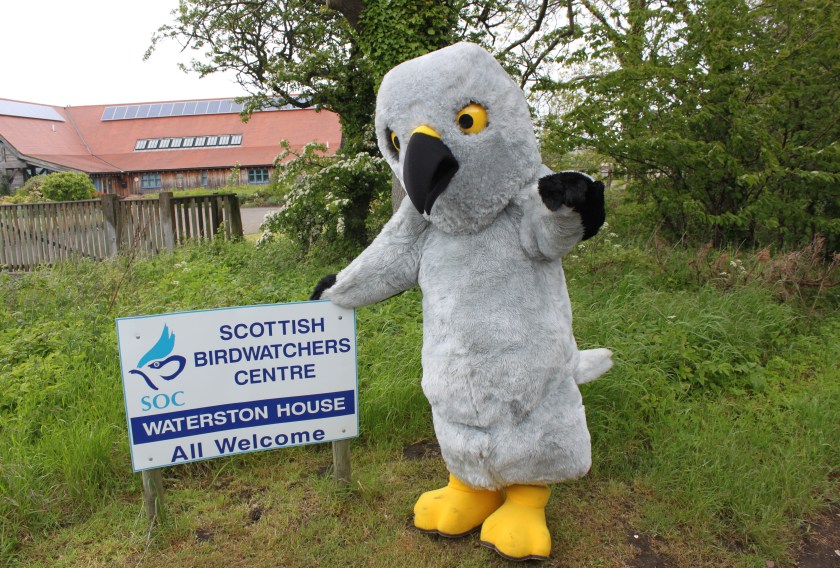
Henry called in to the Scottish Ornithologists’ Club HQ to talk about their efforts in the fight against illegal raptor persecution in Scotland.

Last year, the SOC joined the other increasing number of voices who are standing up to say enough is enough (see here and here).

This year they will play a prominent role in the support and planning of Hen Harrier Day events in Scotland. More news about those plans soon……save the date (Sunday 9th August 2015).

Henry’s tour day 35: visiting SLE

2nd June 2015 Copy

Henry paid a visit to the HQ of Scottish Land & Estates.

The lights weren’t on and nobody was in.

SLE is a representative body of 1,351 landowners who own 2.27 million hectares of Scotland (figures from Andy Wightman).

Here’s what SLE’s CEO, Doug McAdam, tweeted when he learned Henry had called by:

‘Over 500 pairs of hen harriers on Scottish moorland at last count’.

Here’s what he didn’t mention (see here for source) –

  • The potential national hen harrier population in Scotland is estimated (conservatively) to be within the range 1467-1790 pairs.
  • The current national hen harrier population in Scotland as recorded during the most recent (2010) national survey is 505 pairs, more than a 20% decline from the numbers recorded during the 2004 national survey.
  • In Scotland, the hen harrier has a favourable conservation status in only five of 20 regions.
  • Two main constraints on population growth have been identified: illegal persecution, and in one region, prey shortages.
  • The species is particularly unsuccessful in the Central Highlands, Cairngorm Massif, Northeast Glens, Western Southern Uplands and the Border Hills. There is strong evidence in these grouse moor regions that illegal persecution is causing the failure of a majority of breeding attempts.

Has Doug McAdam been taking spinning lessons from an ex-England cricketer?

Henry’s Tour Day 34: Hello Scotland

1st June 2015 - Copy

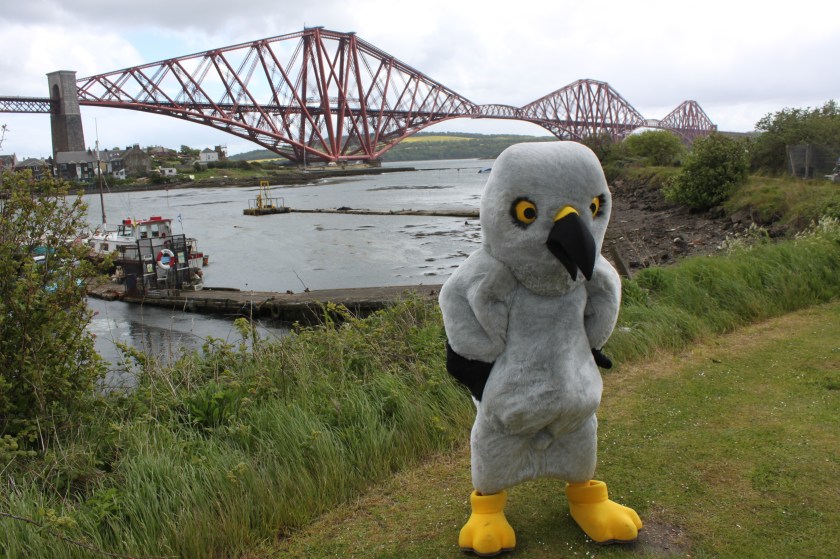
Henry has arrived in Scotland. Where will he visit in the next few days? So many choices, so little time….