Satellite-tagged white-tailed eagle found poisoned on grouse moor in Cairngorms National Park

A satellite-tagged white-tailed eagle has been found poisoned on a grouse moor in the Cairngorms National Park.

This should be the tipping point. The Scottish Government simply cannot ignore this blatant criminality any longer. There are contact details at the foot of this blog if you want to write to the First Minister and her Environment Cabinet Secretary.

We’ll have much, much more to say about this latest crime but for now, here’s the press release just issued by Police Scotland:

RARE WHITE-TAILED SEA EAGLE POISONED

Police Scotland has today confirmed that a rare white-tailed sea eagle found dead earlier this year was poisoned.

The bird of prey was recovered from Donside, Aberdeenshire, in April. A post mortem has now established it died as a result of pesticide poisoning. It had been satellite tagged.

The death is being treated as suspicious. An investigation is ongoing and Police Scotland is appealing for information to help identify those responsible.

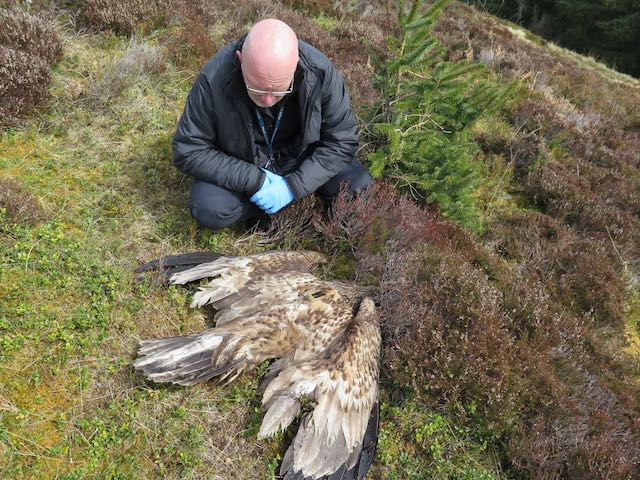
[A police officer examines the corpse of this illegally-poisoned sea eagle, found on a grouse moor in the Cairngorms National Park]

White-tailed sea eagles were re-introduced into Scotland in the 1970s after becoming extinct in the UK in the early 1900s. There are now over 150 breeding pairs in Scotland. Police Inspector Sheila McDerment, who chairs the North East Partnership Against Wildlife Crime, said:

As well as being illegal, poisoning is a cruel way to kill a bird. It also puts the lives of other creatures and plants at risk and impacts negatively on our environment.

This incident is particularly upsetting because these rare and beautiful birds had been re-introduced to Scotland after being extinct throughout the UK.

Raptor persecution is one of six priorities set by the UK National Wildlife Crime Unit. In the North East we work closely with a number of partners to tackle wildlife crime. Members of the public are our eyes and ears. I appeal to anyone out there who may hold any information about this incident to help us bring the offender to justice by coming forward and telling us what they know.”

Ian Thomson, RSPB Scotland’s Head of Investigations said: “The news that this bird has been illegally poisoned is appalling. This crime would never have come to light had the bird not been fitted with a satellite tag, and the killing of this young eagle can be added to a litany of raptor persecution incidents in recent years, including previous poisonings and multiple disappearances of similarly-tagged birds of prey. Poisoning is vicious and indiscriminate and we join with Police Scotland in appealing for information.”

Detective Chief Superintendent Gary Cunningham, Wildlife Crime lead for Police Scotland, said: “Scotland’s rich, rare and diverse wildlife and landscapes are among its biggest attractions. We cannot allow the indiscriminate use of poisons and pesticides to threaten our natural heritage. Police Scotland, working with our key partners, is committed to protecting our wildlife habitats and to bringing those who seek to destroy or harm it, to justice.”

Please contact Police Scotland on 101 if you have information about this crime, quoting crime reference number CF0160960720. You can also report information anonymously by contacting Crimestoppers on 0800 555 111.

ENDS

If you’d like the First Minister (Nicola Sturgeon) and her Environment Cabinet Secretary (Roseanna Cunningham) to know how angry this news makes you feel, please send POLITE but strongly-worded emails to:

firstminister@gov.scot

and

CabSecECCLR@gov.scot

UPDATE 27th July 2020: RSPB responds to news of poisoned eagle found on grouse moor in Cairngorms National Park (here)

UPDATE 28th July 2020: More on the poisoned sea eagle found dead on a grouse moor in the Cairngorms National Park (here)

UPDATE 29th July 2020: Poisoned sea eagle: inadequate response from Scottish Government (here)

UPDATE 29th July 2020: Poisoned sea eagle: strong response from Scottish Greens (here)

UPDATE 29th July 2020: Poisoned sea eagle: Scottish Ministers under increasing pressure to act (here)

UPDATE 29th July 2020: Poisoned sea eagle: Chris Packham’s letter to Scottish Ministers (here)

UPDATE 30th July 2020: Poisoned sea eagle: poor response from Cairngorms National Park Authority (here)

UPDATE 31st July 2020: Cairngorms National Park, Scotland: where eagles are poisoned, trapped & shot (here)

UPDATE 12th August 2020: Former Sea Eagle Project Officer explains devastating personal impact of ongoing illegal persecution on grouse moors (here)

More birds of prey illegally killed in & around Peak District National Park

As conservationists continue to express concern for the safety of the visiting Bearded Vulture in the Peak District National Park (e.g. see here), the RSPB has published a blog detailing more cases of confirmed and suspected illegal raptor persecution that have been recorded in the area since the beginning of lockdown.

[This shot buzzard had to be euthanized due to the extent of its injuries. Photo by Peak District Raptor Monitoring Group]

The RSPB’s updated list includes the following, some of which have already featured on this blog and some which haven’t previously been publicised:

NEW: In the north of the National Park, the remains of a short-eared owl, an amber-listed species, were found on a grouse moor near Glossop on 7 May. A post-mortem recently concluded that shooting had been the cause of death. No leads were forthcoming from police enquiries.

NEW: Near Agden Reservoir, an area dominated by driven grouse moors, four raven chicks were found dead in a nest also on 11 May. The parent birds had been seen bringing food to the young, then vanished without explanation. The chicks were almost at the point of fledging, and the RSPB say the adults were exceptionally unlikely abandon the nest at that stage. The incident is being investigated by South Yorkshire Police.

NEW: Test results are awaited in connection with an adult peregrine found dead in the Upper Derwent Valley.

NEW: In the south, just outside the National Park an eyewitness reported seeing two buzzards being shot near Ashbourne on 1 April 2020. A member of the public was watching the two birds circling a wood, on land managed for pheasant shooting, when he heard a shot and saw the birds fall. There’s no comment about a police investigation.

PREVIOUSLY REPORTED: On 11 May, a buzzard was found mortally wounded on land managed for gamebird shooting near Diggle. It was found alive but with terrible injuries and sadly had to be euthanized. An x-ray revealed six pieces of shot lodged in the bird’s body. [This crime has previously been blogged about here]

PREVIOUSLY REPORTED: In the south of the Park, a buzzard and two peregrines are being tested for poison after being found dead in Staffordshire. [These incidents have previously been blogged about here] [Confirmed illegally poisoned. See UPDATE at foot of this blog]

PREVIOUSLY REPORTED: In mid-June, Derbyshire Police issued an appeal for information after three peregrine nests were robbed of their eggs, all within the National Park. The RSPB alerted the police about one of the incidents. [These incidents have previously been blogged about here]

PREVIOUSLY REPORTED: A dead kestrel and a buzzard have also gone for poison testing: they were found near Glapwell, where several buzzards were found poisoned in 2016. [These incidents have previously been blogged about here] [Confirmed illegally poisoned. see UPDATE at foot of blog].

To read the RSPB blog in full please click here

The RSPB’s Head of Investigations, Mark Thomas, was also on BBC Radio Derby a few days ago talking about the ongoing killing of birds of prey in the Peak District National Park. Available here (starts 3hrs 16) for 24 days.

UPDATE 3rd August 2020: Buzzard and kestrel confirmed illegally poisoned in Derbyshire (here)

UPDATE 2nd October 2020: Birds of prey illegally poisoned in Staffordshire / Peak District National Park (see here)

Yet another poisoned buzzard found dead on a grouse moor in North York Moors National Park

Joint press release from North Yorkshire Police and RSPB (24 July 2020)

APPEAL FOR INFORMATION AFTER ANALYSIS REVEALS BUZZARD POISONED

Buzzard found dead on moorland near Swainby, North Yorkshire

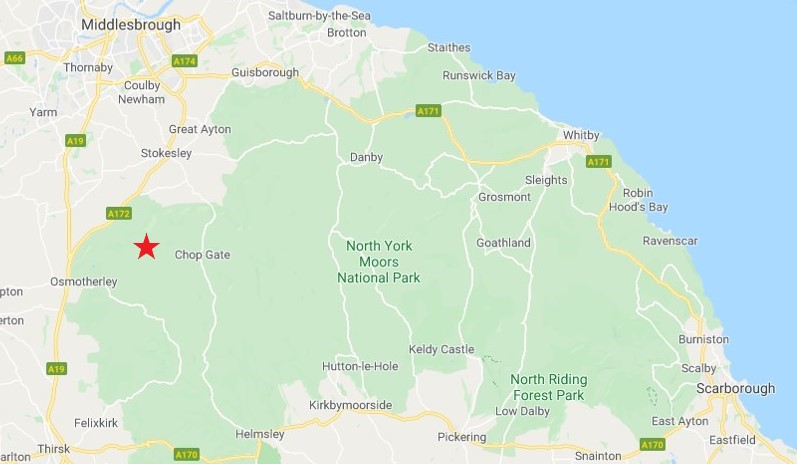
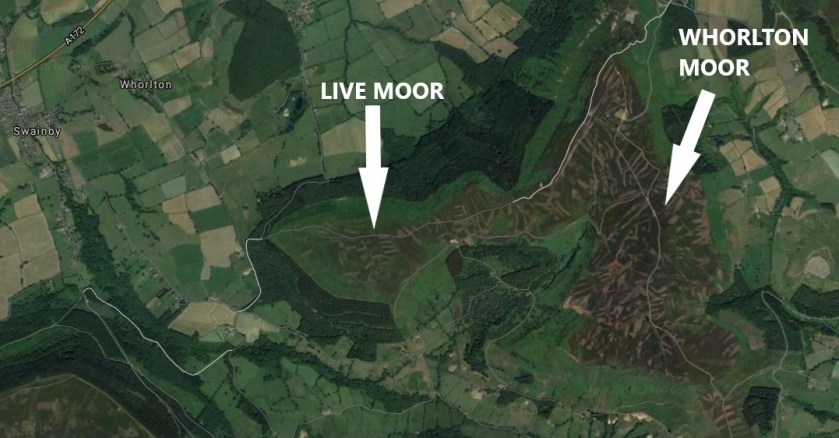
North Yorkshire Police and the RSPB are appealing for information after a dead buzzard was found on Live Moor close to the village of Swainby.

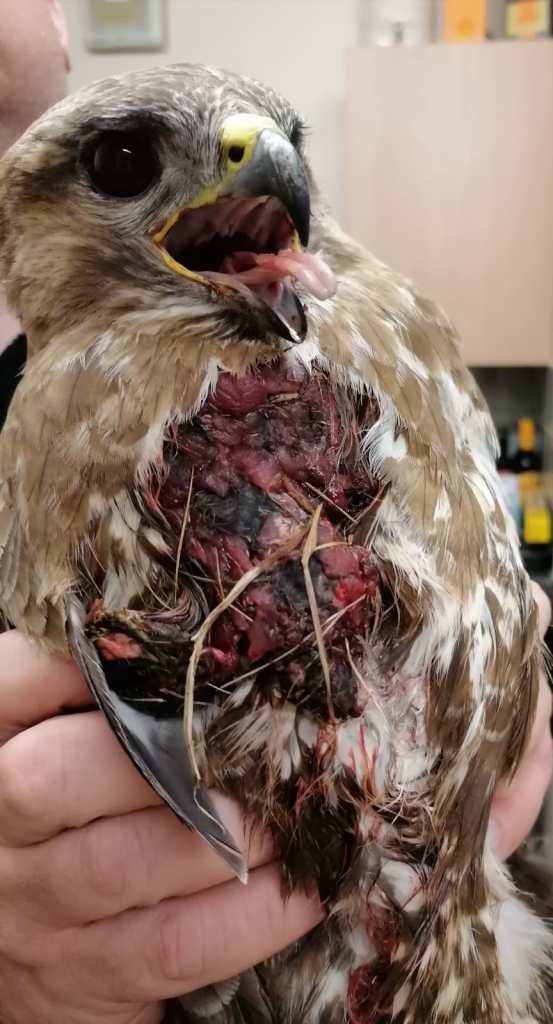
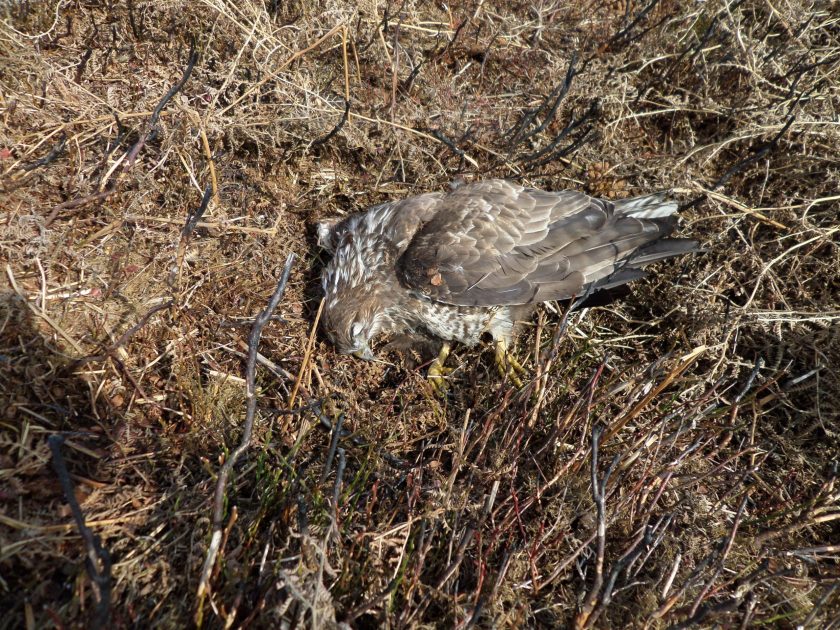
The bird was discovered by a member of the public on 20 March 2020 and reported to the RSPB before being removed. North Yorkshire Police submitted the buzzard for a post mortem examination which revealed an extremely high concentration of  toxic chemical, Chloralose in the bird’s system. Given the buzzard was in good bodily condition and had no injuries, the analysis shows poisoning to be the cause of death.

[The poisoned buzzard. Photo by RSPB]

North Yorkshire Police Inspector, Matt Hagen, explains:

A low percentage of chloralose was commonly used in rodenticides to kill mice but is only currently permitted for use indoors and at a small dose. As such, there is no way this buzzard could have come into contact with such a high concentration of this poison by accident and we believe someone deliberately set out to kill this bird by poisoning.

Unfortunately, this is the latest in a number of similar cases where birds of prey have been subjected to cruel and illegal persecution here in North Yorkshire. We are doing everything we can to try and find those responsible but we really need the public’s help as they are acting as our eyes and ears around the county. Anyone with information about this or any other incident of bird of prey persecution should contact the police on 101, we all have a part to play in putting an end to these unacceptable crimes.

Howard Jones, RSPB Investigations Officer, said:

Buzzards are a protected species yet continue to be relentlessly shot, trapped and poisoned in North Yorkshire. RSPB data shows that North Yorkshire is consistently the county with the highest number of crimes against birds of prey.

Alphachloralose is a commonly abused product in the illegal killing of birds of prey. The amount of it found in this bird was enough to kill a human child. People, pets and other wildlife are at risk from this kind of illegal behaviour, which is why we urge anyone who may have information about this incident to do the right thing and come forward.”

Anyone who has information which could assist with this investigation should contact North Yorkshire Police on 101 or if you wish to remain anonymous, you can call Crimestoppers on 0800 555 111. Quote reference: 12200116641.

ENDS

What this press release doesn’t say is that this illegally poisoned buzzard was found dead on a grouse moor inside the North York Moors National Park.

Nor does the press release explain the delay in publishing an appeal for information (corpse found 20 March, press release issued 24 July).

There are some individuals from the grouse shooting industry who are claiming on social media that this delayed reporting is a deliberate ploy to coincide with the run-up to the start of the grouse-shooting season on 12 August, and thus create bad publicity for the industry to ruin the ‘celebrations’. It’s a commonly-heard complaint and simply allows the persecution apologists to focus on anything other than the news that yet another bird of prey has been found illegally killed on yet another grouse moor.

Had they bothered to ask the police why there was such a long delay they might have understood that the toxicology labs were closed during lockdown and are now having to work through a significant backlog of cases, so confirmation of poisoning will take longer than usual.

It’s no surprise the grouse shooting industry wants to divert attention from this latest crime to be uncovered on a grouse moor inside this national park. It’s the third raptor persecution crime to be reported in the North York Moors National Park in recent months, following the discovery in April of five dead buzzards shoved in a hole on a grouse moor in Bransdale, four of which were later confirmed to have been shot (see here), and then last week’s news that three gamekeepers on the Queen’s grouse moor at Goathland had been suspended following a police investigation in to the trapping and alleged killing of a goshawk in May (see here).

The grouse shooting industry’s professed ‘zero tolerance for raptor persecution’ (see here) is as unconvincing now as it was when it was claimed last year, and the year before that, and the year before that, and the year before that, and the year before that, and the year before that, and the year before that, and the year before that, and the year before that, and the year before that, and the year before that, and the year before that……etc.

North Yorkshire Police search for illegal poisons in Nidderdale

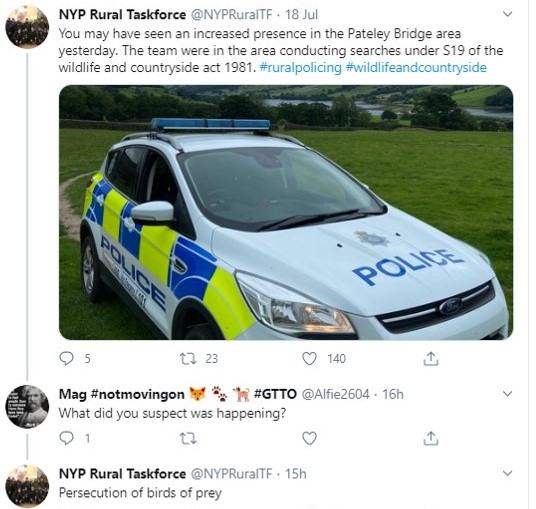
North Yorkshire Police made quite a statement on Friday morning when at least 10 marked police vehicles descended upon Pateley Bridge in Nidderdale, along with forensic-suited poisons experts from Natural England. When asked by local residents what they were doing, the police replied they were conducting searches in relation to the illegal killing of birds of prey in the area.

North Yorkshire Police’s Rural Task Force tweeted about it yesterday:

This is a very good example of proactive policing. The Nidderdale AONB is one of the UK’s most notorious hotspots for illegal raptor persecution, particularly on many of its driven grouse moors e.g. see here for a recent damning report published by the local AONB authority and for just a small sample of reported persecution crimes in recent years see hereherehereherehereherehere here, here, here, here, here and here.

During lockdown, the police were appealing for information about two separate illegal poisoning incidents in the area, involving two dogs (here) and a buzzard (here) and it’s believed Friday’s search may have been in relation to these most recent incidents.

Illegal poisoning happens with such frequency in this area that the specific concoction used has even been named the ‘Nidderdale Cocktail’ (Bendiocarb, Carbofuran, Isofenphos, and Chloralose). Bendiocarb is licenced for use in England as an ingredient in a number of insect control products but should not be released into an environment where wildlife could come into contact with them. Carbofuran, Isofenphos and Chloralose are all banned substances which should not be used under any circumstances.

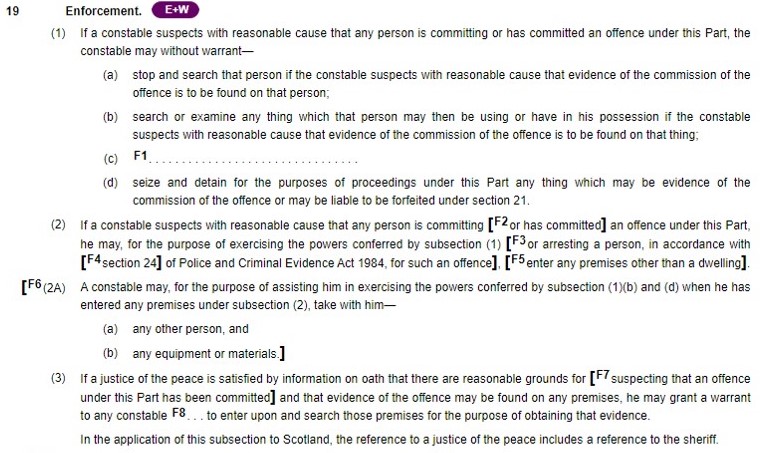
In the police’s tweet, they mention searches ‘under S19 of the Wildlife & Countryside Act 1981’. This refers to Section 19 of the Act, entitled ‘Enforcement’ and allows officers to enter private land, without a warrant, to conduct searches where there is reasonable suspicion that an individual is committing or has committed an offence:

North Yorkshire Police haven’t revealed whether anything was found, and nor would we expect them to at this early stage, but the fact they turned up in force, accompanied by Natural England staff who have expertise in poison storage, labelling and identification, and that they weren’t shy about telling local shoppers why they were there, sends a very clear message to the Nidderdale raptor killers.

Well done, North Yorkshire Police & Natural England. More of this, please.

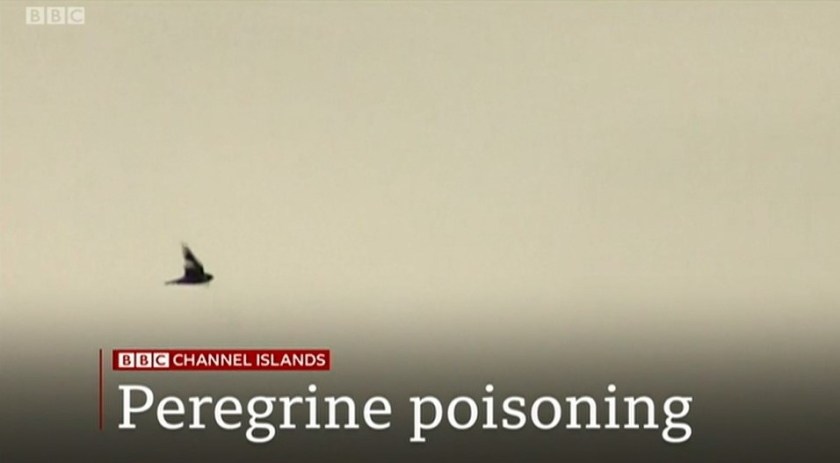
Peregrines illegally poisoned on Guernsey

Police on the island of Guernsey are appealing for information after at least three peregrines have been found poisoned with ‘an unusual cocktail of banned pesticides’ in the last 14 months. A fourth peregrine was found in June and toxicology results are pending.

This story featured on the BBC Channel Islands News last night and is available to watch on iPlayer until 18.55hrs today. Click here to watch (it’s the first item).

The short film includes interviews with Mark Thomas (RSPB Investigations) and David Chamberlain, Guernsey State Vet, who said he believed the pesticides had been imported from the UK rather than ‘hanging around for a long time on the island’ as a similar deadly cocktail had been used elsewhere in the UK for the same purpose of killing raptors.

The names of the pesticides were not revealed.

UPDATE 1st August 2020: 4th peregrine confirmed poisoned on Guernsey & another raptor submitted for toxicology analysis (here)

39 hen harriers ‘missing’ or confirmed killed since 2018

It’s getting to that time of year when the grouse shooting industry pumps out its patently misleading propaganda relating to hen harrier conservation in the UK. The aim is to hoodwink the public in to believing that the industry loves hen harriers and is doing all it can to protect and nurture the tiny remnant breeding population (but conveniently forgetting to mention that the breeding population is only in such dire straits because the grouse shooting industry has been ruthless in its maniacal intolerance of this supposedly protected species).

And the industry’s pursuit of the hen harrier is not simply ‘historical’ or indicative of past behaviour, as some would have us believe. It is on-going, it is current, and it is relentless.

To illustrate this fact, we intend to keep a running tally of all the hen harriers that we know (because most of these victims had been fitted with a satellite tag) to have either ‘disappeared’ in suspicious circumstances or have been confirmed as being illegally killed since 2018.

Why only since 2018 when we know that hen harriers have been a persecution target for years and years and years? Well, 2018 is the year that the grouse shooting industry ‘leaders’ would have us believe that the criminal persecution of hen harriers had stopped and that these birds were being welcomed back on to the UK’s grouse moors (see here).

This assertion was made shortly before the publication of a devastating new scientific paper that demonstrated that 72% of satellite-tagged Hen Harriers were confirmed or considered likely to have been illegally killed, and this was ten times more likely to occur over areas of land managed for grouse shooting relative to other land uses (see here).

We only started compiling this list of dead / missing hen harriers two weeks ago when we learned that all five of last year’s brood meddled hen harrier chicks were ‘missing’, presumed dead (see here). Having just learned yesterday that two more satellite-tagged hen harriers have ‘disappeared’ in suspicious circumstances on grouse moors in the Cairngorms National Park during the Coronvirus lockdown (see here), it’s time to update the death list, which now stands at 39. Nobody has been prosecuted for any of these cases. We have every expectation that this list will be updated again in the near future.

For now, here are the 39:

February 2018: Hen harrier Saorsa ‘disappeared’ in the Angus Glens in Scotland (here). The Scottish Gamekeepers Association later published wholly inaccurate information claiming the bird had been re-sighted. The RSPB dismissed this as “completely false” (here).

5 February 2018: Hen harrier Marc ‘disappeared’ on a grouse moor in Durham (here)

9 February 2018: Hen harrier Aalin ‘disappeared’ on a grouse moor in Wales (here)

March 2018: Hen harrier Blue ‘disappeared’ in the Lake District National Park (here)

March 2018: Hen harrier Finn ‘disappeared’ near Moffat in Scotland (here)

18 April 2018: Hen harrier Lia ‘disappeared’ in Wales and her corpse was retrieved in a field in May 2018. Cause of death was unconfirmed but police treating death as suspicious (here)

8 August 2018: Hen harrier Hilma ‘disappeared’ on a grouse moor in Northumberland (here).

16 August 2018: Hen harrier Athena ‘disappeared’ on a grouse moor in Scotland (here)

26 August 2018: Hen Harrier Octavia ‘disappeared’ on a grouse moor in the Peak District National Park (here)

29 August 2018: Hen harrier Margot ‘disappeared’ on a grouse moor in Scotland (here)

29 August 2018: Hen Harrier Heulwen ‘disappeared’ on a grouse moor in Wales (here)

3 September 2018: Hen harrier Stelmaria ‘disappeared’ on a grouse moor in Scotland (here)

24 September 2018: Hen harrier Heather ‘disappeared’ on a grouse moor in Scotland (here)

2 October 2018: Hen harrier Mabel ‘disappeared’ on a grouse moor on the edge of the Yorkshire Dales National Park (here)

3 October 2018: Hen Harrier Thor ‘disappeared’ next to a grouse moor in Bowland, Lanacashire (here)

26 October 2018: Hen harrier Arthur ‘disappeared’ on a grouse moor in the North York Moors National Park (here)

10 November 2018: Hen harrier Rannoch ‘disappeared’ on a grouse moor in Scotland (here). Her corpse was found nearby in May 2019 – she’d been killed in an illegally-set spring trap (here).

14 November 2018: Hen harrier River ‘disappeared’ on a grouse moor in the Nidderdale AONB (here). Her corpse was found nearby in April 2019 – she’d been illegally shot (here).

16 January 2019: Hen harrier Vulcan ‘disappeared’ in Wiltshire close to Natural England’s proposed reintroduction site (here)

7 February 2019: Hen harrier Skylar ‘disappeared’ next to a grouse moor in South Lanarkshire (here)

22 April 2019: Hen harrier Marci ‘disappeared’ on a grouse moor in the Cairngorms National Park (here)

11 May 2019: An untagged male hen harrier was caught in an illegally-set trap next to his nest on a grouse moor in South Lanarkshire. He didn’t survive (here)

7 June 2019: An untagged hen harrier was found dead on a grouse moor in Scotland. A post mortem stated the bird had died as a result of ‘penetrating trauma’ injuries and that this bird had previously been shot (here)

5 September 2019: Wildland Hen Harrier 1 ‘disappeared’ on a grouse moor nr Dalnaspidal on the edge of the Cairngorms National Park (here)

11 September 2019: Hen harrier Romario ‘disappeared’ on a grouse moor in the Cairngorms National Park (here)

14 September 2019: Hen harrier (Brood meddled in 2019, #183704) ‘disappeared’ in North Pennines (here)

23 September 2019: Hen harrier (Brood meddled in 2019, #55149) ‘disappeared’ in North Pennines (here)

24 September 2019: Wildland Hen Harrier 2 ‘disappeared’ on a grouse moor at Invercauld in the Cairngorms National Park (here)

10 October 2019: Hen harrier Ada ‘disappeared’ on a grouse moor in the North Pennines AONB (here)

12 October 2019: Hen harrier Thistle ‘disappeared’ on a grouse moor in Sutherland (here)

18 October 2019: Member of the public reports the witnessed shooting of an untagged male hen harrier on White Syke Hill in North Yorkshire (here)

November 2019: Hen harrier Mary found illegally poisoned on a pheasant shoot in Ireland (here)

January 2020: Members of the public report the witnessed shooting of a male hen harrier on Threshfield Moor in the Yorkshire Dales National Park (here)

1 April 2020: Hen harrier (Brood meddled in 2019, #183703) ‘disappeared’ in unnamed location, tag intermittent (here)

5 April 2020: Hen harrier Hoolie ‘disappeared’ on a grouse moor in the Cairngorms National Park (here)

8 April 2020: Hen harrier Marlin ‘disappeared’ on a grouse moor in the Cairngorms National Park (here)

21 May 2020: Hen harrier (Brood meddled in 2019, #183701) ‘disappeared’ on a grouse moor in Cumbria shortly after returning from wintering in France (here)

To be continued……..

Anybody still wondering why the grouse shooting industry wants us to stop fitting satellite tags?

37 hen harriers ‘missing’ or confirmed killed since 2018

It’s getting to that time of year when the grouse shooting industry pumps out its patently misleading propaganda relating to hen harrier conservation in the UK. The aim is to hoodwink the public in to believing that the industry loves hen harriers and is doing all it can to protect and nurture the tiny remnant breeding population (but conveniently forgetting to mention that the breeding population is only in such dire straits because the grouse shooting industry has been ruthless in its maniacal intolerance of this supposedly protected species).

And the industry’s pursuit of the hen harrier is not ‘historical’ or indicative of past behaviour, as some would have us believe. It is on-going, it is current, and it is relentless.

To illustrate this fact, we intend to keep a running tally of all the hen harriers that we know (because most of these victims had been fitted with a satellite tag) to have either ‘disappeared’ in suspicious circumstances or have been confirmed as being illegally killed since 2018.

Why only since 2018 when we know that hen harriers have been a persecution target for years and years and years? Well, 2018 is the year that the grouse shooting industry ‘leaders’ would have us believe that the criminal persecution of hen harriers had stopped and that these birds were being welcomed back on to the UK’s grouse moors (see here).

Having just learned that all five of last year’s brood meddled hen harrier chicks are now ‘missing’ and presumed dead (one, #55147, probably dead from natural causes during a sea crossing so is not classed as ‘suspicious’ but the other four ‘missing’ in highly suspicious circumstances in the UK’s uplands – see here), it’s time to update the death list, which currently stands at 37. We have every expectation that this list will be updated again in the near future.

For now, here are the 37:

February 2018: Hen harrier Saorsa ‘disappeared’ in the Angus Glens in Scotland (here). The Scottish Gamekeepers Association later published wholly inaccurate information claiming the bird had been re-sighted. The RSPB dismissed this as “completely false” (here).

5 February 2018: Hen harrier Marc ‘disappeared’ on a grouse moor in Durham (here)

9 February 2018: Hen harrier Aalin ‘disappeared’ on a grouse moor in Wales (here)

March 2018: Hen harrier Blue ‘disappeared’ in the Lake District National Park (here)

March 2018: Hen harrier Finn ‘disappeared’ near Moffat in Scotland (here)

18 April 2018: Hen harrier Lia ‘disappeared’ in Wales and her corpse was retrieved in a field in May 2018. Cause of death was unconfirmed but police treating death as suspicious (here)

8 August 2018: Hen harrier Hilma ‘disappeared’ on a grouse moor in Northumberland (here).

16 August 2018: Hen harrier Athena ‘disappeared’ on a grouse moor in Scotland (here)

26 August 2018: Hen Harrier Octavia ‘disappeared’ on a grouse moor in the Peak District National Park (here)

29 August 2018: Hen harrier Margot ‘disappeared’ on a grouse moor in Scotland (here)

29 August 2018: Hen Harrier Heulwen ‘disappeared’ on a grouse moor in Wales (here)

3 September 2018: Hen harrier Stelmaria ‘disappeared’ on a grouse moor in Scotland (here)

24 September 2018: Hen harrier Heather ‘disappeared’ on a grouse moor in Scotland (here)

2 October 2018: Hen harrier Mabel ‘disappeared’ on a grouse moor on the edge of the Yorkshire Dales National Park (here)

3 October 2018: Hen Harrier Thor ‘disappeared’ next to a grouse moor in Bowland, Lanacashire (here)

26 October 2018: Hen harrier Arthur ‘disappeared’ on a grouse moor in the North York Moors National Park (here)

10 November 2018: Hen harrier Rannoch ‘disappeared’ on a grouse moor in Scotland (here). Her corpse was found nearby in May 2019 – she’d been killed in an illegally-set spring trap (here).

14 November 2018: Hen harrier River ‘disappeared’ on a grouse moor in the Nidderdale AONB (here). Her corpse was found nearby in April 2019 – she’d been illegally shot (here).

16 January 2019: Hen harrier Vulcan ‘disappeared’ in Wiltshire close to Natural England’s proposed reintroduction site (here)

7 February 2019: Hen harrier Skylar ‘disappeared’ next to a grouse moor in South Lanarkshire (here)

22 April 2019: Hen harrier Marci ‘disappeared’ on a grouse moor in the Cairngorms National Park (here)

11 May 2019: An untagged male hen harrier was caught in an illegally-set trap next to his nest on a grouse moor in South Lanarkshire. He didn’t survive (here)

7 June 2019: An untagged hen harrier was found dead on a grouse moor in Scotland. A post mortem stated the bird had died as a result of ‘penetrating trauma’ injuries and that this bird had previously been shot (here)

5 September 2019: Wildland Hen Harrier 1 ‘disappeared’ on a grouse moor nr Dalnaspidal on the edge of the Cairngorms National Park (here)

11 September 2019: Hen harrier Romario ‘disappeared’ on a grouse moor in the Cairngorms National Park (here)

14 September 2019: Hen harrier (Brood meddled in 2019, #183704) ‘disappeared’ in North Pennines (here)

23 September 2019: Hen harrier (Brood meddled in 2019, #55149) ‘disappeared’ in North Pennines (here)

24 September 2019: Wildland Hen Harrier 2 ‘disappeared’ on a grouse moor at Invercauld in the Cairngorms National Park (here)

10 October 2019: Hen harrier Ada ‘disappeared’ on a grouse moor in the North Pennines AONB (here)

12 October 2019: Hen harrier Thistle ‘disappeared’ on a grouse moor in Sutherland (here)

18 October 2019: Member of the public reports the witnessed shooting of an untagged male hen harrier on White Syke Hill in North Yorkshire (here)

November 2019: Hen harrier Mary found illegally poisoned on a pheasant shoot in Ireland (here)

January 2020: Members of the public report the witnessed shooting of a male hen harrier on Threshfield Moor in the Yorkshire Dales National Park (here)

1 April 2020: Hen harrier (Brood meddled in 2019, #183703) ‘disappeared’ in unnamed location, tag intermittent (here)

21 May 2020: Hen harrier (Brood meddled in 2019, #183701) ‘disappeared’ on a grouse moor in Cumbria shortly after returning from wintering in France (here)

To be continued……..

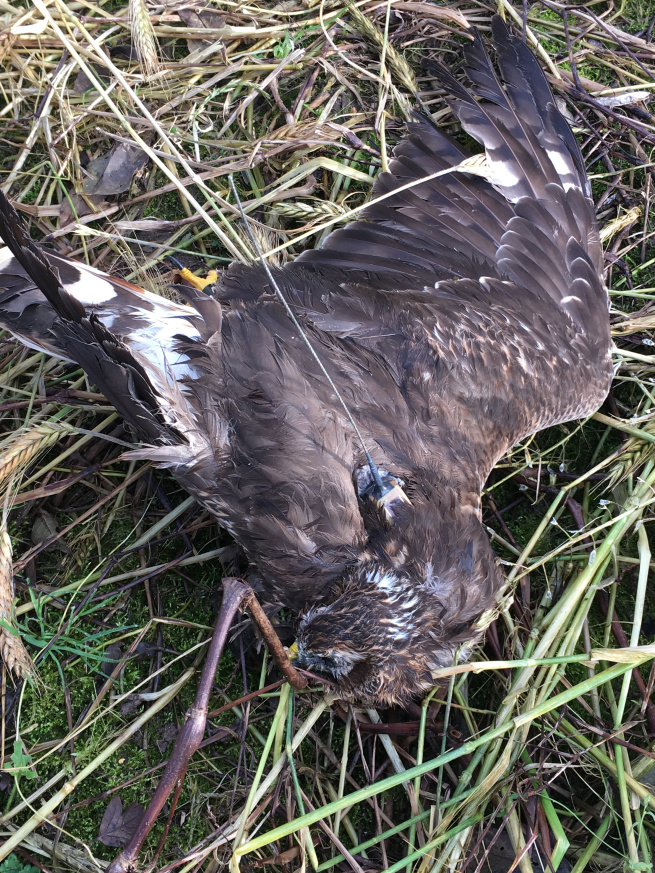
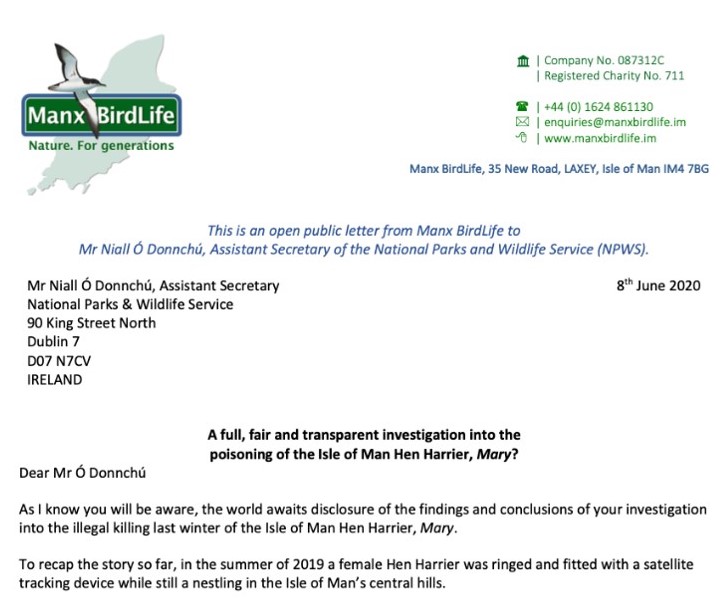
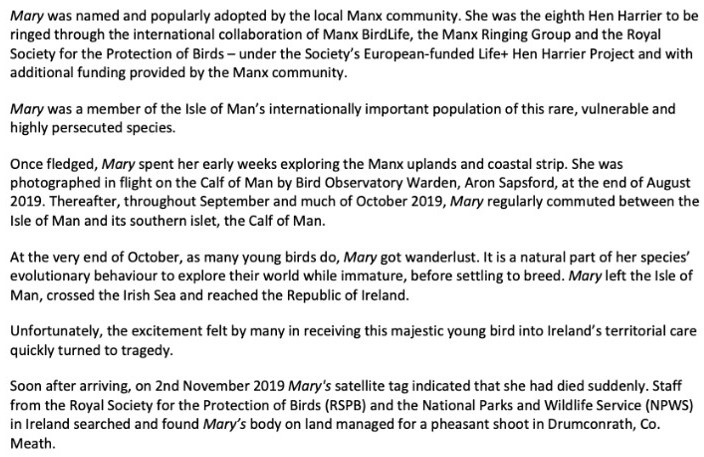
Poisoned hen harrier ‘Mary’ – open letter calls for action

A young hen harrier named Mary that hatched on the Isle of Man in 2019 and had been satellite-tagged by the RSPB’s Hen Harrier LIFE Project was found poisoned on a pheasant shoot in Co Meath in Ireland in November 2019. Tests revealed she had consumed the banned poison Carbofuran which was found on a pigeon bait and on other meat baits next to her corpse.

We blogged about the illegal killing of this hen harrier earlier this year (see here) and it was quite evident from the press statements from both BirdWatch Ireland and the RSPB that there were concerns that the National Parks and Wildlife Service (NPWS) and the Gardai (Irish Police) could be doing more in terms of investigation, enforcement and liaison.

[Hen harrier Mary found illegally poisoned on a pheasant shoot, photo by BirdWatch Ireland]

Seven months on from her death, those early concerns appear to have been justified.

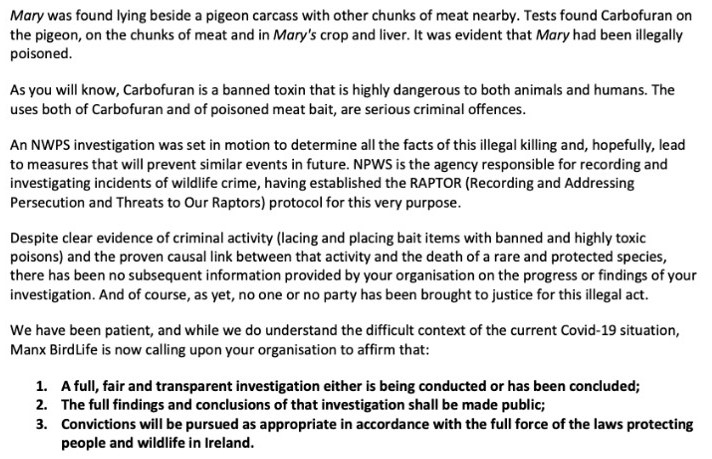
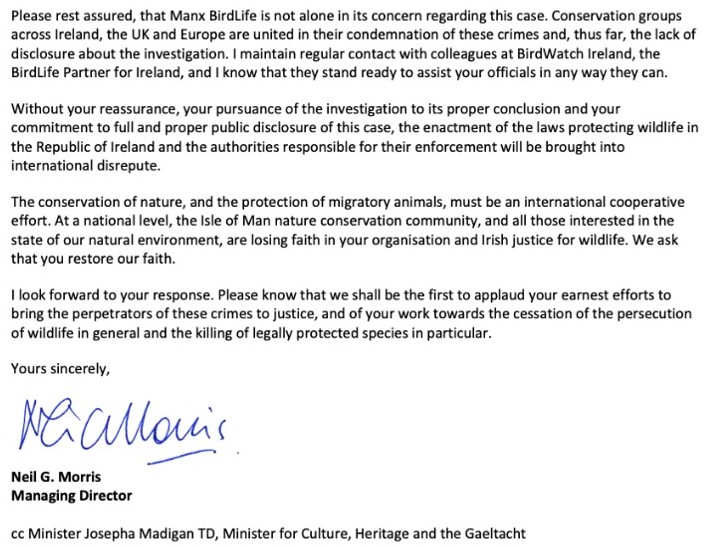
Have a look at this open letter, written by Manx BirdLife (Isle of Man) and addressed to the National Parks & Wildlife Service (Irish Republic) calling for transparency about any criminal investigation which may, or may not, have taken place in to the illegal killing of this hen harrier.

This is a really interesting, and welcome, move by Manx BirdLife. It’s an indication of the growing frustration around the ongoing illegal killing of hen harriers (and other raptors) and demonstrates an unwillingness just to sit back and watch it happen time and time again without anyone being held to account.

For all we know the NPWS may have conducted a thorough investigation and been thwarted by the usual problems of finding sufficient evidence for a prosecution, but that information should certainly be made public because otherwise it looks like they just don’t care and sends a message to other would-be criminals that this sort of offence will go unpunished.

It’ll be interesting to see what sort of response, if any, Manx BirdLife receives from the NPWS.

‘Bait trays’ sent for analysis after latest suspected buzzard poisoning incident

Article from The Southern Star (Co Cork) (2 June 2020)

Bait trays are found after buzzard killed in Kealkil

By Kieran O’Mahony

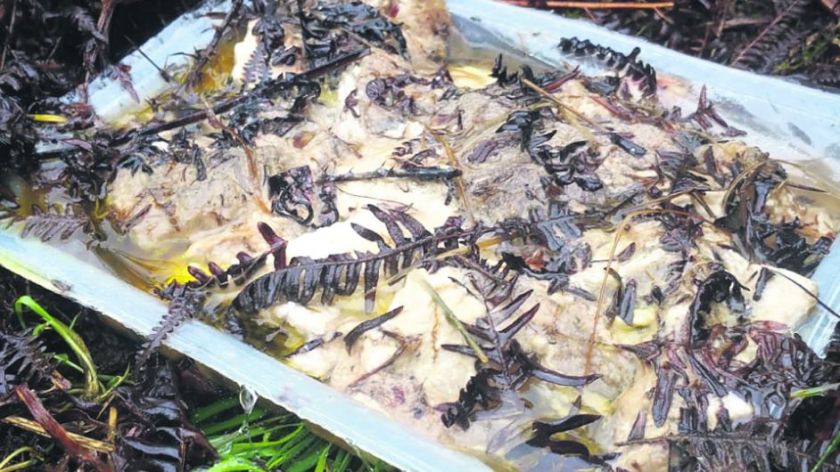
TRAYS containing contaminated meat laid out as bait may be responsible for the killing of a buzzard in the Kealkil area earlier this month.

[One of the meat trays submitted for toxicology analysis]

The National Parks & Wildlife Service (NPWS) were recently notified of the discovery of the dead buzzard by a family who were out walking their dog in the area.

This is the second incident in West Cork this year where buzzards, protected species, have been deliberately killed. It follows the discovery of 23 buzzards on farmland between Bandon and Timoleague in January. In this case, they were poisoned using the banned insecticide, carbofuran. It is not clear if these two incidents are connected.

NPWS staff are involved in an ongoing investigation into whether this was a persecution incident as they have found several trays, which contained meat which would appear to have been laid out as bait,” said a NPWS spokesperson.

The dead buzzard, the meat and the trays, have been sent to the State laboratory for further analysis to determine if there was poison involved.

The trays were placed along a track, which local people use for walking and other recreational activities.

Any poison bait or any meat-based poison, laid out in this way is illegal and indiscriminate. A dog either ingesting the poison or eating another animal that is sick or dead as a result of the bait, is likely to get seriously ill or die.”

The spokesperson also said that children are at risk if they pick up or handle contaminated material.

NPWS is asking any member of the public who has information about the incident or who sees anything suspicious – meat-based poison bait, which might be on a carcass or meat laid out in the open – to contact them or the gardaí immediately.

ENDS

It’s hard to imagine why trays of meat might be laid out other than to poison something, but perhaps there is a legitimate reason? However, if these do turn out to be trays of poisoned meat, the brazenness of the person who placed them would be astonishing.

Other recent poisoning incidents in this region include the killing of 23 buzzards with the banned pesticide Carbofuran (here) and the suspected poisoning of a search and rescue dog (here).

Search & Rescue dog dies after eating suspected poisoned bait

The Search and Rescue Dog Association (SARDA) has announced the death of one of its trainee dogs after consuming what is believed to have been a poisoned bait.

SARDA posted the following statement on social media yesterday:

Tragic news in the last few days, as Bonnie, a SARDA Ireland Trainee Trailing Dog died after she ate poison that had been deliberately put out on the hill with the intention of targeting wildlife. She and her handler Jim O’Brien were training in the foothills of the Knockmealdowns when the incident occurred.

Bonnie was a beautiful and talented dog who no doubt would have become one of our first SARDA Ireland Trailing Dogs. A tragic loss for Jim, who has lost his beloved pet, and a huge loss to the SARDA Ireland Trailing Dog Team.

There have also been reports in the media, such as this from Tipp FM:

Investigations are underway following the poisoning of a Search and Rescue Dog in Tipperary.

Bonnie – a Labrador/Collie cross – was being trained by a member of the Search and Rescue Dogs Association of Ireland.

The incident happened last Sunday week in woods on the foothills of the Knockmealdown Mountains near Clogheen. Sadly Bonnie passed away a few days later.

There are just 6 qualified dogs in the country with 4 of them part of the South Eastern Mountain Rescue Association.

Gerry Tobin is a dog handler with SARDA – he says there have been other incidents of poisoning reported in the area.

There are certain individuals who for whatever reason are putting out poisoned baits and targeting wildlife – buzzards, peregrines, badgers you know any animals like this are potentially going to be at risk of poisoning.

And you’re also in a situation where you could have a family dog being exercised on a Sunday afternoon along the Blackwater Way and the following day that family dog could be dead.”

ENDS

The type of poison hasn’t been disclosed in this case but only a few weeks ago we learned that the banned pesticide Carbofuran had been used for the mass poisoning of 23 buzzards in neighbouring County Cork (see here).

Placing poisoned baits to target birds of prey is not only illegal, but it’s also barbaric and indiscriminate. Only last month we heard of the suspected poisoning of two dogs in the notorious raptor-killing hell hole of Nidderdale, a so-called protected area designated as an Area of Outstanding Natural Beauty (AONB) in North Yorkshire. One of those dogs subsequently died (see here).

If you see what you believe is a poisoned bait, DON’T TOUCH IT but call the police immediately.