
Press release from independent group, Wildlife Poisoning Research UK, 15th November 2025.
WHERE THE POISONED BODIES WERE FOUND!
Many people probably imagine that the use of poisons to kill protected wildlife is something out of the pre-Victorian era, like cock fighting and bull baiting. However, this senseless and cruel slaughter is still happening in Britain, with many mammals and birds of prey suffering horrific and agonising deaths, even though this practice has been banned since 1911.
It is a crime which not only kills wildlife, but also kills much loved family pets and can even kill people. This is a wildlife crime that frequently occurs on remote and private land where the chance of detection is very low and most victims are never found. Those cases which are reported and then investigated must be considered to be a very small tip of a very large ‘iceberg’ of sickening rural felonies.

In 2017, in an attempt to combat this wildlife crime, the UK Government initiated a project to map incidents of illegal bird poisonings. This provided information to the public and other interested parties as to where these crimes were taking place and it was intended that these maps would be updated annually to “provide an invaluable intelligence tool to help fight crimes against birds of prey” (Defra press release 2017).
It now appears that these wildlife poison crime maps have not been updated and there is very little governmental action informing the public that these crimes are still occurring and wildlife is still being deliberately poisoned.
Wildlife Poisoning Research UK (WPRUK) works to place information about the environmental impact of pesticides, biocides and other toxic chemicals into the public domain so that the general public and the media have a better understanding of this situation. Data on cases of deliberate poisoning of birds has been obtained using Freedom of Information requests. This has enabled WPRUK to produce maps showing where these poisoned birds have been found. This is information which the Government, for whatever reason, has now apparently declined to put into the public domain.
WPRUK has now released a report pinpointing where the poisoned birds have been found in Northern England. Future maps will cover other parts of the UK.
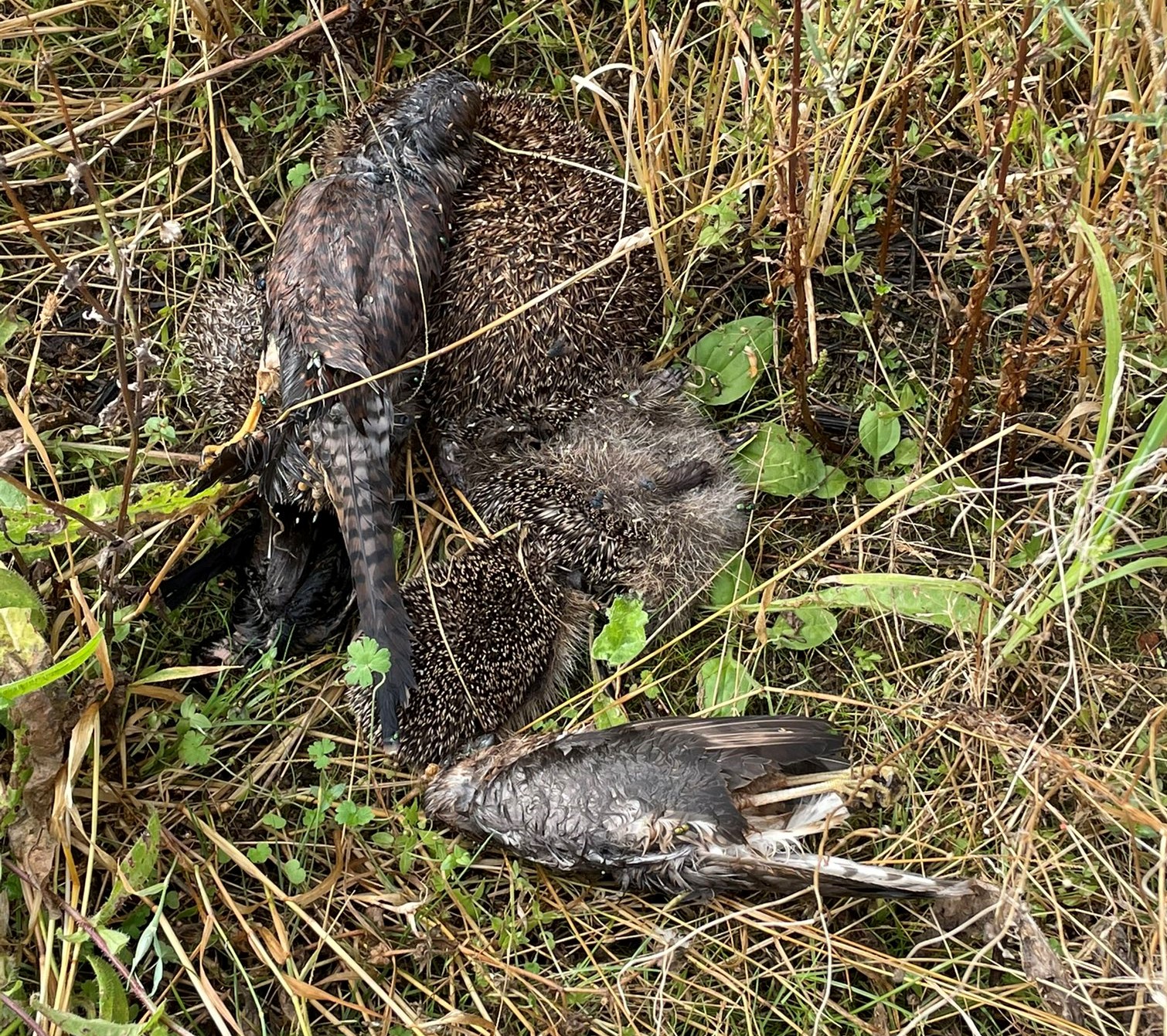
Between 2015 to 2023, the bodies of 73 legally protected birds, mostly birds of prey, were found in Northern England. These birds had been illegally and deliberately killed using poisons; 31 birds being Schedule 1 Wildlife and Countryside Act (1981) species, which have the highest level of protection. Due to the very small chance of poisoned birds being found, the real numbers of birds being killed by this criminal activity is likely to be far higher. To date, no one has been convicted for killing any of these 73 birds.
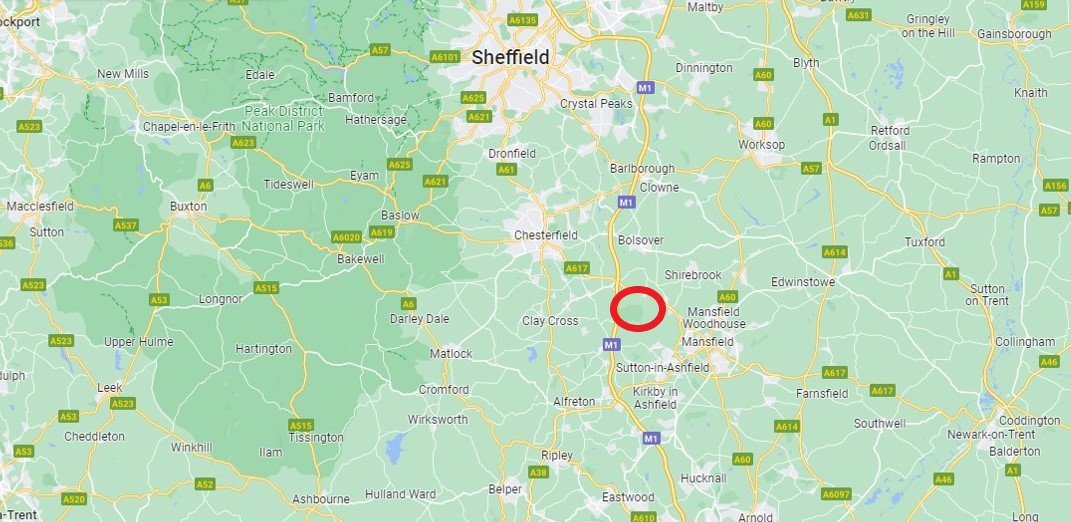
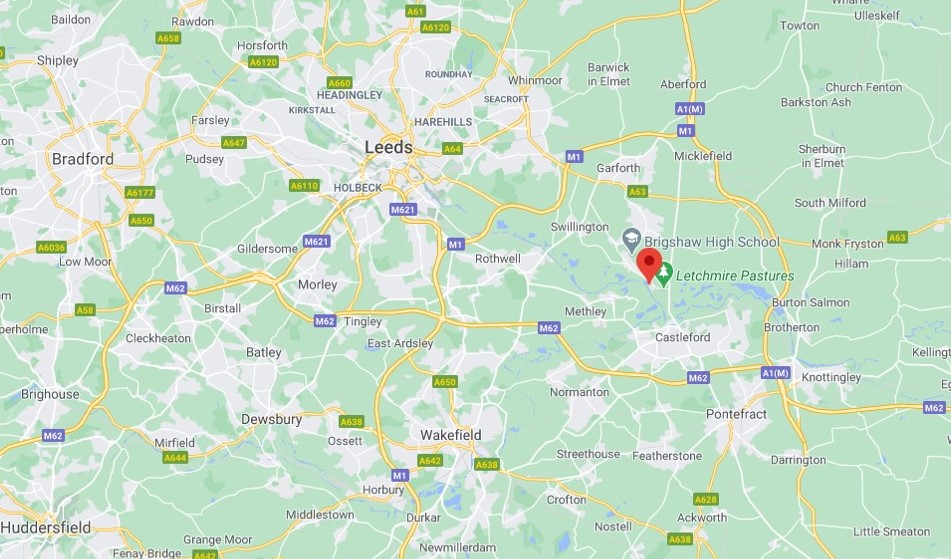
There were two areas in Northern England where particularly high numbers of poisoned birds were found. These were Nidderdale in North Yorkshire and the Glapwell area in Derbyshire.
Releasing the report, Dr Ed Blane from WPRUK said: “The fact that 114 years after this sickening practice was banned, individuals are still poisoning our wildlife is deeply disturbing. People visit the countryside to enjoy nature and they will be truly alarmed to learn that poison is still being used to kill wildlife.”
If this continues it might severely impact on plans to re-introduce white tailed eagles to Northern England. In the Southern England eagle project, at least 2 birds have been killed by poison.
A comment from Steve Downing Chairman Northern England Raptor Forum:
“We proudly, and rightly, identify ourselves as a nation of nature lovers. Every year tens of thousands of tourists, both domestic and foreign, visit the historic and beautiful countryside throughout the North of England to enjoy the scenery and stunning birds of prey that it supports. Collectively they spend £millions supporting our rural communities. What the visitors don’t see is the underbelly of criminality in the countryside where the barbaric practice of deliberately poisoning raptors persists today, as highlighted by the bodies found in Nidderdale, North Yorkshire and around Glapwell in Derbyshire. Thanks to Ed, a spotlight is being shone on this shocking pernicious activity raising public awareness of the danger presented by these lethal poisons, both to themselves and local birds of prey.”
Bob Elliot CEO of Wild Justice said:
“Illegal wildlife poisoning hasn’t faded into history; it’s still being carried out in the shadows with very little oversight. These findings show that wildlife species are still being killed with impunity, and the public is being kept in the dark about the scale of it. Without transparency, enforcement and the political will to confront those responsible, this criminal abuse of our countryside will continue unchecked.”
ENDS
The report can be read / downloaded here:








 Raptor Persecution UK