The police-led Hen Harrier Taskforce was launched in 2024 to tackle the ongoing illegal persecution of Hen Harriers on UK grouse moors.
The Taskforce was set up specifically in response to the ‘all time high’ level of Hen Harrier persecution crimes in 2022/2023 (at least 21 known incidents in 2022 and at least 33 known incidents in 2023). The extent of the criminality had become a major source of embarrassment for the police and for the government and they needed to be seen to be doing something.
The main premise of the HH Taskforce is summarised in this excerpt from the press release announcing the launch:
‘The Hen Harrier Task Force is an initiative led by the UK National Wildlife Crime Unit and supported by seven police forces (Cumbria, Derbyshire, Durham, Northumbria, North Yorkshire, South Yorkshire and West Yorkshire), DEFRA, the RSPB, National Gamekeepers’ Organisation, British Association for Shooting and Conservation (BASC), The Wildlife Trusts, GWCT, national parks, Country Land and Business Association (CLA), Natural England and The Moorland Association to combat the persecution of hen harriers in the UK. The taskforce aims to detect, deter, and disrupt offenders involved in wildlife crime by using technology and improving partnership working’.
You’ll note the heavy over-representation of game shooting organisations in this so-called ‘partnership’, including the National Gamekeepers Organisation and the Moorland Association (lobby group for England’s grouse moor owners).
However, several months after the launch, the Moorland Association (or at least its Chief Executive, Andrew Gilruth) was expelled from the Raptor Persecution Priority Delivery Group (RPPDG) and presumably that includes the Hen Harrier Taskforce, for ‘wasting time and distracting from the real work‘ of the RPPDG (see here).
After reading what I’m about to write in this blog, you might be wondering how the National Gamekeepers Organisation can be viewed as a credible ‘partner’ in the RPPDG and on the Hen Harrier Taskforce.
On 26 June 2025, the RSPB published its latest damning report about the extent of Hen Harrier persecution on driven grouse moors across the UK. Called ‘Hen Harriers in the Firing Line‘, the report demonstrated that record numbers of Hen Harriers were illegally killed or went ‘missing’ in suspicious circumstances during the years 2020-2024.
The following day, the National Gamekeepers Organisation posted this response in the News section of its website:
The article starts off well with a statement of truth. That is, that wildlife crimes are ‘non-notifiable’, in England & Wales at least, which means that wildlife crime figures are not officially collected at a national level by the Home Office. (In Scotland, wildlife crime recording became a statutory obligation under the Wildlife and Natural Environment (Scotland) Act 2011).
Most wildlife crimes in England & Wales are recorded as ‘miscellaneous’ offences and are therefore invisible in police records, with no duty to be reported upon. This problem has been the subject of a long-running campaign by Wildlife & Countryside LINK (e.g. here), and others, who for several years now have been urging the Home Office to make at least certain wildlife crimes (i.e. those associated with the National Wildlife Crime Priorities) notifiable so that there’s a better record of offences, allowing police resources to be applied appropriately. If the scale of a crime isn’t known, Police and Crime Commissioners are hardly going to allocate what are already tight police budgets towards tackling a crime that doesn’t look like it has any significance.
So having recognised and acknowledged that police forces don’t have to keep records of wildlife crime offences, the National Gamekeepers Organisation (NGO) then inexplicably announces that it has sent FoIs to all UK police forces to seek information on Hen Harrier persecution incidents.
Eh??!! Where’s the logic in that??
The stupidity doesn’t end there. It gets worse.
Let’s assume that the NGO did write FoIs to all 48 UK police forces and received responses from all of them (highly unlikely to get a 100% return rate but let’s go with it for now). Take a look at this particular statement in the NGO’s news article:
The NGO states that, ‘Having carried out Freedom of Information requests the NGO can state that from 2020 through to 2023, the police across all UK forces recorded eight Hen Harrier investigations in total. One was in Cumbria and the other 7 in Northumberland. Foul play was not cited by the police in any investigation‘. [Emphasis is mine].
Really? According to my data on Hen Harrier persecution recorded between 2020 – 2023, there were 82 recorded incidents across eight UK regions (North Yorkshire & Cumbria: 45; Northumberland: 12; County Durham: 11; Scotland: 7; South Yorkshire: 3; Lancashire: 3; Isle of Man: 1).
That’s quite a few more incidents, and is far more widespread, than the NGO’s claim of 8 incidents in just two police force areas.
The vast majority of those 82 incidents involved the suspicious ‘disappearance’ of satellite-tagged Hen Harriers. The number doesn’t include tags that have been listed as no longer transmitting as a result of possible tag failure, or birds that are known to have died a natural death. The National Wildlife Crime Unit, which leads the Hen Harrier Taskforce (on which the NGO serves so should be fully aware), explicitly uses satellite tag data to identify crime hotspots, i.e. locations where Hen Harriers repeatedly disappear in suspicious circumstances. Here’s another relevant excerpt from the Hen Harrier Taskforce launch press release:
‘Rather than purely focusing on the wildlife aspect of the crime, DI Harrison has tasked his team with taking a holistic view of the criminality and considering all types of offences. Criminals will often steal and destroy the satellite tags to conceal their offending. This could constitute criminal damage, theft and fraud. In the last few years alone, £100,000 worth of satellite tags have been lost in circumstances suspected to be criminal. The apparent use of firearms adds a further level of seriousness to these cases’. [Emphasis is mine].
For the NGO to use the line, ‘Foul play was not cited by the police in any investigation‘ is misleading at best.
Further, in amongst those 82 incidents recorded between 2020 – 2023 are a number of Hen Harriers where police investigations and post mortems explicitly detected ‘foul play’ (I prefer to call it crime, because that’s what this is). These are:
10 February 2022: An unnamed satellite-tagged Hen Harrier ‘disappeared’ in a grouse moor dominated area of the Peak District National Park (here). One year later it was revealed that the satellite tag/harness of this young male called ‘Anu’ had been deliberately cut off (see here).
12 April 2022: Hen Harrier ‘Free’ (Tag ID 201121) ‘disappeared’ at a ‘confidential site’ in Cumbria (here). It later emerged he hadn’t disappeared, but his mutilated corpse was found on moorland in the Yorkshire Dales National Park. A post mortem revealed the cause of death was having his head twisted and pulled off while he was still alive. One leg had also been torn off whilst he was still alive (here).
20 June 2022: Hen harrier chick #1 stamped to death in nest on a grouse moor in the Yorkshire Dales National Park (here).
20 June 2022: Hen Harrier chick #2 stamped to death in nest on a grouse moor in the Yorkshire Dales National Park (here).
20 June 2022: Hen Harrier chick #3 stamped to death in nest on a grouse moor in the Yorkshire Dales National Park (here).
20 June 2022: Hen Harrier chick #4 stamped to death in nest on a grouse moor in the Yorkshire Dales National Park (here).
14 December 2022: Hen Harrier female (brood meddled in 2022, #R3-F1-22) ‘disappeared’ from winter roost (same as #R2-F2-20) on moorland in the North Pennines AONB (here). Later found dead with two shotgun pellets in corpse (here).
9/10 May 2023: Hen Harrier male called ‘Dagda’, tagged by the RSPB in Lancashire in June 2022 and who was breeding on the RSPB’s Geltsdale Reserve in 2023 until he ‘vanished’, only to be found dead on the neighbouring Knarsdale grouse moor in May 2023 – a post mortem revealed he had been shot (here).
29 July 2023: Hen Harrier female (brood meddled in 2020, R2-F2-20) ‘disappeared’ at a confidential site in the North Pennines. Later notes from the NE spreadsheet: “Dead. Recovered – awaiting PM results. Final transmission location temporarily withheld at police request“ (here). Later report stated she’d been found dead with 3 shotgun pellets in corpse (here).
So, clearly the police forces that allegedly responded to the National Gamekeeper Organisation’s FoI requests haven’t been accurately recording Hen Harrier persecution crimes (because they don’t have to) but regardless of that, for the NGO to take that misinformation at face value, when (a) it knows that these crimes are not notifiable so individual police force records have to be viewed as unreliable, and (b) the NGO would have been fully aware of these high profile crimes (because they were all over the press and they’d also have been raised at the RPPDG meetings in which the NGO is a participant) can be viewed as either a measure of the NGO’s stupidity or what I see as an indication of its willingness to deceive.
What’s even more revealing is the lengths the NGO will go in its efforts to tarnish the RSPB’s reputation. Why submit FoI requests to 48 UK police forces to ask for Hen Harrier persecution data when you’re already a member of the RPPDG and the Hen Harrier Taskforce, where those persecution data are reliably recorded and readily available?
The whole premise of the NGO’s ‘news article’ seems to me to be using obviously unrepresentative data it received from an unspecified number of police forces to smear and undermine the reputation of the RSPB. You could paraphrase the NGO’s whole article as:
‘Aha! The RSPB’s Hen Harrier persecution data are clearly fabricated because all UK police forces only recorded eight Hen Harrier persecution incidents in two force areas between 2020 and 2023. There, we told you the RSPB make up the data just to make us gamekeepers look bad. You can’t believe a word the RSPB says. We love all raptors and especially Hen Harriers‘.
It’s half-baked nonsense and exposes the National Gamekeepers Organisation’s real intentions.
The NGO suggests that the RSPB is fabricating persecution data “to damage the public perception of gamekeepers” when actually it’s the NGO mispresenting information to damage the reputation of the RSPB. The NGO is right to suggest that the public’s perception of gamekeepers is poor, but that’s because gamekeepers are consistently linked to raptor persecution crimes. If gamekeepers want to improve their reputation it’s quite simple – stop killing birds of prey.
For anyone who still wants to pretend that the grouse shooting industry isn’t responsible for the systematic extermination of Hen Harriers on grouse moors across the UK, here’s the latest catalogue of crime that suggests otherwise.
This male hen harrier died in 2019 after his leg was almost severed in an illegally set trap that had been placed next to his nest on a Scottish grouse moor (see here). Photo by Ruth Tingay
This is the blog I now publish after every reported killing or suspicious disappearance.
“They disappear in the same way political dissidents in authoritarian dictatorships have disappeared” (Stephen Barlow, 22 January 2021).
Today the list has been updated to include the two most recently reported victims: an RSPB-satellite-tagged male called ‘Dynamo’ who vanished whilst hunting on a nearby grouse moor close to his nest site on United Utilities-owned land in the Forest of Bowland, Lancashire in May 2025 (here) and another male, this time-untagged, who also vanished from another active nest site on United Utilities-owned land in the Forest of Bowland, Lancashire, in May 2025 (here).
I’ve been compiling this list only since 2018 because that is the year that the grouse shooting industry ‘leaders’ would have us believe that the criminal persecution of Hen Harriers had stopped and that these birds were being welcomed back on to the UK’s grouse moors (see here).
This assertion was made shortly before the publication of a devastating new scientific paper that demonstrated that 72% of satellite-tagged Hen Harriers were confirmed or considered likely to have been illegally killed, and this was ten times more likely to occur over areas of land managed for grouse shooting relative to other land uses (see here). A further scientific paper published in 2023 by scientists at the RSPB, utilising even more recent data, echoed these results – see here.
2018 was also the year that Natural England issued a licence to begin a Hen Harrier brood meddling trial on grouse moors in northern England. For new blog readers, Hen Harrier brood meddling was a conservation sham sanctioned by DEFRA as part of its ludicrous ‘Hen Harrier Action Plan‘ and carried out by Natural England (NE), in cahoots with the very industry responsible for the species’ catastrophic decline in England.
For more background see here and for a critical evaluation of the trial after 5 years see this report by Wild Justice. In 2024 the brood meddling trial appeared to collapse for reasons which are not yet clear (see here) and the licence for the so-called ‘scientific trial’ expired. In March 2025 Natural England announced the end of the brood meddling trial (here) and in April 2025 announced that a licence application to continue brood meddling, submitted by the Moorland Association, had been refused (here).
Brood meddling was earlier described as a sort of ‘gentleman’s agreement’ by commentator Stephen Welch:
“I don’t get it, I thought the idea of that scheme was some kind of trade off – a gentleman’s agreement that the birds would be left in peace if they were moved from grouse moors at a certain density. It seems that one party is not keeping their side of the bargain“.
With at least 143 Hen Harriers gone since 2018, and 31 of those being brood meddled birds, there is no question that the grouse shooting industry was simply taking the piss. Meanwhile, Natural England pretended that ‘partnership working’ was the way to go and consecutive Tory DEFRA Ministers remained silent for all those years.
*n/a – no hen harriers were brood meddled in 2018. **Post mortem reports on a further seven hen harriers found dead in 2024/2025 are awaited. Those seven individuals are not included in this table.
‘Partnership working’ according to Natural England appeared to include authorising the removal of Hen Harrier chicks from a grouse moor already under investigation by the police for suspected raptor persecution (here) and accepting a £75k ‘donation’ from representatives of the grouse shooting industry with a contract clause that prevented Natural England from criticising them or the sham brood meddling trial (see here). This was in addition to a further £10k ‘donation’ that Natural England accepted, under the same terms, in 2021 (here).
Thankfully, the Scottish Government finally decided to act by introducing a grouse moor licensing scheme under the Wildlife Management & Muirburn (Scotland) Act 2024. The intention behind this new legislation is that grouse shooting estates could have their licences suspended/revoked if, on the balance of probability, it is shown that any raptor persecution crimes (& some other associated offences) are linked with grouse moor management on that estate. There, are, however, ongoing issues with the licence as it’s been significantly watered-down after an intervention from the grouse shooting industry (see here). Work is underway to address this.
In England a new Hen Harrier Taskforce was established in 2024, led by the National Wildlife Crime Unit, to use innovative techniques to target Hen Harrier persecution hotspots (locations where Hen Harriers repeatedly ‘disappear’ or are found illegally killed). It’s too early to judge the Taskforce’s success/failure and it’s been met with considerable resistance from the Moorland Association, the grouse moor owners’ lobby group (e.g. see here). So far though, it’s quite clear that the the illegal killing continues.
So here’s the latest gruesome list of ‘missing’/illegally killed hen harriers since 2018. Note that the majority of these birds (but not all) were fitted with satellite tags. How many more [untagged] harriers have been killed? We now have evidence that gamekeepers are specifically targeting untagged Hen Harriers, precisely to avoid detection (see here for extraordinary footage/audio captured by the RSPB’s Investigations Team as featured on Channel 4 News in October 2024).
February 2018: Hen Harrier Saorsa ‘disappeared’ in the Angus Glens in Scotland (here). The Scottish Gamekeepers Association later published wholly inaccurate information claiming the bird had been re-sighted. The RSPB dismissed this as “completely false” (here).
5 February 2018: Hen Harrier Marc ‘disappeared’ on a grouse moor in Durham (here).
9 February 2018: Hen Harrier Aalin ‘disappeared’ on a grouse moor in Wales (here).
March 2018: Hen Harrier Blue ‘disappeared’ in the Lake District National Park (here).
March 2018: Hen Harrier Finn ‘disappeared’ near Moffat in Scotland (here).
18 April 2018: Hen Harrier Lia ‘disappeared’ in Wales and her corpse was retrieved in a field in May 2018. Cause of death was unconfirmed but police treating death as suspicious (here).
8 August 2018: Hen Harrier Hilma ‘disappeared’ on a grouse moor in Northumberland (here).
16 August 2018: Hen Harrier Athena ‘disappeared’ on a grouse moor in Scotland (here).
26 August 2018: Hen Harrier Octavia ‘disappeared’ on a grouse moor in the Peak District National Park (here).
29 August 2018: Hen Harrier Margot ‘disappeared’ on a grouse moor in Scotland (here).
29 August 2018: Hen Harrier Heulwen ‘disappeared’ on a grouse moor in Wales (here).
3 September 2018: Hen Harrier Stelmaria ‘disappeared’ on a grouse moor in Scotland (here).
24 September 2018: Hen Harrier Heather ‘disappeared’ on a grouse moor in Scotland (here).
2 October 2018: Hen Harrier Mabel ‘disappeared’ on a grouse moor on the edge of the Yorkshire Dales National Park (here).
3 October 2018: Hen Harrier Thor ‘disappeared’ next to a grouse moor in Bowland, Lanacashire (here).
23 October 2018: Hen Harrier Tom ‘disappeared’ in South Wales (here).
26 October 2018: Hen Harrier Arthur ‘disappeared’ on a grouse moor in the North York Moors National Park (here).
1 November 2018: Hen Harrier Barney ‘disappeared’ on Bodmin Moor (here).
10 November 2018: Hen Harrier Rannoch ‘disappeared’ on a grouse moor in Scotland (here). Her corpse was found nearby in May 2019 – she’d been killed in an illegally-set spring trap (here).
14 November 2018: Hen Harrier River ‘disappeared’ on a grouse moor in the Nidderdale AONB (here). Her corpse was found nearby in April 2019 – she’d been illegally shot (here).
16 January 2019: Hen Harrier Vulcan ‘disappeared’ in Wiltshire close to Natural England’s proposed reintroduction site (here).
28 January 2019: Hen Harrier DeeCee ‘disappeared’ in Glen Esk, a grouse moor area of the Angus Glens (see here).
7 February 2019: Hen Harrier Skylar ‘disappeared’ next to a grouse moor in South Lanarkshire (here).
22 April 2019: Hen Harrier Marci ‘disappeared’ on a grouse moor in the Cairngorms National Park (here).
26 April 2019: Hen Harrier Rain ‘disappeared’ on a grouse moor in Nairnshire (here).
11 May 2019: An untagged male Hen Harrier was caught in an illegally-set trap next to his nest on a grouse moor in South Lanarkshire. He didn’t survive (here).
7 June 2019: An untagged Hen Harrier was found dead on a grouse moor in Scotland. A post mortem stated the bird had died as a result of ‘penetrating trauma’ injuries and that this bird had previously been shot (here).
5 September 2019: Wildland Hen Harrier 1 ‘disappeared’ on a grouse moor nr Dalnaspidal on the edge of the Cairngorms National Park (here).
11 September 2019: Hen Harrier Romario ‘disappeared’ on a grouse moor in the Cairngorms National Park (here).
14 September 2019: Hen Harrier (Brood meddled in 2019, #183704) ‘disappeared’ in the North Pennines (here).
23 September 2019: Hen Harrier (Brood meddled in 2019, #55149) ‘disappeared’ in North Pennines (here).
24 September 2019: Wildland Hen Harrier 2 ‘disappeared’ on a grouse moor at Invercauld in the Cairngorms National Park (here).
24 September 2019: Hen Harrier Bronwyn ‘disappeared’ near a grouse moor in North Wales (here).
10 October 2019: Hen Harrier Ada ‘disappeared’ on a grouse moor in the North Pennines AONB (here).
12 October 2019: Hen Harrier Thistle ‘disappeared’ on a grouse moor in Sutherland (here).
18 October 2019: Member of the public reports the witnessed shooting of an untagged male Hen Harrier on White Syke Hill in North Yorkshire (here).
November 2019: Hen Harrier Mary found illegally poisoned on a pheasant shoot in Ireland (here).
November 2019: Hen Harrier Artemis ‘disappeared’ near Long Formacus in south Scotland (RSPB pers comm).
14 December 2019: Hen harrier Oscar ‘disappeared’ in Eskdalemuir, south Scotland (here).
December 2019: Hen Harrier Ingmar ‘disappeared’ in the Strathbraan grouse moor area of Perthshire (RSPB pers comm).
27 January 2020: Members of the public report the witnessed shooting of a male Hen Harrier on Threshfield Moor in the Yorkshire Dales National Park (here).
23 March 2020: Hen Harrier Rosie ‘disappeared’ at an undisclosed roost site in Northumberland (here).
1 April 2020: Hen Harrier (Brood meddled in 2019, #183703) ‘disappeared’ in unnamed location, tag intermittent (here).
5 April 2020: Hen Harrier Hoolie ‘disappeared’ on a grouse moor in the Cairngorms National Park (here)
8 April 2020: Hen Harrier Marlin ‘disappeared’ on a grouse moor in the Cairngorms National Park (here).
19 May 2020: Hen Harrier Fingal ‘disappeared’ on a grouse moor in the Lowther Hills, Scotland (here).
21 May 2020: Hen Harrier (Brood meddled in 2019, #183701) ‘disappeared’ on a grouse moor in Cumbria shortly after returning from wintering in France (here).
27 May 2020: Hen Harrier Silver ‘disappeared’ on a grouse moor on Leadhills Estate, Scotland (here).
2020: day/month unknown: Unnamed male Hen Harrier breeding on RSPB Geltsdale Reserve, Cumbria ‘disappeared’ while away hunting (here).
9 July 2020: Unnamed female Hen Harrier (#201118) ‘disappeared’ from an undisclosed site in Northumberland (here).
25 July 2020: Hen Harrier Harriet ‘disappeared’ on a grouse moor in the Yorkshire Dales National Park (here).
14 August 2020: Hen Harrier Solo ‘disappeared’ in confidential nest area in Lancashire (here).
7 September 2020: Hen Harrier Dryad ‘disappeared’ on a grouse moor in the Yorkshire Dales National Park (here).
16 September 2020: Hen Harrier Fortune ‘disappeared’ from an undisclosed roost site in Northumberland (here).
19 September 2020: Hen Harrier Harold ‘disappeared’ on a grouse moor in the Yorkshire Dales National Park (here).
20 September 2020: Hen Harrier (Brood meddled in 2020, #55152) ‘disappeared’ next to a grouse moor in North Yorkshire (here).
24 February 2021: Hen Harrier Tarras ‘disappeared’ next to a grouse moor in Northumberland (here)
12th April 2021: Hen Harrier Yarrow ‘disappeared’ near Stockton, County Durham (here).
18 May 2021: Adult male Hen Harrier ‘disappeared’ from its breeding attempt on RSPB Geltsdale Reserve, Cumbria whilst away hunting (here).
18 May 2021: Another adult male Hen Harrier ‘disappeared’ from its breeding attempt on RSPB Geltsdale Reserve, Cumbria whilst away hunting (here).
24 July 2021: Hen Harrier Asta ‘disappeared’ at a ‘confidential site’ in the North Pennines (here). We learned 18 months later that her wings had been ripped off so her tag could be fitted to a crow in an attempt to cover up her death (here).
14th August 2021: Hen Harrier Josephine ‘disappeared’ at a ‘confidential site’ in Northumberland (here).
17 September 2021: Hen Harrier Reiver ‘disappeared’ in a grouse moor dominated region of Northumberland (here)
24 September 2021: Hen Harrier (Brood meddled in 2021, R2-F-1-21) ‘disappeared’ in Northumberland (here).
15 November 2021: Hen Harrier (brood meddled in 2020, #R2-F1-20) ‘disappeared’ at the edge of a grouse moor on Arkengarthdale Estate in the Yorkshire Dales National Park (here).
19 November 2021: Hen Harrier Val ‘disappeared’ in the Lake District National Park in Cumbria (here).
19 November 2021: Hen Harrier Percy ‘disappeared’ in Lothian, Scotland (here).
12 December 2021: Hen Harrier Jasmine ‘disappeared’ on a grouse moor (High Rigg Moor on the Middlesmoor Estate) in the Nidderdale AONB in North Yorkshire (here).
9 January 2022: Hen Harrier Ethel ‘disappeared’ in Northumberland (here).
26 January 2022: Hen Harrier Amelia ‘disappeared’ in Bowland (here).
10 February 2022: An unnamed satellite-tagged Hen Harrier ‘disappeared’ in a grouse moor dominated area of the Peak District National Park (here). One year later it was revealed that the satellite tag/harness of this young male called ‘Anu’ had been deliberately cut off (see here).
12 April 2022: Hen Harrier ‘Free’ (Tag ID 201121) ‘disappeared’ at a ‘confidential site’ in Cumbria (here). It later emerged he hadn’t disappeared, but his mutilated corpse was found on moorland in the Yorkshire Dales National Park. A post mortem revealed the cause of death was having his head twisted and pulled off. One leg had also been torn off whilst he was still alive (here).
April 2022: Hen Harrier ‘Pegasus’ (tagged by the RSPB) ‘disappeared’ on a grouse moor at Birkdale in the Yorkshire Dales National Park (here).
May 2022: A male breeding Hen Harrier ‘disappeared’ from a National Trust-owned grouse moor in the Peak District National Park (here).
May 2022: Another breeding male Hen Harrier ‘disappeared’ from a National Trust-owned grouse moor in the Peak District National Park (here).
14 May 2022: Hen Harrier ‘Harvey’ (Tag ID 213844) ‘disappeared’ from a ‘confidential site’ in the North Pennines (here).
20 June 2022: Hen harrier chick #1 stamped to death in nest on a grouse moor in the Yorkshire Dales National Park (here).
20 June 2022: Hen Harrier chick #2 stamped to death in nest on a grouse moor in the Yorkshire Dales National Park (here).
20 June 2022: Hen Harrier chick #3 stamped to death in nest on a grouse moor in the Yorkshire Dales National Park (here).
20 June 2022: Hen Harrier chick #4 stamped to death in nest on a grouse moor in the Yorkshire Dales National Park (here).
17 August 2022: Hen Harrier (brood meddled in 2022, #R1-M1-22) ‘disappeared’ on moorland in the Yorkshire Dales National Park (here).
September 2022: Hen Harrier ‘Sullis’ (tagged by the RSPB) ‘disappeared’ on a grouse moor in Cumbria (here).
5 October 2022: Hen Harrier (brood meddled in 2022, #R3-M2-22) ‘disappeared’ on moorland in the Yorkshire Dales National Park (here).
10 October 2022: Hen Harrier ‘Sia’ ‘disappeared’ near Hamsterley Forest in the North Pennines (here).
October 2022: Hen Harrier (brood meddled in 2021, #R1-F1-21) ‘disappeared’ in the North Sea off the North York Moors National Park (here).
1 December 2022: Hen Harrier male (brood meddled in 2021, #R1-M1-21) ‘disappeared’ on moorland in the Yorkshire Dales National Park (here).
7 December 2022: Hen Harrier female (brood meddled in 2020, #55144) ‘disappeared’ from winter roost (same as #R3-F1-22) on moorland in North Pennines AONB (here).
14 December 2022: Hen Harrier female (brood meddled in 2022, #R3-F1-22) ‘disappeared’ from winter roost (same as #R2-F2-20) on moorland in the North Pennines AONB (here). Later found dead with two shotgun pellets in corpse (here).
15 December 2022: Hen Harrier female (brood meddled in 2022, #R2-F1-22) ‘disappeared’ on moorland in the Yorkshire Dales National Park (here).
30 March 2023: Hen Harrier female (brood meddled in 2022, #R1-F3-22) ‘disappeared’ in Yorkshire (here). Notes from NE Sept 2023 spreadsheet update: “Final transmission location temporarily withheld at police request“.
1 April 2023: Hen Harrier male (brood meddled in 2022, #R2-M1-22) ‘disappeared’ in Yorkshire (here). Notes from NE Sept 2023 spreadsheet update: “Final transmission location temporarily withheld at police request“.
April 2023: Hen Harrier ‘Lagertha’ (tagged by RSPB) ‘disappeared’ in North Yorkshire (here).
April 2023: Hen Harrier ‘Nicola’ (Tag ID 234078) ”disappeared’ in North Yorkshire (here).
April 2023: Untagged male Hen Harrier ‘disappeared’ from an active nest on RSPB Geltsdale Reserve in Cumbria (here).
April 2023: Another untagged male Hen Harrier ‘disappeared’ from an active nest on RSPB Geltsdale Reserve in Cumbria (here).
April 2023: Untagged male Hen Harrier ‘disappeared’ from an active nest in Durham (here).
4/5 May 2023: Satellite-tagged male Hen Harrier called ‘Rush’ ‘disappeared’ from a grouse moor in Bowland AONB in Lancashire (here).
9/10 May 2023: Hen Harrier male called ‘Dagda’, tagged by the RSPB in Lancashire in June 2022 and who was breeding on the RSPB’s Geltsdale Reserve in 2023 until he ‘vanished’, only to be found dead on the neighbouring Knarsdale grouse moor in May 2023 – a post mortem revealed he had been shot (here).
17 May 2023: Satellite-tagged Hen Harrier called ‘Wayland’ ‘disappeared’ in the Clapham area of North Yorkshire, just north of the Bowland AONB (here).
31 May 2023: Hen Harrier male (brood meddled in 2022, tag #213932, name: R2-M3-22) ‘disappeared’ in Northumberland (grid ref: NY765687) (here).
11 June 2023: Hen Harrier male (brood meddled in 2021, tag #213922, name: R2-M1-21) ‘disappeared’ at a confidential site in the Yorkshire Dales National Park. Notes from the NE spreadsheet: “Final transmission location temporarily withheld at police request“ (here).
12 June 2023: Hen Harrier male (brood meddled in 2020, tag #203004, name: R1-M2-20) ‘disappeared’ on a grouse moor in Co. Durham (grid ref: NY976322) (here).
6 July 2023: Satellite-tagged female Hen Harrier named ‘Rubi’ (tag #201124a) ‘disappeared’ on a grouse moor in Co. Durham (grid ref: NY911151) (here).
23 July 2023: Hen Harrier female (brood meddled in 2023, tag #55154a, name: R1-F1-23) ‘disappeared’ on a grouse moor in Co. Durham (close to where ‘Rubi’ vanished), grid ref: NY910126 (here).
29 July 2023: Hen Harrier female (brood meddled in 2020, R2-F2-20) ‘disappeared’ at a confidential site in the North Pennines. Notes from the NE spreadsheet: “Dead. Recovered – awaiting PM results. Final transmission location temporarily withheld at police request“ (here). Later found dead with 3 shotgun pellets in corpse (here).
9 August 2023: Satellite-tagged Hen Harrier called ‘Martha’ ‘disappeared’ on a grouse moor (Westburnhope Moor) near Hexham in the North Pennines (here).
11 August 2023: Satellite-tagged hen harrier called ‘Selena’ ‘disappeared’ on a grouse moor (Mossdale Moor) in the Yorkshire Dales National Park (here).
11 August 2023: Hen Harrier female (brood meddled in 2023, tag #201118a, name: R3-F1-23) ‘disappeared’ in Co. Durham (grid ref: NZ072136) (here).
15 August 2023: Satellite-tagged Hen Harrier called ‘Hepit’ ‘disappeared’ on a grouse moor (Birkdale Common) near Kirkby Stephen in the Yorkshire Dales National Park (here).
24 August 2023: Hen Harrier female (brood meddled in 2023, tag #55155a, name: R1-F2-23) ‘disappeared’ at a confidential site in Northumberland. Notes from the NE spreadsheet: “Final transmission location temporarily withheld at police request“ (here).
August-Sept 2023: Satellite-tagged Hen Harrier called ‘Harmonia’ ‘disappeared’ in the Yorkshire Dales National Park (here).
September 2023: Hen Harrier female ‘Saranyu’, tagged by the RSPB in Cumbria in June 2023, ‘disappeared’ in Durham in September 2023 (no further details available yet – just outline info provided in 2022 Birdcrime report) (here).
September 2023: Hen Harrier female ‘Inger’, a female tagged by the RSPB in Perthshire in July 2022, ‘disappeared’ on a grouse moor in the Angus Glens in September 2023 (here).
15 September 2023: Hen Harrier male called ‘Rhys’, tagged in Cumbria on 1st August 2023, ‘disappeared’ on a grouse moor in the Yorkshire Dales National Park. Grid ref: SD798896 (here).
24 September 2023: Hen Harrier female (brood meddled in 2023, name: ‘R2-F2-23’) ‘disappeared’ in the North Pennines, grid ref: NY888062 (here).
25 September 2023: Hen Harrier female (brood meddled in 2022, name: ‘R1-F4-22’) ‘disappeared’ on a grouse moor in the Yorkshire Dales National Park, grid ref: SE077699 (here).
26 September 2023: Hen Harrier female called ‘Hope’, tagged in Cumbria on 21 July 2023, ‘disappeared’ next to a grouse moor in the Yorkshire Dales National Park, grid ref: SD801926 (here).
4 October 2023: Hen Harrier male (brood meddled in 2020, name: ‘R1-M3-20’) ‘disappeared’ in Co Durham, grid ref: NY935192 (here).
4 October 2023: Hen Harrier female (brood meddled in 2023, name: ‘R4-F1-23’) ‘disappeared’ on a grouse moor in the Yorkshire Dales National Park, grid ref: SE003981 (here).
14 October 2023: Hen Harrier male called ‘Cillian’, tagged in Cumbria on 1 August 2023, ‘disappeared’ in south west Scotland, grid ref: NY051946 (here).
15 November 2023: Hen Harrier female called ‘Hazel’, tagged in Cumbria on 21 July 2023, ‘disappeared’ on the Isle of Man, grid ref: SC251803 (here).
27 November 2023: Hen Harrier female called ‘Gill’, tagged in Northumberland on 10 July 2023, ‘disappeared’ at a confidential location in Teeside (here).
12 February 2024: Hen Harrier female called ‘Susie’, Tag ID 201122, found dead at a confidential location in Northumberland and the subject of an ongoing police investigation (here).
15 February 2024: Hen Harrier female called ‘Shalimar’, tagged on the National Trust for Scotland’s Mar Lodge estate in 2023, ‘disappeared’ in suspicious circumstances on a grouse moor in the notorious Angus Glens (here).
7 March 2024: Hen Harrier male (brood meddled in 2023, name R2-M1-23) found dead in Devon. According to an FoI response from Natural England in June 2024 this death is the subject of an ongoing police investigation (here).
24 April 2024: Hen Harrier male called ‘Ken’, Tag ID 213849a, ‘disappeared’ in suspicious circumstances close to a grouse moor in Bowland, grid ref SD 684601 (here).
17 May 2024: Hen Harrier male (brood meddled in 2023, name R2-M2-23) ‘disappeared’ in suspicious circumstances next to Middlesmoor grouse moor in Nidderdale, grid ref SE043754 (here).
25 June 2024: Hen Harrier female (brood meddled in 2023, name R2-F1-23) ‘disappeared’ in suspicious circumstances on a grouse moor in Yorkshire Dales National Park, grid ref NY985082 (here).
July 2024: Hen Harrier female named ‘Helius’ satellite tagged by the RSPB ‘disappeared’ in suspicious circumstances in Bowland (here).
October 2024: An un-tagged Hen Harrier was seemingly shot on a grouse moor by one of three gamekeepers being secretly filmed by the RSPB (here).
1 October 2024: Hen Harrier female named ‘Dreich’, Tag ID: 254842, ‘disappeared’ in Lanarkshire. Listed by NE as ‘Missing Fate Unknown, site confidential – ongoing investigation‘ (here).
15 October 2024: Hen Harrier male named ‘Baldur’, Tag ID: 240291, ‘disappeared’ in Northumberland. Listed by NE as ‘Missing Fate Unknown, site confidential – ongoing investigation‘ (here).
19 October 2024: Hen Harrier female named ‘Margaret’, Tag ID: 254844, ‘disappeared’ in Northumberland. Listed by NE as ‘Missing Fate Unknown, site confidential – ongoing investigation‘ (here).
12 January 2025: Hen Harrier female named ‘Dina’, Tag ID: 254837, ‘disappeared’ near a grouse moor in the Lammermuirs, south Scotland (grid ref: NT 681512). Listed by NE as ‘Missing Fate Unknown’ (here).
15 January 2025: Hen Harrier female named ‘Red’, hatched on the Tarras Valley Nature Reserve in 2024, ‘disappeared’ on a grouse moor in County Durham in the North Pennines, in the same area another tagged Hen Harrier (Sia) vanished in 2022 (here).
3 February 2025: Hen Harrier female (brood meddled in 2022, name R3-F2-22) ‘disappeared’ on a grouse moor in the North York Moors National Park. Listed by NE as ‘Missing Fate Unknown’ (here).
27 February 2025: Hen Harrier female named ‘Sita’, satellite-tagged on behalf of Hen Harrier Action in Bowland in 2024 and tracked by the RSPB, ‘disappeared’ from a roost site on an unnamed grouse moor in the Yorkshire Dales National Park (here). More details published on 1 October 2025 (here).
4 April 2025: Hen Harrier female named ‘Bonnie’, Tag ID: 254841, ‘disappeared’ in Scotland. Listed by NE as ‘Missing Fate Unknown. Site confidential – ongoing investigation’ (here).
10 April 2025: Hen Harrier female named ‘Gill’, Tag ID: 240294, ‘disappeared’ in Scotland. Listed by NE as ‘Missing Fate Unknown. Site confidential – ongoing investigation’ (here).
May 2025: Male Hen Harrier (with active nest on RSPB Geltsdale Reserve in Cumbria) ‘disappeared’. Strongly suspected to have been shot whilst away hunting on nearby grouse moor (here).
May 2025: Another male Hen Harrier (with another active nest on RSPB Geltsdale Reserve in Cumbria) ‘disappeared’. Strongly suspected to have been shot whilst away hunting on nearby grouse moor (here).
May 2025: Male Hen Harrier called ‘Dynamo’, satellite-tagged by the RSPB and with an active nest on United Utilities-owned land in Bowland, Lancashire, ‘disappeared’. Strongly suspected to have been shot whilst away hunting on a nearby grouse moor (here).
May 2025: Another male Hen Harrier (untagged) with an active nest on United Utilities-owned land in Bowland, Lancashire, ‘disappeared’. Strongly suspected to have been shot whilst away hunting on a nearby grouse moor (here).
To be continued…….
Of these 143 incidents, only one has resulted in an arrest and a subsequent prosecution (ongoing – after a ‘not guilty plea’ a gamekeeper is due in court again in September 2025, see here).
I had thought that when we reached 30 dead/missing Hen Harriers then the authorities might pretend to be interested and at least say a few words about this national scandal. We’ve now reached at least ONE HUNDRED AND FORTY THREE Hen Harriers, and still Govt ministers remain silent on the illegal persecution issue. They appear not to give a monkey’s. And yes, there are other things going on in the world, as always. That is not reason enough to ignore this blatant, brazen and systematic destruction of a supposedly protected species, being undertaken to satisfy the greed and bloodlust of a minority of society.
And let’s not forget the response from the (now former) Moorland Association Chair (and owner of Swinton Estate) Mark Cunliffe-Lister, who told BBC Radio 4 in August 2023 that, “Clearly any illegal [Hen Harrier] persecution is nothappening” (here), in the year when a record 33 Hen Harriers had been confirmed ‘missing’ and/or illegally killed.
Nor should we forget the response from the Game and Wildlife Conservation Trust’s (GWCT) Director of Policy Dr Alistair Leake who wrote a letter to the Guardian newspaper in November 2023 stating that the Hen Harrier brood management [meddling] scheme “is surely a shining example of human / wildlife conflict resolution that would be the envy of other countries trying to find similar solutions“ (I kid you not – here).
In addition to the seven outstanding cases from 2024/2025, which are not included on the 143 list above because post-mortems are apparently ‘still pending’ (they’re not pending at all, they’ve been completed but Natural England and the Hen Harrier Task Force are refusing to publicise the results – why is that?), I’m aware of at least anotherseven cases from 2025 that are still to be publicised. There may be others of which I’m not yet aware.
The alleged incident took place on 12 February 2024 on a shooting estate near Blairgowrie.
Police Scotland, with the assistance of partners from the RSPB and Scottish SPCA, executed a search warrant on the estate on 29 February 2024, leading to the arrest of the gamekeeper and subsequent charge.
The trial will begin on 22 September 2025.
NB: As this case is live, comments are turned off until legal proceedings have ended.
UPDATE 17 September 2025: Change of trial date for Scottish gamekeeper accused of killing a goshawk on a Perthshire shooting estate (here)
Perhaps the most surprising pro-grouse shooting voice at Monday’s Westminster Hall debate on driven grouse shooting was Sam Rushworth, the Labour MP for Bishop Auckland.
Wild Justice described Rushworth’s arguments in the debate as being ‘less coherent’ than his Labour colleague’s (Olivia Blake MP):
‘Mr Rushworth’s arguments were less coherent, stating firmly his dedication to animal welfare and his stance against fox hunting, whilst also defending an industry known for its illegal persecution of birds of prey and its legal, yet unethical, killing of wildlife such as the routine killing of foxes, referred to by the industry as ‘vermin’‘.
Here’s what I wrote earlier today about Rushworth’s contribution to the debate:
‘Sam Rushworth MP (Labour, Bishop Auckland), whose constituency includes some notorious grouse moors in the North Pennines, which is another well-known raptor persecution hotspot, spoke about attending a recent ‘Lets Learn Moor’ event with primary-age schoolchildren. He also mentioned being “disgusted by the criminality that sometimes occurs on the moorland“. I wonder if he realises that these events, funded by BASC, are facilitated by the Regional Moorland Groups, many of whose members have been under police investigation into suspected and confirmed raptor persecution crimes? Awkward’.
It was all a bit odd.
But now things have become a whole lot clearer.
Here’s an excerpt from Rushworth’s list of Registered Interests on the Parliamentary website:
Well, well, well. Rushworth’s pro-shooting stance no longer looks surprising, does it?
This entry reveals that Rushworth received a £10,000 donation from the North Pennine Moorland Group in October 2023, for ‘campaign support’. Imagine that!
For those who might not know who the North Pennine Moorland Group is, it’s basically one of a large number of regional grouse moor groups that sprang up across England and Scotland several years ago, presenting themselves as ‘grassroots community groups’, purporting to represent ‘downtrodden country folk’ who were being unfairly attacked by some nasty people from the cities who didn’t understand country ways.
In reality, these groups appear to be part of a well-funded and co-ordinated astroturfing campaign for the driven grouse shooting industry, closely associated with the vile and abusive Campaign for the Protection of Moorland Communities (C4PMC) website, which specialises in publishing personal attacks and smears on anyone who dares to raise questions about the environmental unsustainability and criminality associated with driven grouse moor management. Indeed, the Chair of the North Pennines Moorland Group was listed as being one of ‘Our People’ when C4PMC lurched on to the scene in 2020 (see here).
Funny, I don’t recall hearing Rushworth making a declaration of interest about this £10,000 donation prior to his speech in the debate. As I understand it, ‘politicians must declare relevant interests that could be perceived as influencing their views or actions. This includes financial interests, gifts, hospitality, and any other interests that might create a perception of bias‘.
Perhaps, as this £10,000 donation was received in October 2023, prior to Rushworth’s election in July 2024, it doesn’t count as something he needed to declare before his speech? But then the donation is included on his official Registered Interests page on the parliamentary website so it does appear to be something he should have declared in the debate. Perhaps it was just an oversight and he’ll no doubt be grateful for the clarification here.
The donation raises a lot of questions.
The timing of it is interesting, as it was made around the same time as a £10,000 donation was made to the then Conservative MP for Hexham, Northumberland, Guy Opperman, by a company called GMS Partnership Ltd, whose sole director just happened to be one Andrew Gilruth, the Chief Executive of the Moorland Association, the lobby group for England’s grouse moor owners (see here) and prior to that he was Chair of the Regional Moorland Groups.
Opperman lost his seat in the July 2024 election.
Were these two £10,000 donations linked in any way? Are we uncovering a wider strategy of ‘donations’ from the grouse shooting industry, given to MPs in grouse moor dominated constituencies? I don’t know, I’m just speculating, but I think it’d be worth investigating the Registered Interests of other MPs in northern England, just to see if there’s a pattern.
It also raises the question of who is funding the regional moorland groups? Or are we supposed to believe that the gamekeepers in the North Pennines Moorland Group have been saving up their tips in a jam jar to then happily hand them over to support a prospective MP’s election campaign?
There have been rumours circulating for several months about who might be the actual financial backer(s) of these moorland groups, and I also have my own suspicions, but a bit more work is needed to be certain.
Meanwhile, if any of Rushworth’s constituents reading this are minded to make a formal complaint to the Independent Parliamentary Standards Authority about Rushworth’s failure to declare an interest during the driven grouse shooting debate (alleged breach of Code D (6) of the House of Commons Code of Conduct for Members of Parliament), you can find out how to do it here.
Many thanks to the blog reader who provided the tip off.
The debate on banning driven grouse shooting took place at Westminster Hall on Monday 30 June 2025, as a result of Wild Justice’s petition passing 100,000 signatures.
Wild Justice shared its views on the debate in its newsletter this morning, as follows:
On Monday afternoon, and in a 34-degree heatwave, Wild Justice headed to the Houses of Parliament to watch our petition be debated by backbenchers in Westminster Hall. This is the third time in nine years that a petition on this subject has met the criteria for a debate (100,000 signatures) but the first time under a Labour government. A massive thank you to everyone who helped it past the threshold (again).
Following Labour’s woeful response to our petition when it reached 10,000 signatures – in which they stated, ‘The Government has no plans to ban driven grouse shooting’ (see our blog here) – we didn’t have high hopes for a particularly reasoned or informed debate.
Only two Labour MPs turned up to contribute on Monday – the brilliant Olivia Blake MP (Sheffield Hallam), and Sam Rushworth MP (Bishop Auckland). [Ed: actually there was a third Labour MP, Joe Morris from the Hexham constituency, who didn’t make a speech but did make one intervention to ask about introducing vicarious liability for landowners as in Scotland].
As usual, Olivia – whose constituency yielded the highest number of signatures on our petition, and whose residents have to live alongside the polluting smoke and flooding caused by driven grouse moors – was brilliant. As the standalone backer of our petition in the debate, she clearly and firmly articulated her support, highlighting the subjects of air pollution, environmental degradation and criminal activity.
An amusingly dry comment was her suggestion to those employed, often on very low wages, by the industry charging up to £7,000 for a day’s grouse shooting; “If I were a beater, I might be unionising to take more of that profit home to my family.”
Mr Rushworth’s arguments were less coherent, stating firmly his dedication to animal welfare and his stance against fox hunting, whilst also defending an industry known for its illegal persecution of birds of prey and its legal, yet unethical, killing of wildlife such as the routine killing of foxes, referred to by the industry as ‘vermin’.
Why did so few Labour MPs – and not a single Green MP – turn up to the debate? Is this subject deemed by them to be in the ‘too difficult’ category? Are Labour perhaps wary of upsetting other ‘countryside’ groups after the reprisals over their unpopular ‘family farm tax’ proposals? Or do they simply not care about the widespread criminality and environmental damage associated with driven grouse shooting?
We know lots of you contacted your MPs over the last few weeks and asked them to attend the debate on Monday – so they can’t argue that they were unaware of the issues or of the debate. It would be interesting to hear how they account for their absence if any of you decide to challenge them on it.
Ban Driven Grouse Shooting – a game of BINGO
Although there was an almost empty house to defend our petition, we did enjoy a full house of grouse shooting BINGO. When challenged on its bad practices and poor track record, the driven grouse shooting industry has a few well-rehearsed and worn-out lines it peddles on repeat. Watching the debate on Monday we enjoyed crossing off the usual list of cliches, tropes and outright lies.
Some of our highlights included:
Claims that the driven grouse shooting industry has a ‘zero tolerance for raptor persecution’. Last week the RSPB published new figures which showed 102 Hen Harriers have been confirmed or are suspected to have been illegally killed between 2020 – 2024, mostly from areas managed for driven grouse shooting in northern England.
By the way, Greg Smith MP gets the star bonus prize for the most absurd statement which made us laugh out loud during the debate: ‘Gamekeepers are not the enemy of the hen harrier; they are its strongest ally in the uplands’. Mr Smith (a self-declared member of the Countryside Alliance & BASC) can look forward to a fruitful career on the panto circuit when his parliamentary career is over.
‘The UK has 75% of the world’s heather moorland, which is ‘rarer than rainforest’’. Upland heather moorland is an artificial, man-made habitat created by management techniques including burning vegetation on vast areas of peatland, causing air pollution and increasing carbon emissions. The ‘75%’ myth is also totally inaccurate and was debunked six years ago in this excellent blog by Professor Steve Carver of Leeds University.
‘Managed grouse moorland also provides a defence against tick-borne diseases’. This desperate claim came from Shadow Defra Minister Robbie Moore MP, and its irony wasn’t lost on us. A recent scientific study suggests that ticks found in woodlands where lots of Pheasants are released are two and a half times more likely to carry Lyme disease bacteria than ticks found in woodlands where no Pheasants are released (see here). Perhaps the ‘guardians of the countryside’ should consider stopping the annual release of 50 million non-native Pheasants if they’re so concerned about the prevalence of tick-borne diseases.
Daniel Zeichner, Defra Minister for Food Security and Rural Affairs, rounded off the ‘debate’ by providing the Government’s position on our petition. He repeated Labour’s earlier stance about having no plans to ban driven grouse shooting but this time adding, “we keep options under close review”. Not close enough, obviously.
He did acknowledge the cast-iron link between driven grouse shooting and the illegal persecution of birds of prey but then feebly muttered, “There are strong penalties in place for offences committed against birds of prey and other wildlife, and anyone found guilty of such offences should feel the full force of the law. Penalties can include an unlimited fine and/or a six-month custodial sentence” (emphasis is ours).
These statements are routinely trotted out by Defra in an attempt to gaslight the public into thinking there’s no need to worry about illegal raptor persecution because measures are in place to tackle it. The very reason that raptor persecution continues on driven grouse moors is because the criminals there know that (a) there is only a miniscule chance of being caught, and (b) even if they are caught, the punishment is of little consequence. The one, and only, custodial sentence ever given to a gamekeeper for committing raptor persecution offences was a case in Scotland in 2014, when a gamekeeper was filmed by the RSPB trapping a Goshawk and clubbing it to death with a stick, amongst other offences. He was given a four-month custodial sentence. Every other gamekeeper convicted since then has received either a small fine (probably covered by his employer) and/or a short community service order.
There’s no effective deterrent and Labour’s trite regurgitation of the words ‘should’ and ‘can’ demonstrates its appalling unwillingness to stop this brazen criminality. That is unforgiveable.
There was one spark of credibility in the Minister’s closing speech, and that was his referral to the Government’s recent public consultation on proposals to extend the Heather and Grass etc. Burning (England) Regulations 2021, including a change to the definition of deep peat from 40cm depth to 30cm depth, which would effectively ban the burning of heather on many driven grouse moors across northern England. It was evident from the speeches made by the Conservatives in the debate that this issue is of HUGE concern to them and their grouse-shooting mates. We look forward to hearing the Government’s announcement on those proposals in the near future.
John Lamont MP (Berwickshire, Roxburgh and Selkirk) first introduced and then concluded the debate, saying in reference to the petition’s 104,000 signatories, “I suspect those people will be a little surprised by the lack of balance in this debate.”
Was Wild Justice surprised at this lack of balance? No, not at all. But motivated? Absolutely. We will of course not be giving up when it comes to the fight to end this environmentally damaging and unjust so-called ‘sport’, mired in wildlife crime and savage animal cruelty.
Onwards and upwards!
ENDS
I must confess that I pretty much zoned out during the ‘debate’, such was the predictability of the propaganda/speeches from the pro-grouse shooting MPs. I was mostly interested in what DEFRA Minister Daniel Zeichner would have to say at the end of the debate. Whilst waiting for him to speak, though, my ears did prick up at the specific mention of some infamous grouse moor areas.
We had Kevin Hollinrake MP (Conservative, Thirsk & Malton) say this:
“I have beautiful moorland, including in Hawnby, Bransdale, Farndale, Snilesworth and Bilsdale—I am very proud of those areas and have visited a number of times“.
The grouse moors of the North York Moors National Park have long been identified as a raptor persecution hotspot, and North Yorkshire as a whole is repeatedly recognised as the worst county in the UK for reported raptor persecution crimes. Not much to be proud of there, Mr Hollinrake.
Sam Rushworth MP (Labour, Bishop Auckland), whose constituency includes some notorious grouse moors in the North Pennines, which is another well-known raptor persecution hotspot, spoke about attending a recent ‘Lets Learn Moor’ event with primary-age schoolchildren. He also mentioned being “disgusted by the criminality that sometimes occurs on the moorland“. I wonder if he realises that these events, funded by BASC, are facilitated by the Regional Moorland Groups, many of whose members have been under police investigation into suspected and confirmed raptor persecution crimes? Awkward. [Ed: Update 3 July 2025 – Pro-grouse shooting Labour MP Sam Rushworth received £10,000 donation from local grouse moor gamekeeper group – here].
And then there was Jim Shannon MP (DUP, Strangford, NI), a fully-signed up member of the Countryside Alliance, BASC and the Ulster Farmers Union, who treated us to this:
“I want to mention the Glenwherry shoot, which is the only grouse shoot in Northern Ireland. It is sponsored by BASC and the landowner. It is a success, but why is that? To start with, Glenwherry had no more than about 10 grouse, but it built that up. As others have said, the magpies, the crows, the greybacks, the foxes and the rats —all the predators—were controlled. It was gamekeepered, and the heath and moorland was burnt in a controlled burning, so that it could regenerate and produce the heather for the young birds and the grouse. Today, that is a successful grouse shoot. Why is it successful? Because grouse shooters know how to do it. They know how to deliver a successful grouse shoot. The lapwings and curlews also gathered momentum as a result. They have a place to breed every year because of the efforts of the gamekeeper and the landowner—the efforts of those who put money into the grouse shooting to make it a success“.
Would that be the same Glenwherry grouse moor shoot where two illegally poisoned White-tailed Eagles were found dead, side by side, in May 2023? Strange that Mr Shannon forgot to mention them.
Two illegally poisoned White-tailed Eagles found dead on Glenwherry, Northern Ireland’s only driven grouse moor. Photo by Northern Ireland Raptor Study Group.
Hen Harriers were mentioned throughout the debate but it was Minister Zeichner’s reference to the Hen Harrier Taskforce, “…which is using technology such as drones and strategic partnerships to detect, deter and disrupt offenders and is targeting hotspot areas and suspected hen harrier persecution” that caught my attention.
Zeichner claimed that, “Early signs suggest that it is having a positive impact“.
Really? That’s not my understanding. The HH Taskforce has been withholding details of multiple suspected and confirmed Hen Harrier persecution incidents over the last year. There are probably legitimate reasons to withhold information about the most recent cases as the police investigations are active but some of the other cases date back many months, some of them from over a year ago. It is simply not credible to argue that making an announcement about those cases will affect an investigation at this stage. I suspect there are other, political reasons for withholding those cases from the public and I’ll set out my reasoning in future blogs – there’s too much to include here.
For those who want to watch the recording of the Ban Driven Grouse Shooting debate you can find it here.
For those who want to read/download the debate transcript, it’s here:
NUMBER OF HEN HARRIERS KILLED OR MISSING REACHES NEW HIGH
Over the past five years, record numbers of Hen Harriers have been killed or have gone missing according to a new report from the RSPB.
Most of these incidents have occurred on or near grouse moors in northern England.
The RSPB is calling on the Westminster Government to introduce licensing of grouse shooting in England as has happened in Scotland to act as a meaningful deterrent to wildlife crime.
One of the rarest birds in the UK – the Hen Harrier – has seen record numbers being illegally killed or going missing in suspicious circumstances over the past five years.
An illegally killed Hen Harrier. Photo: Ruth Tingay
A new RSPB report – Hen Harriers in the firing line – shows that the majority of the 102 incidents occurred on or near grouse moors. Hen Harriers breed in the uplands of Britain and this is where they come into conflict with grouse shooting.
Hen Harriers are a rare, protected species, known for their acrobatic ‘skydancing’ courtship display over the uplands. The Hen Harrier is categorised as a red-listed species in the UK, due to its low breeding population levels, following historic declines as a result of human persecution.
Despite several conservation initiatives over the past twenty-five years, the Hen Harrier is now the most persecuted bird of prey in the UK for its population size.
The UK population increased between 2016 and 2023, however, 2023 was the worst recorded year for persecution. Hen Harriers remain far less abundant or widespread than they should be, and the current UK population estimate represents only a quarter of the potential population their ideal habitat can support, and in England it is less, about 10%.
Despite being legally protected, multiple studies and reports confirm that criminal activity is the main factor limiting the recovery of Hen Harrier in the UK, causing a reduction in nesting success, annual productivity, and survival of breeding birds. Despite decades of persecution no one in England has ever been convicted of an offence. Most of these crimes take place in remote areas where such activity is hard to detect and a criminal burden of proof against the perpetrators near impossible to secure.
Dr James Robinson the RSPB’s director of operations said “The last five years have seen a record number of illegally killed or disappearing Hen Harriers with 102 suspected or confirmed incidents, the majority happening on or close to grouse moors. This species will not recover until the criminal activity stops, and for this to happen we need regulation of the grouse shooting industry, specifically, the introduction of a licencing system for shoots in England, so estates proven by the Police and Natural England to be linked to raptor persecution would simply lose their licence to operate.”
Another recent study which investigated the illegal killing of Hen Harriers in association with gamebird management showed that the survival rates of Hen Harriers in the UK are “unusually low” with birds surviving for an average of just 121 days after leaving the nest, and persecution accounting for 27-41% of deaths of Hen Harriers aged under one year and 75% of deaths in birds aged between one and two years. It also highlighted a strong overlap between Hen Harrier mortality and the extent of grouse moors.
This new report contains the details of Hen Harriers being shot, their chicks being stamped on and one bird having its head pulled off whilst still alive. This alongside 112 satellite-tagged birds disappearing on or near grouse moors between 2010 and 2024 has led the RSPB to yet again call on the government to regulate the industry and licence grouse moors, as is now law in Scotland.
The Wildlife Management and Muirburn Act, passed in March 2024, means all grouse shoots in Scotland require a licence to operate, and this licence could be revoked if evidence suggests a crime has been committed. Licensing is based on evidence to a civil burden of proof, meaning that it is easier to take action when persecution has taken place. This progressive legislation will help ensure legal and sustainable management across a significant area of upland Scotland and introduces a much-needed deterrent for those who kill birds of prey for economic reasons. But England now lags behind.
This report comes ahead of a parliamentary debate at Westminster Hall on Monday 30 June on the future of Grouse Shooting, triggered by petition launched by the campaign group Wild Justice. Over 100,000 people signed their petition calling for a ban on driven grouse shooting, as they, like the RSPB, want to see an end to the illegal killing of birds of prey and other harmful practices associated with the grouse shooting industry. Action on this issue by Government in England is long overdue, and we will be expecting to hear how the Government intends to end the killing, before it is too late for England’s Hen Harriers.
The RSPB is to be congratulated for putting this report together. A lot of the information contained within it is already well-known, but this report brings it all together in one place. What is new is the hotspot mapping of satellite-tagged Hen Harriers (both RSPB-tagged birds and Natural England tagged birds), and although the detail is coarse, the overall distribution pattern is clear, showing the main hotspots in areas where the land is intensively managed for driven grouse shooting.
The timing of this publication is also very helpful, given the forthcoming Westminster debate on Wild Justice’s latest petition calling for a ban on driven grouse shooting, which takes place next Monday (30 June 2025).
It’s clear from both the press release and the report that the RSPB prefers a licensing approach to regulate driven grouse shooting, rather than a ban. There will be many who disagree with that stance, me included, although I wouldn’t object if Labour committed to bringing in a licensing scheme because it’s better than doing nothing at all and will take us one step closer to getting a ban when the licensing scheme inevitably fails. But now is not the time to argue about that.
The bigger picture here is that the Labour government, and MPs from other parties, have an opportunity to put on record what they think about the scale of the criminal raptor persecution that continues on many driven grouse moors.
The ongoing illegal persecution of raptors is the most difficult of all the issues associated with driven grouse shooting for the shooting industry to defend. It’s a crime, it’s abhorrent, the public hates it, and the evidence showing the extent of it just keeps piling up.
The shooting industry has no defence for it so instead it has resorted to a long-running campaign of smearing those of us who have brought the persecution issue to the public’s attention, in a desperate attempt to discredit our reputations and integrity.
In the run up to this latest Westminster debate, several shooting organisations have tried to play down the significance of another debate on this issue and have argued that this latest debate is pointless and that MPs have more important things to be discussing and there’s ‘no threat here to grouse shooting’. It’s telling though, the amount of pro-grouse shooting propaganda those same organisations have been frenziedly pumping out in recent weeks – it reveals that they are indeed concerned that the public spotlight will once again be on their criminal and environmentally damaging activities.
It’s also been revealing to watch the different organisations contradictorily falling over themselves in a bid to impress their members, by each claiming to be ‘leading the charge/fight’ against us pesky campaigners. For example, on 29 May 2025 the Countryside Alliance ran this headline: ‘Countryside Alliance leads charge against Westminster anti grouse shooting debate‘ and on 10 June 2025 a BASC headline read: ‘BASC leads the fight for driven grouse shooting ahead of debate‘. This level of posturing is a bit of a giveaway as to their level of concern.
This latest report on the illegal killing of Hen Harriers on grouse moors deserves widespread exposure in the run up to the debate so I’d encourage you to email a copy to your MP, ahead of Monday’s debate, and let them know that this issue matters to you and should be of deep concern to them.
I’m not expecting an immediate change of policy to result from Monday’s debate – that would be naive. And I’m fully expecting the usual sneering and snorting from certain members, especially those with a vested interest in maintaining driven grouse shooting, although a lot of those who behaved so appallingly at the first debate nine years ago will no longer be there.
But what I am interested in is listening to those MPs who can demonstrate any modicum of environmental awareness, ecological understanding and intolerance of wildlife crime. It’ll be those MPs, hopefully from across all parties, who we’ll want to work with in the future because we have no intention of dropping our campaign, no matter which party is in Government in the coming years.
This is a guest blog written by conservation campaigner and author Bob Berzins who has written previously on this blog here, here, here, here, here,hereandhere.
MPs are scheduled to debate the Wild Justice Ban Driven Grouse Shooting petition on 30th June 2025 in Westminster Hall.
The Government response to the petition states, “… well managed shooting activities…can be beneficial for wildlife and habitat conservation”, and, “The Government supports the National Wildlife Crime Unit (NWCU) – which helps prevent and detect crimes against wildlife by obtaining and disseminating intelligence and directly assisting law enforcers in their investigations.” Further, “All forms of predator management to protect grouse must be undertaken within the law, including compliance with animal welfare legislation.”
Fine words, if only they were true.
This site provides comprehensive and ongoing exposure of blatant and deliberate raptor persecution on many driven grouse moors. So I’ll provide an update and recent examples from the Peak District of some of the other factors which support an urgent need for a ban.
Grouse moors receive a lot of taxpayer moneyfor little return
This link (here) shows a data map for environmental stewardship agreements in England. These areas have not made the transition to the new Environmental Land Management Schemes (ELMS) but have their existing 10 year agreements extended. The database indicates that Moscar Estate, owned by the Duke of Rutland in the Peak District National Park, has a scheme from 2012 to 2028 with total subsidy payments calculated at over £2.8 million.
Natural England is responsible for administering these stewardship schemes but rarely checks SSSI unit condition. After paying Moscar Estate (so far) over £2 million since 2012, the condition of two of the SSSI units that were last checked by Natural England in 2022, Black Hole Moor (here) and Derwent Moors (here), are both rated as Unfavourable – No Change.
Here is the NE commentary on the site condition assessment for Black Hole Moor:
Here is the NE commentary on the site condition assessment for Derwent Moors:
From these site assessments, it seems clear to me that driven grouse moor management – which prioritises grouse numbers above all else – does not result in good condition of blanket bog, a priority habitat.
A carcass-filled landscape
The British Association for Shooting and Conservation (BASC) claims that grouse moors are teeming with life. A more accurate description would be: filled with decomposing carcasses.
Canada Geese and assorted dead wildlife photographed on Moscar Estate, spring 2025 (Bob Berzins)
Canada geese can be shot under General Licence GL41 (here) to ‘prevent slips and falls, spread of human disease and issues with birds nesting’. I think it’s obvious to most people that decomposing carcasses just a mile upstream from a Yorkshire Water reservoir are a health hazard but it’s impossible to get the Environment Agency or local authorities to take action on stink pits.
Charred and barren uplands
Evidence of burning on Midhope Moor, spring 2025. (Bob Berzins)
In October 2023, when nearby grouse moors were being deliberately set alight, Sheffield filled with smoke (here), causing air pollution monitors for particulates to spike well above safe levels for several hours. But burning continues (so there can be more grouse to shoot) and when vegetation is removed from steep slopes in particular, water flows increase making flooding more likely. If new concrete barriers protect Sheffield city centre then Doncaster is flooded downstream.
Pharmaceuticals seep into our water
Typical medicated grit station on a Peak District grouse moor, summer 2025. Over-turned turf on blanket bog (Bob Berzins)
There was no grouse shooting that I’m aware of in the Peak District in 2024, and the response from estates was a very obvious increase in burning, mowing, traps and medicated grit. So more intensive management which has obviously failed before. And oh dear, there doesn’t appear to be any grouse this year either.
The quartz grit in the photo is usually laced with Flubendazole – a worming agent to prevent the strongyle parasite and it’s very obvious how this leeches into the water table. And by the way Yorkshire Water won’t test for this chemical. The only reason Flubendazole is used is to produce more grouse to shoot. [Ed: See here for more detail on the medicated grit scandal – exposed ten years ago and still it continues].
Police, National Wildlife Crime Unit (NWCU) and animal welfare
In March 2025, I reported a number of DOC traps (a brand of spring trap) I’d found on another Peak District grouse moor to South Yorkshire Police and I included a request that SYP officers liaise with the National Wildlife Crime Unit (after listening to the NWCU presentation at last autumn’s Northern England Raptor Conference). I was being ‘the eyes and ears’ that NWCU had requested.
I’ve written previously about the inhumaneness of these traps (here) and this photo below shows a Stoat mainly outside the trap with only a small part of the body crushed under the bars – contrary to legal and humane use of these devices.
Trapped Stoat in a DOC trap (Bob Berzins)
Regardless of the trap set-up, Defra informed me that animals were protected from unnecessary suffering because the trap operator has a statutory obligation to remove any animal trapped as a result of a foul strike.
This is a nonsense because there’s no statutory requirement to check these traps and this device, like many others, is in the middle of nowhere miles from any road or track.
A crucial factor in the humaneness of these traps is compliance with the statutory requirements for the set-up. Relevant here is the maximum permitted diameter of the internal baffle (a structure with an aperture/hole that slows down the animal and directs it into the trap) for a ‘run through’ trap (as shown in the above photo) is 51mm and the bottom of the hole/aperture has to be level with the trap plate (see here, p3).
The trap in the photo above has a 50mm mesh tunnel where wire strands have been cut to enlarge the opening and because of the large piles of moss either side of the trap, the internal baffle is several centimetres above the plate. I would say this trap is unlawful and the trap operator should be prosecuted.
Some estates do manage to set compliant traps such as this one below where a smaller gauge mesh is used for the tunnel with the approach on a flat plank of wood level with the trap:
A lawfully-set DOC trap (Bob Berzins)
The South Yorkshire Police Officer dealing with this case assured me they work closely with the NWCU and also said,
“We have a meeting coming up with all the estate managers and I would like to raise these issues at the meeting.”
I replied asking for notes or minutes of the meeting. It’s well known that police, the Peak District National Park Authority, estate managers and gamekeepers meet annually at Chatsworth – a closed door get together with no minutes or published notes. I understand that other meetings have also taken place between police and the Peak District Moorland Group [Ed: one of a number of regional grouse moor gamekeeper groups established in recent years, established and funded by shadowy figures in the grouse shooting industry, with an objective to promote grouse moor shooting and smear/discredit anybody who dares raise questions about sustainability, ethics and criminality. This particular moorland group has strong links to the dodgy astroturfers, C4PMC (Campaign for Protection of Moorland Communities)].
A further visit I made three months on, in June 2025, showed the estate in question still setting traps that I believe to be set unlawfully. And still no proper reply from the police.
Trap photographed in June 2025 (Bob Berzins)
Perhaps the National Wildlife Crime Unit could offer an opinion here – the incident number is SYP-20250321-1026. Or has this case already been wrapped up in a closed door meeting with a friendly handshake and slap on the back?
The Government response to the Wild Justice petition is disingenuous greenwash. So please write to your MP – the simplest way to stop this nonsense is to ban driven grouse shooting.
UPDATE 19 June 2025: ‘Reclaim Our Moors’ – local residents in Sheffield and North Derbyshire start campaign for community ownership of ‘trashed’ grouse moors (here)
For anyone who still wants to pretend that the grouse shooting industry isn’t responsible for the systematic extermination of hen harriers on grouse moors across the UK, here’s the latest catalogue of crime that suggests otherwise.
This male hen harrier died in 2019 after his leg was almost severed in an illegally set trap that had been placed next to his nest on a Scottish grouse moor (see here). Photo by Ruth Tingay
This is the blog I now publish after every reported killing or suspicious disappearance.
“They disappear in the same way political dissidents in authoritarian dictatorships have disappeared” (Stephen Barlow, 22 January 2021).
Today the list has been updated to include the three most recently reported victims: a satellite-tagged female called ‘Sita’ who vanished from a roost site on a grouse moor in the Yorkshire Dales National Park on 27 February 2025 (here) and two breeding males who vanished from the RSPB’s Geltsdale Reserve in Cumbria in May 2025 (here).
I’ve been compiling this list only since 2018 because that is the year that the grouse shooting industry ‘leaders’ would have us believe that the criminal persecution of hen harriers had stopped and that these birds were being welcomed back on to the UK’s grouse moors (see here).
This assertion was made shortly before the publication of a devastating new scientific paper that demonstrated that 72% of satellite-tagged hen harriers were confirmed or considered likely to have been illegally killed, and this was ten times more likely to occur over areas of land managed for grouse shooting relative to other land uses (see here). A further scientific paper published in 2023 by scientists at the RSPB, utilising even more recent data, echoed these results – see here.
2018 was also the year that Natural England issued a licence to begin a hen harrier brood meddling trial on grouse moors in northern England. For new blog readers, hen harrier brood meddling was a conservation sham sanctioned by DEFRA as part of its ludicrous ‘Hen Harrier Action Plan‘ and carried out by Natural England (NE), in cahoots with the very industry responsible for the species’ catastrophic decline in England.
For more background see here and for a critical evaluation of the trial after 5 years see this report by Wild Justice. In 2024 the brood meddling trial appeared to collapse for reasons which are not yet clear (see here) and the licence for the so-called ‘scientific trial’ expired. In March 2025 Natural England announced the end of the brood meddling trial (here) and in April 2025 announced that a licence application to continue brood meddling, submitted by the Moorland Association, had been refused (here).
Brood meddling was earlier described as a sort of ‘gentleman’s agreement’ by commentator Stephen Welch:
“I don’t get it, I thought the idea of that scheme was some kind of trade off – a gentleman’s agreement that the birds would be left in peace if they were moved from grouse moors at a certain density. It seems that one party is not keeping their side of the bargain“.
With at least 141 hen harriers gone since 2018, and 31 of those being brood meddled birds, there is no question that the grouse shooting industry was simply taking the piss. Meanwhile, Natural England pretended that ‘partnership working’ was the way to go and consecutive Tory DEFRA Ministers remained silent for all those years.
*n/a – no hen harriers were brood meddled in 2018. **Post mortem reports on a further seven hen harriers found dead in 2024/2025 are awaited. Those seven individuals are not included in this table.
‘Partnership working’ according to Natural England appeared to include authorising the removal of hen harrier chicks from a grouse moor already under investigation by the police for suspected raptor persecution (here) and accepting a £75k ‘donation’ from representatives of the grouse shooting industry with a contract clause that prevented Natural England from criticising them or the sham brood meddling trial (see here). This was in addition to a further £10k ‘donation’ that Natural England accepted, under the same terms, in 2021 (here).
Thankfully, the Scottish Government finally decided to act by introducing a grouse moor licensing scheme under the Wildlife Management & Muirburn (Scotland) Act 2024. The intention behind this new legislation is that grouse shooting estates could have their licences suspended/revoked if, on the balance of probability, it is shown that any raptor persecution crimes (& some other associated offences) are linked with grouse moor management on that estate. There, are, however, ongoing issues with the licence as it’s been significantly watered-down after an intervention from the grouse shooting industry (see here). Work is underway to address this.
In England a new Hen Harrier Taskforce was established in 2024, led by the National Wildlife Crime Unit, to use innovative techniques to target hen harrier persecution hotspots (locations where hen harriers repeatedly ‘disappear’ or are found illegally killed). It’s too early to judge the Taskforce’s success/failure and it’s been met with considerable resistance from the Moorland Association, the grouse moor owners’ lobby group (e.g. see here). So far though, it’s quite clear that the the illegal killing continues.
So here’s the latest gruesome list of ‘missing’/illegally killed hen harriers since 2018. Note that the majority of these birds (but not all) were fitted with satellite tags. How many more [untagged] harriers have been killed? We now have evidence that gamekeepers are specifically targeting untagged hen harriers, precisely to avoid detection (see here for extraordinary footage/audio captured by the RSPB’s Investigations Team as featured on Channel 4 News in October 2024).
February 2018: Hen harrier Saorsa ‘disappeared’ in the Angus Glens in Scotland (here). The Scottish Gamekeepers Association later published wholly inaccurate information claiming the bird had been re-sighted. The RSPB dismissed this as “completely false” (here).
5 February 2018: Hen harrier Marc ‘disappeared’ on a grouse moor in Durham (here).
9 February 2018: Hen harrier Aalin ‘disappeared’ on a grouse moor in Wales (here).
March 2018: Hen harrier Blue ‘disappeared’ in the Lake District National Park (here).
March 2018: Hen harrier Finn ‘disappeared’ near Moffat in Scotland (here).
18 April 2018: Hen harrier Lia ‘disappeared’ in Wales and her corpse was retrieved in a field in May 2018. Cause of death was unconfirmed but police treating death as suspicious (here).
8 August 2018: Hen harrier Hilma ‘disappeared’ on a grouse moor in Northumberland (here).
16 August 2018: Hen harrier Athena ‘disappeared’ on a grouse moor in Scotland (here).
26 August 2018: Hen Harrier Octavia ‘disappeared’ on a grouse moor in the Peak District National Park (here).
29 August 2018: Hen harrier Margot ‘disappeared’ on a grouse moor in Scotland (here).
29 August 2018: Hen Harrier Heulwen ‘disappeared’ on a grouse moor in Wales (here).
3 September 2018: Hen harrier Stelmaria ‘disappeared’ on a grouse moor in Scotland (here).
24 September 2018: Hen harrier Heather ‘disappeared’ on a grouse moor in Scotland (here).
2 October 2018: Hen harrier Mabel ‘disappeared’ on a grouse moor on the edge of the Yorkshire Dales National Park (here).
3 October 2018: Hen Harrier Thor ‘disappeared’ next to a grouse moor in Bowland, Lanacashire (here).
23 October 2018: Hen harrier Tom ‘disappeared’ in South Wales (here).
26 October 2018: Hen harrier Arthur ‘disappeared’ on a grouse moor in the North York Moors National Park (here).
1 November 2018: Hen harrier Barney ‘disappeared’ on Bodmin Moor (here).
10 November 2018: Hen harrier Rannoch ‘disappeared’ on a grouse moor in Scotland (here). Her corpse was found nearby in May 2019 – she’d been killed in an illegally-set spring trap (here).
14 November 2018: Hen harrier River ‘disappeared’ on a grouse moor in the Nidderdale AONB (here). Her corpse was found nearby in April 2019 – she’d been illegally shot (here).
16 January 2019: Hen harrier Vulcan ‘disappeared’ in Wiltshire close to Natural England’s proposed reintroduction site (here).
28 January 2019: Hen harrier DeeCee ‘disappeared’ in Glen Esk, a grouse moor area of the Angus Glens (see here).
7 February 2019: Hen harrier Skylar ‘disappeared’ next to a grouse moor in South Lanarkshire (here).
22 April 2019: Hen harrier Marci ‘disappeared’ on a grouse moor in the Cairngorms National Park (here).
26 April 2019: Hen harrier Rain ‘disappeared’ on a grouse moor in Nairnshire (here).
11 May 2019: An untagged male hen harrier was caught in an illegally-set trap next to his nest on a grouse moor in South Lanarkshire. He didn’t survive (here).
7 June 2019: An untagged hen harrier was found dead on a grouse moor in Scotland. A post mortem stated the bird had died as a result of ‘penetrating trauma’ injuries and that this bird had previously been shot (here).
5 September 2019: Wildland Hen Harrier 1 ‘disappeared’ on a grouse moor nr Dalnaspidal on the edge of the Cairngorms National Park (here).
11 September 2019: Hen harrier Romario ‘disappeared’ on a grouse moor in the Cairngorms National Park (here).
14 September 2019: Hen harrier (Brood meddled in 2019, #183704) ‘disappeared’ in the North Pennines (here).
23 September 2019: Hen harrier (Brood meddled in 2019, #55149) ‘disappeared’ in North Pennines (here).
24 September 2019: Wildland Hen Harrier 2 ‘disappeared’ on a grouse moor at Invercauld in the Cairngorms National Park (here).
24 September 2019: Hen harrier Bronwyn ‘disappeared’ near a grouse moor in North Wales (here).
10 October 2019: Hen harrier Ada ‘disappeared’ on a grouse moor in the North Pennines AONB (here).
12 October 2019: Hen harrier Thistle ‘disappeared’ on a grouse moor in Sutherland (here).
18 October 2019: Member of the public reports the witnessed shooting of an untagged male hen harrier on White Syke Hill in North Yorkshire (here).
November 2019: Hen harrier Mary found illegally poisoned on a pheasant shoot in Ireland (here).
November 2019: Hen harrier Artemis ‘disappeared’ near Long Formacus in south Scotland (RSPB pers comm).
14 December 2019: Hen harrier Oscar ‘disappeared’ in Eskdalemuir, south Scotland (here).
December 2019: Hen harrier Ingmar ‘disappeared’ in the Strathbraan grouse moor area of Perthshire (RSPB pers comm).
27 January 2020: Members of the public report the witnessed shooting of a male hen harrier on Threshfield Moor in the Yorkshire Dales National Park (here).
23 March 2020: Hen harrier Rosie ‘disappeared’ at an undisclosed roost site in Northumberland (here).
1 April 2020: Hen harrier (Brood meddled in 2019, #183703) ‘disappeared’ in unnamed location, tag intermittent (here).
5 April 2020: Hen harrier Hoolie ‘disappeared’ on a grouse moor in the Cairngorms National Park (here)
8 April 2020: Hen harrier Marlin ‘disappeared’ on a grouse moor in the Cairngorms National Park (here).
19 May 2020: Hen harrier Fingal ‘disappeared’ on a grouse moor in the Lowther Hills, Scotland (here).
21 May 2020: Hen harrier (Brood meddled in 2019, #183701) ‘disappeared’ on a grouse moor in Cumbria shortly after returning from wintering in France (here).
27 May 2020: Hen harrier Silver ‘disappeared’ on a grouse moor on Leadhills Estate, Scotland (here).
2020: day/month unknown: Unnamed male hen harrier breeding on RSPB Geltsdale Reserve, Cumbria ‘disappeared’ while away hunting (here).
9 July 2020: Unnamed female hen harrier (#201118) ‘disappeared’ from an undisclosed site in Northumberland (here).
25 July 2020: Hen harrier Harriet ‘disappeared’ on a grouse moor in the Yorkshire Dales National Park (here).
14 August 2020: Hen harrier Solo ‘disappeared’ in confidential nest area in Lancashire (here).
7 September 2020: Hen harrier Dryad ‘disappeared’ on a grouse moor in the Yorkshire Dales National Park (here).
16 September 2020: Hen harrier Fortune ‘disappeared’ from an undisclosed roost site in Northumberland (here).
19 September 2020: Hen harrier Harold ‘disappeared’ on a grouse moor in the Yorkshire Dales National Park (here).
20 September 2020: Hen harrier (Brood meddled in 2020, #55152) ‘disappeared’ next to a grouse moor in North Yorkshire (here).
24 February 2021: Hen harrier Tarras ‘disappeared’ next to a grouse moor in Northumberland (here)
12th April 2021: Hen harrier Yarrow ‘disappeared’ near Stockton, County Durham (here).
18 May 2021: Adult male hen harrier ‘disappeared’ from its breeding attempt on RSPB Geltsdale Reserve, Cumbria whilst away hunting (here).
18 May 2021: Another adult male hen harrier ‘disappeared’ from its breeding attempt on RSPB Geltsdale Reserve, Cumbria whilst away hunting (here).
24 July 2021: Hen harrier Asta ‘disappeared’ at a ‘confidential site’ in the North Pennines (here). We learned 18 months later that her wings had been ripped off so her tag could be fitted to a crow in an attempt to cover up her death (here).
14th August 2021: Hen harrier Josephine ‘disappeared’ at a ‘confidential site’ in Northumberland (here).
17 September 2021: Hen harrier Reiver ‘disappeared’ in a grouse moor dominated region of Northumberland (here)
24 September 2021: Hen harrier (Brood meddled in 2021, R2-F-1-21) ‘disappeared’ in Northumberland (here).
15 November 2021: Hen harrier (brood meddled in 2020, #R2-F1-20) ‘disappeared’ at the edge of a grouse moor on Arkengarthdale Estate in the Yorkshire Dales National Park (here).
19 November 2021: Hen harrier Val ‘disappeared’ in the Lake District National Park in Cumbria (here).
19 November 2021: Hen harrier Percy ‘disappeared’ in Lothian, Scotland (here).
12 December 2021: Hen harrier Jasmine ‘disappeared’ on a grouse moor (High Rigg Moor on the Middlesmoor Estate) in the Nidderdale AONB in North Yorkshire (here).
9 January 2022: Hen harrier Ethel ‘disappeared’ in Northumberland (here).
26 January 2022: Hen harrier Amelia ‘disappeared’ in Bowland (here).
10 February 2022: An unnamed satellite-tagged hen harrier ‘disappeared’ in a grouse moor dominated area of the Peak District National Park (here). One year later it was revealed that the satellite tag/harness of this young male called ‘Anu’ had been deliberately cut off (see here).
12 April 2022: Hen harrier ‘Free’ (Tag ID 201121) ‘disappeared’ at a ‘confidential site’ in Cumbria (here). It later emerged he hadn’t disappeared, but his mutilated corpse was found on moorland in the Yorkshire Dales National Park. A post mortem revealed the cause of death was having his head twisted and pulled off. One leg had also been torn off whilst he was still alive (here).
April 2022: Hen harrier ‘Pegasus’ (tagged by the RSPB) ‘disappeared’ on a grouse moor at Birkdale in the Yorkshire Dales National Park (here).
May 2022: A male breeding hen harrier ‘disappeared’ from a National Trust-owned grouse moor in the Peak District National Park (here).
May 2022: Another breeding male hen harrier ‘disappeared’ from a National Trust-owned grouse moor in the Peak District National Park (here).
14 May 2022: Hen harrier ‘Harvey’ (Tag ID 213844) ‘disappeared’ from a ‘confidential site’ in the North Pennines (here).
20 June 2022: Hen harrier chick #1 stamped to death in nest on a grouse moor in the Yorkshire Dales National Park (here).
20 June 2022: Hen harrier chick #2 stamped to death in nest on a grouse moor in the Yorkshire Dales National Park (here).
20 June 2022: Hen harrier chick #3 stamped to death in nest on a grouse moor in the Yorkshire Dales National Park (here).
20 June 2022: Hen harrier chick #4 stamped to death in nest on a grouse moor in the Yorkshire Dales National Park (here).
17 August 2022: Hen harrier (brood meddled in 2022, #R1-M1-22) ‘disappeared’ on moorland in the Yorkshire Dales National Park (here).
September 2022: Hen harrier ‘Sullis’ (tagged by the RSPB) ‘disappeared’ on a grouse moor in Cumbria (here).
5 October 2022: Hen harrier (brood meddled in 2022, #R3-M2-22) ‘disappeared’ on moorland in the Yorkshire Dales National Park (here).
10 October 2022: Hen harrier ‘Sia’ ‘disappeared’ near Hamsterley Forest in the North Pennines (here).
October 2022: Hen harrier (brood meddled in 2021, #R1-F1-21) ‘disappeared’ in the North Sea off the North York Moors National Park (here).
1 December 2022: Hen harrier male (brood meddled in 2021, #R1-M1-21) ‘disappeared’ on moorland in the Yorkshire Dales National Park (here).
7 December 2022: Hen harrier female (brood meddled in 2020, #R2-F2-20) ‘disappeared’ from winter roost (same as #R3-F1-22) on moorland in North Pennines AONB (here). Later found dead with 3 shotgun pellets in corpse.
14 December 2022: Hen harrier female (brood meddled in 2022, #R3-F1-22) ‘disappeared’ from winter roost (same as #R2-F2-20) on moorland in the North Pennines AONB (here). Later found dead with two shotgun pellets in corpse.
15 December 2022: Hen harrier female (brood meddled in 2022, #R2-F1-22) ‘disappeared’ on moorland in the Yorkshire Dales National Park (here).
30 March 2023: Hen harrier female (brood meddled in 2022, #R1-F3-22) ‘disappeared’ in Yorkshire (here). Notes from NE Sept 2023 spreadsheet update: “Final transmission location temporarily withheld at police request“.
1 April 2023: Hen harrier male (brood meddled in 2022, #R2-M1-22) ‘disappeared’ in Yorkshire (here). Notes from NE Sept 2023 spreadsheet update: “Final transmission location temporarily withheld at police request“.
April 2023: Hen harrier ‘Lagertha’ (tagged by RSPB) ‘disappeared’ in North Yorkshire (here).
April 2023: Hen harrier ‘Nicola’ (Tag ID 234078) ”disappeared’ in North Yorkshire (here).
April 2023: Untagged male hen harrier ‘disappeared’ from an active nest on RSPB Geltsdale Reserve in Cumbria (here).
April 2023: Another untagged male hen harrier ‘disappeared’ from an active nest on RSPB Geltsdale Reserve in Cumbria (here).
April 2023: Untagged male hen harrier ‘disappeared’ from an active nest in Durham (here).
4/5 May 2023: Satellite-tagged male hen harrier called ‘Rush’ ‘disappeared’ from a grouse moor in Bowland AONB in Lancashire (here).
9/10 May 2023: Hen harrier male called ‘Dagda’, tagged by the RSPB in Lancashire in June 2022 and who was breeding on the RSPB’s Geltsdale Reserve in 2023 until he ‘vanished’, only to be found dead on the neighbouring Knarsdale grouse moor in May 2023 – a post mortem revealed he had been shot (here).
17 May 2023: Satellite-tagged hen harrier called ‘Wayland’ ‘disappeared’ in the Clapham area of North Yorkshire, just north of the Bowland AONB (here).
31 May 2023: Hen harrier male (brood meddled in 2022, tag #213932, name: R2-M3-22) ‘disappeared’ in Northumberland (grid ref: NY765687) (here).
11 June 2023: Hen harrier male (brood meddled in 2021, tag #213922, name: R2-M1-21) ‘disappeared’ at a confidential site in the Yorkshire Dales National Park. Notes from the NE spreadsheet: “Final transmission location temporarily withheld at police request“ (here).
12 June 2023: Hen harrier male (brood meddled in 2020, tag #203004, name: R1-M2-20) ‘disappeared’ on a grouse moor in Co. Durham (grid ref: NY976322) (here).
6 July 2023: Satellite-tagged female hen harrier named ‘Rubi’ (tag #201124a) ‘disappeared’ on a grouse moor in Co. Durham (grid ref: NY911151) (here).
23 July 2023: Hen harrier female (brood meddled in 2023, tag #55154a, name: R1-F1-23) ‘disappeared’ on a grouse moor in Co. Durham (close to where ‘Rubi’ vanished), grid ref: NY910126 (here).
29 July 2023: Hen harrier female (brood meddled in 2020, tag #55144, name: R2-F2-20) ‘disappeared’ at a confidential site in the North Pennines. Notes from the NE spreadsheet: “Dead. Recovered – awaiting PM results. Final transmission location temporarily withheld at police request“ (here).
9 August 2023: Satellite-tagged hen harrier called ‘Martha’ ‘disappeared’ on a grouse moor (Westburnhope Moor) near Hexham in the North Pennines (here).
11 August 2023: Satellite-tagged hen harrier called ‘Selena’ ‘disappeared’ on a grouse moor (Mossdale Moor) in the Yorkshire Dales National Park (here).
11 August 2023: Hen harrier female (brood meddled in 2023, tag #201118a, name: R3-F1-23) ‘disappeared’ in Co. Durham (grid ref: NZ072136) (here).
15 August 2023: Satellite-tagged hen harrier called ‘Hepit’ ‘disappeared’ on a grouse moor (Birkdale Common) near Kirkby Stephen in the Yorkshire Dales National Park (here).
24 August 2023: Hen harrier female (brood meddled in 2023, tag #55155a, name: R1-F2-23) ‘disappeared’ at a confidential site in Northumberland. Notes from the NE spreadsheet: “Final transmission location temporarily withheld at police request“ (here).
August-Sept 2023: Satellite-tagged hen harrier called ‘Harmonia’ ‘disappeared’ in the Yorkshire Dales National Park (here).
September 2023: Hen harrier female ‘Saranyu’, tagged by the RSPB in Cumbria in June 2023, ‘disappeared’ in Durham in September 2023 (no further details available yet – just outline info provided in 2022 Birdcrime report) (here).
September 2023: Hen harrier female ‘Inger’, a female tagged by the RSPB in Perthshire in July 2022, ‘disappeared’ on a grouse moor in the Angus Glens in September 2023 (here).
15 September 2023: Hen harrier male called ‘Rhys’, tagged in Cumbria on 1st August 2023, ‘disappeared’ on a grouse moor in the Yorkshire Dales National Park. Grid ref: SD798896 (here).
24 September 2023: Hen harrier female (brood meddled in 2023, name: ‘R2-F2-23’) ‘disappeared’ in the North Pennines, grid ref: NY888062 (here).
25 September 2023: Hen harrier female (brood meddled in 2022, name: ‘R1-F4-22’) ‘disappeared’ on a grouse moor in the Yorkshire Dales National Park, grid ref: SE077699 (here).
26 September 2023: Hen harrier female called ‘Hope’, tagged in Cumbria on 21 July 2023, ‘disappeared’ next to a grouse moor in the Yorkshire Dales National Park, grid ref: SD801926 (here).
4 October 2023: Hen harrier male (brood meddled in 2020, name: ‘R1-M3-20’) ‘disappeared’ in Co Durham, grid ref: NY935192 (here).
4 October 2023: Hen harrier female (brood meddled in 2023, name: ‘R4-F1-23’) ‘disappeared’ on a grouse moor in the Yorkshire Dales National Park, grid ref: SE003981 (here).
14 October 2023: Hen harrier male called ‘Cillian’, tagged in Cumbria on 1 August 2023, ‘disappeared’ in south west Scotland, grid ref: NY051946 (here).
15 November 2023: Hen harrier female called ‘Hazel’, tagged in Cumbria on 21 July 2023, ‘disappeared’ on the Isle of Man, grid ref: SC251803 (here).
27 November 2023: Hen harrier female called ‘Gill’, tagged in Northumberland on 10 July 2023, ‘disappeared’ at a confidential location in Teeside (here).
12 February 2024: Hen harrier female called ‘Susie’, Tag ID 201122, found dead at a confidential location in Northumberland and the subject of an ongoing police investigation (here).
15 February 2024: Hen harrier female called ‘Shalimar’, tagged on the National Trust for Scotland’s Mar Lodge estate in 2023, ‘disappeared’ in suspicious circumstances on a grouse moor in the notorious Angus Glens (here).
7 March 2024: Hen harrier male (brood meddled in 2023, name R2-M1-23) found dead in Devon. According to an FoI response from Natural England in June 2024 this death is the subject of an ongoing police investigation (here).
24 April 2024: Hen harrier male called ‘Ken’, Tag ID 213849a, ‘disappeared’ in suspicious circumstances close to a grouse moor in Bowland, grid ref SD 684601 (here).
17 May 2024: Hen harrier male (brood meddled in 2023, name R2-M2-23) ‘disappeared’ in suspicious circumstances next to Middlesmoor grouse moor in Nidderdale, grid ref SE043754 (here).
25 June 2024: Hen harrier female (brood meddled in 2023, name R2-F1-23) ‘disappeared’ in suspicious circumstances on a grouse moor in Yorkshire Dales National Park, grid ref NY985082 (here).
July 2024: Hen harrier female named ‘Helius’ satellite tagged by the RSPB ‘disappeared’ in suspicious circumstances in Bowland (here).
October 2024: An un-tagged hen harrier was seemingly shot on a grouse moor by one of three gamekeepers being secretly filmed by the RSPB (here).
1 October 2024: Hen harrier female named ‘Dreich’, Tag ID: 254842, ‘disappeared’ in Lanarkshire. Listed by NE as ‘Missing Fate Unknown, site confidential – ongoing investigation‘ (here).
15 October 2024: Hen harrier male named ‘Baldur’, Tag ID: 240291, ‘disappeared’ in Northumberland. Listed by NE as ‘Missing Fate Unknown, site confidential – ongoing investigation‘ (here).
19 October 2024: Hen harrier female named ‘Margaret’, Tag ID: 254844, ‘disappeared’ in Northumberland. Listed by NE as ‘Missing Fate Unknown, site confidential – ongoing investigation‘ (here).
12 January 2025: Hen harrier female named ‘Dina’, Tag ID: 254837, ‘disappeared’ near a grouse moor in the Lammermuirs, south Scotland (grid ref: NT 681512). Listed by NE as ‘Missing Fate Unknown’ (here).
15 January 2025: Hen harrier female named ‘Red’, hatched on the Tarras Valley Nature Reserve in 2024, ‘disappeared’ on a grouse moor in County Durham in the North Pennines, in the same area another tagged hen harrier (Sia) vanished in 2022 (here).
3 February 2025: Hen harrier female (brood meddled in 2022, name R3-F2-22) ‘disappeared’ on a grouse moor in the North York Moors National Park. Listed by NE as ‘Missing Fate Unknown’ (here).
27 February 2025: Hen harrier female named ‘Sita’, satellite-tagged on behalf of Hen Harrier Action in Bowland in 2024 and tracked by the RSPB, ‘disappeared’ from a roost site on an unnamed grouse moor in the Yorkshire Dales National Park (here).
4 April 2025: Hen harrier female named ‘Bonnie’, Tag ID: 254841, ‘disappeared’ in Scotland. Listed by NE as ‘Missing Fate Unknown. Site confidential – ongoing investigation’ (here).
10 April 2025: Hen harrier female named ‘Gill’, Tag ID: 240294, ‘disappeared’ in Scotland. Listed by NE as ‘Missing Fate Unknown. Site confidential – ongoing investigation’ (here).
May 2025: Male hen harrier (with active nest on RSPB Geltsdale Reserve in Cumbria ‘disappeared’. Strongly suspected to have been shot whilst away hunting on nearby grouse moor (here).
May 2025: Another male hen harrier (with another active nest on RSPB Geltsdale Reserve in Cumbria) ‘disappeared’. Strongly suspected to have been shot whilst away hunting on nearby grouse moor (here).
To be continued…….
Of these 141 incidents, only one has resulted in an arrest and a subsequent prosecution (ongoing – gamekeeper due in court in September 2025, see here).
I had thought that when we reached 30 dead/missing hen harriers then the authorities might pretend to be interested and at least say a few words about this national scandal. We’ve now reached at least ONE HUNDRED AND FORTY ONE hen harriers, and still Govt ministers remain silent on the illegal persecution issue. They appear not to give a monkey’s. And yes, there are other things going on in the world, as always. That is not reason enough to ignore this blatant, brazen and systematic destruction of a supposedly protected species, being undertaken to satisfy the greed and bloodlust of a minority of society.
And let’s not forget the response from the (now former) Moorland Association Chair (and owner of Swinton Estate) Mark Cunliffe-Lister, who told BBC Radio 4 in August 2023 that, “Clearly any illegal [hen harrier] persecution is nothappening” (here), in the year when a record 33 hen harriers had been confirmed ‘missing’ and/or illegally killed.
Nor should we forget the response from the Game and Wildlife Conservation Trust’s (GWCT) Director of Policy Dr Alistair Leake who wrote a letter to the Guardian newspaper in November 2023 stating that the hen harrier brood management [meddling] scheme “is surely a shining example of human / wildlife conflict resolution that would be the envy of other countries trying to find similar solutions“ (I kid you not – here).
Wild Justice has launched another petition calling for a ban on driven grouse shooting. This latest petition is intended to gauge the view of the new Labour Government, as previous petitions were all lodged under the Conservative Government with its well-documented vested interests. Labour issued an appallingly pathetic interim response to the petition, via DEFRA, in January 2025 after the petition had reached 10,000 signatures, and indicated it had no intention of banning driven grouse shooting (see here).
The petition is live until 22 May 2025. It has already passed the 100,000 signature threshold required to qualify for a debate in Westminster Hall and a date has just been set (announcement due tomorrow) so we’ll see how on earth the Government is going to defend the status quo.
Appeal for information from North Yorkshire Police on Facebook (12 May 2025):
Did you see anything suspicious?
Our Rural Task Force is appealing for information following the suspected shooting of a buzzard in the North York Moors National Park.
The Buzzard is thought to have been killed near to, Beck Hole Road, Goathland on Friday 2 May, and we are appealing for anyone who may have seen any suspicious people or vehicles in the area to please come forward.
Buzzards and all other birds of prey are legally protected by the Wildlife and Countryside Act 1981. To intentionally kill or injure one is a criminal offence which could result in an unlimited fine or up to six months in jail.
If you have any information that could help please email Chris.Unsworth@northyorkshire.police.uk or call North Yorkshire Police on 101, select option 2 and ask for Chris Unsworth.
If you wish to remain anonymous you can contact Crimestoppers on 0800 555 111 via their website.
Please quote NYP reference 12250082575 when passing on information.
ENDS
Goathland is probably best known to many as the filming location of the TV series ‘Heartbeat’. To me it’s known as one of a number of raptor persecution hotspots in the grouse moor-dominated North York Moors National Park.
Goathland is almost surrounded by intensively-managed driven grouse moors and in 2020 video footage emerged purporting to show a gamekeeper killing a Goshawk that had been trapped inside a Jackdaw-baited trap on one of the Queen’s grouse moors, part of the Duchy of Lancaster (see here and here).
Channel 4 News did a very good follow-up piece here.
A couple of years earlier, a group of local residents from Goathland got together and called a series of public meetings to discuss their concerns about the environmental damage caused by driven grouse moor management in their area, and particularly their concerns about ‘disappearing’ wildlife, notably satellite-tagged Hen Harriers. The North York Moors National Park has been identified in an excellent scientific paper based on Hen Harrier satellite tag data as the place with the highest risk of HH death/persecution in any of our National Parks – it’s no coincidence that the NYMNP also holds the largest expanse of grouse moors within its boundary.
Notes from the Goathland community meetings of disgruntled residents can be read here, here and here.
If you look at the map showing the distribution of signatures on Wild Justice’s recent Ban Driven Grouse Shooting petition, it’s worth noting the high number of signatures in this area. I hope they’ll be making their voices heard again if/when the Government’s petitions committee announces the date for a debate in Westminster Hall.
The latest appeal from North Yorkshire Police about the suspected shooting of a buzzard near Goathland is a bit vague. It’s not clear if the appeal is a result of a witness report of someone seen shooting a Buzzard or whether a corpse has been found and is awaiting post mortem.
The police appeal says, ‘The Buzzard is thought to have been killed near to, Beck Hole Road, Goathland on Friday 2 May…‘.
Here is an annotated map from Guy Shrubsole’s brilliant website Who Owns England, showing the extent of the Duchy of Lancaster grouse moors (purple) around Goathland. I’ve added the approximate location (in red) of the Beck Hole Road.
UPDATE 22 May 2025: Incident update – Buzzard found dead near Goathland in North York Moors National Park ‘was shot’ (here).
Conservation campaign group Wild Justice has provided an update on how its Raptor Forensics Fund has helped UK police forces investigate suspected crimes against birds of prey.
The fund was established in 2020 to cover the costs of early-stage investigations where there is a suspicion of a crime but insufficient evidence to meet the criteria required to submit a carcass for tests in a Government-funded lab.
Police officers have immediate access to the fund to prevent any delay in progressing a case and typically it covers costs such as x-rays and post-mortems. If a crime is then confirmed, officers can apply for further funds to cover costs such as DNA work or other specialist work. If a case results in a conviction, an application is made to the court to recover the costs and these are returned to the forensic fund.
Photo by Ruth Tingay
The fund is administered by the PAW Forensic Working Group (a sub-group of the Partnership for Action Against Wildlife Crime) and is open to any regional or national statutory agency in the UK. For further details please visit the PAW Forensic Working Group website here.
Additional funding support has been provided by The Northern England Raptor Forum, Tayside & Fife Raptor Study Group, Devon Birds, Rare Bird Alert and a number of individuals who wish to remain anonymous.
Since being established in 2020, the fund has supported 68 police investigations and has been used to pay for 43 post mortems, 29 x-rays, one CT scan and two DNA profilings.
Some of those 68 investigations have now ended, either because, for example, there wasn’t any evidence of criminality, or there was some evidence but it was insufficient to meet the criminal threshold, or because no suspects were identified, or because the carcass tested positive for avian influenza which prevented any further analysis. Some investigations are on-going.
Eight investigations have so far resulted in prosecutions and subsequent convictions. Seven of the eight convictions involved gamekeepers on Pheasant shoots. You can read the details here.



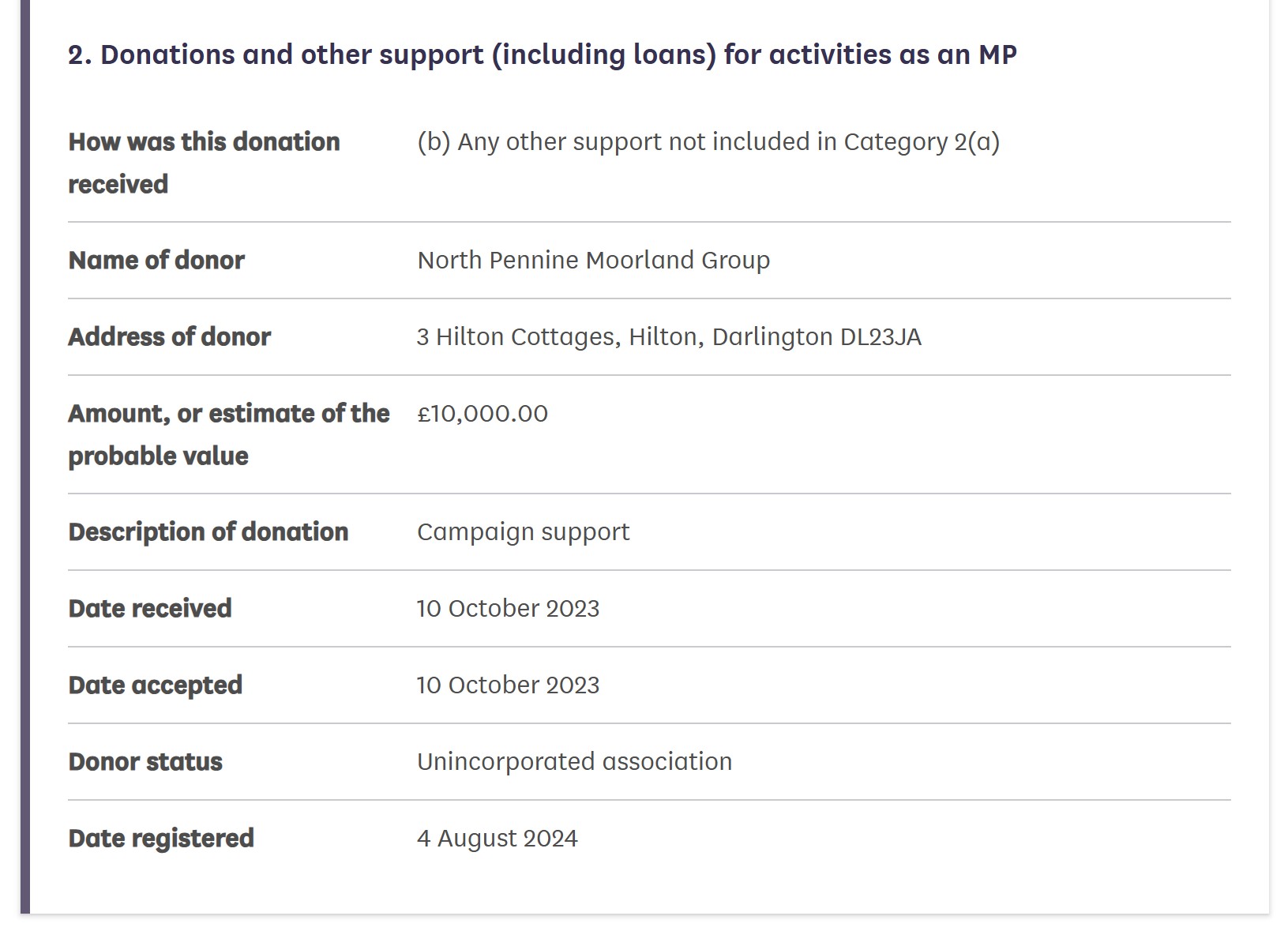
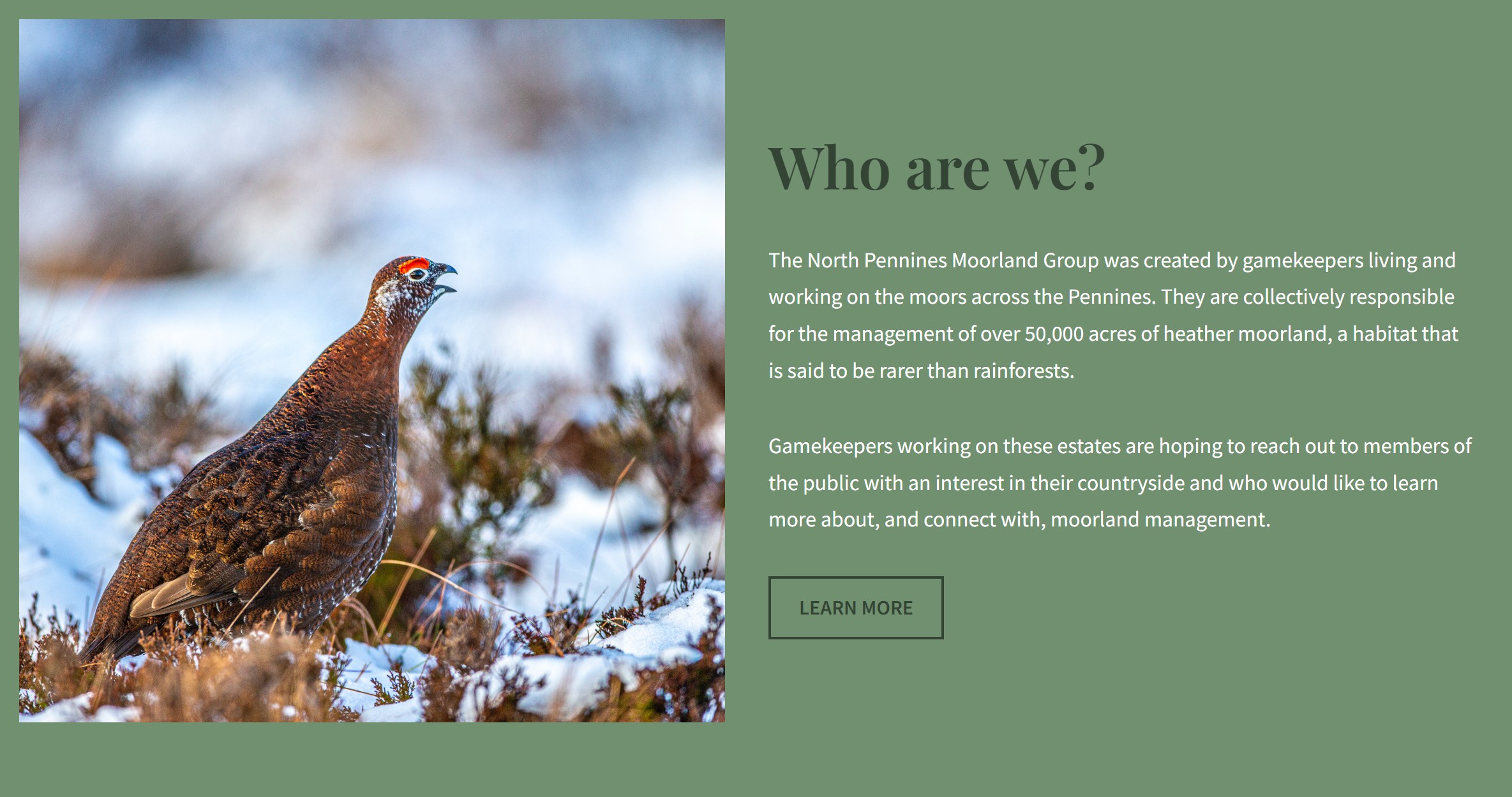

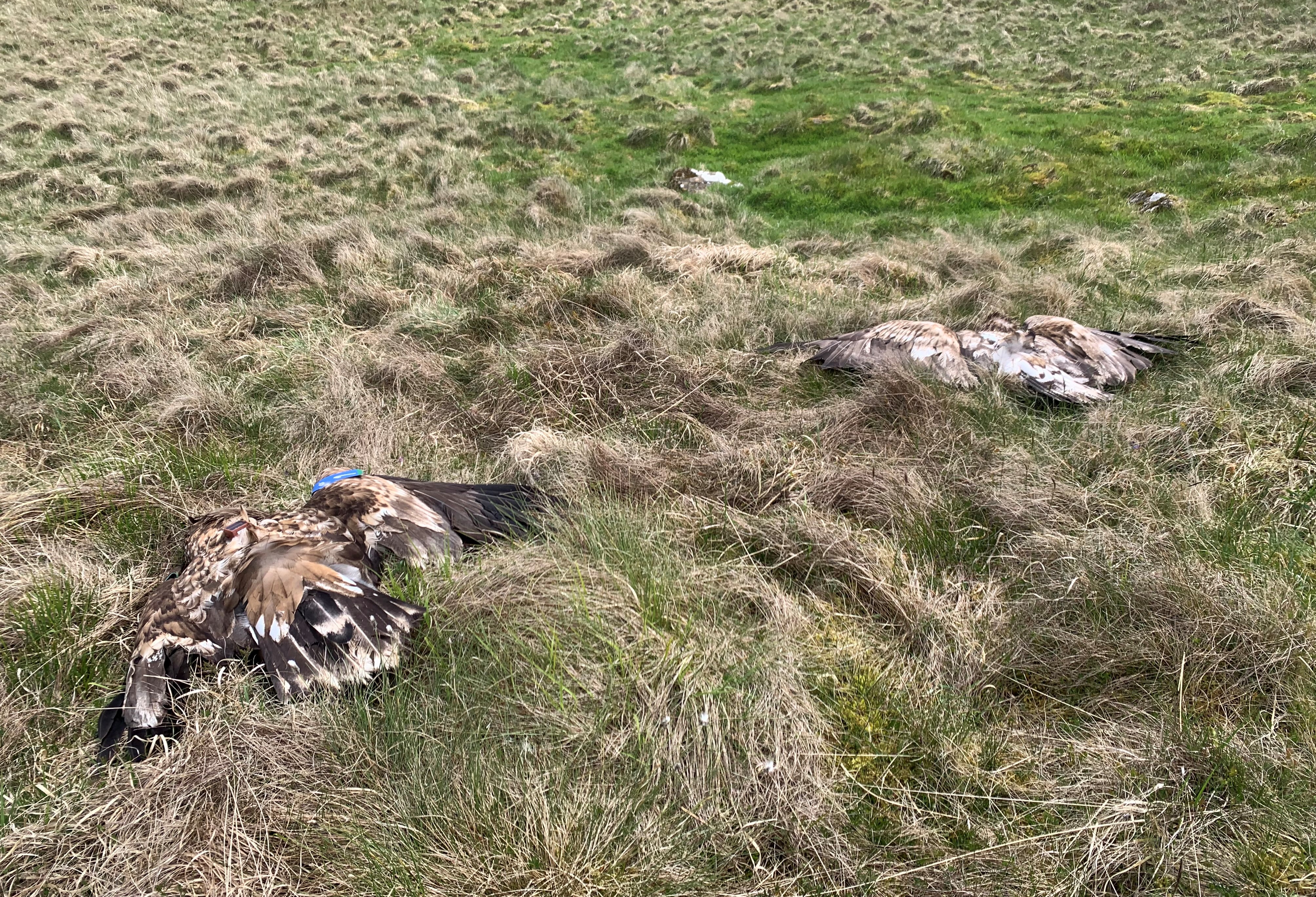

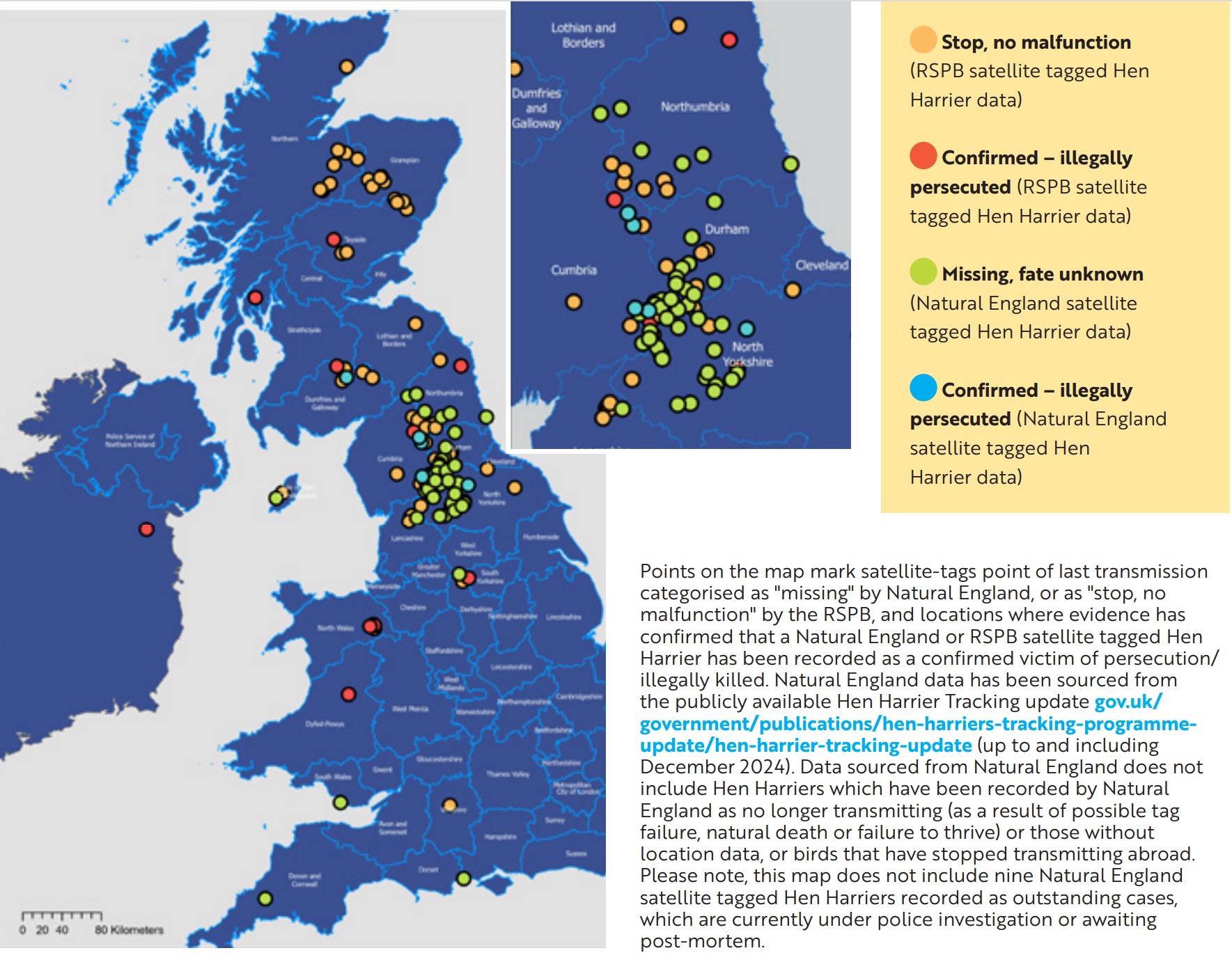


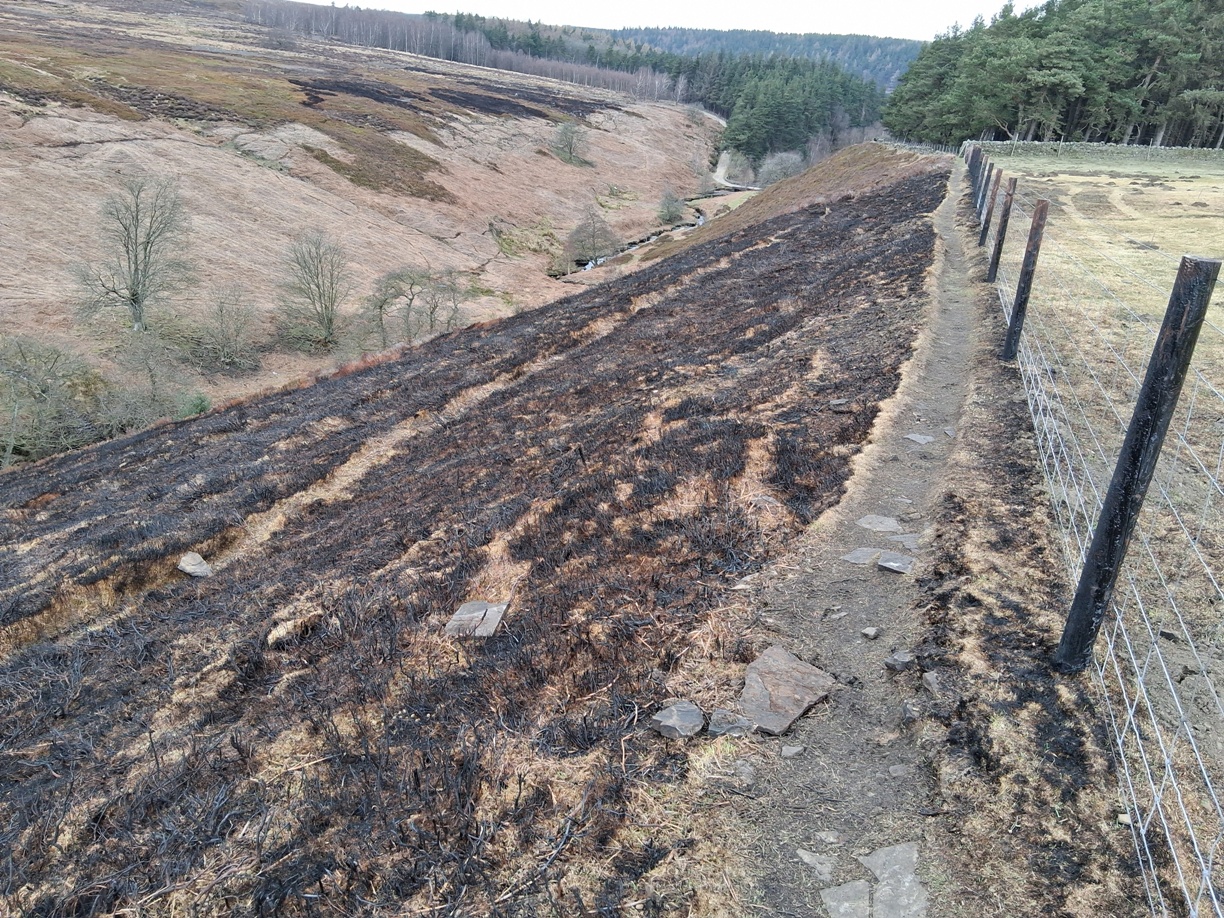
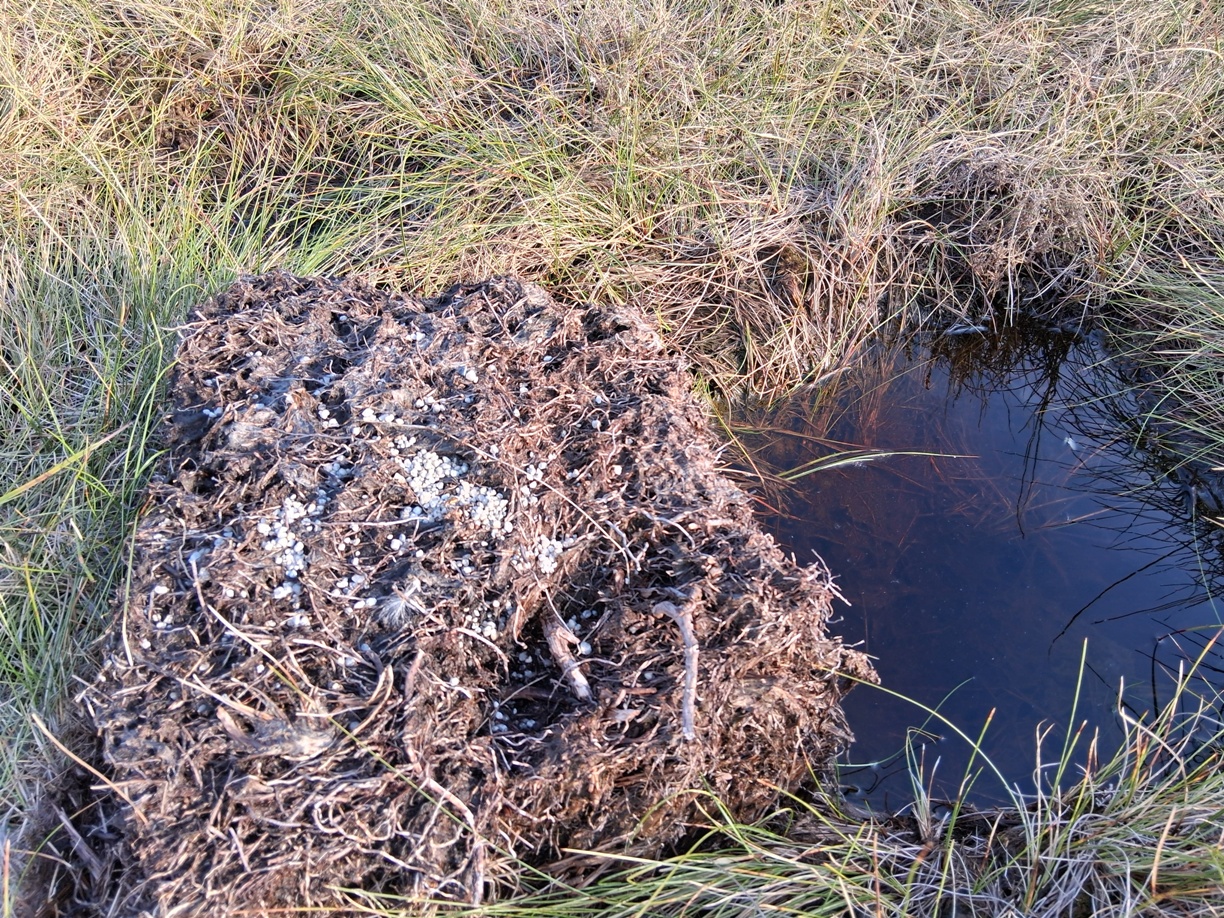
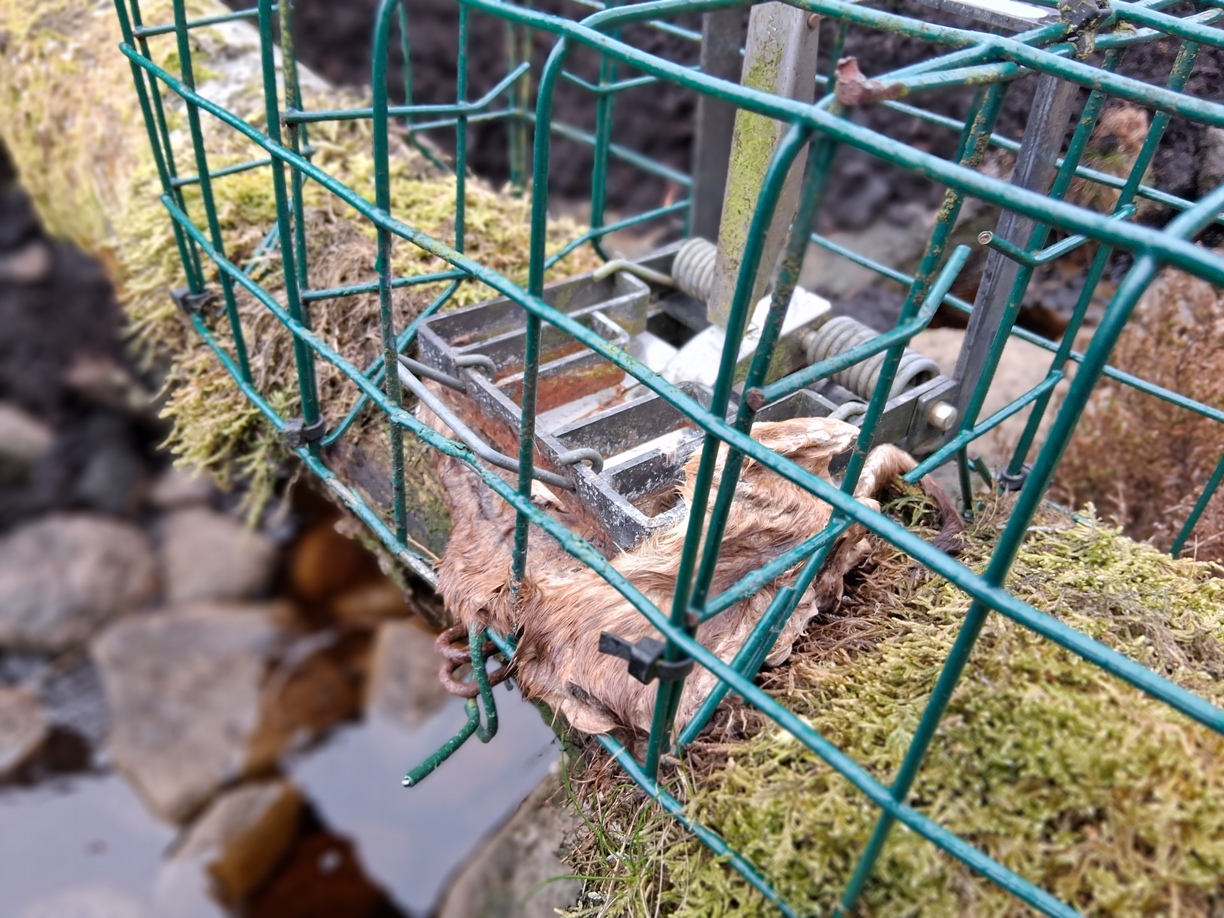

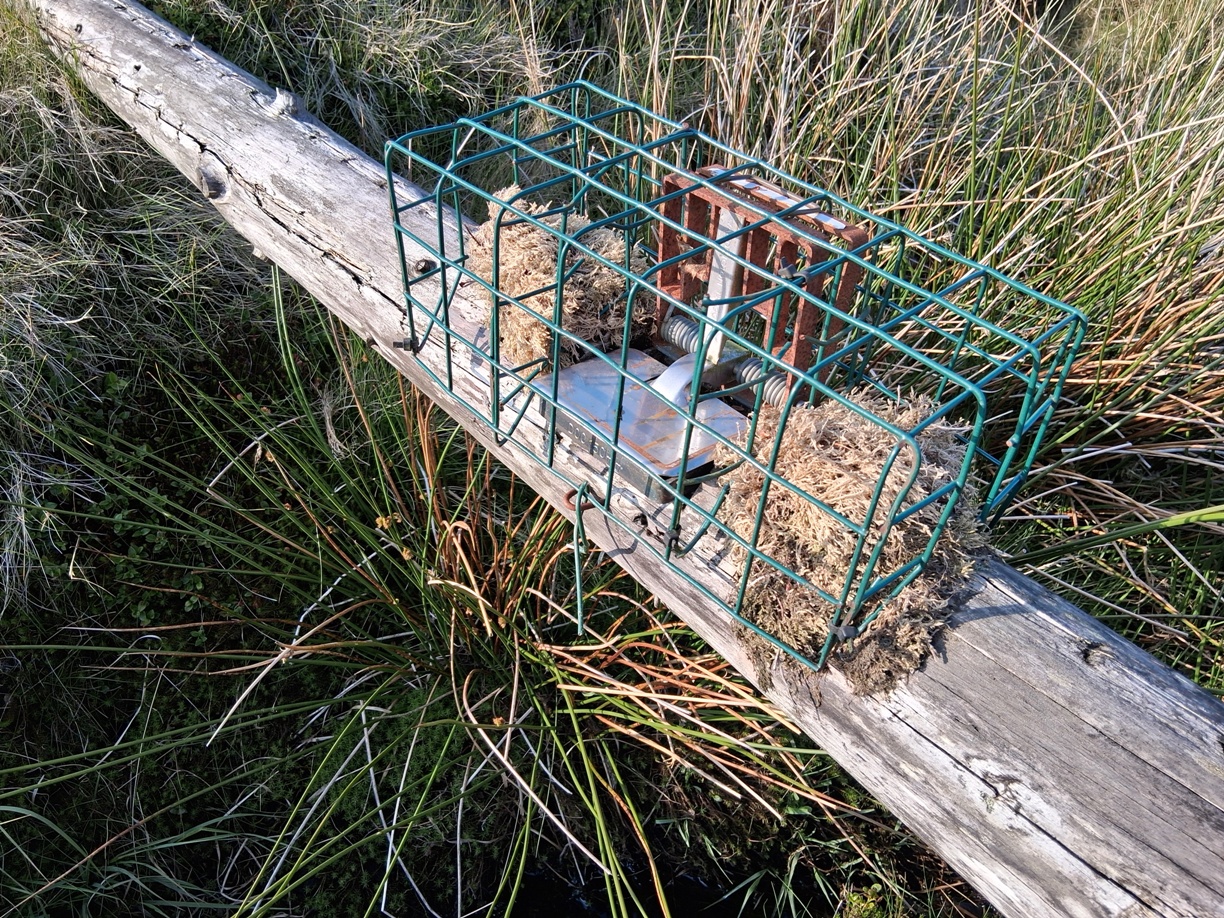

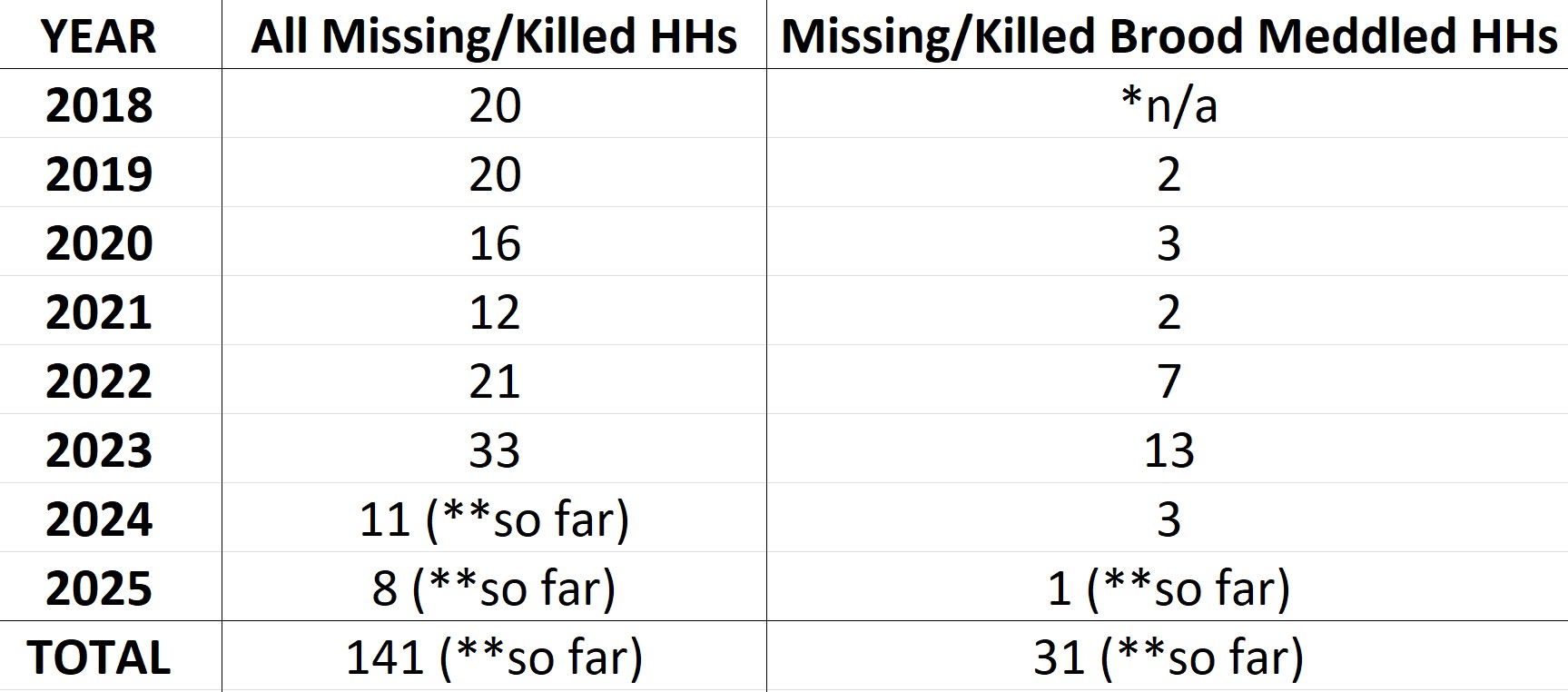

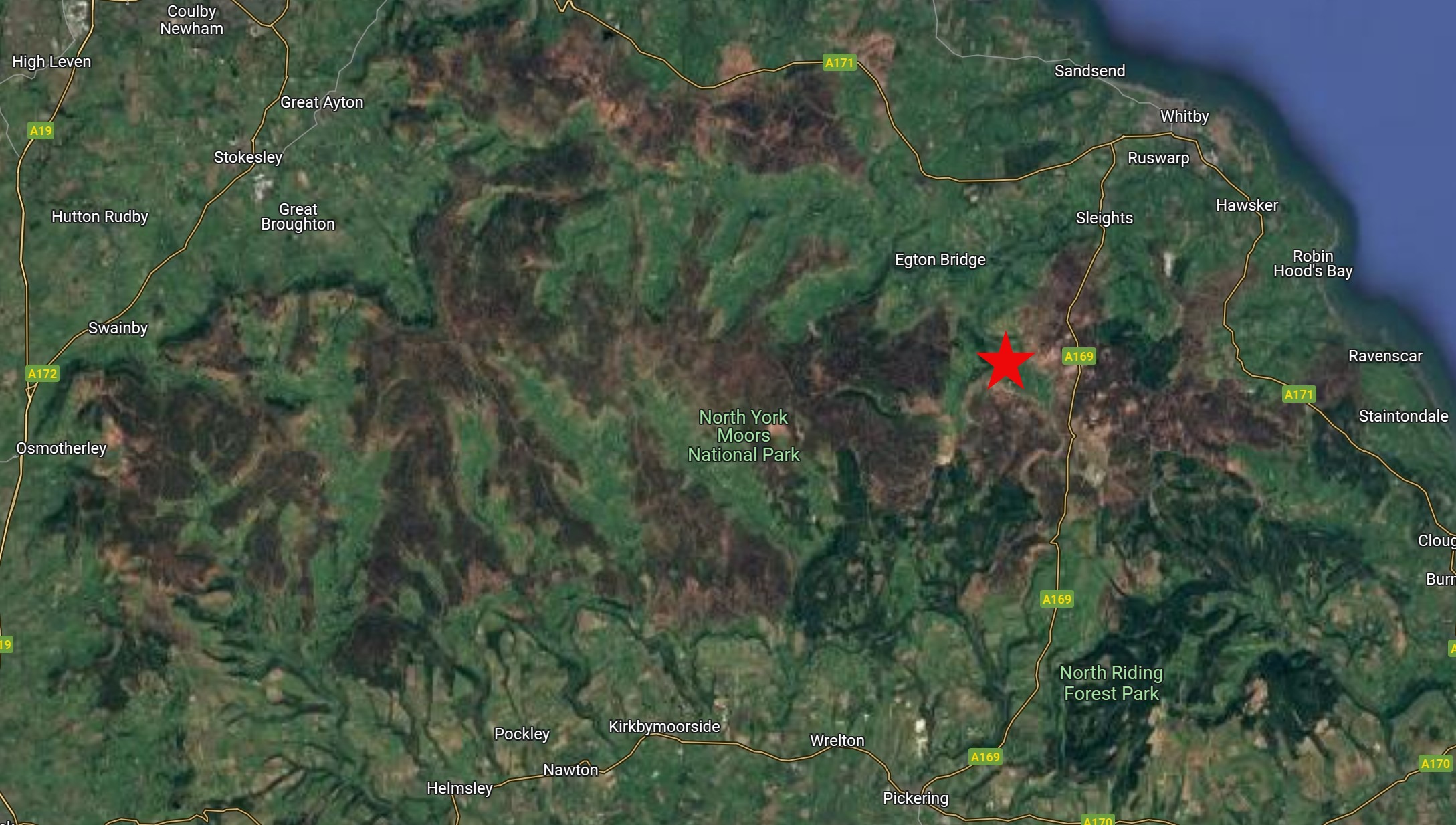

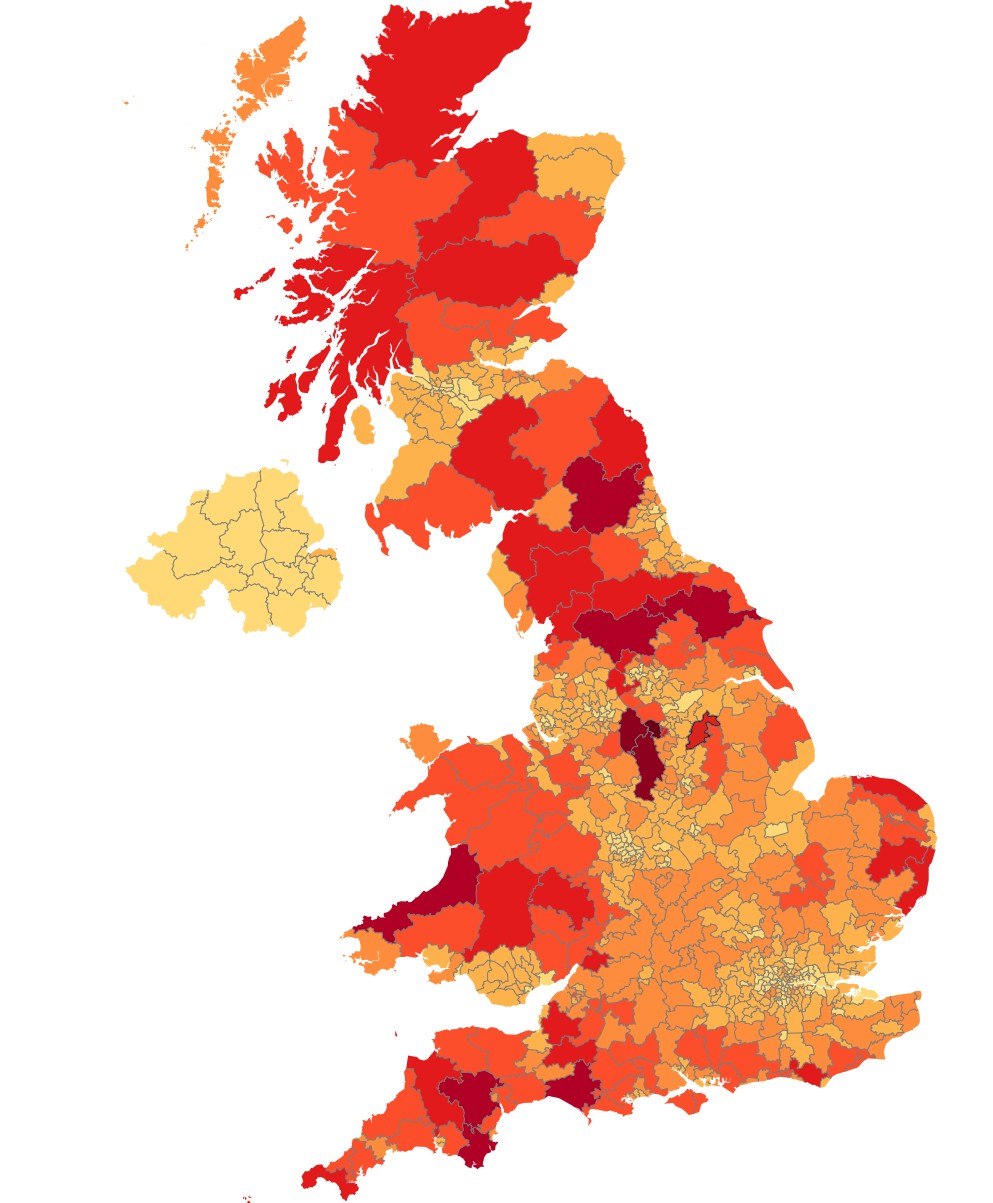
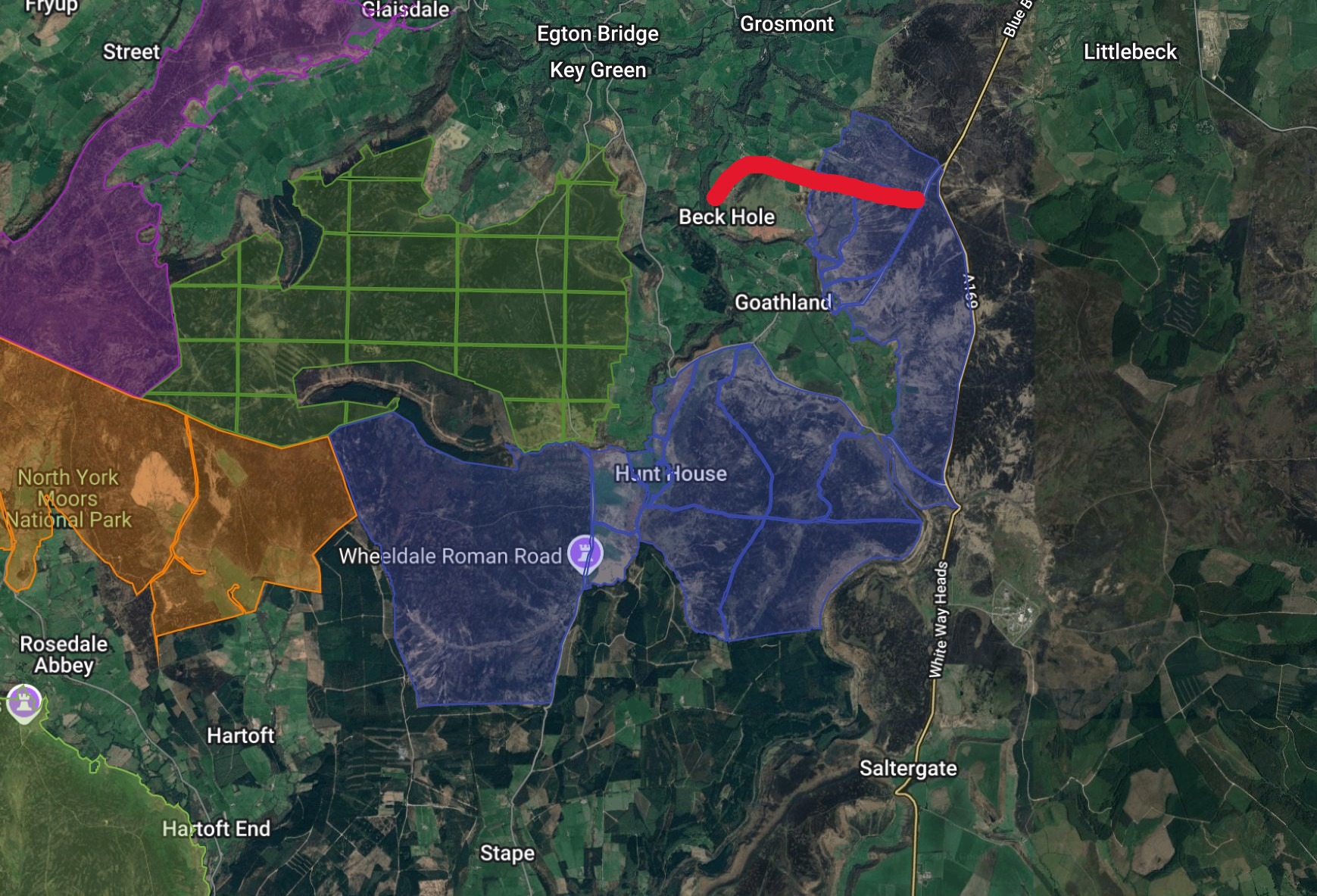

 Raptor Persecution UK