Yesterday we blogged about the illegal persecution of birds of prey in the Cairngorms National Park (CNP) and how, 13 years after the Park was first established, persecution continues (see here).
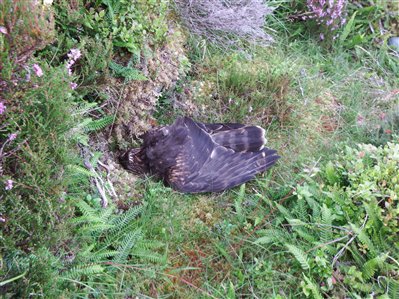
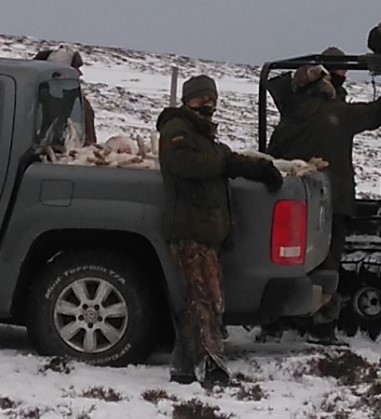
Some (but definitely not all) the grouse moor managers within the CNP are running rings around the Park Authority (CNPA), and have been doing so for years: Golden eagles poisoned, golden eagles ‘disappearing’, white-tailed eagles ‘disappearing’, white-tailed eagle nests felled, hen harriers shot, breeding hen harriers in catastrophic decline, goshawks shot, goshawk nests being attacked, peregrines shot, peregrine nest sites burnt out, breeding peregrines in long-term decline, buzzards poisoned, buzzards shot, red kites poisoned, short-eared owls shot, poisoned baits laid out, illegally-set traps, and mountain hares massacred. All within the Cairngorms National Park, a so-called haven for Scottish wildlife. It’s scandalous.
So what has the Cairngorms National Park Authority been doing about all this? To date, they’ve adopted the softly, softly partnership approach, which, to be fair, is a reasonable starting point. But this approach relies on ALL the ‘partners’ pulling together in the same direction; it’s not going to work if some of the ‘partners’ don’t or won’t comply with the law (i.e. not killing protected birds of prey).
We’ve seen the Cairngorms Nature Action Plan, a five-year initiative which included the aim of restoring the full community of raptor species within the NP and managing mountain hare populations for the benefit of golden eagles (see here). Three years on and evidence we produced yesterday shows the Plan is going nowhere fast (see here).
We’ve seen the Convenor of the CNPA pleading with the then Environment Minister to help combat raptor persecution within the NP because it ‘threatens to undermine the reputation of the National Park as a high quality wildlife tourism destination‘ (see here). The then Environment Minister (Dr Aileen McLeod) attended a meeting with ‘partners’ during which there was a ‘recognition of the progress made in recent years’ (see here). Eh? Have a look at our list of raptor persecution crimes within the CNP (here) – can you spot any sign of progress? No, because there hasn’t been any.
The next approach from the CNPA was the ‘East Cairngorms Moorland Partnership’. This is an interesting one. One of the stated aims of this ‘partnership’, comprising six contiguous estates and the CNPA, is to ‘enhance raptor and other priority species conservation’. A noble aim, but when you look at the details of this Partnership’s work plan it’s all pretty vague and lacking substance. It can be downloaded here:
east-cairngorms-moorland-partnership_statementofpurpose
Things don’t improve when you realise who is involved with this ‘Partnership’. One of the six estates is none other than Invercauld Estate. You remember Invercauld Estate – the place where illegally-set spring traps were recently discovered (here). The Estate’s response was (a) to suggest it didn’t happen but if it had happened it was probably a set-up to smear the grouse-shooting industry (see here), and (b) despite nothing happening, the Estate ‘took action’ although we’re not allowed to know what that ‘action’ entailed because it’s a secret (see here). Presumably, the setting of illegal traps isn’t part of the work plan designed to ‘enhance raptor and other priority species conservation’.
So where does the CNPA go from here? Well, we said yesterday that there was light at the end of the tunnel. And there is. The CNPA is currently consulting on the NP’s ‘Partnership Plan’ for 2017-2022. This is the management plan for the CNP for that five-year period and will help guide the CNPA’s work on the most pressing issues. The CNPA has identified several ‘big issues’ on which it wants to hear your views, and one of those is ‘Moorland Management’.
The question the CNPA is posing is:
“How can management for grouse be better integrated with wider habitat and species enhancement objectives such as woodland expansion, peatland restoration and raptor conservation?”
The obvious answer to achieving raptor conservation is to get the grouse shooting estates to stop illegally killing raptors! But how?
In the consultation document, the CNPA says the East Cairngorms Moorland Partnership is the stated mechanism for delivering raptor conservation within the eastern side of the NP. Er, illegally set traps being found on one of the Partnership estates doesn’t inspire confidence, does it?
There must come a time when the CNPA has to realise that the ‘partnership’ approach is not working, and to be frank, is unlikely to ever succeed. In our opinion, that time is now.
The CNPA actually has a great deal of power and authority to act against those who continue to persecute raptors within the NP. Have a read of this blog (here) published on the always interesting ParksWatchScotland blog. The authors suggest that the CNPA can introduce ‘hunting byelaws’ for grouse shooting estates within the CNP. Permits could be removed if wildlife crime is discovered and also if Estates refuse to allow monitoring cameras. Permits could also be used to limit the size of grouse ‘bags’, thus helping break the cycle of ever-increasing intensification of grouse moor management practices. Permits could also be used to limit the number of traps in use.
As the authors also point out, byelaws were recently created for the Loch Lomond & Trossachs NP to try and limit camping. So why not create them for the CNP to try and limit raptor persecution?
The CNPA has four aims, set out by Parliament:
- To conserve and enhance the natural and cultural heritage of the CNP;
- To promote sustainable use of the natural resources of the CNP;
- To promote understanding and enjoyment (including enjoyment in the form of recreation) of the special qualities of the CNP by the public;
- To promote sustainable economic and social development of the CNP’s communities.
These aims are to be pursued collectively. However, if there is conflict between the first aim and any of the others then greater weight must be given to the first aim (section 9.6 of the National Parks (Scotland) Act).
We’d encourage as many of you as possible to participate in the CNPA’s consultation process (it closes on 30 Sept 2016) and mention the idea of these byelaws and the CNPA’s responsibility for conserving the natural heritage above all else. You might think, ‘Oh, what’s the point, the CNPA won’t listen to me, they’re in the pockets of the large shooting estates’. Well, perhaps so in the past but perhaps things are changing. Have a read of this blog (here), entitled ‘Time to move with the times‘ recently written by Will Boyd Wallis, Head of Land Management and Conservation at the CNPA. There are clear signs in Will’s blog that the old regime is being challenged and the more people who write in support of this, the better.
You can access the consultation documents here.


 The Scottish Government has published its work plan for 2016-2017 (see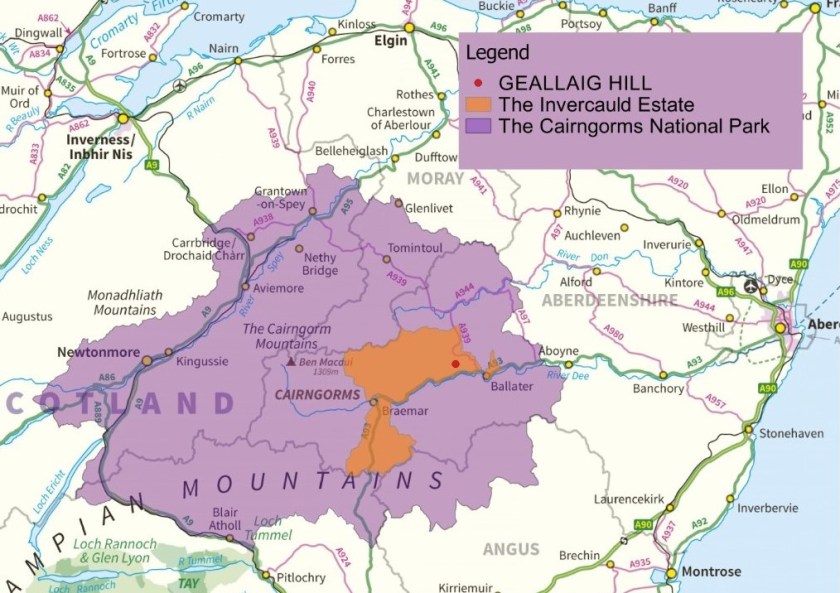

 Two years ago today saw the closure of the Scottish Government’s public consultation on increasing the SSPCA’s investigatory powers in relation to wildlife crime investigations, and particularly in relation to raptor persecution.
 Raptor Persecution UK