£500 fine for man who mistakenly shot buzzard on Ralia Estate pheasant shoot

From an article in today’s P&J:

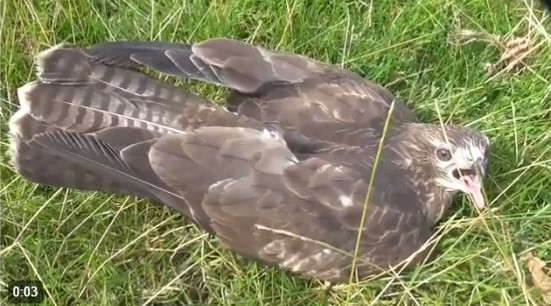
A protected bird of prey died when an oil executive shot a buzzard he thought to be a pheasant when it flew out of woods on a Highland estate, a court heard yesterday.

Keith Riddoch, of Craigden in Aberdeen, was on a shoot on the Ralia Estate near Newtonmore last November when he made the fatal mistake.

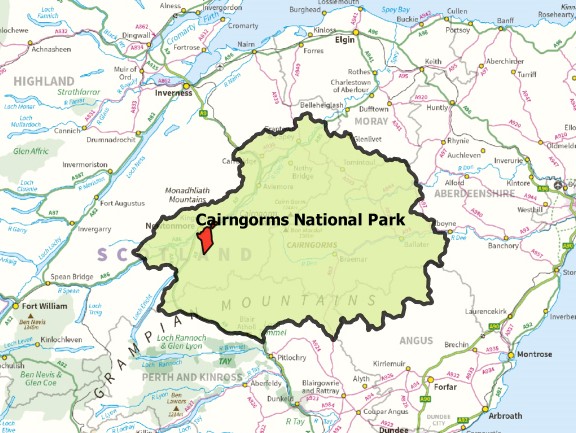
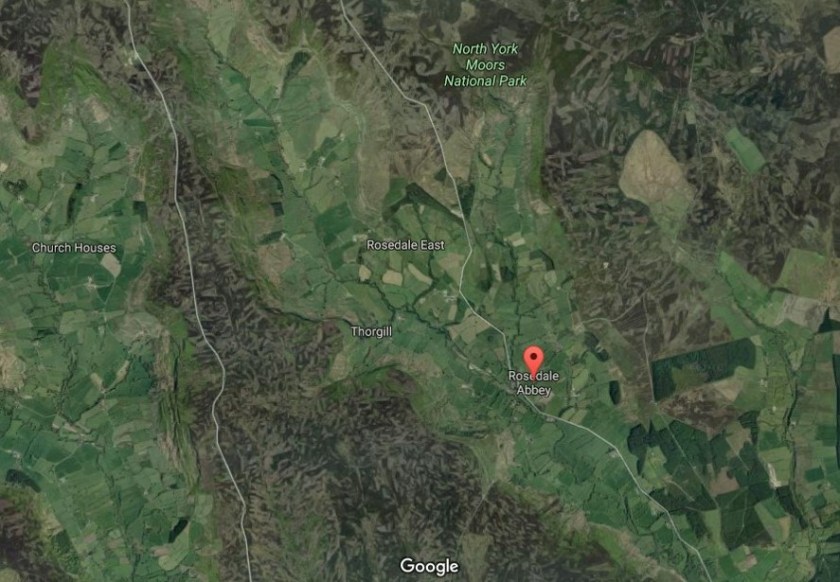
[Ralia Estate in the Cairngorms National Park. Estate boundary details from Andy Wightman’s Who Owns Scotland website. Map by RPUK]

Even after he fired the first shot of the day, the 65-year-old self-employed consultant was convinced he had bagged a hen pheasant.

But all but one of his fellow “guns” on the same shoot knew that the bird was a raptor. Riddoch was informed of his error at the end of the shoot, Inverness Sheriff Court was told.

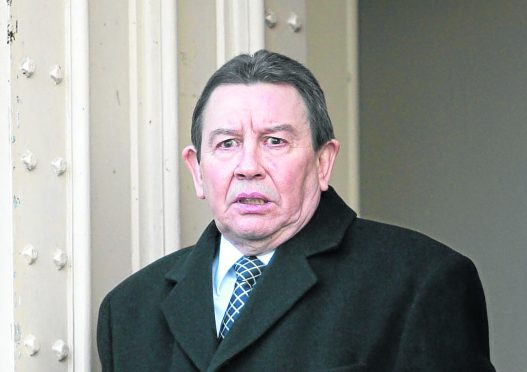
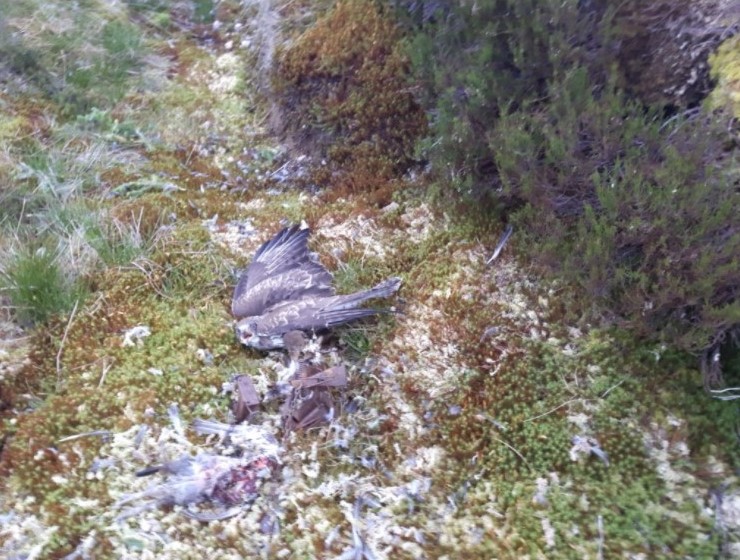
[Photo from P&J]

They said it was the first time in their experience that a raptor had been shot by mistake.

The buzzard was so badly injured by the shotgun blast, it had to be destroyed.

Riddoch yesterday denied injuring the bird by recklessly shooting it on November 26 last year at a corporate shoot.

However after hearing evidence from the people accompanying him, including gamekeeper Alistair Lyon, Sheriff Margaret Neilson convicted the businessman of a contravention of the Wildlife and Countryside Act. She fined him £500.

Riddoch refused to comment after the trial, but told the court: “I made a genuine mistake. I didn’t misassess the situation.”

Defence solicitor David McKie accepted his client had made a mistake, but added: “It was negligent or perhaps careless, but not reckless.”

It was accepted by both prosecution and defence that a buzzard was of a similar size and colour as a brown female pheasant.

Mr Lyon was in charge of the outing where beaters scared the birds out of woods into the line of fire.

The 52-year-old gamekeeper told the court: “It was the first shot of the day and I glanced round. I saw the bird falling. It was a brief glimpse. But it didn’t look right. Buzzards fly differently to pheasants. But if it just came out of the trees it would look similar.”

Defence solicitor David McKie said the guilty verdict may have wider consequences for his client, saying he frequently travelled to the USA and the conviction could present problems for entry to the country.

He could also lose his shotgun licence.

ENDS

Could lose his shotgun licence? Good grief! If he can’t differentiate between a pheasant and a buzzard he shouldn’t be let anywhere near a bloody shotgun!

This is an interesting case. We’re pleased to see a prosecution and even more pleased to see a conviction, which are all too rare, but we’re left wondering how this crime came to the attention of the Police. Did somebody from the shoot alert the Police? Good on them if they did.

New report reveals widespread raptor persecution in Northern Ireland

The Partnership for Action against Wildlife Crime Northern Ireland (PAW NI) has today published its latest report on bird of prey persecution 2015-2016.

The report reveals that there were five confirmed illegal persecution incidents reported in 2015 and a further six in 2016, involving the killing of 12 protected birds of prey in Northern Ireland (6 x buzzards, 5 x peregrines, 1 x sparrowhawk). As with every other annual raptor persecution report these figures are probably just the tip of the iceberg.

The report’s lead author, Dr Eimear Rooney (Raptor Officer for the Northern Ireland Raptor Study Group) commented: “This latest persecution report helps us all to understand the scale and distribution of the problem. It is particularly shocking to see new areas appear on the hot-spot maps, showing the issue of raptor persecution to be widespread. It is heart-breaking to think of the deaths of these protected birds but it is particularly shocking to see the continued usage of highly toxic Carbofuran. The PAW NI group will continue to take action to tackle raptor persecution and it is encouraging to see all the partners proactively working together on this report.”

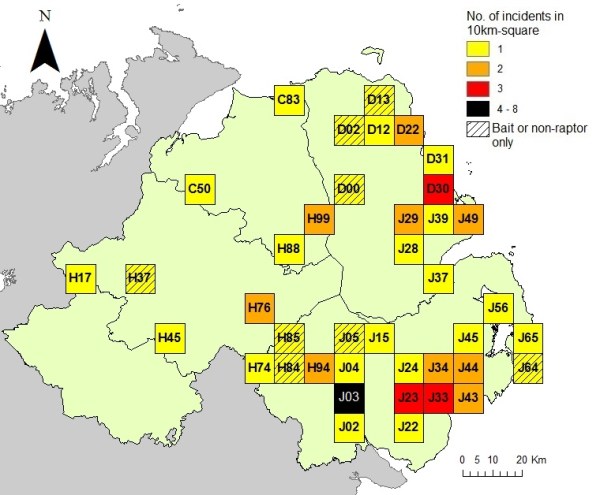
Hotspot map of confirmed incidents of raptor persecution, and poisoned baits & wildlife, reported in Northern Ireland from January 2009-December 2016.

Download the PAW NI report here

Read the PAW NI press release here

On the subject of illegal raptor persecution in Northern Ireland, a 13-year old boy named Dara MacAnulty is doing a 45km sponsored trek in January 2018 to help raise funds for a new raptor satellite-tagging project in Northern Ireland.

Dara is a pretty special young man, passionate about the environment, especially raptors, and he has an exceptional talent for expressing his thoughts – have a read of his blog and you’ll be constantly questioning how a thirteen year old can possibly write so well!

Dara’s fundraising project is off to a good start but he needs more support. If you’ve got a few quid to spare, please consider supporting his efforts HERE. Thanks.

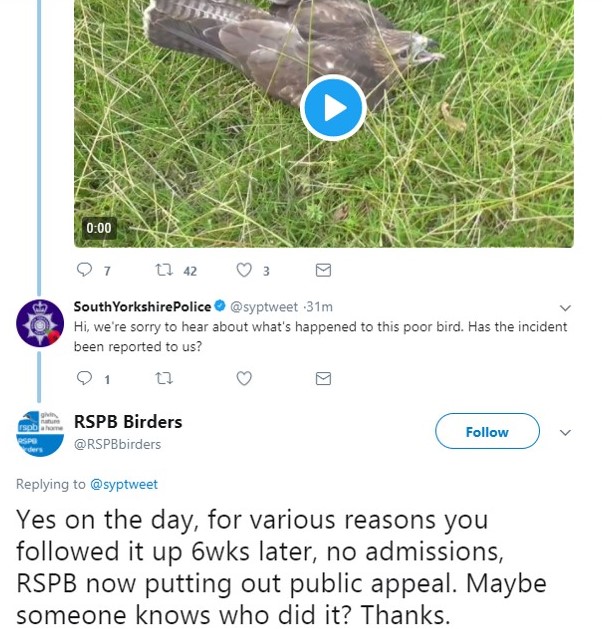
Buzzard shot in Barnsley: South Yorks Police abandons case, RSPB appeals for info

RSPB press statement:

Buzzard shot in Barnsley sparks investigation

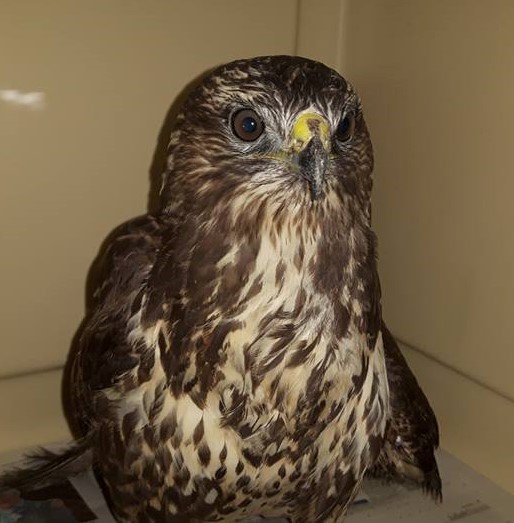
A buzzard found illegally shot in a wood near Barnsley has prompted concern by the RSPB and police.

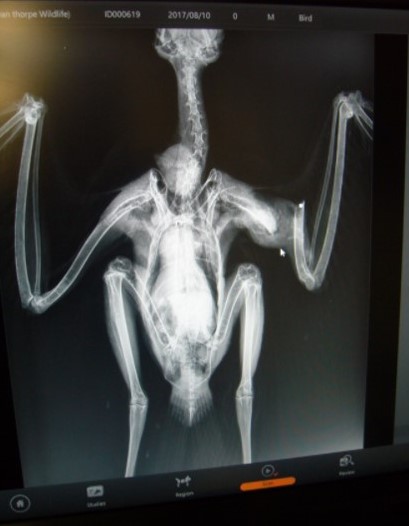
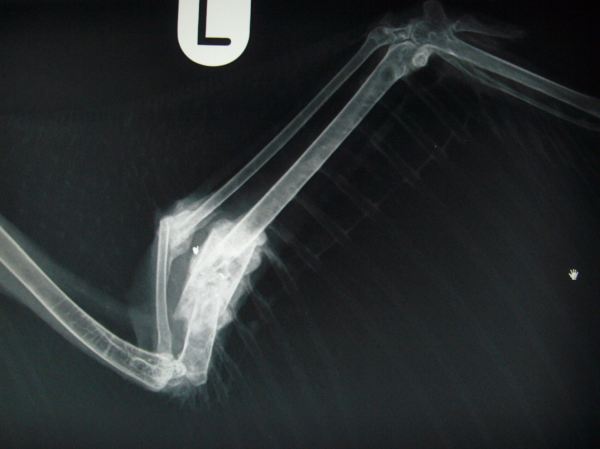
A local birder saw the bird fall out of a tree in Warren Wood, Stainborough on 9 August and reported it to the RSPB’s Investigations unit (crime@rspb.org.uk). An RSPB investigator recovered the bird and it was taken for an X-ray. The X-ray identified a broken wing and a shotgun pellet lodged in the wing, which was deemed to have caused the break.

The wound was thought to be several days old and had become infected, so sadly the bird had to be euthanized.

It is illegal to intentionally kill or harm any bird of prey, which are protected under the Wildlife and Countryside Act 1981. To kill or injure one is a criminal offence and could result in an unlimited fine or up to six months in jail.

The incident was reported to police immediately, and last week the RSPB was informed that the enquiry had concluded with no prosecution. The RSPB is now appealing to the public for information.

The RSPB’s recent Birdcrime report, published on 1 November 2017, revealed that the illegal shooting, trapping and poisoning of birds of prey is a big problem in Yorkshire. Last year the RSPB received reports of 153 incidents of wild bird crime in the North England Region: this was 33% of the total incidents for the UK and the highest number for any region. 10 of these occurred in South Yorkshire, and many more are suspected to have taken place unseen and undetected. The report also revealed that there were no prosecutions for bird of prey persecution in the whole of 2016.

David Hunt, RSPB Investigations Officer, recovered the body.

David said: “It is sickening to think that this bird was deliberately shot. Seeing a buzzard soaring high in the sky or picking up worms from a freshly-turned field is part of the joy of a walk in the countryside. However majestic birds like these are, more often than people realise, being intentionally and brutally killed in Yorkshire, and is a cause for local concern. This is not the first time I have been called out to a case like this and unfortunately it is often very hard to find out who is responsible. If you do have information, please come forward.”

The RSPB is offering a £1,000 reward for information that leads to a successful conviction. If you have any information relating to this incident, call South Yorkshire Police on 101 quoting reference number 617 10082017.

ENDS

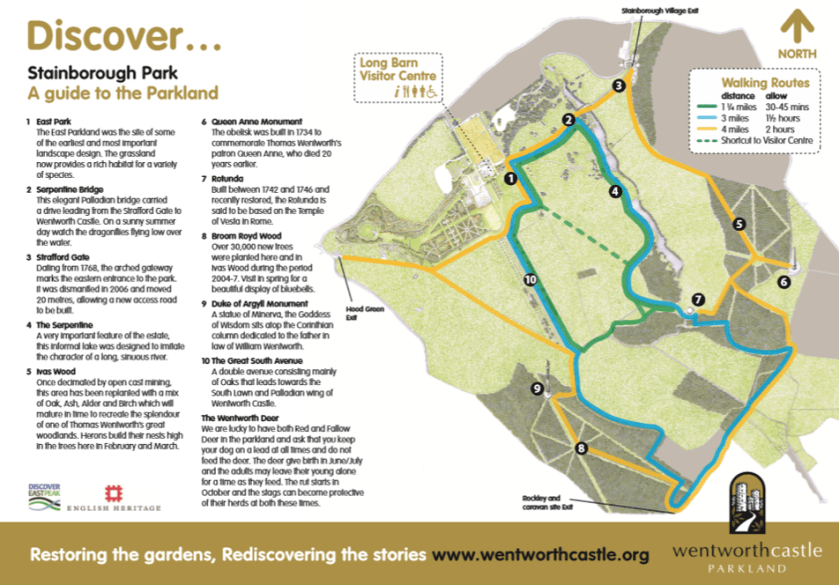
Warren Wood, where the injured buzzard was found is within the grounds of Stainborough Park and Wentworth Castle. Warren Wood forms part of Broom Royd Wood (see point 8 on this map) where visitors are encouraged to “visit in spring for a beautiful display of bluebells“.

Wentworth Castle and its parkland was open to the public but now appears to have closed to visitors, according to the website.

What’s really interesting about this case though is how South Yorkshire Police have responded to it. The RSPB press statement says the “incident was reported to the police immediately“, which presumably means on 9th August 2017 when the bird was found. And yet now South Yorkshire Police have told the RSPB that the enquiry has concluded and there’ll be no prosecution.

So how come South Yorkshire Police didn’t launch a public appeal for information back in August? How come the Police enquiry ‘has concluded’ without asking for the public’s help to identify a suspect? That’s pathetic, and only serves to highlight the importance of reporting suspected raptor persecution crimes to the RSPB as well as to the Police. Had the RSPB not been informed about this particular crime, we’d all be none the wiser and the crime probably wouldn’t have made it on to the ‘official’ list of reported wildlife crimes.

Well done RSPB for keeping the public informed.

UPDATE 14.50hrs:

South Yorkshire Police haven’t got a clue. This has just appeared on Twitter:

Yet another buzzard found shot in North Yorkshire

The reputation of North Yorkshire as a raptor persecution hotspot is well known. Here’s yet another victim to add to the long, long list….

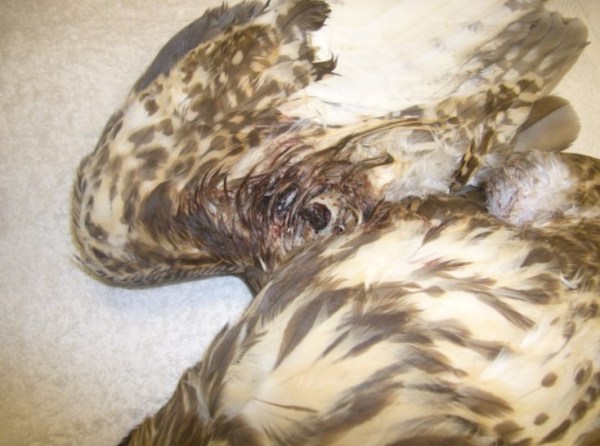
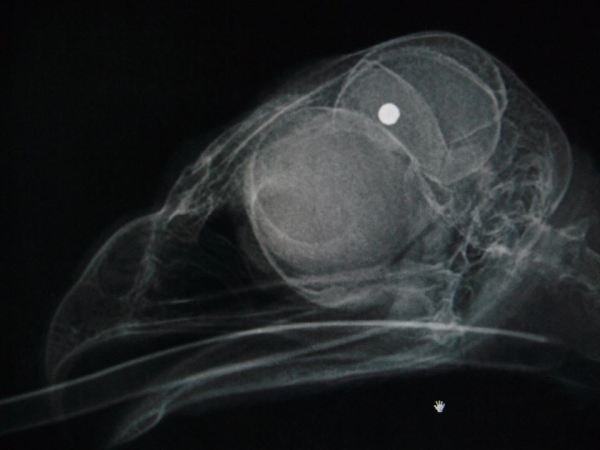
This buzzard was found injured at Dunnington (a village to the east of York) on 29 September 2017. It was taken to the vets where an x-ray revealed shotgun pellets lodged in the bird’s head and wing. Based on the extent of its injuries, the bird was euthanised.

Anybody with information about this crime, please contact PC Jez Walmsley at Malton Police Station (Tel. 101).

Images courtesy of Jean Thorpe.

Buzzard shot in Hertfordshire

Press release from Hertfordshire Police, 26 September 2017:

Officers from Hertfordshire Constabulary’s Rural Operational Support Team (ROST) are appealing for witnesses and information after a buzzard was found seriously injured.

The bird was found by a member of the public on a track leading off Ledgemore Lane, Great Gaddesden, Hemel Hemstead on Wednesday September 6th 2017.

The bird was recovered and examined by a veterinaty surgeon. It was concluded that the bird had been shot and sadly, due to the severity of its injuries, the animal had to be put to sleep.

PC Simon Tibbett, from ROST, said: “All British wild birds, their nests and their eggs are protected under the Wildlife & Countryside Act 1981. Therefore it is an offence to shoot a buzzard or interfere with their nests in any way and punishable by a fine or up to six months in jail.

As a bird of prey, buzzard persecution is monitored by DEFRA and the National Wildlife Crime Unit as raptor persecution is a national wildlife crime priority.

We take wildlife crime very seriously in Hertfordshire and we are keen to trace those responsible for this offence. I would urge anyone with information to please get in touch“.

Jenny Shelton, Investigations Liaisons Officer at the RSPB said, “I think we speak for most people when we say we are angry and saddened to hear that someone has shot this bird. 

Our UK population of buzzards dropped during the 20th century due to unlawful killing, and sadly persecution is still a problem today. If you know anything about this incident, please contact police on 101 or the RSPB Investigations team on 01767-680551“.

Anyone who has witnessed people shooting or carrying hunting rifles in the area, or has any further information, should contact PC Simon Tibbett on Hertfordshire Constabulary’s non-emergency number 101, quoting reference D1/17/7143.

ENDS

Two more buzzard shootings were reported from nearby London Colney in April 2017, both believed to have been shot with an air rifle – see here.

Buzzard photo by RPUK

Evidence of wildlife crime results in General Licence restriction on Edradynate Estate

As many of you will know, SNH has the ability to impose a three-year General Licence restriction order on land, or on an individual, where there is sufficient evidence, substantiated by Police Scotland, that raptor persecution has taken place (see SNH framework here).

This measure, based on a civil burden of proof, was introduced by then Environment Minister Paul Wheelhouse in 2013 in response to the continuing difficulties of meeting a criminal burden of proof to facilitate a criminal prosecution. The measure became available for incidents that occured on or after 1 January 2014.

Photo of a poisoned buzzard (RPUK)
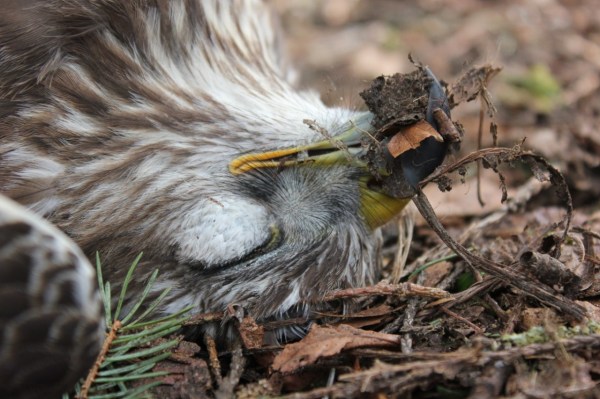
Since then, only two restriction orders have been imposed, both in November 2014: one for the Raeshaw/Corsehope Estates in the Scottish Borders, and one for the Burnfoot/Wester Cringate Estates in Stirlingshire (see here for details, and an explanation of what a General Licence restriction actually means).

As you’ll also probably be aware, Raeshaw Estate and Corsehope Estate made a legal challenge to SNH’s decision and this resulted in a judicial review. The judicial review dragged on for some time but eventually concluded in March this year, and the court found that SNH had acted fairly and that the General Licence restriction at Raeshaw Estate and Corsehope Estate should remain in place (see here).

While this legal challenge was underway, SNH, quite reasonably, did not impose any further General Licence restrictions, even though there were plenty of candidate estates to consider. Once the legal argument had been settled, we expected SNH to open the floodgates and impose many more restriction orders for offences that had taken place since January 2014. We asked SNH about this in June 2017 and we were told that two notifications were underway, relating to offences in Perthshire and Aberdeenshire, although no further details were given at that time, presumably as SNH was giving the affected parties time to respond/appeal. Fair enough.

Today, SNH has announced that two General Licence restriction orders have been imposed in two separate cases.

The first of those cases relates to Edradynate Estate in Perthshire: SNH_GL Restriction Notice_Edradynate Estate_15Sept2017

Here is the decision notice:

And here is the estate boundary map to which the General Licence restriction applies for the next three years:

For the next three years, Edradynate Estate will no longer be able to enjoy the privilege of using General Licences 1, 2 or 3, but the estate will be entitled to apply for the use of an Individual Licence that will allow them to kill certain bird species but under closer scrutiny than if the estate was using a General Licence. We’ll be monitoring the use of any Individual Licences that SNH approves for this estate, and, if there is any breach of the licence conditions, we fully expect SNH to revoke the Individual Licence just as they did for Raeshaw Estate earlier this year.

SNH has not provided any information about the Police Scotland evidence used as the basis for this General Licence restriction order on Edradynate Estate. However, it’s probably a fair assumption that it relates to the alleged poisoning of several buzzards in 2015. This is one of the five prosecution cases that the Crown Office dropped earlier this year, without explanation. The case did not involve video evidence, as some of the others did, and the case was dropped by the Crown despite a plea from Police Scotland to proceed (see here).

We’ve been blogging about Edradynate Estate for a very long time. It’s well worth reading an earlier summary we wrote (here) which includes some fascinating commentary about the estate by former RSPB Investigator Dave Dick, who claimed as far back as 2004 that the estate was “among the worst in Scotland for wildlife crime“, and commentary by former Police Wildlife Crime Officer Alan Stewart, who said in 2005, “Edraynate Estate has probably the worst record in Scotland for poisoning incidents, going back more than a decade“. The details involve a disturbingly high number of poisoned birds and poisoned baits that were found over the years, as well as a number of dropped prosecution cases (nobody has ever been convicted for any of the alleged offences). The summary also includes information about links between the estate and the Scottish Gamekeepers’ Association.

Now, whether you think a General Licence restriction order is a sufficient sanction against this estate is open to debate. However, while we wait for the Scottish Government to get on with estate licensing, a General Licence restriction order is all that is currently available, so well done to SNH for imposing the General Licence restriction order on this particular estate and for being semi-transparent about the details.

Unfortunately, we can’t say the same about the second General Licence restriction order that SNH has just imposed. We’ll be blogging about that one in the next blog…..it’s an absolute shocker.

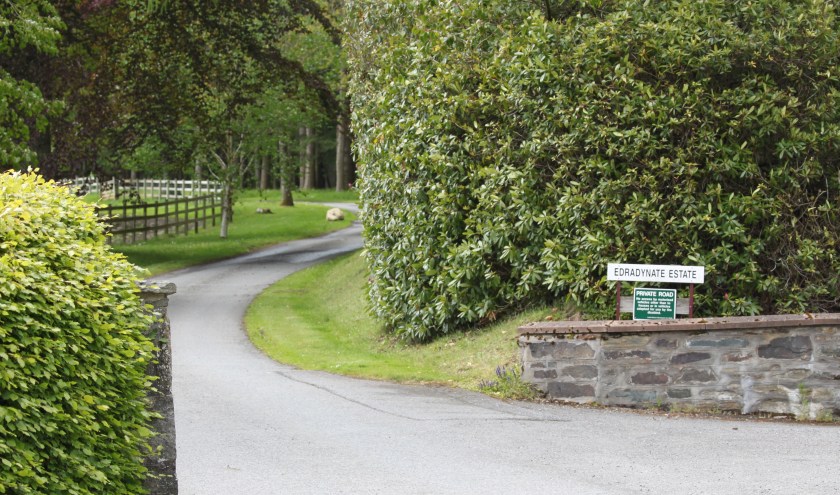
Edradynate Estate (photo by RPUK)
UPDATES:

RSPB press statement here

SNH imposes General Licence restriction on ‘mystery’ gamekeeper (here)

More on the mystery gamekeeper with the General Licence restriction (here)

Raptor shot in North York Moors National Park

North Yorkshire Police have tweeted about the shooting of a raptor two days ago in the North York Moors National Park:

At the moment there is no further information about the circumstances of this reported incident, the species, the extent of its injuries, and whether it’s alive or dead.

Hopefully the police will issue a detailed appeal for information.

[UPDATE 18.20hrs: Further tweets from the police – the shooting was witnessed by a walker, the bird was thought to be a marsh harrier or a buzzard, the body was not found].

The North York Moors National Park is a well known raptor persecution hotspot, which is no surprise given the extent of driven grouse moors within the Park’s boundary. Earlier this year a buzzard was found in the Park with shotgun injuries (here) and last year another buzzard was found in the Park with horrific injuries caused from being shot and caught in a leg trap (see here).

Buzzard caught in illegally-set trap on Monadhliaths grouse moor

Police Scotland have this afternoon published the following statement:

Investigation into illegal setting of traps, Strathdearn

Police Scotland can confirm that an investigation into the alleged illegal setting of traps to deliberately target birds of prey near Auchintoul, Strathdearn has been launched.

Police were informed of an incident that occurred on 7 June 2017 where a buzzard was found after having been illegally trapped on the south slopes of Beinn Bhreac. The bird was found by a member of the public and was released.

Inspector Mike Middlehurst said: “It is very disappointing to have an incident like this reported, especially when there is a great deal of positive work going on in the Highlands to tackle wildlife crime. Unfortunately, there are some who continue to deliberately target birds of prey; there is nothing accidental in the setup of these traps.

“I am grateful to the member of the public who came across the bird and for their assistance in trying to free it. They were slightly injured in the process of releasing the bird and had the knowledge to photograph it. We are keen to speak to anybody who was walking or mountain biking in this area over the weekend of 3 and 4 June 2017. If anyone saw people or vehicles on these tracks that they thought out of place or acting suspiciously I would encourage them to contact us.

“Anyone with information is asked to contact Police Scotland on 101 quoting reference NN13977/17 or Crimestoppers on 0800 555 111 if you wish to remain anonymous.”

ENDS

Well done to the member of the public who saw the trapped buzzard, photographed it, and reported it to the Police. And well done Police Scotland for getting this news out within a month of it happening. By the looks of the photograph, that’s a baited spring trap, illegally-set out in the open instead of being placed inside an artificial or natural cover as the law demands. Police Scotland are clear:

Unfortunately there are some who continue to deliberately target birds of prey; there is nothing accidental in the setup of these traps“.

It’s also interesting to note the date this incident occurred – 7th June 2017. This is one week after the Cabinet Secretary’s announcement that she was bringing in new measures to tackle the on-going illegal persecution of raptors on grouse moors. It seems there are some out there who are determined to keep sticking up two fingers to the law, to the Government, and to the will of society. More fool them, because ultimately it is this arrogance and belief of being untouchable that will be the grouse-shooing industry’s downfall. We’re already beginning to see it crumbling in Scotland and cases like this will just increase resolve to demolish it once and for all.

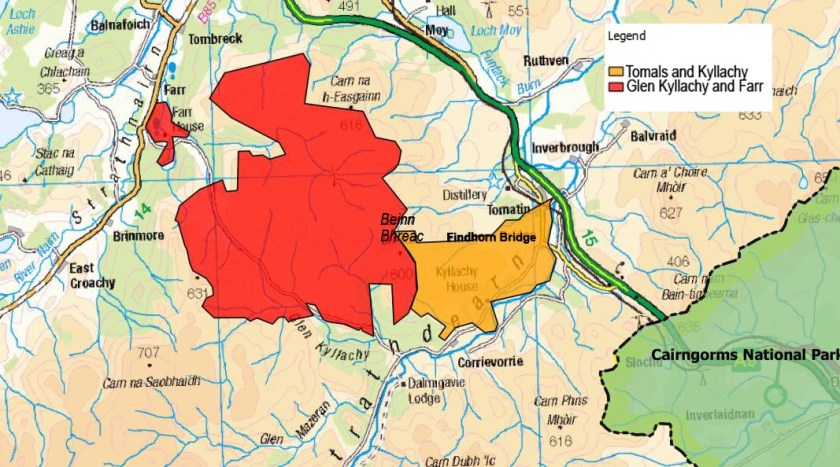
The name of the estate where the trapped buzzard was found has not been publicised. However, Police Scotland say it was found on the south slopes of Beinn Bhreac. Using Andy Wightman’s ever-useful Who Owns Scotland website, the boundaries of two estates meet on the south slopes of Beinn Bhreac: Glen Kyllachy & Farr Estate on the west side, and Tomals & Kyllachy on the east side. Without a grid reference, we’re unable to determine on which estate this trap had been illegally set. Regular blog readers will be familiar with the name of one of these estates.

Here is a map showing Beinn Bhreac and the boundaries of the two estates meeting on its southern slopes (boundary information from Who Owns Scotland website).

Unsurprisingly, this area is driven grouse moor country and just happens to also be where a number of satellite-tagged golden eagles have ‘disappeared’ in recent years. Indeed, this area of the Monadhliaths to the north west of the Cairngorms National Park was identified in the recent Golden Eagle Satellite Tag Review as being one of the main areas where multiple tagged eagles have ‘disappeared’ in a suspicious cluster.

UPDATE 6PM:

We’ve sent a tweet to Conservative MSP Ed Mountain, as this is his constituency, asking him if he’s ready to be the “fiercest critic” yet? (E.g. see here).

We’ve also sent a tweet to Fergus Ewing MSP, Cabinet Secretary for Rural Economy, as this is also his constituency. We’ve asked him if he thinks this ongoing criminality is good for the rural economy?

We’ll post their responses here.

UPDATE 6 July 2017: Edward Mountain MSP responded with this: “Illegally trapping birds of prey is unacceptable. Police Scotland must carry out a full investigation. I will await and act on results”.

Fergus Ewing MSP (Cabinet Secretary) has not responded.

Edradynate Estate gamekeeper in court for alleged crop poisoning

Well this is absolutely fascinating.

From the Courier & Advertiser (Perth & Perthshire edition), 22 June 2017:

Gamekeeper in court over estate crop poisoning allegation.

A senior gamekeeper has appeared at Perth Sheriff Court accused of poisoning crops on a Perthshire estate. David Campbell was working on the Edradynate Estate, near Aberfeldy, when he is said to have committed the offence.

A charge alleges he maliciously damaged the crops between April 14 and 16 this year by spraying them with an unknown substance, causing them to rot and perish. The 69 year old is also said to have stolen a thermal imaging spotting scope.

He made a brief appearance on petition before Sheriff William Wood at Perth Sheriff Court and made no plea or declaration. Campbell had his case continued. He was released on bail.

ENDS

You might be wondering why we’re blogging about this? The simple answer – we are very interested in the Edradynate Estate and have been for a long time as it has repeatedly been at the centre of police wildlife crime investigations (particularly the alleged poisoning of birds of prey) although nobody has ever been convicted.

Most recently (May 2017) our interest has been in relation to the Crown Office’s refusal to prosecute an unnamed Edradynate gamekeeper for alleged offences relating to the poisoning of several buzzards, despite a plea from Police Scotland to proceed (see here). The Crown Office has not provided an explanation about why this decision was taken (video evidence was not involved), other than to say:

The Procurator Fiscal received a report concerning a 66-year-old man, in relation to alleged incidents between 18 March and 4 June 2015. Following full and careful consideration of the facts and circumstances of the case, including the available admissible evidence, the Procurator Fiscal decided that there should be no proceedings taken at this time. The Crown reserves the right to proceed in the future should further evidence become available.”

As the alleged wildlife crime offences took place in 2015, the case will not become time barred until June 2018 so there may still be a prosecution, although we won’t be holding our breath given the Crown Office’s recent performances in this area (five cases of alleged wildlife crime dropped in the space of two months).

It’s ironic then, that an Edradynate Estate gamekeeper (although we understand this particular gamekeeper left Edradynate at the end of Jan 2017, despite what was reported in the Courier) has been charged with an alleged poisoning offence – not of a protected raptor species, but of a crop. That in itself is fascinating, but even more interesting is that this charge is deemed sufficiently serious for the Crown (prosecutors) to begin proceedings by petition (before deciding whether to prosecute on indictment or by summary complaint). Only serious cases are begun by petition.

We’ll be tracking this case with great interest.

Please note: if you decide to comment on this specific blog, please remember that this case and the alleged wildlife crime offences from 2015 are still ‘live’ and at this stage the offences are only alleged. Please think carefully about your choice of words. Thanks.

Law professor comments on inadmissibility of video evidence in wildlife crime prosecutions

As regular blog readers will be aware, the Crown Office & Procurator Fiscal Service (COPFS), the public prosecutors in Scotland, have, in the space of two months, either dropped or refused to prosecute five cases of alleged wildlife crime. These include:

25 March 2017 – gamekeeper John Charles Goodenough (Dalreoch Estates), accused of the alleged use of illegal gin traps. Prosecution dropped due to paperwork blunder by Crown Office.

11 April 2017 – landowner Andrew Duncan (Newlands Estate), accused of being allegedly vicariously liable for the actions of his gamekeeper who had earlier been convicted for killing a buzzard by stamping on it and dropping rocks on to it. Prosecution dropped due to ‘not being in the public interest’.

21 April 2017 – gamekeeper Stanley Gordon (Cabrach Estate), accused of the alleged shooting of a hen harrier. Prosecution dropped as video evidence deemed inadmissible.

25 April 2017 – gamekeeper Craig Graham (Brewlands Estate), accused of allegedly setting and re-setting an illegal pole trap. Prosecution dropped as video evidence deemed inadmissible.

21 May 2017 – an unnamed 66 year old gamekeeper (Edradynate Estate), suspected of alleged involvement with the poisoning of three buzzards. Crown Office refused to prosecute, despite a plea to do so by Police Scotland.

Two of these cases (Cabrach Estate and Brewlands Estate) were dropped due to the COPFS deciding that the use of RSPB video evidence, on which the prosecutions relied, was inadmissible.

There has been widespread public condemnation and political concern about these decisions, especially in the case of the alleged shooting of a hen harrier on Cabrach Estate in Morayshire. The Crown Office has attempted to explain the decisions but many questions remain unanswered for those of us who don’t have the legal expertise, or all the case details, to challenge the COPFS decisions.

We read with interest, then, a blog that was published yesterday written by Peter Duff, Professor of Criminal Justice at Aberdeen University. His blog, entitled ‘The law of evidence, video footage, and wildlife conservation: did COPFS make the correct decisions?‘ deals specifically with the Cabrach & Brewlands cases and can be read here.

We thoroughly recommend reading it. It’s important to read the perspective of an independent, expert academic who has no axe to grind on either side of the debate. It’s hard for those of us who are either tainted by years of frustration about criminal raptor killers getting away with it, or those with a vested interest in raptor killers avoiding prosecution, to take an unbiased view of the law and its application, so Professor Duff’s opinion is a valuable contribution to the debate. Not only that, it’s great to see this issue receiving wider coverage than the usual commentators.

That’s not to say we agree with his interpretation though! In short, Professor Duff concludes that the COPFS decisions were “perfectly reasonable”, and he explains his reasoning for this, but, crucially, some of what he writes does not take in to account previous case law on this issue, perhaps because he was unaware of such cases?

For example, Professor Duff states: ” In my view also, for what it is worth, I agree that the courts would not excuse such an irregularity in obtaining the video evidence and prosecutions would be fruitless“.

First of all, the Scottish courts HAVE excused the irregularity of obtaining video evidence without the landowner’s permission and far from those prosecutions being ‘fruitless’, they actually resulted in the conviction of the accused (e.g. see the Marshall trial here and the Mutch trial here).

During the Marshall trial, there were several hours of legal argument about the admissibility of the video evidence. The Sheriff accepted the video evidence, commenting that the RSPB presence on the gamekeeper’s estate [from where the video was filmed] was “neither illegal nor irregular, and the intent to obtain evidence did not make it so“.  This is no different to the recent Cabrach case.

During the Mutch trial, again involving several hours of legal argument about the admissibility of evidence, the Sheriff accepted that the RSPB had not placed the video camera with the purpose of gathering evidence for prosecution, but they had placed it as part of a legitimate survey in to the use of traps. This is no different to the recent Cabrach case.

There is also an on-going trial at the moment (concerning alleged fox hunting) that relies heavily on video evidence filmed on privately-owned land without the landowner’s permission. The court has accepted the video evidence as admissible (although we can’t comment too much on this as the trial is still live).

So on that basis, we profoundly disagree with Professor Duff’s opinion that covertly filmed video evidence would not be accepted by the Scottish courts. It already has been, on several occasions, resulting in convictions. The question remains then, why did the COPFS decide it was inadmissible? Somebody within the Crown Office (presumably an experienced lawyer from with the Wildlife & Environmental Crime Unit) decided, when this case was first marked, that the video evidence was admissible. It took nine court hearings over a period of a year before the COPFS decided that the video evidence was inadmissible. We still don’t know the basis for that decision. And the other related question to this is why didn’t the COPFS let the court make the decision? It’s this inconsistency of approach that has caused so much confusion, and as Professor Duff writes, ‘bewilderment’.

Professor Duff also writes: “The actions by the RSPB [of placing a covert camera] are a breach of the right to privacy of both the estate owners and their employees (whilst not quite analogous, imagine if your neighbour installed a secret camera to record everything that went on in your garden)“. Sorry, but it’s quite absurd to compare these two scenarios given the size difference between these two types of landholdings. Nobody could argue that placing a covert camera to film somebody’s back garden wouldn’t be a breach of privacy, as you’d reasonably expect to see the human occupants on a daily basis. But on a multi-thousand acre estate, far from any private dwelling? Come on, “not quite analogous” is one hell of an understatement. And not only that, in the Cabrach case, the camera was aimed at the nest of Schedule 1 hen harrier, which by law cannot be approached/disturbed without an appropriate licence from SNH so you wouldn’t expect to film anybody anywhere near the nest.

All in all then, Professor Duff’s interpretation of the law, whilst useful, still doesn’t explain, or justify, the decisions made by the Crown Office in these two cases.

And questions still remain about the decisions to drop the other three cases (gamekeeper John Charles Goodenough of Dalreoch Estates; landowner Andrew Duncan of Newlands Estate; an unnamed gamekeeper of Edradynate Estate), none of which were reliant upon video evidence.