Our Year in Review: January – June 2016 can be found here.
Here’s part two.
JULY
An horrifically injured buzzard was found on a grouse moor in North Yorkshire (here). Illegally set traps were found on a grouse moor in the Cairngorms National Park, with a critically injured common gull found caught by its legs in two of them. We were able to establish that the grouse moor was part of the Invercauld Estate (see here and here). Invercauld Estate issued a bizarre statement, via GWCT, denying that any crime had taken place or if it had, it was probably the work of someone trying to discredit the grouse shooting industry (here). The Scottish Gamekeepers’ Association issued a statement saying they would launch their own investigation (here).

In the courts the vicarious liability prosecution against Andrew Duncan (Newlands Estate) was adjourned, again (here), as was the case against Scottish gamekeeper Stanley Gordon, accused of the alleged shooting of a hen harrier on Cabrach Estate in 2013 (here). Scottish gamekeeper Billy Dick’s appeal against his 2015 conviction for killing a buzzard was dismissed and his conviction upheld (here).
Hen harriers bred successfully on the Mar Lodge Estate in the Cairngorms National Park for the first time in decades (here) and some MSPs were taken for a ride up the Angus Glens (here) where presumably they weren’t shown how to light exploding banger ropes (here).
Glanusk Estate issued two statements (here and here) trying to downplay the mass poisoning of raptors that had taken place there in 2012/2013, and after a series of FoIs we learned that there would be no subsidy withdrawal by Rural Payments Wales as a result of this crime, the most significant wildlife poisoning incident ever recorded in Wales and the 2nd biggest recorded in the UK for 40 years (here).
Working with Chris Packham, Mark Avery and a crack film crew, we began to publish a series of videos aimed at educating the general public about driven grouse shooting. In the first video, Chris had a message for retailer Marks and Spencer about the unsustainability and toxicity of red grouse (here). The grouse-shooting industry reacted to this video with furious outrage (here, here) and accused Chris of ‘celebrity bullying’ and then set about on (another) campaign to have him removed from the BBC.
In Scotland the Scottish Raptor Study Group launched a petition calling for the Government to introduce a licensing scheme for all gamebird hunting (see here) and in England, the Government’s conservation agency Natural England issued a licence to a gamekeeper allowing him to kill buzzards to protect pheasants (here).
The RSPB grew a pair and announced the very welcome news that they were withdrawing their support for DEFRA’s Hen Harrier Inaction Plan due to the ongoing incidents of raptor persecution (see here). The grouse shooting industry reacted with comical aplomb (here).
North Yorkshire Police did the decent thing and admitted they’d made a mistake by not charging the pole-trapping gamekeeper from Mossdale Estate (see here). They said they’d used the wrong guidelines but had now revised their procedures.
We blogged about the Bowland Brewery in Lancashire, who were supporting the RSPB’s Hen Harrier conservation efforts but as a result had become the victims of a vile and vicious online hate campaign by some within the grouse shooting industry (see here). This backfired spectacularly when the general public, in support of the brewery, bought up ‘hen harrier’ beer by the caseload.
AUGUST
A buzzard was shot dead in Richmondshire, North Yorkshire (here), a buzzard was poisoned in Ayrshire (here), and satellite-tagged hen harrier ‘Elwood’ ‘disappeared’ on a grouse moor in the Monadhliaths just a few weeks after fledging (here).
The RSPB reported that 8 young satellite-tagged golden eagles had ‘disappeared’ in the Monadhliaths in the last five years, including three this year (see here). We updated our ongoing eagle death blog to: 40 eagles, 10 years, 0 prosecutions. In response to the news of these latest eight ‘missing’ golden eagles, Environment Cabinet Secretary Roseanna Cunningham ordered a review of all golden eagle satellite tag data to ‘look for patterns of suspicious activity’ (see here). This review was later upgraded to include data from hen harriers and red kites (here) following the ‘disappearance’ of hen harrier Elwood.
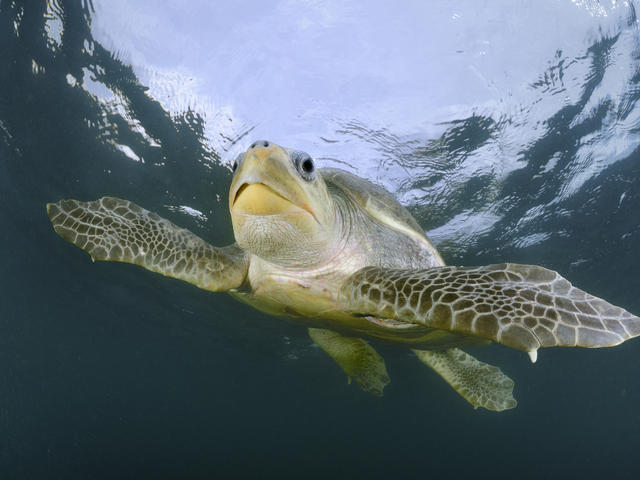
The grouse shooting industry tried to explain away these ‘disappearances’ with a number of desperately implausible excuses. First it was non-existent windfarms (here), then it was claimed ‘bird activists’ were responsible as part of a smear campaign against driven grouse shooting (here, here). But best of all was the claim by the Scottish Countryside Alliance of ‘faulty tags’. The SCA published a statement that claimed scientific research had shown that ‘tag failure rates could be as high as 49%’. We managed to track down this scientific research and discovered it referred to satellite tags that had been fitted to Olive Ridley turtles off the coast of India, where a saltwater switch was a known problem (see here).
In the courts a December trial date was eventually set (here) in the vicarious liability prosecution of Andrew Duncan (Newlands Estate). The case was continued against Scottish gamekeeper Stanley Gordon, accused of the alleged shooting of a hen harrier on Cabrach Estate in 2013 (here).
We were able to reveal the location of a coordinated hunt and shooting of a hen harrier in 2013 – turns out to have taken place in Glen Gairn, on the border between Invercauld and Dinnet Estates in the Cairngorms National Park (here), not a million miles away from where the illegal traps had been discovered at Invercauld earlier this summer. And on that subject, Police Scotland issued a vague statement about what had been found at Invercauld (here).
Hen Harrier Day took place for the third year running with events across the UK (here) and the following week, Mark Avery’s e-petition to ban driven grouse shooting passed 100,000 signatures (here), the amount needed to trigger a parliamentary debate at Westminster.
The harassment and intimidation campaign against one of our bloggers continued when her mobile number was published by someone in the grouse shooting industry, resulting in threatening text messages being sent in the middle of the night (here).
The Scottish petition calling on the Government to introduce a licensing scheme for gamebird hunting came to a close and was submitted to the Public Petitions Committee (here), and Marks and Spencer announced that they had abandoned grouse sales again (here).
After a series of FoIs, more detail emerged about the individual licences that SNH had issued to Raeshaw Estate to allow the estate gamekeepers to continue their trapping/killing activities as though the General Licence restriction order didn’t even exist (see here), and Natural England revealed that their licensing policies relied on a flawed assumption that gamekeepers don’t illegally kill raptors (here).
We lost a good friend, Richard Evans (here).
SEPTEMBER
A young peregrine was shot in Devon (here), 3 poisoned buzzards were found in Ireland (here), a peregrine was found shot shot next to a grouse moor in the Peak District National Park (here) and a shot marsh harrier was found next to a pheasant pen on the Sledmere Estate in East Yorkshire (here).
Young satellite-tagged hen harrier ‘Brian’ ‘disappeared’ in the Cairngorms National Park (here). The Environment Cabinet Secretary Roseanna Cunningham issued a bland holding statement in response, and the Cairngorms National Park Authority published a non-statement that wasn’t worth the paper it was written on (here).
We blogged about the long-term persecution of raptors in the Cairngorms National Park (here) and suggested ways of how to bring it to an end (here). The CNPA convener issued a statement of the bleedin’ obvious when he said ‘raptor persecution in the Cairngorms National Park was a PR disaster’ (here).
In the courts a December trial date was set for Scottish gamekeeper Stanley Gordon, accused of the alleged shooting of a hen harrier on Cabrach Estate in 2013 (here) and a November hearing date was set for Raeshaw Estate’s ongoing judicial review of SNH’s decision to impose a General Licence restriction (here).
A raptor conference took place in Sheffield with Angela Smith MP saying that illegal raptor persecution has to stop (here) and Philip Merricks of the Hawk & Owl Trust saying…..well, we’re not sure what he said (here).
Sticking with Philip Merricks, we had asked whether the HoT would remove itself from the hen harrier brood meddling plan in light of the pole-trapping crimes uncovered on Mossdale Estate – it turned out that the Hawk & Owl Trust’s ‘immoveable provisos’ were actually moveable after all (here). Rod Leslie, a prominent member of the HoT sent an open letter to Philip Merricks advising him to get his act together if he wanted to save the Trust’s reputation (here).
The Heads up for Hen Harriers charade continued (here) and we learned that tackling raptor persecution featured in the Scottish Government’s 2016-2017 work plan (here).
Compelling evidence on the reliability of satellite tags (94%!) was provided by a researcher involved with the long-term sat tagging of Montagu’s harriers (here).
The BBC stuck two fingers up to the nasty brigade when they ruled that Chris Packham’s involvement in the ban driven grouse shooting campaign had not breached any BBC regulations (here).
It emerged that the Royal family was using soldiers to work as private beaters on a driven grouse moor in the Cairngorms National Park (here) and after a series of FoIs, we discovered that Invercauld Estate had taken ‘action’ in relation to the illegally set traps that had been discovered on their grouse moor in the summer. However, the details of that ‘action’ were not made public – it was a closely guarded secret between Invercauld Estate, the Cairngorms National Park Authority and the Scottish Government (here).
We reached the two year anniversary of the Scottish Government’s consultation on increased powers for the SSPCA and still a decision hadn’t been made (here).
OCTOBER
Satellite-tagged hen harrier ‘Rowan’ was found dead in suspicious circumstances in the Yorkshire Dales National Park (here), a buzzard was found with shotgun injuries near Thirsk, North Yorkshire (here), a peregrine was found shot dead in the Yorkshire Dales National Park (here) and a baited pole trap was found set next to a pheasant pen in Devon (here).

Satellite-tagged hen harrier ‘Hermione’ was found on Mull but the death was not thought to be suspicious (here).
There was extensive fire damage at Moy Estate after the heather had been treated to a ‘hair cut’ (here, here) and an investigation by Friends of the Earth revealed that driven grouse shooting was costing the taxpayer millions of pounds (here).
RSPB Scotland denounced SNH’s General Licence restriction on Raeshaw Estate as ‘farcical’ (here) and we exposed the partnership-working sham of SNH’s Heads up for Hen Harriers scheme (here).
Mossdale Estate in the Yorkshire Dales National Park came under fire from local residents (here).
A new report showed that the illegal persecution of red kites in northern Scotland was at the same level as it was 25 years ago (here) but another report suggested a bright future for white-tailed eagles in western Scotland (here).
Members of the Scottish Raptor Study Group gave compelling evidence on raptor persecution to the Public Petitions Committee at Holyrood (here) and we wrote a review blog about mountain hare massacres on Scottish grouse moors as charity OneKind announced a public protest would take place at Holyrood in November against mountain hare culling (here).
An evidence session on the issue of driven grouse shooting took place at Westminster (here, here) in preparation for the debate at the end of the month, and we also reviewed the written evidence that had been published in advance on the Parliamentary website (here).
Chris Packham received an Outstanding Achievement Award (a ‘Green Oscar’) at the 2016 Wildscreen Festival (here) and we paid tribute to Mark Avery on the eve of the Westminster debate on driven grouse shooting (here).
NOVEMBER
Satellite-tagged hen harrier ‘Tarras’ ‘disappeared’ in the Peak District National Park (here), Cumbria Police issued a vague statement saying that satellite-tagged hen harrier ‘Rowan’, whose body had been found in the Yorkshire Dales National Park last month, was ‘likely to have been shot’ (here). This is yet another cover up and we’ll be blogging about it in the New Year.
The shot marsh harrier that had been found next to a pheasant pen on the Sledmere Estate, East Yorkshire in September was successfully rehabbed and released back to the wild by Jean Thorpe (here).
In court the vicarious liability prosecution against Andrew Duncan (Newlands Estate) continued to drag on, with the December trial date now dumped and the case was continued (see here, here). The case was also continued against Scottish gamekeeper Stanley Gordon, accused of the alleged shooting of a hen harrier on Cabrach Estate in 2013 (here).
We blogged about the Westminster debate on grouse shooting which had descended in to a pantomime with more than its fair share of comedy villains (here) and contrasted the performance with a debate in Holyrood where a series of MSPs stood up to speak with sincerity about being Species Champions (here).
The results of the 2015 national golden eagle survey showed an increase in the overall population but it was revealed that the species is still ‘missing’ from many driven grouse moors in the Eastern Highlands (here).
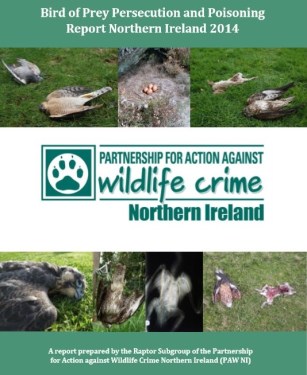
The 2014 annual report on wildlife crime in Northern Ireland was published (here), as was an annual report on wildlife crime in Scotland, although raptor persecution data was deliberately withheld from the Scottish report, for unknown reasons (here).
Mull Eagle Watch won another award (here) and we were told that the Scottish Government’s commissioned review on gamebird hunting licensing systems in Europe would be published shortly (here).
More Parliamentary Questions on mountain hare culling were posed by another MSP from the Scottish Greens (Alison Johnstone), and the Cabinet Secretary responded by saying that ‘more evidence’ was required before mountain hare culls would be regulated (here).
Meanwhile, OneKind held a successful protest rally at Holyrood against mountain hare culling and we revealed that a Cairngorms National Park board member had told Scottish gamekeepers to literally ‘cover up’ dead mountain hares so that embarrassing photographs couldn’t find their way on to social media (here). This cover up was later denied, rather unconvincingly (here).
A series of FoIs revealed what DEFRA’s hen harrier brood meddling team had got planned (here, here, here, here) as well as a little bit about the proposed ‘reintroduction’ of hen harriers to southern England (here). We’ve since got some more FoI responses on this that we’ll blog about in the New Year.
DECEMBER
Satellite-tagged hen harrier ‘Beater’ was ‘lost, presumed dead (here).
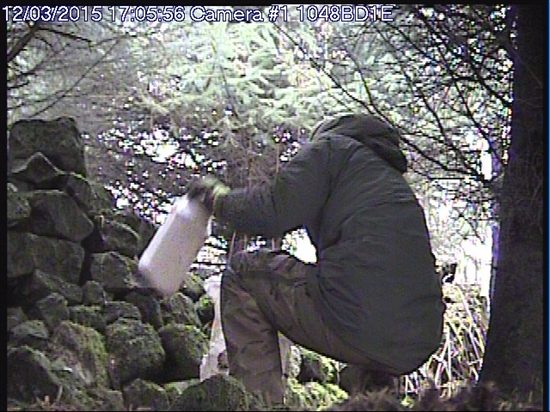
An RSPB Investigations blog revealed that in 2015 a gamekeeper had been filmed with a poisons cache on the East Arkengarthdale Estate, next to the Yorkshire Dales National Park. The CPS had decided not to prosecute but North Yorkshire Police revoked his firearms certificates. The gamekeeper appealed this decision and the judge reinstated this man’s firearms, even though it was accepted in court that he had indeed been involved with the illegal poisons cache (here). We asked some questions of the grouse shooting community about this case (here) – yet to receive a response. We also asked some questions about a potential subsidy penalty for this estate (see here) – we’ll be following up on this in the New Year.
Also in the courts this month, yet another trial date was set for Andrew Duncan (vicarious liability prosecution) – the third time a trial date has been set for this case. It is now due to take place in April 2017 (see here). Stanley Gordon’s trial date was also dumped – the case has been continued until Feb 2017 (here). And yet another trial date was set in the case against Angus Glens gamekeeper Craig Graham – now scheduled to take place in May 2017 (here).
The buzzard that had been found in October with shotgun injuries near Thirsk, North Yorkshire, was successfully rehabbed and returned to the wild by Jean Thorpe (here).
We raised more questions about the Invercauld Estate illegal traps fiasco (here) – there appears to be something dodgy going on here and we intend to revisit this in the New Year.
RSPB Scotland denounced SNH’s general Licence system as a cover for the illegal destruction of birds of prey (here) and we learned that Scottish gamekeepers want to see white-tailed eagles, red kites, buzzards, sparrowhawks and ravens added to the list of species that can be killed under the remit of a General Licence (see here).
The Scottish Moorland Group and BASC ducked and dodged some awkward questions when they appeared in front of the Public Petitions Committee who are considering a petition to introduce licensing for gamebird hunting in Scotland (here).
We were told that giant buzzards are eating dogs in Tipperary (here) but even this unbelievable nonsense was eclipsed by the Gift of Grouse who claimed that ‘raptors are thriving on driven grouse moors (here). RSPB Scotland responded by dismissing it as ‘risible, make-believe tosh’ (here).
The Gift of Grouse propaganda machine was further exposed when a report was finally published about the breeding status of birds on Invermark Estate – it turned out that that the claims made by the Gift of Grouse weren’t true after all (see here) – who’d have guessed?
We published (much to the SGA’s annoyance) the minutes of a meeting between the Cairngorms National Park Authority and the Scottish Gamekeepers’ Association, which provide an endless source of entertainment (here).
The Scottish Justice Committee is examining the performance of the Crown Office & Procurator Fiscal Service and heard damning evidence from Scottish Environment LINK about questionable procedures (here).
Mark Avery won Birdwatch magazine’s Conservation Hero of the Year Award (here).
The Scottish Greens continued to ask excellent Parliamentary Questions when it was discovered that VisitScotland would be match funding a marketing campaign for Scottish country sports. Andy Wightman MSP asked whether public money would be given to landowners or managers where wildlife crime had been uncovered (here). We also raised the point that the partner agency in this scheme (Scottish Country Sports Tourism Group) was actively promoting a convicted wildlife criminal on its website and questioned why this group was afforded a Parliamentary reception (here).
It’s been an eventful year. Thanks for all your support!

 Press release from Partnership for Action against Wildlife Crime (Northern Ireland)
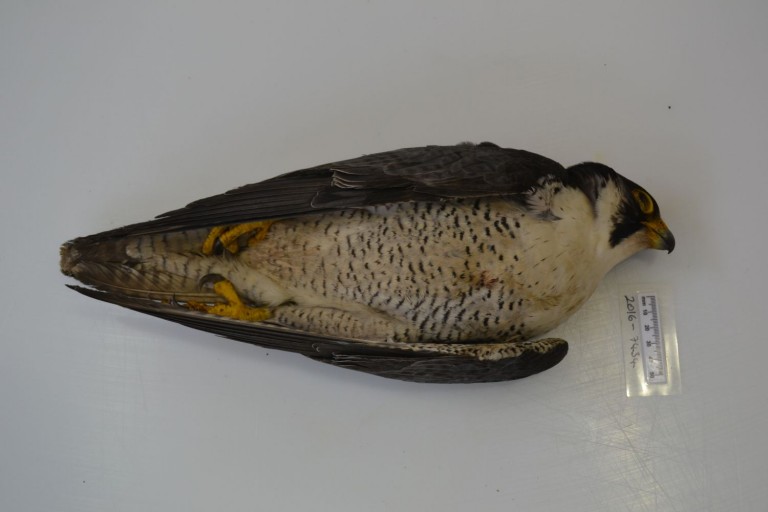
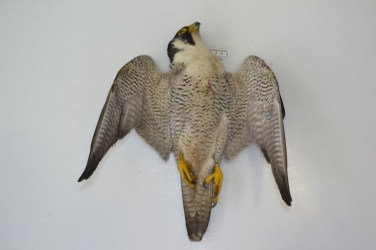 Last month we blogged about a dead peregrine that had been found at a well known persecution hotspot on 11th April 2016 (see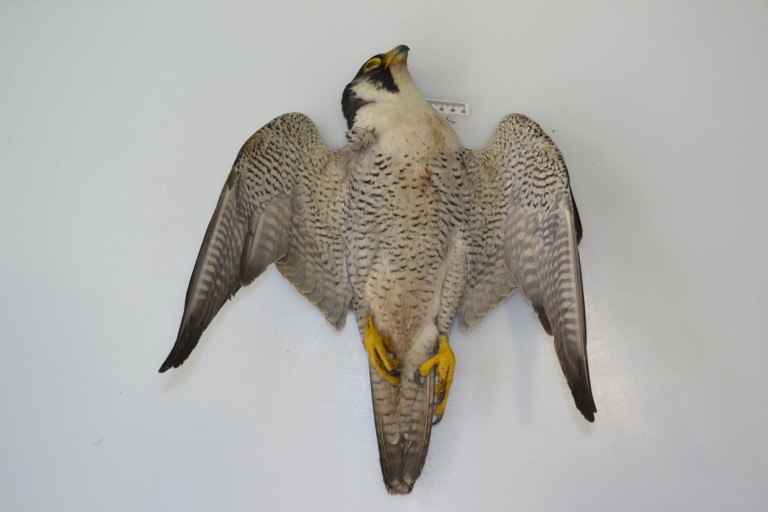

 The RSPB has today published its latest annual Birdcrime report (2014), documenting the confirmed, probable and unconfirmed incidents of crimes against wild birds in the UK, including crimes against birds of prey.
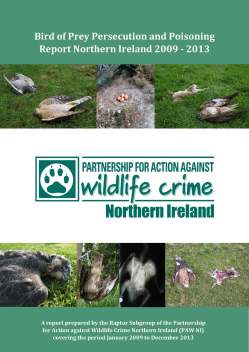 The first ever ‘official’ report on raptor persecution in Northern Ireland has been published.
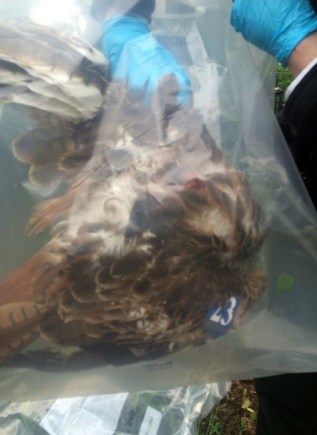 A female red kite, born in Wales and released in Northern Ireland as part of the reintroduction project there, has been found shot dead.
 Raptor Persecution UK