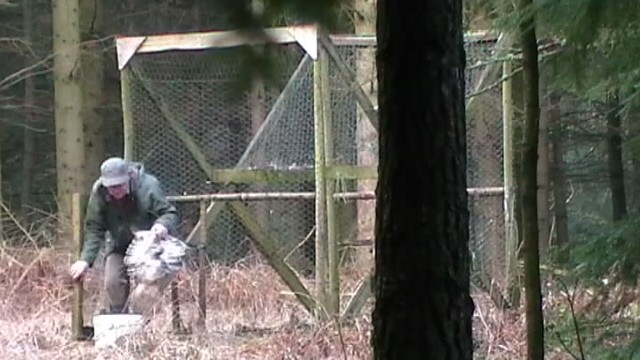
The public’s reaction to what gamekeeper Colin Burne did to those trapped buzzards (see here) has been widespread disgust and condemnation. People have been commenting all over the social media networks, with many angered that Burne’s punishment was so pathetic (a 12 month suspended sentence – in other words, keep your nose clean for the next year and we’ll say no more about it).
We thought it’d be interesting to read what the game-shooting industry’s leaders had to say about the case. At the very least, we would expect outright condemnation of Burne’s activities and a warning to others that criminal activites will not be tolerated by the industry. We visited a few websites this morning and this is what we found:
National Gamekeepers Organisation: silence
British Association for Conservation & Shooting (BASC): silence
Countryside Alliance: silence
Game and Wildlife Conservation Trust: silence
Now, compare these responses with that of the National Association of Regional Game Councils in Ireland, who reacted to the illegal shooting of a buzzard in January this year. Here’s what NARGC Director Des Crofton had to say:
“The shooting of birds of prey, who are all protected, can only be condemned in the strongest possible terms. The person who shot this bird is not fit to have a firearm. I would urge the authorities, if the person is identified, that they are prosecuted, have their firearm licence revoked and never allowed have one again. This is inexcusable. If I ever found one of my members was responsible for something like this, he would be out of the association so fast his feet wouldn’t touch the ground“.
We blogged about Des Crofton’s statement at the time (see here), and mentioned that an equally strong leadership approach was required from industry leaders in England and Scotland. Sadly, it seems they’re not up to the job.
It would also be good to see a statement from the estate that leased the land to the Cliburn Shoot syndicate, stating that the lease had been withdrawn.

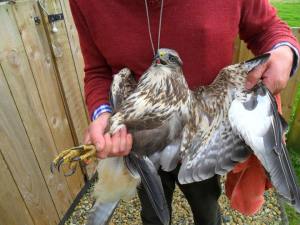 An injured buzzard was found by a member of the public at Blanchland near Hexham, Northumberland at the weekend.
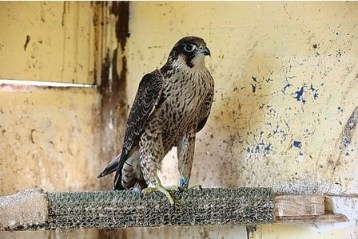 Police in Bristol are appealing for information after a young peregrine was found injured by the side of the road in Queen Charlton, near Keynsham earlier this month. An x-ray revealed the bird had been shot.
 The police are appealing for information after the discovery of two poisoned buzzards in Chittlehampton, North Devon. The birds were found in April.
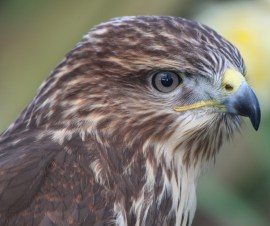 Police in Greater Manchester are appealing for information after a dead buzzard was found in a field in Bolton. X-rays revealed the bird had been shot in the head.
 Raptor Persecution UK