
Another opinion piece by a member of REVIVE, the coalition for grouse moor reform, was published over the weekend, this time in the Scotsman and written by Robbie Marsland, Director of League Against Cruel Sports Scotland.
It’s reproduced here:
Snares are used to legally kill an estimated 200,000 animals a year – including non-target species like badgers, dogs and cats – so that more grouse are there to be shot for so-called ‘sport’.
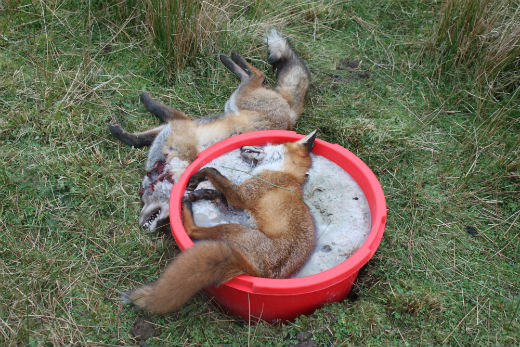
A thin loop of steel wire sits in an entrance to a mound of rotting animals. It’s a snare set to capture foxes drawn to the smell of what is known as a “stink pit”. Despite being cruel, primitive and indiscriminate, snares are currently legal in Scotland.
In theory, foxes are simply detained by the snares and wait peacefully for up to 24 hours for a gamekeeper to arrive and shoot them with a shotgun. In theory. In practice, foxes struggle and mutilate themselves as the wire cuts into their flesh.
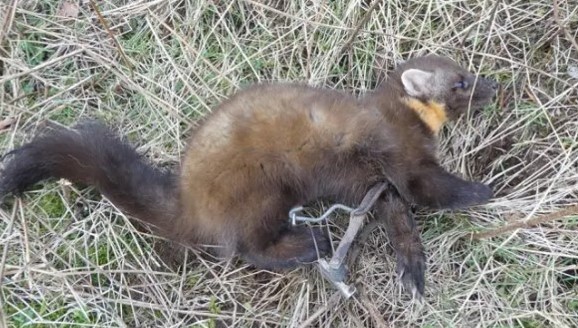
Snares are laid on animal pathways as well as around stink pits. This means that any animal using the pathways or attracted by the smell of carrion can get caught by these indiscriminate devices. Badgers, which are protected species, are trapped in snares so often that there’s a name for the distinctive area of flattened ground around a snare made by their death throes. It’s called a “doughnut”. Cats and dogs are also common victims of these pernicious implements.
So why are snares still legal? For years, the League Against Cruel Sports and our friends at animal welfare charity OneKind have been calling for them to be consigned to history. Scotland has to some extent led the way in that it was the first part of the UK to regulate their use. But that lead has now gone with the Welsh Government recently announcing an outright ban on snares – the first UK nation to take this step.
The Scottish Government has the opportunity to catch up with the Welsh example. The Wildlife Management and Muirburn Bill currently approaching the end of its first stage in parliament provides the government with a vehicle to ban the use of snares. The government has acknowledged this and says that it will announce whether they intend to ban snares or not in the next couple of months.
One of the main reasons that foxes are targeted by these horrific devices is to make sure there are more grouse to be shot for sport. The ‘glorious’ 12th of August is the beginning of the grouse shooting season that goes on until December. But the killing of any animal that is thought to reduce the number of grouse goes on all year round.
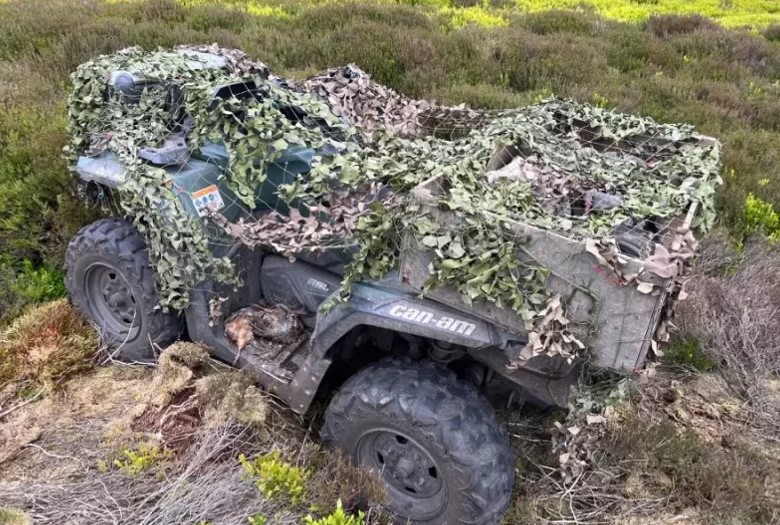
A 14-month League Against Cruel Sports study of seven shooting estates in Scotland revealed the use of a massive array of traps and snares aimed at foxes, stoats, weasels and crows. Judging by what was found, we estimate more than 200,000 animals are killed on all Scottish shooting estates each year. The survey also revealed that just under 40 per cent of the dead animals found in traps were “non-target” species like badgers, cats and dogs, or even hedgehogs, that do no harm to grouse.
As the Wildlife Management and Muirburn Bill is debated in the Scottish Parliament over the coming months, the League Against Cruel Sports looks forward to snares being banned and questions being asked about the ethics of killing hundreds of thousands of animals killed each year to ensure there are more grouse to be shot for so-called “sport”.
Robbie Marsland is director of the League Against Cruel Sports Scotland
ENDS





 Raptor Persecution UK