Henry’s tour day 52: Farr

Thurs 25 June 2015  Copy

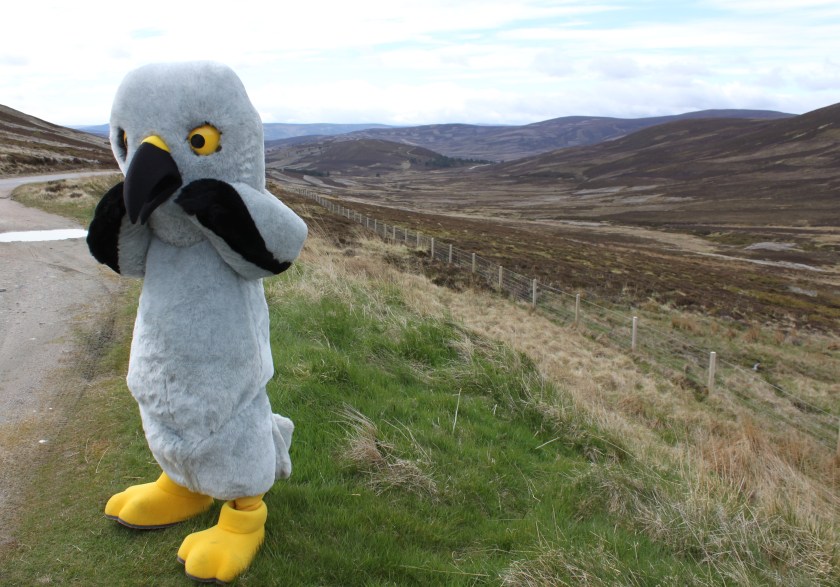
Henry went to visit the Farr Estate just up the valley from Coignafearn. It’s often called the Glen Kyllachy & Farr Estate.

He doesn’t look very happy.

Raptor populations in this area and nearby have suffered a long history of persecution, as recognised by Scotland’s Moorland Forum (see here). It’s a real mystery who is responsible for this because there has only ever been one prosecution. A conviction was secured but was later quashed on appeal.

Here are some records on what has reportedly been found over the years (data from RSPB reports):

1987: Poisoned bait, Kyllachy.

1991: Poisoned eagle, Farr.

1991: Hen harrier nest destroyed, Farr Estate.

August 2008: Poisoned red kite (Carbofuran), Glen Kyllachy & Farr Estate

April 2009: Poisoned red kite (Carbofuran), Glen Kyllachy & Farr Estate

May 2010: Poisoned red kite (Aldicarb), Glen Kyllachy & Farr Estate

June 2010: Poisoned white-tailed eagle (Carbofuran), Glen Kyllachy & Farr Estate

June 2010: Poisoned golden eagle (Carbofuran), Glen Kyllachy & Farr Estate

May 2011: Poisoned red kite (Carbofuran & Bendiocarb), Glen Kyllachy & Farr Estate

June 2011: Attempted shooting of a kestrel (Farr).

The six poisoned raptors found in the three year period between 2008-2011 (4 red kites, 1 golden eagle, 1 white-tailed eagle) prompted a police raid in July 2011. You can read about the outcome here (page 26).

Henry’s tour day 51: Coignafearn

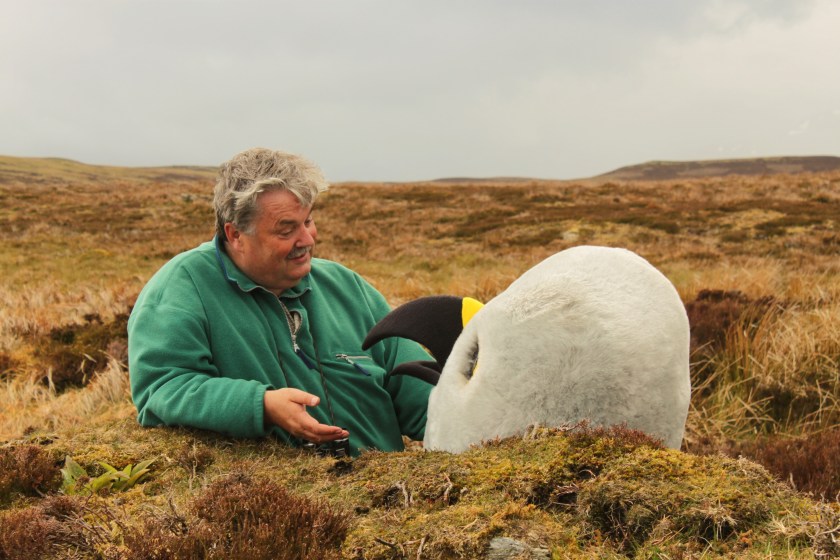
Weds 24 June 2015 Copy Henry went to visit the Coignaferan Estate, nestled deep in the Monadliaths. This has got to be one of the most progressive sporting estates in Scotland.
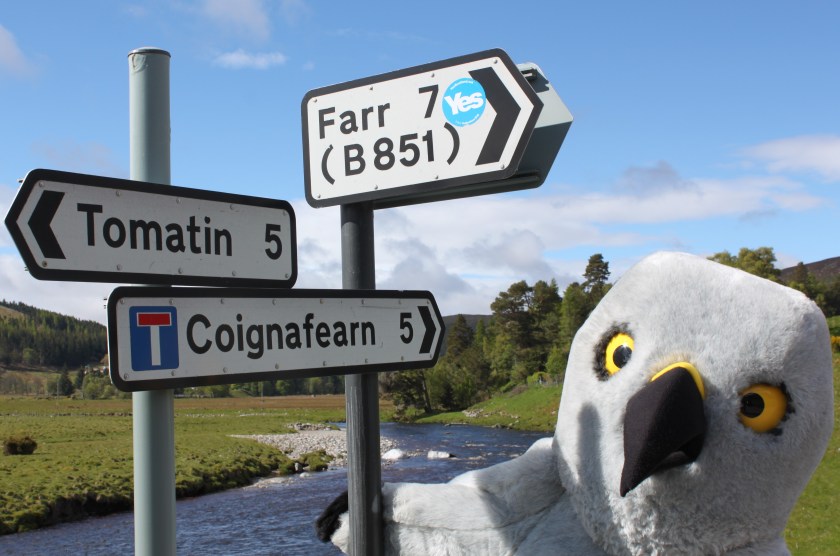
Known as an eagle-killing blackspot in the 1980s, it was bought by Sigrid Rausing in 1998 and she has set about restoring an ecological balance with an enlightened vision.

In addition to a comprehensive deer culling policy to regulate the grazing pressure, the development of an extensive native woodland and scrub regeneration scheme, a blanket bog and peat restoration scheme, a scheme to recover important riparian habitat and a ban on the culling of mountain hares, Dr Rausing has been a prominent supporter of raptor conservation.

With the help of Roy Dennis (her ecological advisor), she has re-built previously destroyed eagle eyries and provides supplementary winter feeding for golden eagles to encourage their return. Coignafearn is an important ‘nursery’ area for young golden eagles, as demonstrated by the frequent visits made by satellite-tracked eagles from across Scotland. In 2011, she spoke out about landowners and gamekeepers killing golden eagles (see here) – a brave move and one that gained the respect of raptor workers and conservationists.

Part of the estate is managed for red grouse shooting although Dr Rausing’s approach is very different to that of many other grouse moor owners. The grouse on Coignaferan are not intensively managed (no heather burning & no medicated grit here) because she’s not interested in ‘big bag’ sizes – she’s all about ecological balance. The estate runs a viable shoot but it is also home to a wide range of raptors who have found sanctuary at Coignafearn in the otherwise hell-ish Monadliaths & surrounding areas, where not much has changed from what was going on several decades ago (see here for a pretty grim map).

If you get the chance, you really should try and visit Coignafearn (visitors are welcome here!).

Henry’s tour day 50: paradise, hell or a bacon roll?

Tues 23 June 2015 Copy

Decisions, decisions. To paradise, to hell, or to the best bacon roll, ever?

Henry’s tour day 49: the ghost harrier

Mon 22 June 2015  Copy

This haunting silhouette, crafted from snow, was seen as Henry traveled down the A9 from Inverness to Perthshire.

It looks as though part of this harrier’s wing has been blown away by a shotgun.

It was quite a surreal and poignant sight.

Just as the snow will melt & disappear from these hills, leaving no trace, so too, the Hen Harrier will fade.

But only if we let it.

Sunday 9th August 2015 is this year’s Hen Harrier Day. Get involved! Find out more HERE

Henry’s tour day 48: butt naked

Fri 19 June  Copy

This butt, and hundreds like it, needs to be occupied.

Occupy the butts!

Go to a grouse moor, find a grouse butt, take a photograph of yourself occupying the butt, send in the photograph to this website.

Finding one of these butts is easy – you don’t have to walk for miles across the moors – a lot of them are right there by the roadside. Grouse butts are normally marked on OS maps at 1:25000 scale. Try http://www.streetmap.co.uk and zoom in on your favourite moor.

It’s not illegal to stand in a grouse butt and take a photograph, as long as you are not damaging it nor interfering with ‘lawful activity’ (i.e. disrupting a driven grouse shoot). We’d encourage you to visit a grouse butt at any time between now and Hen Harrier Day (Sun 9th August) – just 7 weeks away – before the shooting starts on 12th August.

Henry’s tour day 47: badlands

Thurs 18 June  Copy

This is the eastern side of the Cairngorms National Park.

When you read about landscapes that are ‘dominated by driven grouse moors’, this place is as good as any to understand what is meant by that. Ugly burnt rectangular strips of heather for as far as the eye can see are a bit of a giveaway, as are the lines of grouse-shooting butts marching across the hillsides.

This layby, on a public road, might be a good place to pull over for spectacular views of the glen, and perhaps it would provide the perfect opportunity to watch for a hen harrier settling down to roost on the hillside in the fading hours of daylight. Armed with a decent pair of binoculars and a rudimentary understanding of hen harrier ecology, you might expect a special evening enjoying views of the protected wildlife safe within the boundaries of a National Park.

But then you remember. This is the Cairngorms National Park.

Perhaps it was a spot just like this where, in 2013, the alleged coordinated hunting and shooting of a male hen harrier took place on a driven grouse moor on the eastern side of the Cairngorms National Park?

How many pairs of successfully breeding hen harriers do you think there are inside the Cairngorms National Park?

Henry’s tour day 46: Glen Tanar

Weds 17 June  Copy

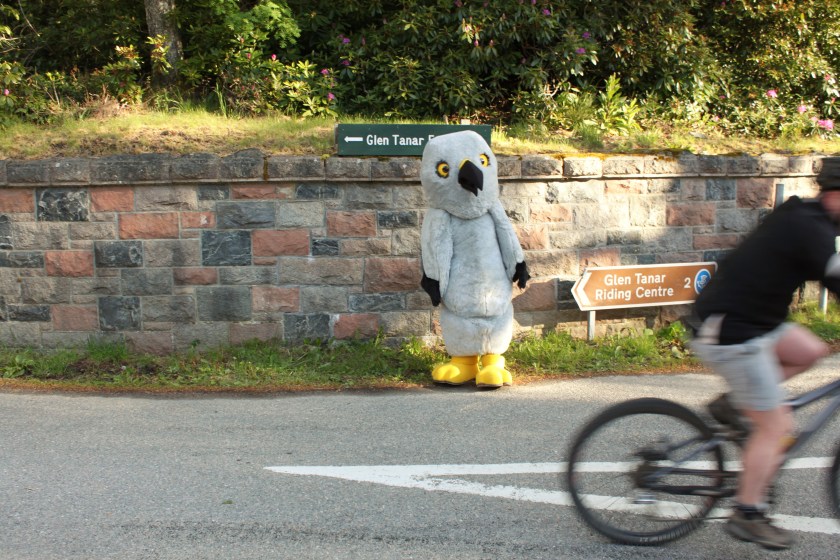
Henry was happy to visit the Glen Tanar Estate in the Cairngorms National Park – one of very few driven grouse moors that actively welcomes hen harriers, as well as other raptors.

See here, here, here, here and here.

Why can’t all driven grouse moors be managed like this?

Henry’s tour day 45: Dinnet

Tues 16 June  Copy

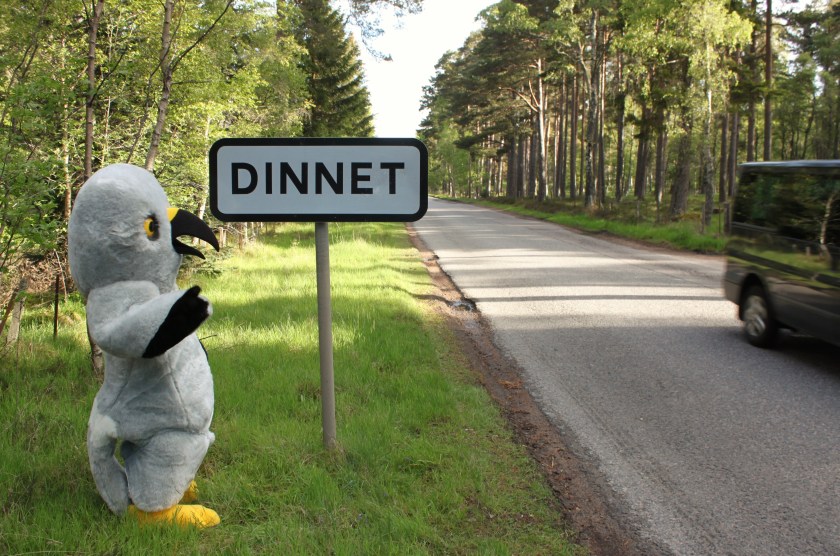
Henry called in at Dinnet (Deeside) but would only visit in daylight hours – here’s why.

It’s actually not all that safe in the daytime either – here’s why.

Welcome to the Cairngorms National Park.

Henry’s tour day 44: Cairngorms National Park

Mon 15 June Copy

Henry’s arrived in the Cairngorms National Park.

You might think he’d be safe here, what with it being a National Park and all that.

You’d be wrong.

Almost 45% of the CNP is covered by ‘managed moorland’ and raptor persecution here has been so prominent that last year it led to the Convenor of the Cairngorms National Park Authority declaring that “it threatens to undermine the reputation of the National Park as a high quality tourist destination” (see here and then here).

Henry’s tour day 43: occupy the butts

IMG_5598 (2) - Copy

Another day, another location (Perthshire this time), another grouse butt to occupy!

Check out BAWC’s new Hen Harrier Day website and submit your photos – get involved!