Further to this morning’s blog, gamekeeper Racster Dingwall has pleaded guilty to two charges, including conspiracy to kill a Hen Harrier on a grouse moor on the Conistone & Grassington Estate in the Yorkshire Dales National Park on 2nd October 2024.
He was fined £400 for each offence, plus a surcharge of £320 + £400 costs (total = £1,520).
Convicted gamekeeper Racster Dingwall (on the left) leaving York Magistrates’ Court with his solicitor after sentencing (photo by Ruth Tingay)
The judge made some remarks that I found absolutely staggering….much more on that later.
In haste.
UPDATE 15.15hrs: Gamekeeper pleads guilty in England’s first ever Hen Harrier persecution case (RSPB press release) here.
UPDATE 18.00hrs: Statement from North Yorkshire Police on conviction of gamekeeper Racster Dingwall (here)
UPDATE 30 January 2026: Some commentary on the conviction and sentencing of gamekeeper Racster Dingwall (here)
UPDATE 7 February 2026: Yorkshire Dales Moorland Group in desperate attempt to divert attention away from conviction of Yorkshire Dales gamekeeper Racster Dingwall (here)
The trial begins at York Magistrates’ Court on Thursday 29th January 2026 for gamekeeper Racster Dingwall, accused of conspiracy to kill a Hen Harrier on a grouse moor in the Yorkshire Dales National Park.
York Magistrates’ Court. Photo by Ruth Tingay
The prosecution alleges Mr Dingwall was one of three gamekeepers caught on the RSPB’s covert footage from the Conistone & Grassington Estate on 2nd October 2024, as broadcast on Channel 4 News.
Mr Dingwall pleaded not guilty to two charges at an earlier hearing at Skipton Magistrates’ Court on 2 May 2025 (here) and the case was sent to York Magistrates’ Court for a trial in front of a District judge.
At a pre-trial hearing in September 2025, Mr Dingwall’s barrister failed to get the case thrown out on a technicality after the District judge ruled the RSPB’s evidence was legally obtained and therefore admissible (see here).
As a consequence, a two-day trial was set for 29th and 30th January 2026.
Interestingly, tomorrow’s case has been listed as a ‘sentencing’ hearing, which suggests that Mr Dingwall intends to plead guilty.
NB: Because criminal legal proceedings are live, the comment facility has been switched offuntil the case has concluded.
UPDATE 29 January 2026: Gamekeeper Racster Dingwall pleads guilty to conspiracy to kill a Hen Harrier on a grouse moor in Yorkshire Dales National Park (here)
UPDATE 29 January 2026: Gamekeeper pleads guilty in England’s first ever Hen Harrier persecution case (RSPB press release) here.
UPDATE 30 January 2026: Some commentary on the conviction and sentencing of gamekeeper Racster Dingwall (here)
For anyone who still wants to pretend that the grouse shooting industry isn’t responsible for the systematic extermination of Hen Harriers on grouse moors across the UK, here’s the latest catalogue of crime that suggests otherwise.
This male hen harrier died in 2019 after his leg was almost severed in an illegally set trap that had been placed next to his nest on a Scottish grouse moor (see here). Photo by Ruth Tingay
This is the blog I now publish after every reported killing or suspicious disappearance.
“They disappear in the same way political dissidents in authoritarian dictatorships have disappeared” (Stephen Barlow, 22 January 2021).
Today the list has been revised to reflect updates in various reports since I last updated the list in July 2025. There isn’t a one-stop shop (apart from this list) where you can find information about ‘missing’ or illegally killed Hen Harriers – the information for this list is sourced and cross-referenced from various places, including Natural England’s database, the RSPB’s database, the HSE’s database, police reports, RSPB Birdcrime reports and FoIs to various agencies. This list doesn’t include any Hen Harriers that have been listed as having a natural cause of death (e.g. known/suspected predation), or listed as ‘likely tag failure’, or known to have been lost abroad, or where the cause of death is inconclusive, unless there is additional information (e.g. from satellite tag data) which indicates suspicious or illegal activity. It is painstaking work that takes a lot of time to complete, but I consider it to be as accurate and comprehensive as it can be at the time of writing.
I’ve been compiling this list only since 2018 because that is the year that the grouse shooting industry ‘leaders’ would have us believe that the criminal persecution of Hen Harriers had stopped and that these birds were being welcomed back on to the UK’s grouse moors (see here).
This assertion was made shortly before the publication of a devastating new scientific paper that demonstrated that 72% of satellite-tagged Hen Harriers were confirmed or considered likely to have been illegally killed, and this was ten times more likely to occur over areas of land managed for grouse shooting relative to other land uses (see here). A further scientific paper published in 2023 by scientists at the RSPB, utilising even more recent data, echoed these results – see here.
2018 was also the year that Natural England issued a licence to begin a Hen Harrier brood meddling trial on grouse moors in northern England. For new blog readers, Hen Harrier brood meddling was a conservation sham sanctioned by DEFRA as part of its ludicrous ‘Hen Harrier Action Plan‘ and carried out by Natural England (NE), in cahoots with the very industry responsible for the species’ catastrophic decline in England.
For more background see here and for a critical evaluation of the trial after 5 years see this report by Wild Justice. In 2024 the brood meddling trial appeared to collapse for reasons which are not yet clear (see here) and the licence for the so-called ‘scientific trial’ expired. In March 2025 Natural England announced the end of the brood meddling trial (here) and in April 2025 announced that a licence application to continue brood meddling, submitted by the Moorland Association, had been refused (here).
Brood meddling was earlier described as a sort of ‘gentleman’s agreement’ by commentator Stephen Welch:
“I don’t get it, I thought the idea of that scheme was some kind of trade off – a gentleman’s agreement that the birds would be left in peace if they were moved from grouse moors at a certain density. It seems that one party is not keeping their side of the bargain“.
With at least 147 Hen Harriers gone since 2018, and 28 of those being brood meddled birds, there is no question that the grouse shooting industry was simply taking the piss. Meanwhile, Natural England pretended that ‘partnership working’ was the way to go and consecutive Tory DEFRA Ministers remained silent for all those years.
*n/a – no Hen Harriers were brood meddled in 2018. **There are a number of suspected Hen Harrier persecution incidents from 2025 not yet in the public domain & currently subject to ongoing police investigation. These are not included here.
‘Partnership working’ according to Natural England appeared to include authorising the removal of Hen Harrier chicks from a grouse moor already under investigation by the police for suspected raptor persecution (here) and accepting a £75k ‘donation’ from representatives of the grouse shooting industry with a contract clause that prevented Natural England from criticising them or the sham brood meddling trial (see here). This was in addition to a further £10k ‘donation’ that Natural England accepted, under the same terms, in 2021 (here).
Thankfully, the Scottish Government finally decided to act by introducing a grouse moor licensing scheme under the Wildlife Management & Muirburn (Scotland) Act 2024. The intention behind this new legislation is that grouse shooting estates could have their licences suspended/revoked if, on the balance of probability, it is shown that any raptor persecution crimes (& some other associated offences) are linked with grouse moor management on that estate. There were, however, ongoing issues with the licence as it was significantly watered-down after an intervention from the grouse shooting industry (see here). Efforts to close this loophole are included in the Natural Environment (Scotland) Bill, currently making its way through the Scottish Parliament (here).
In England a new Hen Harrier Taskforce was established in 2024, led by the National Wildlife Crime Unit, to use innovative techniques to target Hen Harrier persecution hotspots (locations where Hen Harriers repeatedly ‘disappear’ or are found illegally killed). It’s too early to judge the Taskforce’s success/failure and it’s been met with considerable resistance from the Moorland Association, the grouse moor owners’ lobby group (e.g. see here). So far though, it’s quite clear that the the illegal killing continues.
So here’s the latest gruesome list of ‘missing’/illegally killed Hen Harriers since 2018. Note that the majority of these birds (but not all) were fitted with satellite tags. How many more [untagged] harriers have been killed? We now have evidence that gamekeepers are specifically targeting untagged Hen Harriers, precisely to avoid detection (see here for extraordinary footage/audio captured by the RSPB’s Investigations Team as featured on Channel 4 News in October 2024).
2018
February 2018: Hen Harrier Saorsa ‘disappeared’ in the Angus Glens in Scotland (here). The Scottish Gamekeepers Association later published wholly inaccurate information claiming the bird had been re-sighted. The RSPB dismissed this as “completely false” (here). Tagged by RSPB.
5 February 2018: Hen Harrier Marc ‘disappeared’ on a grouse moor in Durham (here). Tagged by RSPB.
9 February 2018: Hen Harrier Aalin ‘disappeared’ on a grouse moor in Wales (here). Tagged by RSPB.
March 2018: Hen Harrier Blue ‘disappeared’ in the Lake District National Park (here). Tagged by RSPB.
March 2018: Hen Harrier Finn ‘disappeared’ near Moffat in Scotland (here). Tagged by RSPB.
18 April 2018: Hen Harrier Lia ‘disappeared’ in Wales and her corpse was retrieved in a field in May 2018. Cause of death was unconfirmed but police treating death as suspicious (here). Tagged by RSPB.
8 August 2018: Hen Harrier Hilma ‘disappeared’ on a grouse moor in Northumberland (here). Tagged by RSPB.
16 August 2018: Hen Harrier Athena ‘disappeared’ on a grouse moor in Scotland (here). Tagged by RSPB.
26 August 2018: Hen Harrier Octavia ‘disappeared’ on a grouse moor in the Peak District National Park (here). Tagged by RSPB.
29 August 2018: Hen Harrier Margot ‘disappeared’ on a grouse moor in Scotland (here). Tagged by RSPB.
29 August 2018: Hen Harrier Heulwen ‘disappeared’ on a grouse moor in Wales (here). Tagged by RSPB.
3 September 2018: Hen Harrier Stelmaria ‘disappeared’ on a grouse moor in Scotland (here). Tagged by RSPB.
24 September 2018: Hen Harrier Heather ‘disappeared’ on a grouse moor in Scotland (here). Tagged by RSPB.
2 October 2018: Hen Harrier Mabel (Tag ID 34342) ‘disappeared’ on a grouse moor on the edge of the Yorkshire Dales National Park (here). Grid ref NY851059. Tagged by NE.
3 October 2018: Hen Harrier Thor ‘disappeared’ next to a grouse moor in Bowland, Lanacashire (here). Tagged by RSPB.
23 October 2018: Hen Harrier Tom (Tag ID 161144) ‘disappeared’ in South Wales (here). Grid ref SS906698. Tagged by NE.
26 October 2018: Hen Harrier Arthur ‘disappeared’ on a grouse moor in the North York Moors National Park (here). Tagged by RSPB.
1 November 2018: Hen Harrier Barney (Tag ID 34343) ‘disappeared’ on Bodmin Moor, Cornwall (here). Grid ref SX140720. Tagged by NE.
10 November 2018: Hen Harrier Rannoch ‘disappeared’ on a grouse moor in Scotland (here). Her corpse was found nearby in May 2019 – she’d been killed in an illegally-set spring trap (here). Tagged by RSPB.
14 November 2018: Hen Harrier River ‘disappeared’ on a grouse moor in the Nidderdale AONB (here). Her corpse was found nearby in April 2019 – she’d been illegally shot (here). Tagged by RSPB.
2019
16 January 2019: Hen Harrier Vulcan ‘disappeared’ in Wiltshire close to Natural England’s proposed reintroduction site (here). Tagged by RSPB.
28 January 2019: Hen Harrier DeeCee ‘disappeared’ in Glen Esk, a grouse moor area of the Angus Glens (see here). Tagged by RSPB.
7 February 2019: Hen Harrier Skylar ‘disappeared’ next to a grouse moor in South Lanarkshire (here). Tagged by RSPB.
22 April 2019: Hen Harrier Marci ‘disappeared’ on a grouse moor in the Cairngorms National Park (here). Tagged by RSPB.
26 April 2019: Hen Harrier Rain ‘disappeared’ on a grouse moor in Nairnshire (here). Tagged by RSPB.
11 May 2019: An untagged male Hen Harrier was caught in an illegally-set trap next to his nest on a grouse moor in South Lanarkshire. He didn’t survive (here).
7 June 2019: An untagged Hen Harrier was found dead on a grouse moor in Scotland. A post mortem stated the bird had died as a result of ‘penetrating trauma’ injuries and that this bird had previously been shot (here).
5 September 2019: Wildland Hen Harrier 1 ‘disappeared’ on a grouse moor nr Dalnaspidal on the edge of the Cairngorms National Park (here). Tagged by Wildlands.
11 September 2019: Hen Harrier Romario ‘disappeared’ on a grouse moor in the Cairngorms National Park (here). Tagged by RSPB.
14 September 2019: Hen Harrier R1-M2-19 (Brood meddled in 2019, Tag ID 183704) ‘disappeared’ in the North Pennines (here). Grid ref SD920943. Tagged by NE.
23 September 2019: Hen Harrier R1-M4-19 (Brood meddled in 2019, Tag ID 55149) ‘disappeared’ in North Pennines (here). Grid ref NY952103. Tagged by NE.
24 September 2019: Wildland Hen Harrier 2 ‘disappeared’ on a grouse moor at Invercauld in the Cairngorms National Park (here). Tagged by Wildlands.
24 September 2019: Hen Harrier Bronwyn ‘disappeared’ near a grouse moor in North Wales (here). Tagged by RSPB.
10 October 2019: Hen Harrier Ada ‘disappeared’ on a grouse moor in the North Pennines AONB (here). Tagged by RSPB.
12 October 2019: Hen Harrier Thistle ‘disappeared’ on a grouse moor in Sutherland (here). Tagged by RSPB.
18 October 2019: Member of the public reports the witnessed shooting of an untagged male Hen Harrier on White Syke Hill in North Yorkshire (here).
November 2019: Hen Harrier Mary found illegally poisoned on a pheasant shoot in Ireland (here). Tagged by RSPB.
November 2019: Hen Harrier Artemis ‘disappeared’ near Long Formacus in south Scotland (here). Tagged by RSPB.
14 December 2019: Hen harrier Oscar ‘disappeared’ in Eskdalemuir, south Scotland (here). Tagged by RSPB.
December 2019: Hen Harrier Ingmar ‘disappeared’ in the Strathbraan grouse moor area of Perthshire (here). Tagged by RSPB.
Unknown date in 2019: Hen Harrier Erin tagged on Isle of Man ‘disappeared’ (Stop No Malfunction) – location unknown (see here). Tagged by RSPB.
2020
27 January 2020: Members of the public report the witnessed shooting of a male Hen Harrier on Threshfield Moor in the Yorkshire Dales National Park (here).
5 April 2020: Hen Harrier Hoolie ‘disappeared’ on a grouse moor in the Cairngorms National Park (here). Tagged by RSPB.
8 April 2020: Hen Harrier Marlin ‘disappeared’ on a grouse moor in the Cairngorms National Park (here). Tagged by RSPB.
19 May 2020: Hen Harrier Fingal ‘disappeared’ on a grouse moor in the Lowther Hills, Scotland (here). Tagged by RSPB.
21 May 2020: Hen Harrier R1-M1-19 (Brood meddled in 2019, Tag ID 183701) ‘disappeared’ on a grouse moor in Cumbria shortly after returning from wintering in France (here). Grid ref SD770877. Tagged by NE.
27 May 2020: Hen Harrier Silver ‘disappeared’ on a grouse moor on Leadhills Estate, Scotland (here). Tagged by RSPB.
2020: day/month unknown: Unnamed male Hen Harrier breeding on RSPB Geltsdale Reserve, Cumbria ‘disappeared’ while away hunting (here).
14 August 2020: Hen Harrier Solo (Tag ID 201119) ‘disappeared’ in confidential nest area in Lancashire (here). Tagged by NE.
7 September 2020: Hen Harrier Dryad ‘disappeared’ on a grouse moor in the Yorkshire Dales National Park (here). Tagged by RSPB.
16 September 2020: Hen Harrier Fortune (Tag ID 162150a) ‘disappeared’ from a confidential roost site in Northumberland (here). Tagged by NE.
19 September 2020: Hen Harrier Harold (Tag ID 57272) ‘disappeared’ on a grouse moor in the Yorkshire Dales National Park (here). Grid ref NY830036. Tagged by NE.
20 September 2020: Hen Harrier R1-M4-20 (Brood meddled in 2020, Tag ID 55152) ‘disappeared’ next to a grouse moor in North Yorkshire (here). Grid ref SE103956. Tagged by NE.
19 December 2020: Hen Harrier Lagertha (Tag ID 201126a) ‘disappeared’ in Christchurch, Dorset close to winter roost. Not to be confused with RSPB-tagged bird also called Lagertha (2023). Grid ref SZ161924. Tagged by NE.
2021
24 February 2021: Hen Harrier Tarras ‘disappeared’ next to a grouse moor in Northumberland (here). Tagged by RSPB.
12th April 2021: Hen Harrier Yarrow ‘disappeared’ near Stockton, County Durham (here). Tagged by RSPB.
18 May 2021: Untagged breeding male Hen Harrier (Geltsdale 1) ‘disappeared’ from its breeding attempt on RSPB Geltsdale Reserve, Cumbria whilst away hunting (here).
18 May 2021: Another untagged breeding male Hen Harrier (Geltsdale 2) ‘disappeared’ from its breeding attempt on RSPB Geltsdale Reserve, Cumbria whilst away hunting (here).
24 July 2021: Hen Harrier Asta (Tag ID 201117) ‘disappeared’ in the North Pennines after establishing a home range around Gilmonby Moor (here). We learned 18 months later that her wings had been ripped off so her tag could be fitted to a crow in an attempt to cover up her death (here). Grid ref SE206937. Tagged by NE.
14th August 2021: Hen Harrier Josephine (Tag ID 213850) ‘disappeared’ at a ‘confidential site’ in Northumberland (here). Grid ref NY592841. Tagged by NE.
17 September 2021: Hen Harrier Reiver ‘disappeared’ in a grouse moor dominated region of Northumberland (here). Tagged by RSPB.
24 September 2021: Hen Harrier R2-F1-21 (Brood meddled in 2021, Tag ID 213918) ‘disappeared’ in Northumberland (here). Grid ref NZ022667. Tagged by NE.
15 November 2021: Hen Harrier R2-F1-20 (Brood meddled in 2020, Tag ID 203003) ‘disappeared’ at the edge of a grouse moor on Arkengarthdale Estate in the Yorkshire Dales National Park (here). Grid ref NY959039. Tagged by NE.
12 December 2021: Hen Harrier Jasmine (Tag ID 213848) ‘disappeared’ on a grouse moor (High Rigg Moor on the Middlesmoor Estate) in the Nidderdale AONB in North Yorkshire (here). Grid ref SE034733. Tagged by NE.
Unknown date in 2021: Hen Harrier Maiden, tagged in Lancashire in 2021, ‘disappeared’ at unknown location (here). Tagged by RSPB.
2022
9 January 2022: Hen Harrier Ethel (Tag ID 213852) ‘disappeared’ in Northumberland (here). Grid ref NY936632. Tagged by NE.
10 February 2022: An unnamed satellite-tagged Hen Harrier ‘disappeared’ in a grouse moor dominated area of the Peak District National Park (here). One year later it was revealed that the satellite tag/harness of this young male called ‘Anu’ had been deliberately cut off (see here). Tagged by RSPB.
12 April 2022: Hen Harrier Free (Tag ID 201121) ‘disappeared’ at a ‘confidential site’ in Cumbria (here). It later emerged he hadn’t disappeared, but his mutilated corpse was found on moorland in the Yorkshire Dales National Park. A post mortem revealed the cause of death was having his head twisted and pulled off. One (ringed) leg had also been torn off whilst he was still alive (here). Tagged by NE.
April 2022: Hen Harrier Pegasus ‘disappeared’ on a grouse moor at Birkdale in the Yorkshire Dales National Park (here). Tagged by RSPB.
May 2022: An untagged breeding male Hen Harrier (Peak District 1) ‘disappeared’ from a National Trust-owned grouse moor in the Peak District National Park (here).
May 2022: Another untagged breeding male Hen Harrier (Peak District 2) ‘disappeared’ from a National Trust-owned grouse moor in the Peak District National Park (here).
14 May 2022: Hen Harrier Harvey (Tag ID 213844) ‘disappeared’ in the North Pennines (here). Grid ref NY918019. Tagged by NE.
20 June 2022: Hen harrier chick #1 stamped to death in nest on a grouse moor in the Yorkshire Dales National Park (here).
20 June 2022: Hen Harrier chick #2 stamped to death in nest on a grouse moor in the Yorkshire Dales National Park (here).
20 June 2022: Hen Harrier chick #3 stamped to death in nest on a grouse moor in the Yorkshire Dales National Park (here).
20 June 2022: Hen Harrier chick #4 stamped to death in nest on a grouse moor in the Yorkshire Dales National Park (here).
17 August 2022: Hen Harrier R1-M1-22 (Brood meddled in 2022, Tag ID 232637) ‘disappeared’ on moorland in the Yorkshire Dales National Park (here). Grid ref SD804893. Tagged by NE.
September 2022: Hen Harrier Sullis ‘disappeared’ on a grouse moor in Cumbria (here). Tagged by RSPB.
5 October 2022: Hen Harrier R3-M2-22 (Brood meddled in 2022, Tag ID 213920a) ‘disappeared’ on moorland in the Yorkshire Dales National Park (here). Grid ref NY791016. Tagged by NE.
10 October 2022: Hen Harrier Sia ‘disappeared’ near Hamsterley Forest in the North Pennines (here). Tagged by RSPB.
October 2022: Hen Harrier R1-F1-21 (Brood meddled in 2021, Tag ID 213919) ‘disappeared’ in the North Sea off the North York Moors National Park (here). Tagged by NE.
1 December 2022: Hen Harrier R1-M1-21 (Brood meddled in 2021, Tag ID 55145a) ‘disappeared’ on moorland in the Yorkshire Dales National Park (here). Grid ref SD917620. Tagged by NE.
7 December 2022: Hen Harrier R2-F2-20 (Brood meddled in 2020, Tag ID 55144) ‘disappeared’ from winter roost (same as R3-F1-22) on moorland in North Pennines AONB. Later found dead on 26 June 2023 with 3 shotgun pellets in corpse (here). Grid ref NY730372. Tagged by NE.
14 December 2022: Hen Harrier R3-F1-22 (Brood meddled in 2022, Tag ID 213921a) ‘disappeared’ from winter roost (same as R2-F2-20) on moorland in the North Pennines AONB (here). Later found dead on 10 April 2023 with two shotgun pellets in corpse (here). Grid ref NY708423. Tagged by NE.
15 December 2022: Hen Harrier R2-F1-22 (Brood meddled in 2022, Tag ID 213931) ‘disappeared’ on moorland in the Yorkshire Dales National Park (here). Grid ref SD847831. Tagged by NE.
Unknown date in 2022: Hen Harrier Heath, tagged in Lancashire in 2019, ‘disappeared’ at unknown location (here). Tagged by RSPB.
Unknown date in 2022: Hen Harrier Syrcas, tagged in Conwy in 2021, ‘disappeared’ at unknown location (here). Tagged by RSPB.
2023
30 March 2023: Hen Harrier R1-F3-22 (Brood meddled in 2022, Tag ID NY823039) ‘disappeared’ in Yorkshire (here). Grid ref NY823039. Tagged by NE.
March 2023: Hen Harrier (tagged), last transmission/sighting in Lancashire. No tag number provided. Reported in RSPB Birdcrime 2023, Appendix 4 (here).
1 April 2023: Hen Harrier R2-M1-22 (Brood meddled in 2022, Tag ID NY846027) ‘disappeared’ in Yorkshire (here). Grid ref NY846027. Tagged by NE.
April 2023: Hen Harrier Lagertha ‘disappeared’ in North Yorkshire (here). Tagged by RSPB. Not to be confused with Lagertha tagged by NE & disappeared in 2020).
April 2023: Hen Harrier Nicola (Tag ID 234078) ‘disappeared’ in North Yorkshire (here). Grid ref SD831860. Tagged by NE.
April 2023: Untagged male Hen Harrier (Geltsdale 3) ‘disappeared’ from an active nest on RSPB Geltsdale Reserve in Cumbria (here).
April 2023: Another untagged male Hen Harrier (Geltsdale 4) ‘disappeared’ from an active nest on RSPB Geltsdale Reserve in Cumbria (here).
April 2023: Untagged male Hen Harrier ‘disappeared’ from an active nest in Co Durham (here).
4/5 May 2023: Hen Harrier Rush ‘disappeared’ from a grouse moor in Bowland AONB in Lancashire (here). Tagged by RSPB.
9/10 May 2023: Hen Harrier Dagda tagged in Lancashire in June 2022 and who was breeding on the RSPB’s Geltsdale Reserve in 2023 until he ‘disappeared’, only to be found dead on the neighbouring Knarsdale grouse moor in May 2023 – a post mortem revealed he had been shot (here). Tagged by RSPB.
17 May 2023: Hen Harrier Wayland ‘disappeared’ in the Clapham area of North Yorkshire, just north of the Bowland AONB (here). Tagged by RSPB.
31 May 2023: Hen Harrier R2-M3-22 (Brood meddled in 2022, Tag ID 213932) ‘disappeared’ in Northumberland (here). Grid ref NY765687. Tagged by NE.
11 June 2023: Hen Harrier R2-M1-21 (Brood meddled in 2021, Tag ID 213922) ‘disappeared’ in the Yorkshire Dales National Park (here). Grid ref NY757000. Tagged by NE.
12 June 2023: Hen Harrier R1-M2-20 (Brood meddled in 2020, Tag ID 203004) ‘disappeared’ on a grouse moor in Co. Durham (here). Grid ref NY976322. Tagged by NE.
6 July 2023: Hen Harrier Rubi (Tag ID 201124a) ‘disappeared’ on a grouse moor in Co. Durham (here). Grid ref NY911151. Tagged by NE.
23 July 2023: Hen Harrier R1-F1-23 (Brood meddled in 2023, Tag ID 55154a) ‘disappeared’ on a grouse moor in Co. Durham (close to where Rubi disappeared) (here). Grid ref NY910126. Tagged by NE.
9 August 2023: Hen Harrier Martha ‘disappeared’ on a grouse moor (Westburnhope Moor) near Hexham in the North Pennines (here). Tagged by RSPB.
11 August 2023: Hen Harrier Selena ‘disappeared’ on a grouse moor (Mossdale Moor) in the Yorkshire Dales National Park (here). Tagged by RSPB.
11 August 2023: Hen Harrier R3-F1-23 (Brood meddled in 2023, Tag ID 201118a) ‘disappeared’ in Co. Durham (here). Grid ref NZ072136. Tagged by NE.
15 August 2023: Hen Harrier Hepit ‘disappeared’ on a grouse moor (Birkdale Common) near Kirkby Stephen in the Yorkshire Dales National Park (here). Tagged by RSPB.
24 August 2023: Hen Harrier R1-F2-23 (Brood meddled in 2023, Tag ID 55155a) ‘disappeared’ in Northumberland (here). Grid ref NY679863. Tagged by NE.
August-Sept 2023: Hen Harrier Harmonia ‘disappeared’ in the Yorkshire Dales National Park (here). ‘Stop No Malfunction’. Tagged by RSPB.
September 2023: Hen Harrier Saranyu, tagged in Cumbria in June 2023, ‘disappeared’ in Durham in September 2023 (here). Tagged by RSPB.
September 2023: Hen Harrier Inger, tagged in Perthshire in July 2022, ‘disappeared’ on a grouse moor in the Angus Glens in September 2023 (here). Tagged by RSPB.
15 September 2023: Hen Harrier Rhys (Tag ID 213847a), tagged in Cumbria on 1st August 2023, ‘disappeared’ on a grouse moor in the Yorkshire Dales National Park (here). Grid ref SD798896. Tagged by NE.
24 September 2023: Hen Harrier R2-F2-23 (Brood meddled in 2023, Tag ID 213929) ‘disappeared’ in the North Pennines (here). Grid ref NY888062. Tagged by NE.
26 September 2023: Hen Harrier Hope, tagged in Cumbria on 21 July 2023, ‘disappeared’ next to a grouse moor in the Yorkshire Dales National Park (here). Grid ref SD801926. Tagged by NE.
4 October 2023: Hen Harrier R1-M3-20 (Brood meddled in 2020, Tag ID 55153) ‘disappeared’ in Co Durham (here). Grid ref NY935192. Tagged by NE.
4 October 2023: Hen Harrier R4-F1-23 (Brood meddled in 2023, Tag ID 213925a) ‘disappeared’ on a grouse moor in the Yorkshire Dales National Park (here). Grid ref SE003981. Tagged by NE.
15 November 2023: Hen Harrier Hazel’ (Tag ID 240292) tagged in Cumbria on 21 July 2023, ‘disappeared’ on the Isle of Man (here). Grid ref SC251803. Tagged by NE.
7 December 2023: Hen Harrier R2-M1-20 (Brood meddled in 2020, Tag ID 55146a) ‘disappeared’ in Co Durham. Grid ref NY963211. Tagged by NE.
Unknown date in 2023: Hen Harrier Aurora, tagged in Dumfries & Galloway in 2022, ‘disappeared’ at unknown location (here). Tagged by RSPB.
2024
12 February 2024: Hen Harrier Susie (Tag ID 201122), found dead in Northumberland. Later revealed to have been the victim of shooting (here). Grid ref NY759585. Tagged by NE. Susie’s chicks were stamped to death at nest on moor at Whernside in 2022 (here).
15 February 2024: Hen Harrier Shalimar, tagged on the National Trust for Scotland’s Mar Lodge Estate in 2023, ‘disappeared’ in suspicious circumstances on a grouse moor in the notorious Angus Glens (here). Tagged by RSPB.
24 April 2024: Hen Harrier Ken (Tag ID 213849a) ‘disappeared’ in suspicious circumstances close to a grouse moor in Bowland (here). Grid ref SD684601. Tagged by NE.
17 May 2024: Hen Harrier R2-M2-23 (Brood meddled in 2023, Tag ID 213928) ‘disappeared’ in suspicious circumstances next to Middlesmoor grouse moor in Nidderdale (here). Grid ref SE043754. Tagged by NE.
7 June 2024: Hen Harrier Edna (Tag ID 161143a). Decomposed corpse found next to a wind farm nr Otterburn, Northumberland. Listed as ‘suspected illegally killed’. There has been a suggestion she was killed elsewhere & dumped at the wind farm as a ploy to cover up the crime (here). Grid ref NY910827. Tagged by NE.
25 June 2024: Hen Harrier R2-F1-23 (Brood meddled in 2023, Tag ID 213923) ‘disappeared’ in suspicious circumstances on a grouse moor in Yorkshire Dales National Park (here). Grid ref NY985082. Tagged by NE.
July 2024: Hen Harrier Helius, tagged in Lancashire in 2023, ‘disappeared’ in suspicious circumstances in Bowland (here). Tagged by RSPB.
29 July 2024: Hen Harrier (Tag ID 254843) tagged in Northumberland on 5 July 2024, decomposed corpse not suitable for post mortem but forensics work on her satellite tag showed shot damage (here). Grid ref NY824937. Tagged by NE.
October 2024: An un-tagged Hen Harrier was apparently shot on a grouse moor at Grassington in the Yorkshire Dales National Park by one of three gamekeepers being secretly filmed by the RSPB (here).
1 October 2024: Hen Harrier Dreich (Tag ID 254842) ‘disappeared’ in Lanarkshire (here). Grid ref NS826020. Tagged by NE.
15 October 2024: Hen Harrier Baldur (Tag ID 240291) ‘disappeared’ in Northumberland (here). Grid ref NZ038961. Tagged by NE.
19 October 2024: Hen Harrier Margaret (Tag ID 254844) ‘disappeared’ in Northumberland (here). It was later reported that her tag had been found (‘removed’) but no sign of the carcass (here). Grid ref NY878497. Tagged by NE.
2025
15 January 2025: Hen Harrier Red, hatched on the Tarras Valley Nature Reserve in 2024, ‘disappeared’ on a grouse moor in County Durham in the North Pennines, in the same area another tagged Hen Harrier (Sia) vanished in 2022 (here). Tagged by RSPB.
January 2025: Hen Harrier Ataksak was found poisoned close to a grouse moor in North Yorkshire (here). Apparently a police investigation is ongoing. Tagged by RSPB.
3 February 2025: Hen Harrier R3-F2-22 (Brood meddled in 2022, Tag ID 213924) ‘disappeared’ on a grouse moor in the North York Moors National Park (here). Grid ref SE759996. Tagged by NE.
27 February 2025: Hen Harrier Sita, tagged on behalf of Hen Harrier Action in Bowland in 2024 ‘disappeared’ from a roost site on a grouse moor in the Yorkshire Dales National Park (here). Tagged by RSPB.
4 April 2025: Hen Harrier Bonnie (Tag ID 254841) ‘disappeared’ on a grouse moor in the Moorfoots, Scotland (here). Grid ref NT415575. Tagged by NE.
10 April 2025: Hen Harrier Gill (Tag ID 240294) ‘disappeared’ in south Scotland (here). Grid ref NT440344. Tagged by NE.
1 May 2025: Hen Harrier Pete (Tag ID 213843) ‘disappeared’ in Cumbria (see here). Grid ref NY309418. Tagged by NE.
May 2025: Untagged Hen Harrier male (Geltsdale 5) with an active nest on RSPB Geltsdale Reserve in Cumbria ‘disappeared’. Strongly suspected to have been shot whilst away hunting on nearby grouse moor (here).
May 2025: Another untagged Hen Harrier male (Geltsdale 6) with another active nest on RSPB Geltsdale Reserve in Cumbria ‘disappeared’. Strongly suspected to have been shot whilst away hunting on nearby grouse moor (here).
May 2025: Hen Harrier Dynamo with an active nest on United Utilities-owned land in Bowland, Lancashire, ‘disappeared’. Strongly suspected to have been shot whilst away hunting on a nearby grouse moor (here). Tagged by RSPB.
May 2025: Untagged Hen Harrier with an active nest on United Utilities-owned land in Bowland, Lancashire, ‘disappeared’. Strongly suspected to have been shot whilst away hunting on a nearby grouse moor (here).
9 September 2025: Hen Harrier Maria (Tag ID 281718) tagged in Northumberland on 25 July 2025, ‘disappeared’ near Belford in Northumberland. Grid ref NU125340. Tagged by NE.
17 September 2025: Hen Harrier Beatrix, who fledged from the Tarras Valley Nature Reserve in summer 2025, ‘disappeared’ from an area dominated by grouse moors near Allendale in the North Pennines (here). Tagged by RSPB.
27 September 2025: Hen Harrier Wadrew, who fledged from the RSPB Geltsdale Reserve in Cumbria in summer 2025, ‘disappeared’ on a grouse moor near Birkdale in the Yorkshire Dales National Park (see here). Tagged by the RSPB.
30 September 2025: Hen Harrier Morrigan ‘disappeared’ in the southern area of the North Pennines National Landscape (here). Tagged by RSPB.
14 October 2025: Hen Harrier Circe, hatched on the Tarras Valley Nature Reserve in 2025 and tagged on behalf of charity Hen Harrier Action, ‘disappeared’ in the Moorfoots, south Scotland (here). Tagged by RSPB.
I’m aware of other tagged birds that went missing in 2025 and are not yet listed here as the incidents haven’t been made public as they’re the subject of active police investigations.
To be continued…
Of these 147 incidents, only one has resulted in an arrest and a subsequent prosecution (ongoing – after a ‘not guilty plea’ a gamekeeper is due in court again in January 2026, see here).
I had thought that when we reached 30 dead/missing Hen Harriers then the authorities might pretend to be interested and at least say a few words about this national scandal. We’ve now reached at least ONE HUNDRED AND FORTY SEVEN Hen Harriers, and still Govt ministers remain silent on the illegal persecution issue. They appear not to give a monkey’s. And yes, there are other things going on in the world, as always. That is not reason enough to ignore this blatant, brazen and systematic destruction of a supposedly protected species, being undertaken to satisfy the greed and bloodlust of a minority of society.
And let’s not forget the response from the (now former) Moorland Association Chair (and owner of Swinton Estate in North Yorkshire) Mark Cunliffe-Lister, who told BBC Radio 4 in August 2023 that, “Clearly any illegal [Hen Harrier] persecution is nothappening” (here), in the year when a record 32 Hen Harriers had been confirmed ‘missing’ and/or illegally killed.
Nor should we forget the response from the Game and Wildlife Conservation Trust’s (GWCT) Director of Policy Dr Alistair Leake who wrote a letter to the Guardian newspaper in November 2023 stating that the Hen Harrier brood management [meddling] scheme “is surely a shining example of human / wildlife conflict resolution that would be the envy of other countries trying to find similar solutions“ (I kid you not – here).
Detective Inspector Mark Harrison of the National Wildlife Crime Unit (NWCU) who leads on the national Hen Harrier Taskforce will be giving a live online presentation on 27 January 2026 about the work being undertaken to tackle the ongoing illegal killing of Hen Harriers in the UK. More details here.
For new blog readers, an RSPB report Hen Harriers in the Firing Line, published last year provides a good overview of the illegal persecution of Hen Harriers on UK grouse moors, as does this news reel from Channel 4 News:
Further to this morning’s blog about a satellite-tagged Hen Harrier (Pete) who has ‘disappeared’ in Cumbria (see here), here’s news of another one, quietly updated in Natural England’s spreadsheet without anybody saying a word.
And there’s quite a bit that could / should be said about this particular case but for some reason the authorities (Natural England, Northumbria Police, National Hen Harrier Task Force) have chosen to keep everyone in the dark.
This one’s called ‘Edna’. She was tagged (Tag ID 161143a) in Cumbria as a nestling on 27 June 2023.
Edna featured in three Natural England spreadsheet updates after she’d fledged, listed in September 2023 as ‘Alive – Cumbria’, in December 2023 as ‘Alive – Cumbria’ and in April 2024 as ‘Alive – Yorkshire Dales’.
The next spreadsheet update was published in August 2024 and Edna’s listing was as follows:
Date of last contact:7 June 2024
Location of last contact:Northumberland
Status: Dead
OS reference: Recovered awaiting PM [post mortem]
That was all we knew about Edna’s fate for the next 14 months. Natural England published two more spreadsheet updates (December 2024 and April 2025) but in both of those updates Edna was still listed as ‘Recovered awaiting PM‘.
In January 2025 I’d blogged about the long delay in releasing Edna’s post mortem results, along with a number of others (here). They weren’t included in my running tally of ‘missing’ or illegally killed Hen Harriers because they could have died from natural causes or have been the victims of illegal persecution.
It took Natural England until October 2025, in its most recent spreadsheet update, to finally inform the public about Edna’s fate but even then, significant information has been withheld.
Edna’s entry on the October 2025 spreadsheet update looks like this:
Date of last contact:7 June 2024
Location of last contact:Northumberland
Status:Dead
OS reference: NY910827
Notes on loss:Suspected illegally killed. Carcase had been scavenged, plus severe state of autolysis and decomposition.
If you look up that grid reference that Natural England has now provided, it shows a field at the Green Rigg Wind Farm nr Ridsdale, next to the A68, just south of Otterburn in Northumberland.
Hmm.
Edna’s corpse was found next to this wind farm in Northumberland
Now, because Edna’s corpse was too badly decomposed for a pathologist to determine the cause of death, it can be reasonably assumed that her satellite tag data provided sufficient evidence for the police and Natural England to determine that she was “suspected illegally killed“.
This ties in with information I was given by a number of sources in 2024 that a satellite-tagged Hen Harrier was believed to have been found dead at a wind farm in the north of England ‘and the circumstances suggest it didn’t get there of its own accord‘.
That’s a plausible scenario. We’ve seen many examples of the lengths the raptor killers will go to hide their crimes, including moving a tagged Golden Eagle (still alive), with two broken legs (injuries consistent with being caught in an illegally-set trap), some 15km north of the crime scene in the dead of night & leaving it to die in a layby (here), moving a Golden Eagle’s satellite tag (& perhaps the corpse) and dumping it in the North Sea (here), dumping a Golden Eagle’s satellite tag in a loch (here), wrapping a Golden Eagle’s tag in lead sheeting to block the transmission signal & dumping it in a river (here), removing a Hen Harrier’s tag from the victim and attaching it to a live Crow to make it look as though the tagged Harrier is still flying around (here), cutting off a White-tailed Eagle’s tag and placing it somewhere else, perhaps on neighbouring land (here), cutting off a White-tailed Eagle’s tag and dumping it in a river (here), and using a heat pack to mislead those monitoring the tag data that a dead Hen Harrier’s body temperature was stable whilst the tag data showed that the tag (and probably the corpse) was inside a vehicle travelling away from the kill site for disposal elsewhere (evidence that this has likely happened was provided during a police presentation at a recent Wildlife Crime conference).
Back to the info I received in 2024. I didn’t know where or when this had happened, only that it was in 2024 and my subsequent efforts to find out this information from the authorities have all failed, being repeatedly told it was being withheld for ‘operational purposes’.
I assumed ‘operational purposes’ meant that there was an ongoing investigation and that eventually this information would be made public, either on the NE spreadsheet, or in a public appeal for information from the police.
But no. Natural England’s spreadsheet provides the bare minimum of information and Northumbria Police have said absolutely nothing whatsoever, not even when Edna’s corpse was found 16 months ago.
Why do you think that is? Who benefits from this information being withheld?
Wouldn’t it be interesting to know the name of the estate where Edna is suspected to have been killed, and whether other Hen Harriers have also ‘disappeared’ from the same estate?
On Monday this week, former gamekeeper Thomas Munday appeared at Scarborough Magistrates’ Court where he was convicted of killing a Buzzard in March 2024 on land owned by the Hovingham Estate in North Yorkshire and was fined £1,215 (see RSPB press release here).
The case drew wide media attention, not least because it centered on disturbing footage captured on an RSPB covert camera showing Munday brutally beating to death the Buzzard that had been captured inside a Crow cage trap. The violence was appalling, and according to a piece on ITV news, even Munday’s solicitor told the court that his client had done “an incredibly cruel thing, it wasadisgusting aberration“.
Thomas Munday (on the left) leaving court with his solicitor (screengrab from ITV News footage)
I said I’d return to this case to provide some commentary. I’m interested in three different aspects of the case: the charge against Munday, the sentence he received, and the location of the crime.
THE CHARGE
Munday was charged with intentionally killing a protected wild bird, a Buzzard. That’s an obvious offence and was clearly evidenced by the RSPB’s video footage. Munday pleaded guilty at the first available opportunity.
But to my mind there were other charges that could have been brought against Munday. For example, using a cage trap to kill or take a protected wild bird, possession of an article (the stick) capable of being used to commit an offence, and perhaps even going equipped (the ATV) to commit an offence.
However, the main additional charge I would have expected to see, based on the video footage, was that of causing unnecessary suffering to the Buzzard (Section 4 of the Animal Welfare Act 2006).
It’s beyond doubt, to me, (and apparently to Munday’s solicitor – see above) that that Buzzard suffered unnecessarily due to the two bouts of inhumane and cruel beating caused by Munday.
The courts are expected to treat animal cruelty seriously, as evidenced by the guidelines provided by the Sentencing Council – see here.
If you follow the step-by-step process outlined by the Sentencing Council, Munday’s actions could be determined as being of either High Culpability or Medium Culpability, and the harm caused (death) falls under Category 1 (the most serious level of harm caused).
Sentencing guidelines for offences determined to be High Culpability Category 1 start at two years’ custody. For Medium Culpability Category 1 offences, the starting point is 26 weeks’ custody.
I wonder why the CPS chose not to bring any charges other than that of intentionally killing a protected wild bird (the Buzzard)? Or maybe the CPS did bring other charges and there was a plea bargain? Along the lines of, ‘My client will plead guilty if the other charges are dropped’? That’s a common and legitimate feature of many criminal prosecutions but if that did happen in this case, why did the CPS accept? Was it a case of getting a quick and easy conviction in the bag and let’s move on to the next case?
This is all conjecture, of course, and until there’s better (any!) transparency about charging decisions then we’ll never know.
THE SENTENCE
Munday was fined a total of £1,215 for killing the Buzzard. This amount was broken down as follows:
£807 – fine
£323 – surcharge
£85 – costs
Some people, and I’m one of them, will consider that this level of fine does not reflect the seriousness of the offence and is at the lower end scale available to the courts. As the RSPB stated in its press release after Munday’s conviction, ‘This penalty provides little deterrent to others who may consider committing similar crimes and fails to reflect the casual and callous acts of cruelty involved‘.
I’ve seen some argue that the other consequences Munday faced (i.e. losing his firearms and shotgun certificates, losing his job, losing his home), in addition to the fine, is sufficient penalty for him. I disagree. Losing a job and home is no different to someone being made redundant, through no fault of their own, and having to relocate to find work.
According to media reports, Munday has re-trained (now a tree surgeon, apparently, so need for firearms/shotgun certs), is employed and has moved away from the house he was renting. Paying off a £1,215 fine shouldn’t be too much of a burden to him.
In addition, this case utilised forensic expertise (including examination of the bloodied stick to identify Buzzard DNA, and swabs taken from the vehicle in to which the bludgeoned Buzzard had been thrown). This work was conducted by the Wildlife DNA Forensic Unit at SASA in Scotland, paid for by the Forensic Analysis Fund (to which organisations like Wild Justice, Northern England Raptor Forum, Tayside & Fife Raptor Study Group, Devon Birds, Rare Bird Alert and many individual donors, including this blog’s readers, have contributed – see here).
One of the conditions of using the Forensic Fund for raptor persecution cases is that if the case progresses to court and costs are recoverable, an application must be made to the court to recover those costs, and any amounts recovered must be reimbursed back into the Forensic Fund to be used for other cases.
In this case, an application was made to the court to recover the costs of the forensics work but the magistrates said that a reimbursement wasn’t possible because the forensics work ‘wasn’t necessary’ to the case.
To explain – Munday committed his offence in March 2024. The RSPB passed on the video evidence to North Yorkshire Police who executed a search warrant (date unknown) at an address and retrieved several items for forensic examination. However, Munday wasn’t interviewed at that time (for reasons best known to North Yorkshire Police).
Munday was only interviewed by North Yorkshire Police in December 2025, some 21 months after the crime was committed. Had he been interviewed in 2024, Munday’s solicitor told the court that his client would have held up his hands and pleaded guilty. Hence, in the magistrates’ opinion, the forensics work wouldn’t have been needed.
THE LOCATION OF THE CRIME
If you’ve read a lot of the media reports about this case, including the RSPB’s press release and North Yorkshire Police’s press release, you might have noticed that the name of the estate where this crime took place has not been reported. It’s invariably been described as ‘near Hovingham’ and ‘near Malton’ – even the CPS charge apparently described the location as being ‘near Ripon’, which is unusual as typically the exact location is included in the charge. The exception was an article on the BBC’s website, which stated, ‘Thomas Munday was filmed killing the buzzard on land which is part of the Hovingham Estate, in North Yorkshire, in March 2024‘.
The court was told that Munday was employed by a ‘management company’ (un-named) who leased the land on an estate for a Pheasant shooting syndicate. According to an observer in court, Munday’s solicitor ‘spent a long time’ telling the court that the estate had nothing to do with the Pheasant shoot, and that as soon as the estate found out about the Buzzard being killed, it terminated the lease. Apparently he went as far as to say he hoped the press would report this sensitively. That’s bizarre – it’s almost as though the solicitor was acting for the estate.
I was intrigued by this apparent reluctance to name the estate and did some digging.
Hovingham Estate (also known as Hovingham Hall) has been in the ownership of the Worsley family for over 450 years. Sir William Worsley (6th Baronet) apparently resides there with his family. He’s big into forestry and conservation, according to Wikipedia, being the former Chairman of the National Forest Company, the former Government’s National Tree Champion, and is the current Chair of the Forestry Commission.
The estate has won awards for its woodland management, including winning a silver award in the 2023 Bede Howell Award for Excellence in Silviculture (the year before the Buzzard was beaten to death in the woods). The judges commented:
“We were impressed by the co-ordination achieved between the several estate departments. For example, the woodlands present an attractive landscape of high amenity and biodiversity character. They also host an important pheasant shoot by paying especially close attention to the character of woodland edges. The result is a profitable woodland enterprise containing excellent stands of timber. this integrates effectively with sporting and other estate priorities“.
I can see why a man of this standing would want to distance the estate from the disgusting and barbaric crime committed by gamekeeper Thomas Munday, and the estate deserves full credit for immediately terminating the shooting lease. I wish more landowners would follow this example and act so quickly and decisively when dealing with sporting agents.
But that Bede Howell awards committee statement about Hovingham Estate made me pause for thought. “They also host an important pheasant shoot….” (emphasis is mine).
If you look on the Hovingham Hall website, it includes a statement about what goes on at the estate:
It says the estate includes ‘a shoot’, which suggests to me that the estate may be more involved in Pheasant shooting than simply renting the land to a tenant sporting agent.
However, when I looked around the rest of the website, I couldn’t see any further mention of ‘a shoot’, until I looked at the estate’s privacy policy (dated 2024).
This privacy policy lays out how the estate handles its responsibilities under the Data Protection Act and how personal information is used. There’s an interesting entry under the header ‘Shoot’, which suggests the estate is involved in the administration of the ‘shoot syndicate and Let Days’.
Hmm.
I decided to phone the estate and ask them about their involvement in Pheasant shooting and whether they still had a Pheasant shoot after terminating the shoot lease in 2024.
I spoke to a nice lady in the main office who gave me a prepared statement, as follows:
“Hovingham Estate is aware of an incident involving one of our tenant’s employees. We take a zero tolerance approach to issues of this kind and therefore we took immediate action to terminate the tenant’s lease. We must emphasise that none of our employees are involved in any way“.
That’s pretty clear, but didn’t answer my questions. I asked the questions again and the nice lady told me:
“I’m sorry, I’m not at liberty to comment“.
To be absolutely clear, there is no evidence to suggest that Hovingham Estate knew about the criminal activity of gamekeeper Thomas Munday, and when it did become aware, it acted responsibly and terminated the lease.
If this estate is still hosting Pheasant (or Partridge) shooting, whether leased to another tenant or managed by the estate, I hope that lessons have been learned and close attention is paid to what might be going on in those award-winning woodlands.
Kudos again to the RSPB’s Investigations Team for securing the evidence that led to this conviction.
Further to last week’s blog about a gamekeeper being due to appear in court charged with killing a Buzzard on a Pheasant shoot at Hovingham, North Yorkshire (here), the case was heard today at Scarborough Magistrates’ Court and Thomas Munday pleaded guilty.
In March 2024, secret RSPB filming caught gamekeeper Thomas Munday brutally killing a protected Buzzard whilst it was caught in a cage trap on a pheasant shoot near Hovingham, North Yorkshire.
Today, at Scarborough Magistrates Court, Munday pleaded guilty to killing a Buzzard and was fined £1,215.
Although cage traps can be legally operated under government licences, they have a history of being repeatedly used in unlawful ways to catch and kill birds of prey on land managed for gamebird shooting. These incidents are generally related to attempts by the operator to remove any potential threat to gamebird stocks, reared for commercial shooting.
The RSPB is urging the UK Government to introduce a licensing scheme for all gamebird shooting to deter bird of prey persecution and to promote better practices.
On 30 March 2024, a covertly deployed RSPB camera caught a gamekeeper brutally beating a protected Buzzard to death inside a cage trap set in woodland near Hovingham, North Yorkshire.
Screengrab from the RSPB’s covert footage showing gamekeeper Thomas Munday clubbing the Buzzard to death, having already bludgeoned it inside the crow cage trap. The casual level of brutality and the suffering he caused is very disturbing.
The footage shows a Buzzard entering the crow cage trap. Four hours later, a masked and hooded individual arrives at the trap in an all-terrain vehicle. He enters the trap and is seen repeatedly striking the Buzzard with a stick. The injured and incapacitated Buzzard is then removed from the trap – clearly still alive – and beaten several more times with the same stick. The individual then picks up the bird by its wing and throws it into the vehicle before driving away from the site.
The RSPB shared the footage with North Yorkshire Police, who later identified the individual in the footage as Thomas Munday – employed as a gamekeeper.
Of all individuals convicted of bird of prey persecution-related offences between 2009 to 2023, 75% were connected to the gamebird shooting industry and 68% were gamekeepers.
A police-led search of the land, assisted by the National Wildlife Crime Unit (NWCU), resulted in a number of items being seized including the stick used to kill the Buzzard. Forensic testing by the Scottish Agricultural Science Agency (SASA) funded by the Partnership against Wildlife Crime (PAW) Forensic Analysis Fund found traces of Buzzard DNA on the stick. Munday was subsequently charged with the illegal killing of the Buzzard, an offence under the Wildlife and Countryside Act 1981.
On 12 January 2026, at Scarborough Magistrates Court, Thomas Munday pleaded guilty to killing a Buzzard and was fined £1,215.
Crow cage traps can be legally used under Government General Licence, issued by Natural England, to control corvid species such as Carrion Crows or Magpies, on condition that licence conditions are adhered to. Under these conditions, if a bird of prey or any other non-target species is caught in the trap, on discovery the bird must be released at point of capture without undue delay.
Sadly, this method of targeted killing of birds of prey is a persistent problem in the UK particularly on land managed for gamebird shooting. In a period of ten-years (2015-2024), 30 confirmed incidents of birds of prey being caught and/or dying in unlawful crow cage traps were recorded in the UK. 97% of these incidents were associated with land managed for gamebird shooting. 34 birds of prey were involved in these crimes with Buzzards, Goshawks and Sparrowhawks the most common victims associated with these crimes.
Howard Jones, RSPB Senior Investigations Officer: “The casual and brutal killing of the Buzzard is extremely upsetting to watch and it’s clear that Munday has a complete disregard for the law, and the legislation that protects these birds. Frustratingly, this incident isn’t a one off but is just the latest example of the cruel and disturbing lengths some individuals will go to in order to illegally kill birds of prey.
“These crimes and the wider issue of bird of prey persecution is significantly linked to the gamebird shooting industry. Without long overdue regulation of gamebird shooting we expect to see these crimes continue.”
James Robinson, RSPB Chief Operating Officer said: “Although we welcome Defra’s recent announcement of a review of corvid traps, this latest incident underlines a far wider and deeply entrenched issue for our protected birds of prey.
“For decades, these species have been illegally killed on land managed for pheasant, partridge and grouse shooting. More than half of all 1,529 confirmed persecution incidents recorded from 2009-2023 were linked to gamebird shooting. These crimes will continue without meaningful legislative change.
“Through the introduction of a robust licensing system for all gamebird shooting across the UK, the illegal killing of birds of prey could be effectively deterred. Scotland took this welcome step in 2024 when it introduced licensing for grouse shooting. We need the Government to take action, now.”
Though we welcome the guilty verdict in today’s case, we are disappointed that the sentence imposed is at the lower end of the provisions available to the court. This penalty provides little deterrent to others who may consider committing similar crimes and fails to reflect the casual and callous acts of cruelty involved.
The RSPB thanks the North Yorkshire Police, the NWCU and the Crown Prosecution Service for their vital role in investigating and prosecuting this case.
Members of the public are urged to report any suspected incidents of bird of prey persecution by contacting the police on 101 and by submitting a report to the RSPB.
This can be done via the RSPB’s online reporting form at www.rspb.org.uk/report-crimes or by calling the RSPB’s confidential Raptor Crime Hotline on 0300 999 0101. Reports via the RSPB’s reporting form and Raptor Crime Hotline can be made anonymously.
ENDS
The RSPB covert footage can be viewed here, but BE WARNED, it includes animal cruelty, suffering and death.
My commentary:
I’ll keep this brief because I’m short of time today but I’ll be returning to this particular case later in the week as there are several important points that were not covered in the RSPB’s press release.
For now, the RSPB deserves huge credit for capturing this horrific crime on camera and ultimately securing a conviction. It’s interesting that the defence did not challenge the admissibility of the RSPB’s video footage and the court accepted it without question.
More soon…
UPDATE 16 January 2026: Commentary on the conviction of gamekeeper Thomas Munday (bludgeoned Buzzard to death on Hovingham Estate, North Yorkshire) here
Gamekeeper Thomas Mundy is due to appear at Scarborough Magistrates’ Court next week after being charged with killing a Buzzard on a Pheasant shooting estate at Hovingham, North Yorkshire in April 2024.
Buzzard photo by Ronnie Gilbert
No plea has been entered yet and this will be the first hearing in this case.
NB: As criminal proceedings are live, comments have been turned off.
UPDATE 12 January 2026: Gamekeeper Thomas Munday convicted after brutally clubbing trapped Buzzard to death on a Pheasant shoot at Hovingham, North Yorkshire (here)
UPDATE 16 January 2026: Commentary on the conviction of gamekeeper Thomas Munday (bludgeoned Buzzard to death on Hovingham Estate, North Yorkshire) here
Over the last few weeks I’ve blogged about a number of illegally-killed Hen Harriers whose deaths have been barely publicised by the authorities, but instead have been quietly entered onto a Government spreadsheet, months, and sometimes over a year later, with little effort to draw the public’s attention to this ongoing criminality.
There was Hen Harrier ‘Susie’ who was found dead with gunshot injuries on a grouse moor in the North Pennines, here; and Hen Harrier ‘254843’ who was found dead on moorland in the Northumberland National Park with shotgun damage to her satellite tag, here; and a Hen Harrier (ref # HSE 107/913) who was found poisoned on a grouse moor in North Yorkshire having ingested a lethal combination of toxic chemicals known as the ‘Nidderdale Cocktail’, so called due to the frequency it is used as a poisoned bait in the Nidderdale National Landscape, killing multiple birds of prey and even a pet dog, here.
Well, here’s another one.
This time its a young Hen Harrier named Margaret, who was fitted with a satellite tag (Tag ID 254844) by Natural England fieldworkers just prior to her fledging from a nest in Northumberland on 5 July 2024.
Natural England staff ‘lost contact’ with Margaret just three months later on 19 October 2024.
The first we knew about this was in Natural England’s intermittent spreadsheet update in December 2024 about the fate of the Hen Harriers that had been satellite-tagged using public funds. Margaret’s entry read as follows:
‘Lost contact 19 October 2024, Northumberland. Missing Fate Unknown, site confidential – ongoing investigation‘.
Whether that meant her tag had suddenly and inexplicably stopped transmitting, or whether the data showed an unusually long period of being static in one place, wasn’t clear.
We didn’t hear anything more until Natural England quietly updated its spreadsheet in October 2025. Margaret’s entry now reads:
‘Missing Fate Unknown. Suspected illegally killed. Tag found removed. Carcase not found. Grid ref NY878497‘.
So, a year after Natural England ‘lost contact’ with this Hen Harrier, we’re finally given a few more details.
This grid reference is in the North Pennines National Landscape (formerly called an AONB), a region that has long been identified as a Hen Harrier persecution hotspot (e.g. see the RSPB’s damning 2025 report, Hen Harriers in the Firing Line, here).
When you zoom in on this map, you’ll be unsurprised to see it is an area dominated by moorland intensively-managed for driven grouse shooting (as demonstrated by the obscene expanse of geometric strips).
According to Guy Shrubsole’s excellent website, Who Owns England?, this grid reference (approximately marked as a red dot on map below) sits on property described as part of the Allendale Settled Estates:
There’s no suggestion that anyone connected to the Allendale Estate is responsible for ‘removing’ Margaret’s satellite tag and/or killing this Hen Harrier. It’s simply a fact that her ‘removed’ satellite tag was found on a grouse moor at this location without any sign of her carcass.
I haven’t seen ANY appeal or press release from Northumbria Police about the suspected illegal killing of this Hen Harrier or the circumstances that led the police to believe her satellite tag had been ‘removed’, presumably cut, over a year ago in October 2024. Not a single word.
I haven’t seen ANY publicity from the National Wildlife Crime Unit-led Hen Harrier Taskforce. This is the specialist group set up explicitly to tackle the ongoing illegal killing of Hen Harriers in England. Not a single word.
I haven’t seen ANY publicity from the police-led national Raptor Persecution Priority Delivery Group (RPPDG), one of whose functions is apparently ‘awareness raising‘ and ‘raising the profile [of illegal raptor persecution] via media exposure‘. Not a single word.
Natural England, who used public funding to pay for the tag, public funding to pay for the fieldworkers to fit the tag to the bird, and public funding to monitor the tag’s subsequent data output, chose not to draw attention to this suspected illegal killing and instead just quietly updated its tag spreadsheet a year later, probably hoping nobody would notice.
I’ve been told by a number of sources that the decision about whether to publicise a crime lies solely with the investigating police force (in this case, Northumbria Police). I’m told that nobody else (e.g. Natural England, National Wildlife Crime Unit’s Hen Harrier Taskforce, the RPPDG) can do this until, or unless, the investigating police force agrees.
That’s understandable in the immediate period after the police have become aware of the crime. They’d want (you’d hope) to be launching an immediate investigation and wouldn’t want the suspects to be alerted because evidence could be removed/hidden before the police have turned up to do a search.
What’s utterly farcical though, is that the investigating police force can ‘sit’ on a case for months, sometimes for over a year, and do nothing, either because (a) their officers are overstretched and don’t have the resources to investigate, (b) their officers are inexperienced or even incompetent, or (c) their officers are corrupt with direct vested interests. Meanwhile, no other organisation, including a specialist police unit, is allowed to mention the suspected crime or appeal for information.
This happens again and again and again with some police forces tasked with investigating raptor persecution on private sporting estates (and some other wildlife crime offences, too, notably fox-hunting). It’s not all police forces by any means – some of them are exemplary and their wildlife crime officers routinely push the limits to try and bring offenders to justice, but some other forces simply aren’t up to the job, for any of the reasons described above.
If it is a ‘rule’ that the investigating police force has supremacy over media output, and other agencies have to sit and wait for a green light that might never come, then this needs to be challenged and changed, especially when there’s a specialist police team waiting on the sidelines ready to act but is effectively handcuffed, blindfolded and gagged. What’s the point of having a specialist team if it doesn’t have the authority to lead on an investigation?
But hang on, Natural England has ‘published’ some details about some of these incidents, albeit very quietly in a spreadsheet that most people don’t even know exists. I suspect they have a duty to do this because public funds are involved.
So why then, in those cases, can’t Natural England accompany that spreadsheet update with a blog, or a press release, or something/anything that would alert the media/public to the ongoing criminality faced by Hen Harriers?
And what’s to stop the other agencies doing likewise? Hen Harrier Margaret ‘disappeared’ and her tag was ‘removed’ over a year ago – you can’t tell me that any publicity now is going to hinder a police investigation!
And besides, I’m blogging about the case, legitimately, using information that’s in the public domain. There’s no reason whatsoever that those agencies can’t do the same.
You’ll be unsurprised to know that Margaret isn’t the last Hen Harrier I’ll be writing about that has ‘disappeared’ in suspicious circumstances in recent months.
I’m also aware that I haven’t recently updated the running ‘death list‘ of missing/dead Hen Harriers…I plan to do this soon but may not get to it quickly as there’s a lot going on right now.
The young Hen Harrier in question (Tag ID: 254843) was fitted with a satellite tag when she was a nestling in Northumberland on 5 July 2024.
In Natural England’s HH spreadsheet that was updated in August 2024, her status was given as follows:
Date of last contact:29 July 2024
Location of last contact:Northumberland
OS reference: Recovered awaiting PM
Status:Dead
There were no further details provided until 14 months later, when Natural England quietly updated its spreadsheet in October 2025. This bird’s status was now given as follows:
Date of last contact:29 July 2024
Location of last contact:Northumberland
OS reference:NY824937
Status:Dead
Notes on Loss:The recovered carcass was not suitable for any PM owing to level of decomposition
The grid reference places the last location in an upland area of Northumberland National Park, to the north east of Kielder Water. This area of moorland is not known to be a raptor persecution hotspot – indeed it’s one of the few strongholds for Hen Harrier breeding attempts in England – and there was nothing in Natural England’s spreadsheet notes to suggest she had been killed illegally. So we’re led to conclude it was a probable natural death.
Last known location of Hen Harrier 254843 according to Natural England info
But hang on a minute.
I’ve recently found a fascinating blog posted within the depths of the National Wildlife Crime Unit’s (NWCU) website that tells a very different story. It was published on 10 October 2025 and is entitled, ‘Cracking the Case: How Experts Uncovered the Truth Behind a Hen Harrier’s Mysterious Death‘.
The original blog can be read here, and I’ve copied it here incase the link is broken in the future:
When a young female hen harrier known as 254843 took her first flights over the moorlands of Otterburn, Northumbria, in July 2024, she became part of a vital conservation effort. Fitted with a satellite tag by Natural England (NE), this small device would help scientists track her journey, monitor her wellbeing, and contribute to the protection of one of the UK’s most threatened birds of prey.
But just weeks later, her signal stopped. What initially appeared to be a tragic but natural loss of a young bird soon revealed something far more sinister and set in motion a remarkable multi-agency investigation into suspected wildlife crime.
When NE staff noticed that 254843’s satellite tag had stopped transmitting, they followed established procedures to locate her. The bird’s remains were found roughly 1.2 kilometres from her nest close to where she had been learning to hunt under her parents’ watchful eyes. At first, the team suspected natural predation.
The remains of HH 254843 (photo Natural England)
HH 254843 with damaged tag (photo Natural England)
However, during recovery, one small detail caught their attention — a small, round dent and hole in the satellite tag. It was an anomaly that couldn’t be ignored.
This discovery triggered the involvement of the UK National Wildlife Crime Unit (NWCU) and the Harrier Task Force (HTF). Working closely with Natural England, the Northumbria Police Rural Crime Team, and scientific experts, they began piecing together what had really happened.
The first step was to send the remains and the tag to the Zoological Society of London (ZSL) for a detailed postmortem. Due to the bird’s advanced decomposition, the pathologists couldn’t confirm a cause of death, but their findings were enough to justify further forensic testing.
Radiograph of the carcass of HH 254843 and her satellite tag (photo by ZSL)
From there, the investigation moved to Nottingham Trent University (NTU), where specialists used CT scanning and chemical analysis to examine the damaged tag. Their results revealed elevated levels of lead around the hole a crucial clue pointing toward a lead-based projectile.
Finally, the tag was analysed by a ballistics expert from the Scottish Police Authority (SPA). The verdict: the damage was consistent with being struck by a shotgun pellet, likely from a birdshot cartridge fired from below the flying bird. Tests confirmed traces of lead, and the impact trajectory supported the theory of a shotgun discharge at an estimated distance of up to 30 metres.
The conclusion was clear. This was no accident of nature. It was a deliberate act of wildlife crime.
Shotgun damage to HH 254843’s satellite tag (photo by Scottish Police Authority)
Thanks to the combined expertise of scientists, conservationists, and law enforcement, the incident has been officially recorded as criminal damage. Each satellite tag costs around £2,800, not including the significant resources dedicated to fitting and monitoring them but the real loss is far greater, representing another blow to hen harrier conservation efforts.
The investigation also led to important lessons for future responses. New procedures now ensure that if anything suspicious is discovered during a bird recovery — no matter how small — the process halts immediately, and police take over to conduct a forensic recovery. This prevents potential evidence from being lost and strengthens the chance of bringing perpetrators to justice.
This case demonstrates the high level of skill, coordination, and dedication required to detect and investigate wildlife crime. From the precision of CT imaging and chemical testing to the meticulous work of forensic ballistics experts and the vigilance of conservation field teams every partner plays a crucial role.
It also serves as a reminder that wildlife crime is not victimless. Each illegal act damages not only individual animals but also the broader ecosystem and the tireless efforts of those working to protect it.
The public can play their part too. If you have any information about this incident or any suspected wildlife crime please report it.
Every report helps protect the wild places and species that make our countryside unique and ensures that those who threaten them are held accountable.
ENDS
It’s clear from the NWCU blog the extent of the effort, by multiple partners, to determine what happened here, and I applaud them for it.
I’m less impressed that this information hasn’t been given the media attention it deserves, nor that a link to the NWCU blog hasn’t been added to Natural England’s spreadsheet entry about the circumstances surrounding this Hen Harrier’s death. It really isn’t difficult.
I’m also interested that the NWCU blog states, “…the incident has been officially recorded as criminal damage“. This is presumably in reference to the shotgun damage caused to the satellite tag.
I wonder, though, how the death of Hen Harrier 254843 has been officially recorded…’Unknown’? ‘Suspicious’? ‘Illegally killed’?
The blog says, “The conclusion was clear. This was no accident of nature. It was a deliberate act of wildlife crime”. So why doesn’t Natural England’s spreadsheet reflect this?
If ever there was an example demonstrating the high level of persecution faced by Hen Harriers on UK grouse moors, the lack of consequences for the offenders, and the lack of justice for the victims, the short life of a Hen Harrier called ‘Susie’ illustrates it all.
Susie hatched in Cumbria in 2020 and was satellite-tagged by Natural England on 21 July 2020. She first bred in Bowland in 2021, and the following year she moved up to a grouse moor near Whernside in the Yorkshire Dales National Park where she produced four chicks.
The Whernside nest was being monitored (nest camera) by Natural England as part of the ludicrous Hen Harrier Brood Meddling Trial. On 20 June 2022, NE researchers noticed that Susie’s satellite tag was unexpectedly and abruptly shown tracking approximately 35km away from her nest. An adult female should be attentive and close to her nest during this period. Her sudden exit from the nest area was worrying.
The following day, Natural England field staff visited the nest and made the grim discovery of three dead Hen Harrier chicks.
Reviewing the nest camera footage, they saw that after dark, at 9.54pm on 15 June 2022, the camera showed the nest site appeared normal with Susie settled in the nest with her chicks. However, at 9.59pm a sudden irregular ‘whiteout’ of the camera occurred, blinding the camera.
The camera used was movement-activated, and it was not triggered again until the following morning when footage captured apparently dead chicks in the nest and Susie attempting to feed them.
She could be seen removing her dead chicks from the nest. Three of these were found just outside the nest, and it is not known where she deposited the fourth.
Post-mortem examinations of the three chicks were subsequently conducted and showed that each suffered with multiple fractured bones including the humerus in one chick, both femurs in the second chick, and in the third chick, the humerus and a crushed skull. The fractures were complete and showed a considerable trauma had taken place for each chick.
It’s quite clear that ‘someone’ had visited the nest, disabled the camera, and stamped the chicks to death.
Six months later (!), in December 2022, North Yorkshire Police laid out the evidence and issued an appeal for information (see here).
Representatives from the grouse shooting industry responded by trying to manipulate the narrative of this brutal and sadistic crime (see here) and of course, nobody came forward with any information that could identify the person / people responsible.
The following year, in 2023, the story featured in a three-episode podcast by TheGuardian, called ‘Killing the Skydancer’ (here, here and here). Meanwhile, Susie bred successfully (unknown location) and fledged five chicks. It was to be her last breeding season.
In April 2024, Natural England published its latest update on the fate of its satellite-tagged Hen Harriers. It did so quietly, without any publicity whatsoever. Susie’s entry on that spreadsheet read,
‘Last known transmission 12 February 2024, Northumberland. Found dead. Site confidential. Recovered, awaiting post mortem’.
Nothing more was heard about Susie’s fate until a year later, in another spreadsheet update in April 2025. Susie’s entry now read:
‘Ongoing police investigation, final transmission location temporarily withheld at police request‘.
Again, there was no publicity about Susie, or about any of the other Natural England-tagged Hen Harriers that had either ‘vanished’ or had been found dead in suspicious circumstances.
Over one and a half year’s after Susie was found dead, the details have finally emerged, and once again Natural England has slipped them out quietly, without fanfare or commentary, in its October 2025 spreadsheet update. Susie’s entry now reads:
‘Found dead 12 February 2024, Northumberland, Grid reference NY759585. Confirmed dead, had been victim of shooting. When found dead remains would not allow determination of whether the bird died as a result of being shot. Bird died between 25 November 2023 and 12 February 2024‘.
Susie’s corpse was found on a grouse moor in the North Pennines National Landscape (a so-called protected landscape, formerly known as the North Pennines Area of Outstanding Natural Beauty, AONB), and the grid reference places her on what I believe to be the Whitfield Estate:
Susie had been shot at some point, but where, and when, is not known.
There is no suggestion that she was shot and killed on the Whitfield Estate – she could have been shot many months earlier and survived for a while before succumbing to her injuries. Without seeing the post mortem and x-ray results (which have not been published), it’s impossible to know whether her gunshot injuries caused any broken bones that could have impeded her ability to fly any distance.
That Susie was the victim of at least two separate persecution incidents (that we know about) during her three-and-a-half-year life, illustrates the severity of threat this species still faces in the UK. This should come as no surprise to anybody who has been following this blog for any length of time, nor to those who may have read the RSPB’s damning 2025 report, Hen Harriers in the Firing Line.
These appalling crimes continue because hardly anyone is ever brought to justice. There is rarely any consequence for the offenders, which gives them the green light to carry on.
There has been a change in tactics by the raptor killers in recent years, as we saw in the RSPB’s covert footage in Oct 2024 where three individuals were caught plotting, and then apparently shooting, a Hen Harrier on a grouse moor in Grassington in the Yorkshire Dales National Park. They specifically targeted the Hen Harrier that was not carrying a ‘box’ (a satellite tag) because they thought that by doing so their crime would be undetected. A gamekeeper is standing trial in January 2026 for his alleged involvement – he denies it – it will be up to the court to decide whether he was involved or not.
That case is a very uncommon prosecution, reliant on evidence provided by the RSPB’s excellent Investigations Team.
There won’t be a prosecution for the shooting of Hen Harrier Susie because there’s no evidence (that I’m aware of) that links an identified individual to that crime. Just as there was no prosecution of the person(s) responsible for stamping her chicks to death in their nest in 2022.
We all get it – finding sufficient evidence to prosecute those responsible for committing crimes in remote landscapes is incredibly difficult, but the investigating authorities could, and should, be doing much more to publicise these offences to raise awareness and help the general public spot suspicious activity.
The police’s appeal for information about the chick-stamping crime in the Yorkshire Dales National Park came six months after the event – that’s pathetic.
I haven’t seen ANY police appeal or press release about the shooting of Susie or the discovery of her corpse in Northumberland in February 2024. Not a single word.
Where is the publicity from the National Wildlife Crime Unit-led Hen Harrier Taskforce? The specialist group set up explicitly to tackle the ongoing illegal killing of Hen Harriers. Not a single word.
Where is the publicity from the police-led Raptor Persecution Priority Delivery Group (RPPDG), one of whose functions is apparently ‘awareness raising‘ and ‘raising the profile [of illegal raptor persecution] via media exposure‘? Not a single word.
Natural England has remained tight-lipped, as it always does, claiming that it requires the go-ahead from the police to issue any media. Why? Sure, in the early stages of a police investigation keeping quiet is often necessary to avoid alerting the perpetrator who may take the opportunity to remove/hide evidence before the police turn up. But 18+ months of silence, about a crime that relates to a publicly-funded project, and then to quietly slip out the information buried deep inside a spreadsheet?



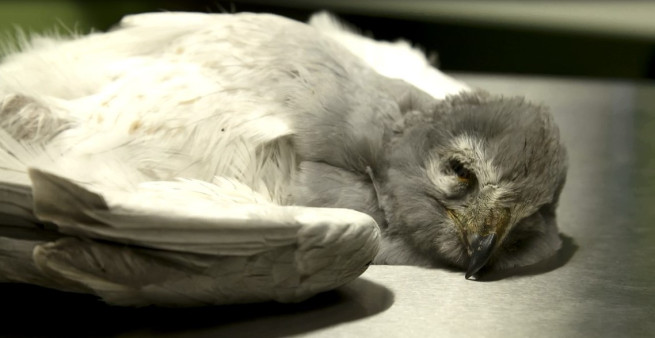
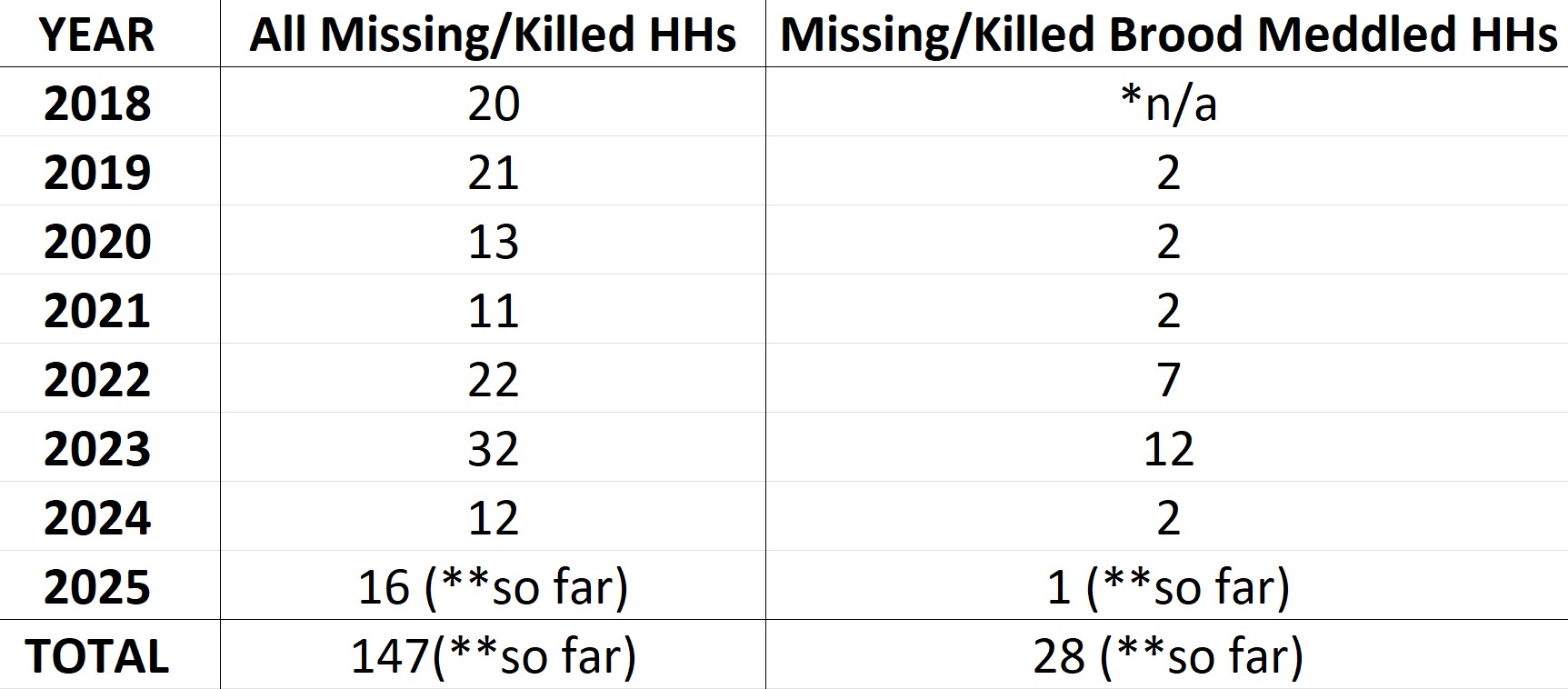
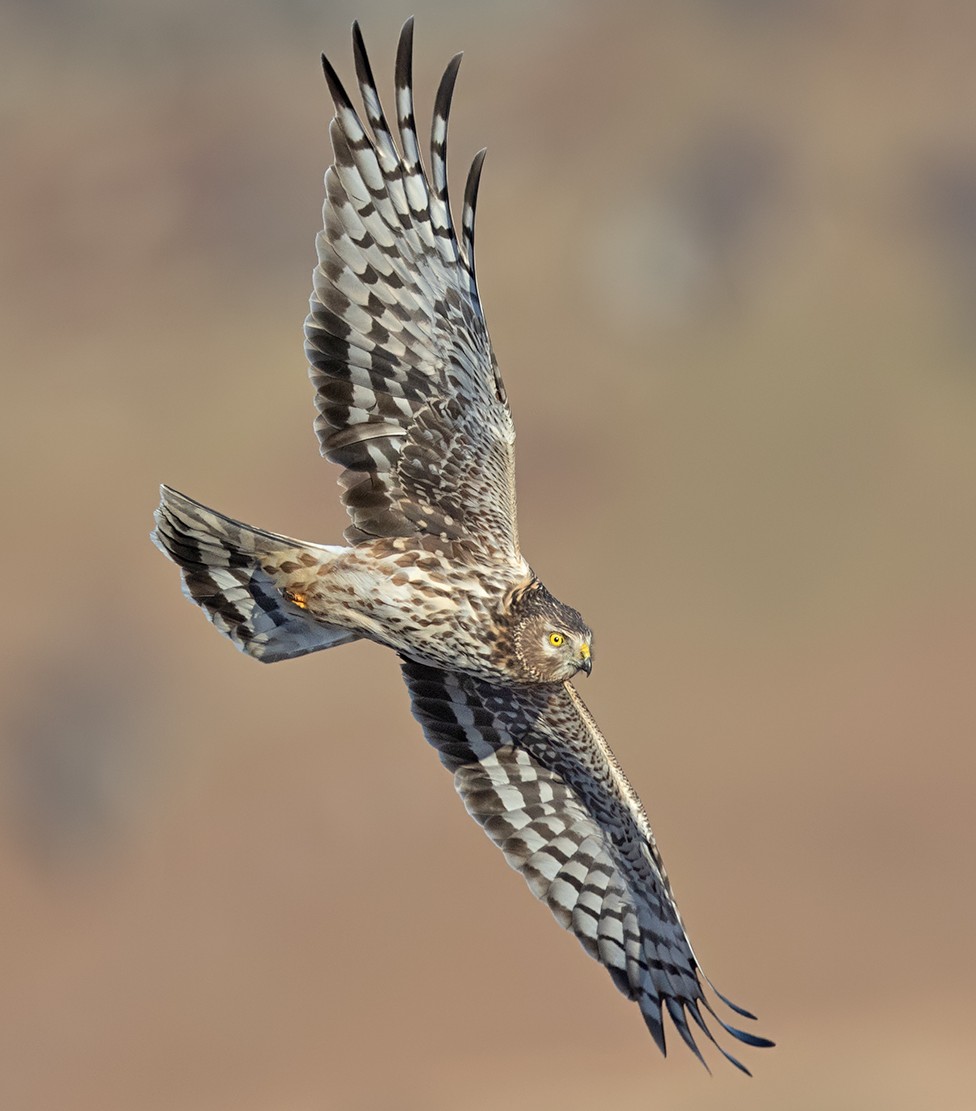
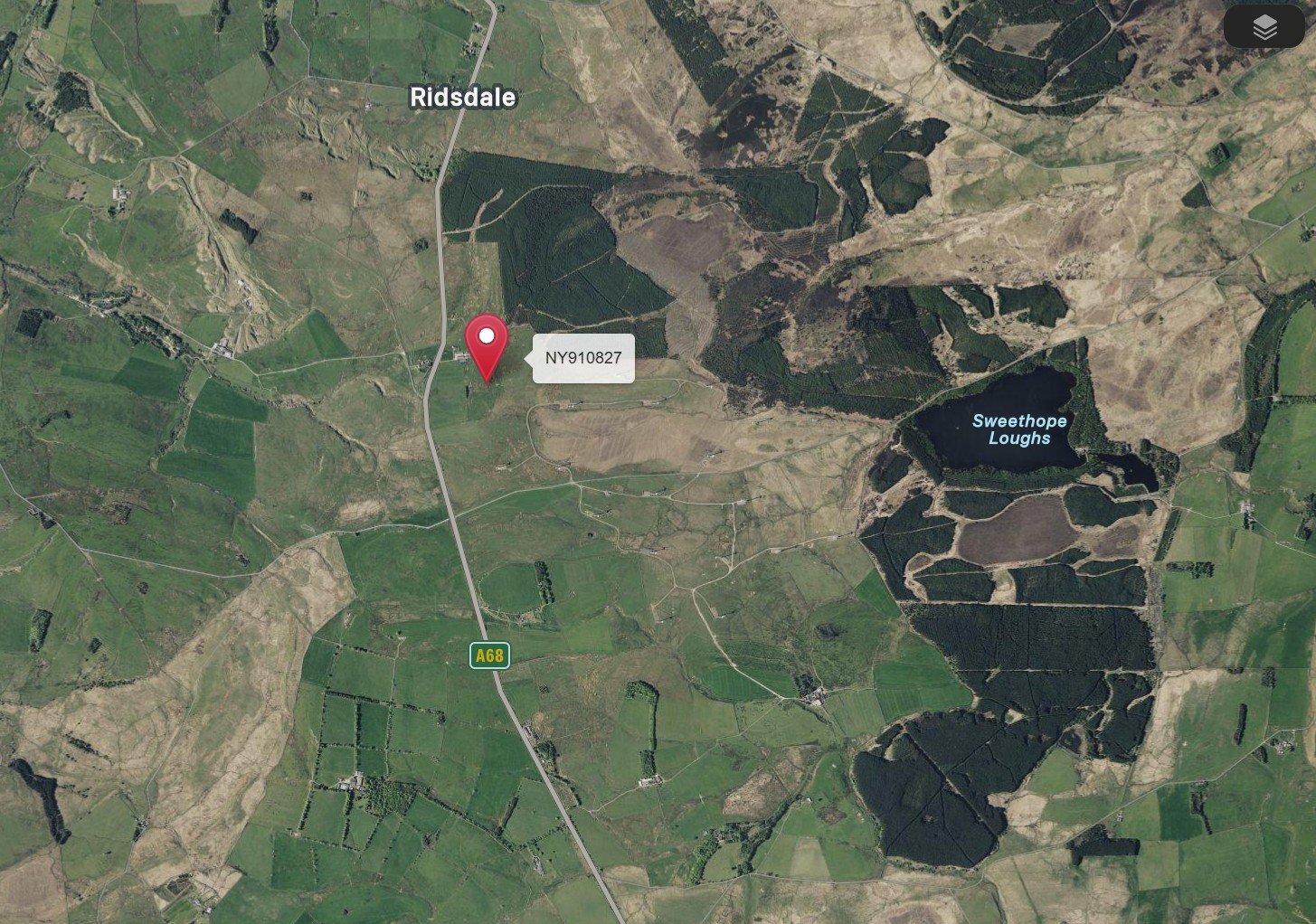
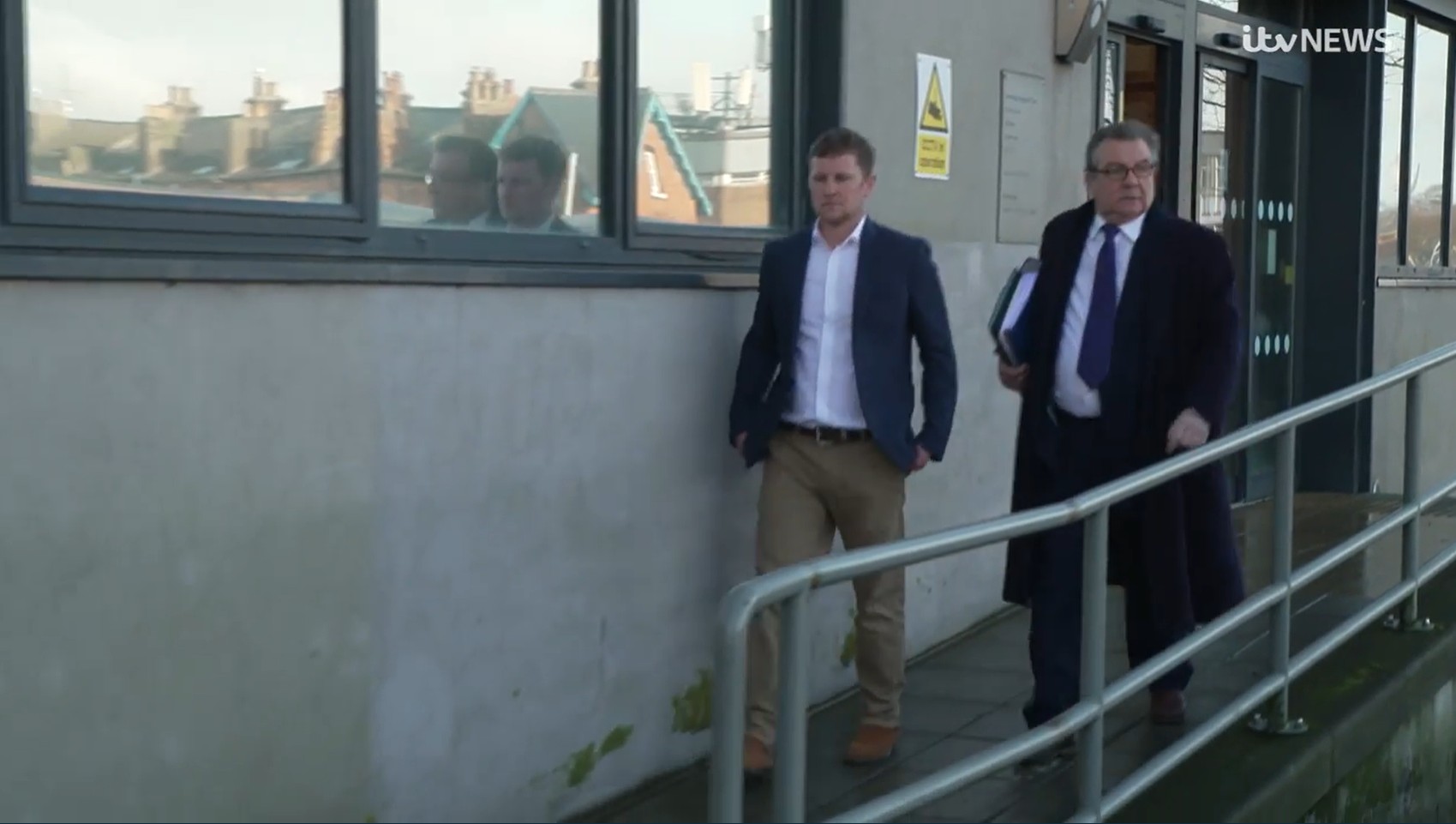

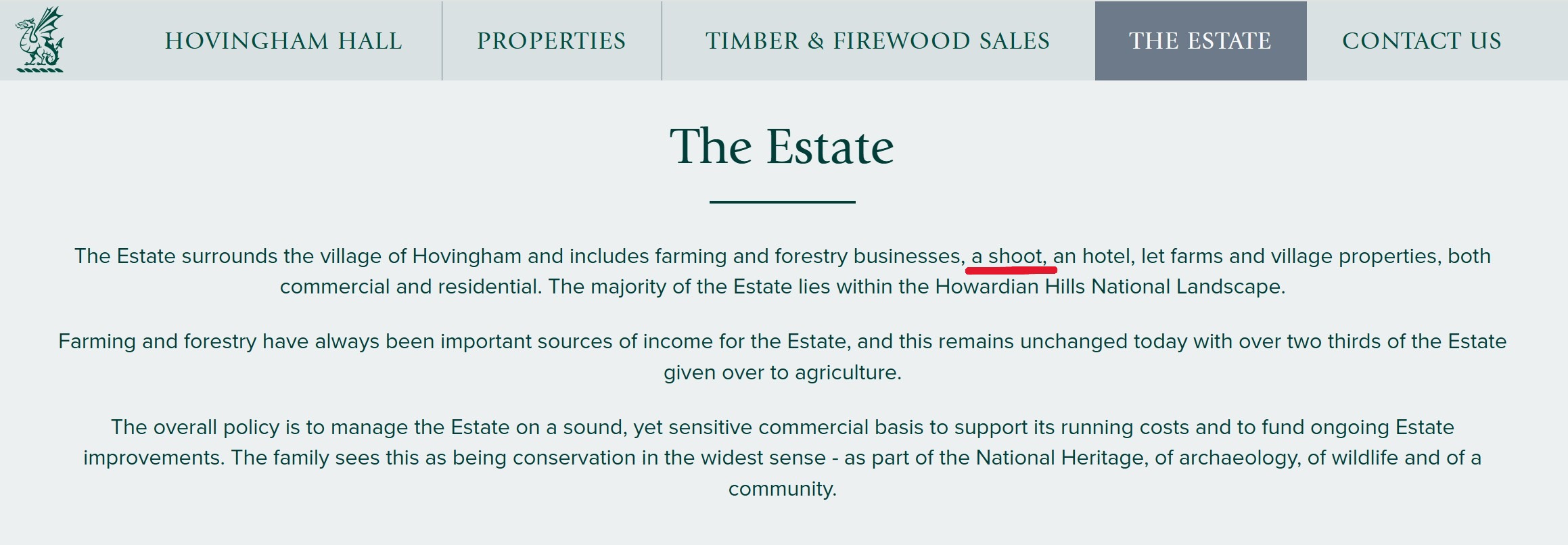
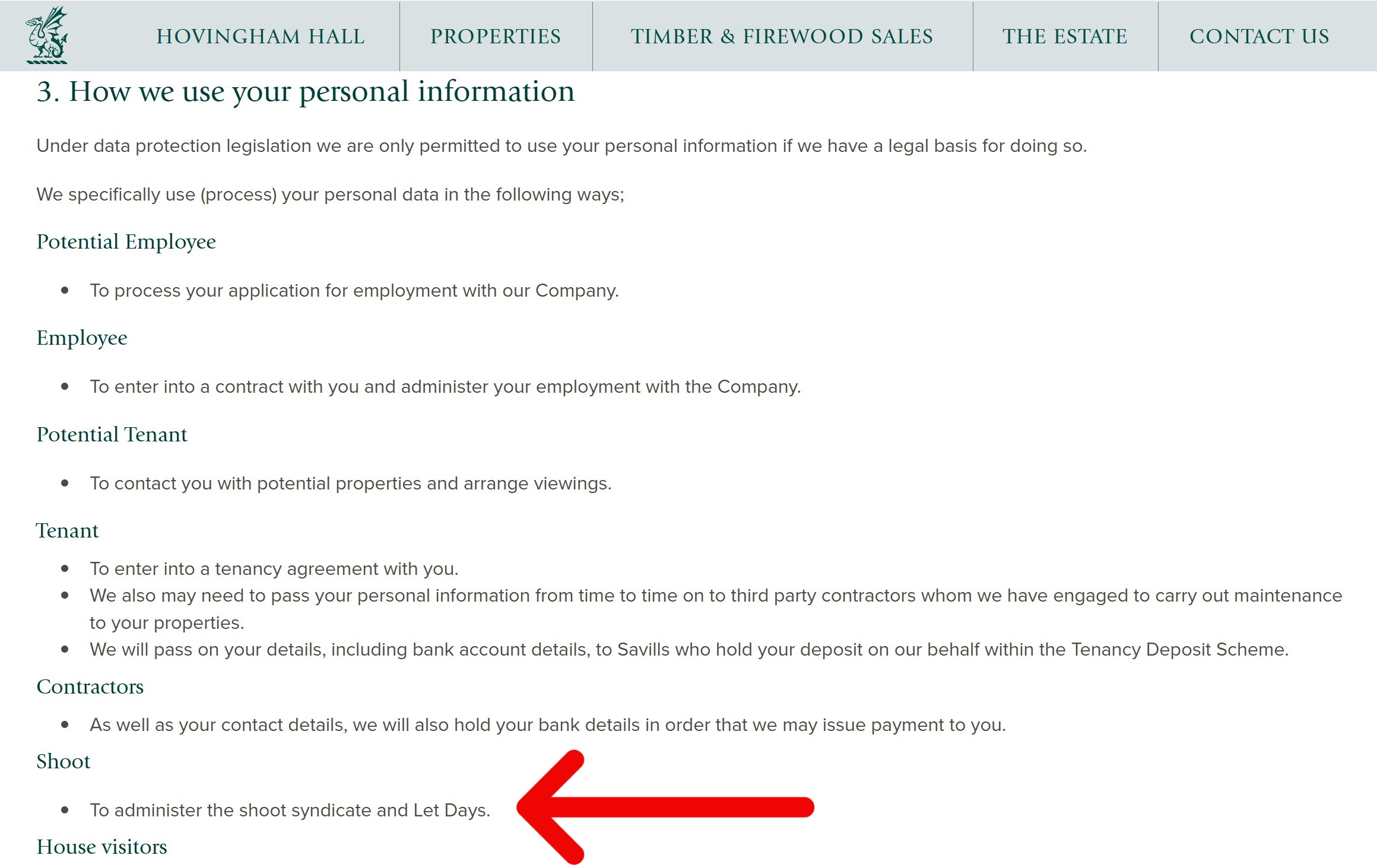
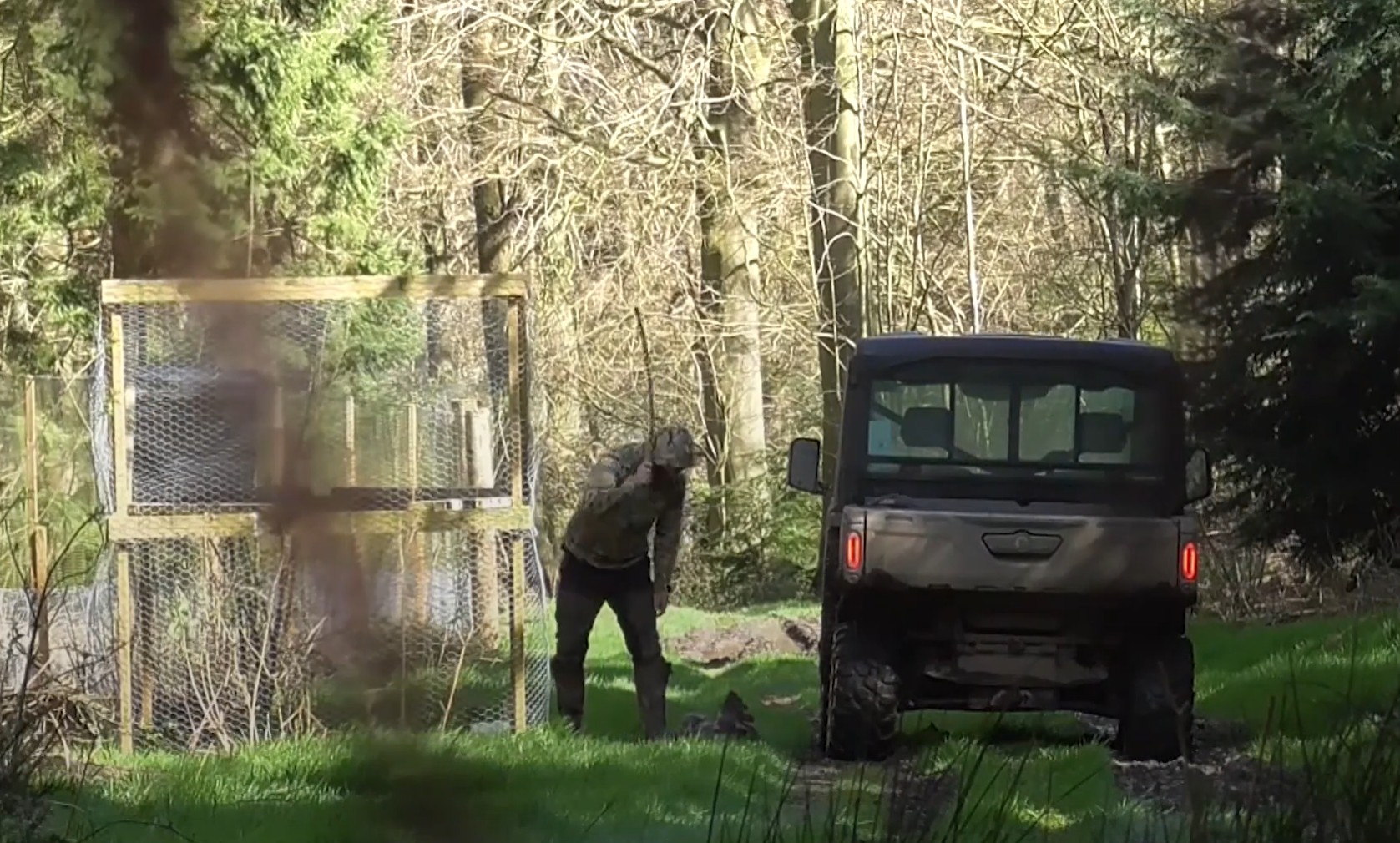
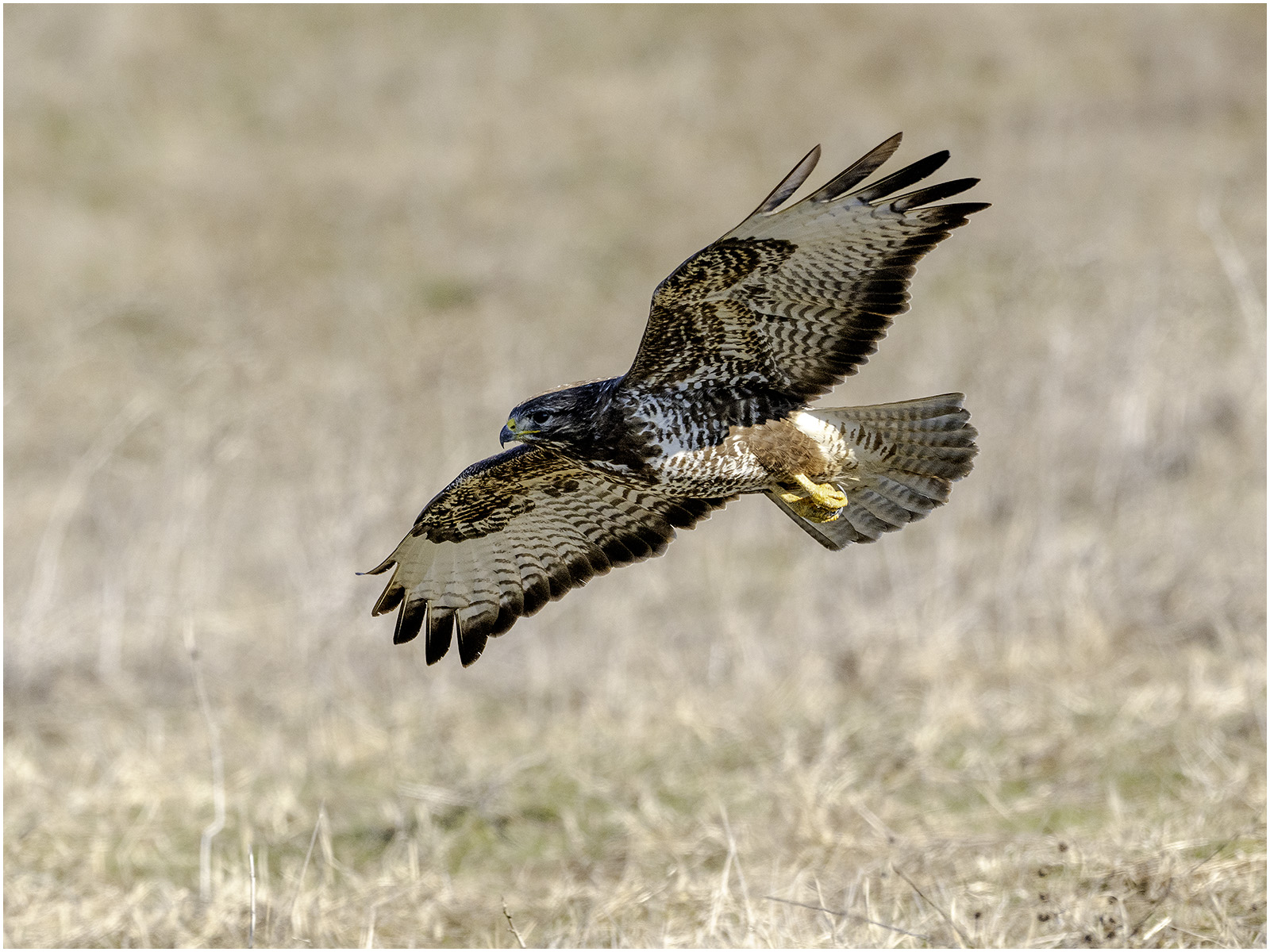


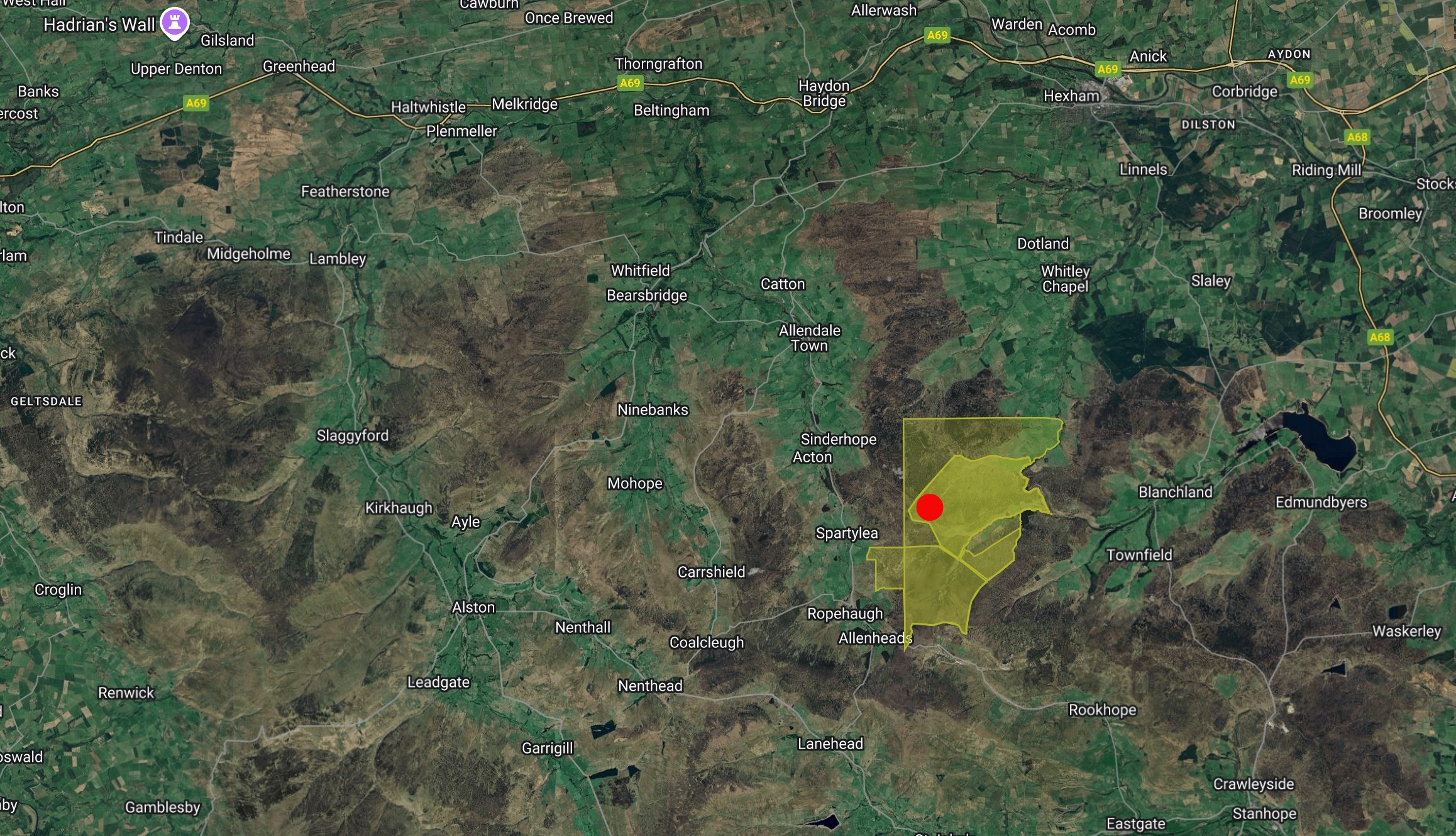


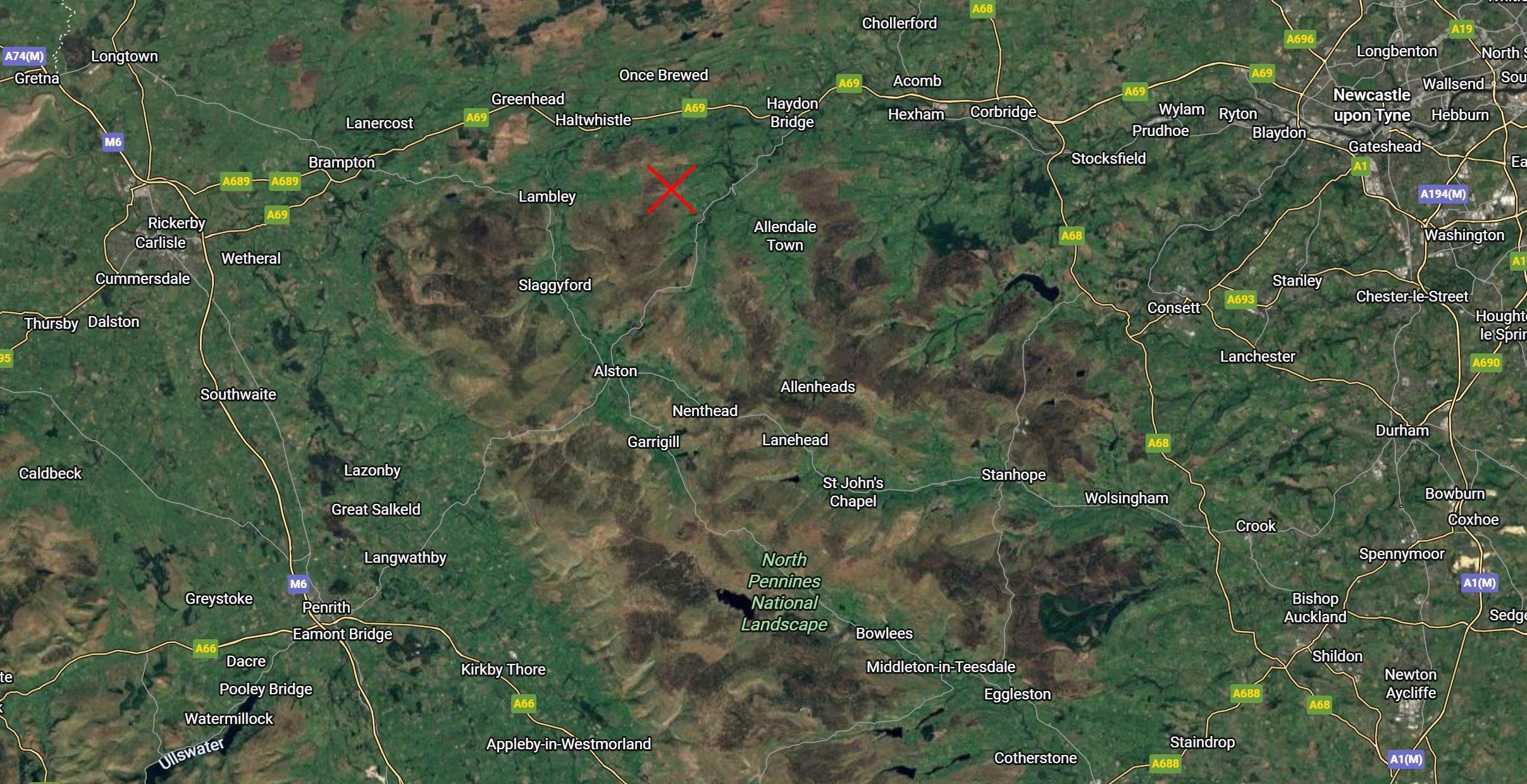
 Raptor Persecution UK