
SASA (the Government’s Science & Advice for Scottish Agriculture) have just published their latest ‘Summary of Incidents’ where they report on the number of animals that have been submitted for poisoning analysis, dating from January – September 2012 (see here).
It’s an interesting read. The results from the first three-quarters of 2012 suggest a decline in the number of reported raptor poisoning incidents. Does this reflect an actual decline in poisonings, or does it mask something more cynical, such as a change of tactics in the method of persecution used? Nobody can tell for sure at this stage, although you’d have to be pretty naive to believe the first explanation, especially after the recent shocking non-poisoning incidents such as the dead golden eagle found in a lay-by with two broken legs, believed to have been illegally trapped on an Angus grouse moor and then moved by vehicle in the dead of night and dumped by the side of the road, barely alive and left to suffer an horrific death. Then there was the golden eagle that was found shot and critically injured on a grouse moor in Dumfrieshire, now making a slow recovery. And then the shot hen harrier found dead on another grouse moor in Grampian. And these are just the ones we know about.
The latest SASA results show that a buzzard was found dead in Grampian in September 2012, confirmed to have been poisoned by the illegal pesticide Carbofuran. We don’t remember seeing any police reports about this incident. Perhaps they kept it quiet so as not to hinder their investigation? Fair enough, but it’s now four months later…Perhaps Grampian Police will report where was it found, and whether anyone is being charged. They probably won’t though; yet another incident being quietly swept under the carpet? We blogged about these poisoning incidents going unreported the last time SASA published their stats (see here).
There were a number of dead buzzards that were submitted to SASA for testing between Jan-Sept 2012, including the satellite-tagged ‘Buzz’, believed to be the first sat-tracked buzzard in Scotland (see here). His last signal came from near Brechin, Angus in late September. His corpse was picked up by the side of the road. Given the location and the on-going history of raptor persecution in the nearby area, his body was submitted for a post-mortem. He hadn’t been poisoned though – SASA concluded that his probable cause of death was starvation. It would have been nice if Tayside Police had provided information about this result, given so many were following his movements on Roy Dennis’ website…
Buzz wasn’t the only buzzard to starve to death. There are four other buzzards listed in the report with the same probable cause of death; strange really, when there are some people who maintain that buzzards are gorging themselves silly on gamebirds.
Interestingly, the dead golden eagle found in suspicious circumstances on Harris in June did not not appear in the SASA results, even though the press reported at the time that poisoning was suspected (see here). Perhaps Northern Constabulary will provide an update on the outcome of this one? Yeah, you’re right, of course they won’t.
 The following letter has appeared in The Scotsman in the continuing ‘debate’ on grouse moor management (see
 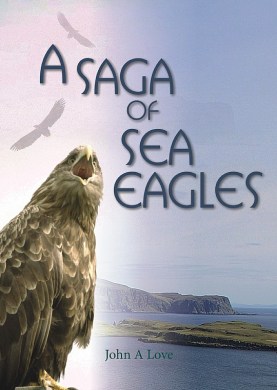 The name John Love will always be synonymous with the reintroduction of white-tailed eagles to Scotland.
 Thanks to @Bucktonbirder for the tip-off –
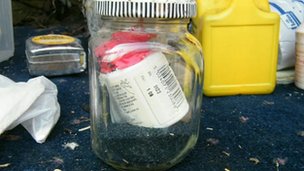 Following on from yesterday’s blog about the conviction of “vicious” gamekeeper Robert William Hebblewhite (see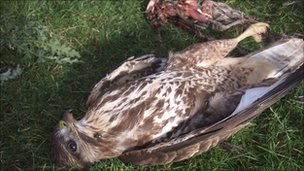
 There’s a comical news item on BBC News today about the new generation of gamekeepers.
 On January 3rd we blogged about an apparent discrepancy in SNH’s 2013 General Licence consultation. In early December 2012, SNH claimed that “the majority of consultees” supported the idea of using clam-type traps without the need for prior independent testing on their suitability. In mid-December we asked SNH to publish the full list of responses for public scrutiny. They did this on 21st Dec. Our analyses of those responses suggested that the majority of consultees DID NOT support the use of clam-type traps prior to independent testing (see
  Raptor Persecution UK