
The RSPB did a fair bit of lobbying and campaigning on the back of the recent Wild Justice petition calling for a ban on driven grouse shooting.
Although agreeing with Wild Justice on the various problems associated with driven grouse moor management, the RSPB’s position was not to support a ban, but rather to push for a licensing scheme.
Calling for a licensing scheme has been RSPB policy since October 2020, after a period of internal review (see here).
It was good to see a couple of RSPB staff members attend the Westminster Hall debate last Monday, and on Friday it published the following statement (available on the RSPB website here but reproduced below because annoyingly, links to material on the RSPB website tend to break quite often).

On Monday 30 June Parliament debated the future of driven grouse shooting in England, and with it the future of vast swathes of our iconic upland landscapes. The debate was triggered by the petition launched by the campaign group Wild Justice, which was signed by over 104,000 people and called for a ban on driven grouse shooting.
Our position on shooting
The RSPB is neutral on the ethics of shooting, and concerned only with preventing the harm caused to wildlife through the management of some grouse shoots. This is why, while we support efforts that bring this important issue into the spotlight, our focus has long been on achieving a system of licensing for grouse shooting. We believe this, rather than an outright ban, is the most pragmatic way to secure a positive outcome for nature.
Licensing would raise environmental standards across the shooting industry and allow responsible shoots to continue to operate, while providing an effective deterrent for those who do harm, or worse, break the law.
Our concerns
We share the concerns of Wild Justice and all who signed the petition about the damaging and often illegal activities associated with the intensive management of land for grouse shooting:
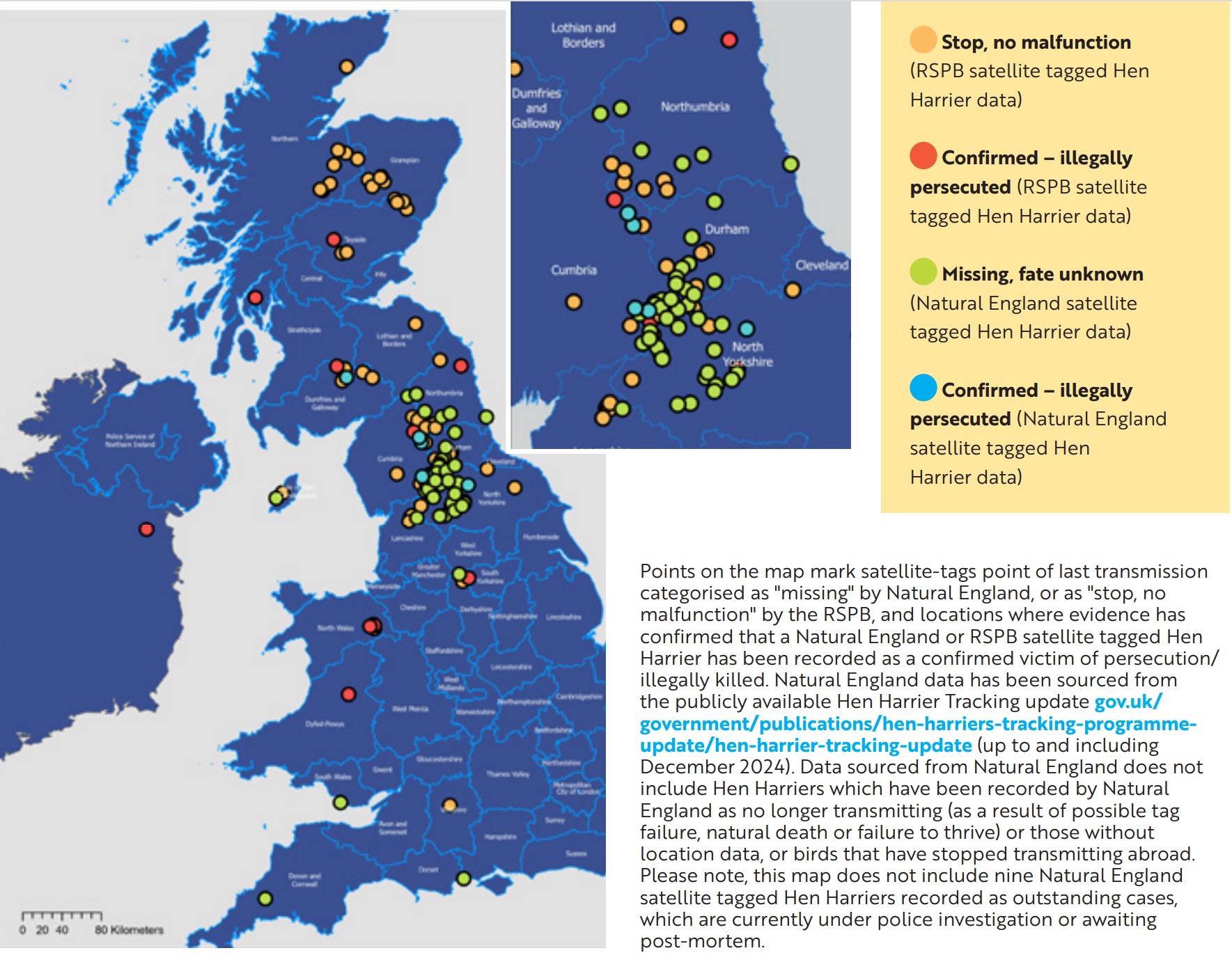
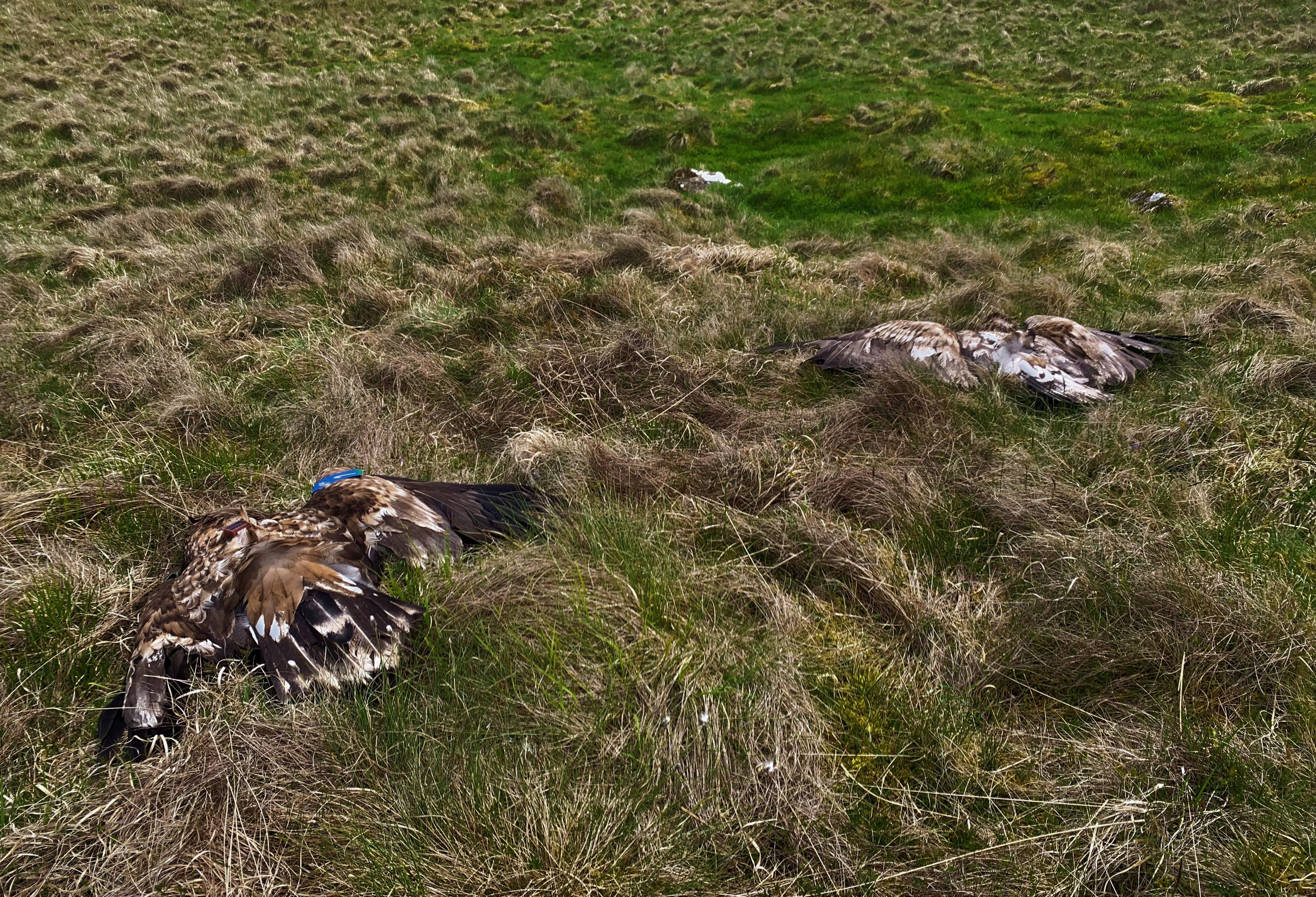
- Our latest report ‘Hen Harriers in the firing line’ highlights that there have been 102 confirmed cases of Hen Harrier persecution in the UK in the last five years, and these confirmed cases are just the tip of the iceberg when it comes to the true scale of this criminal activity, as many incidents happen in remote locations and go unreported. The report highlights that the average life expectancy of a young Hen Harrier in the UK is just 121 days, and that a Hen Harrier is 10 times more likely to die or disappear when on grouse moors. Despite this, there has not been a single conviction for Hen Harrier persecution in England.
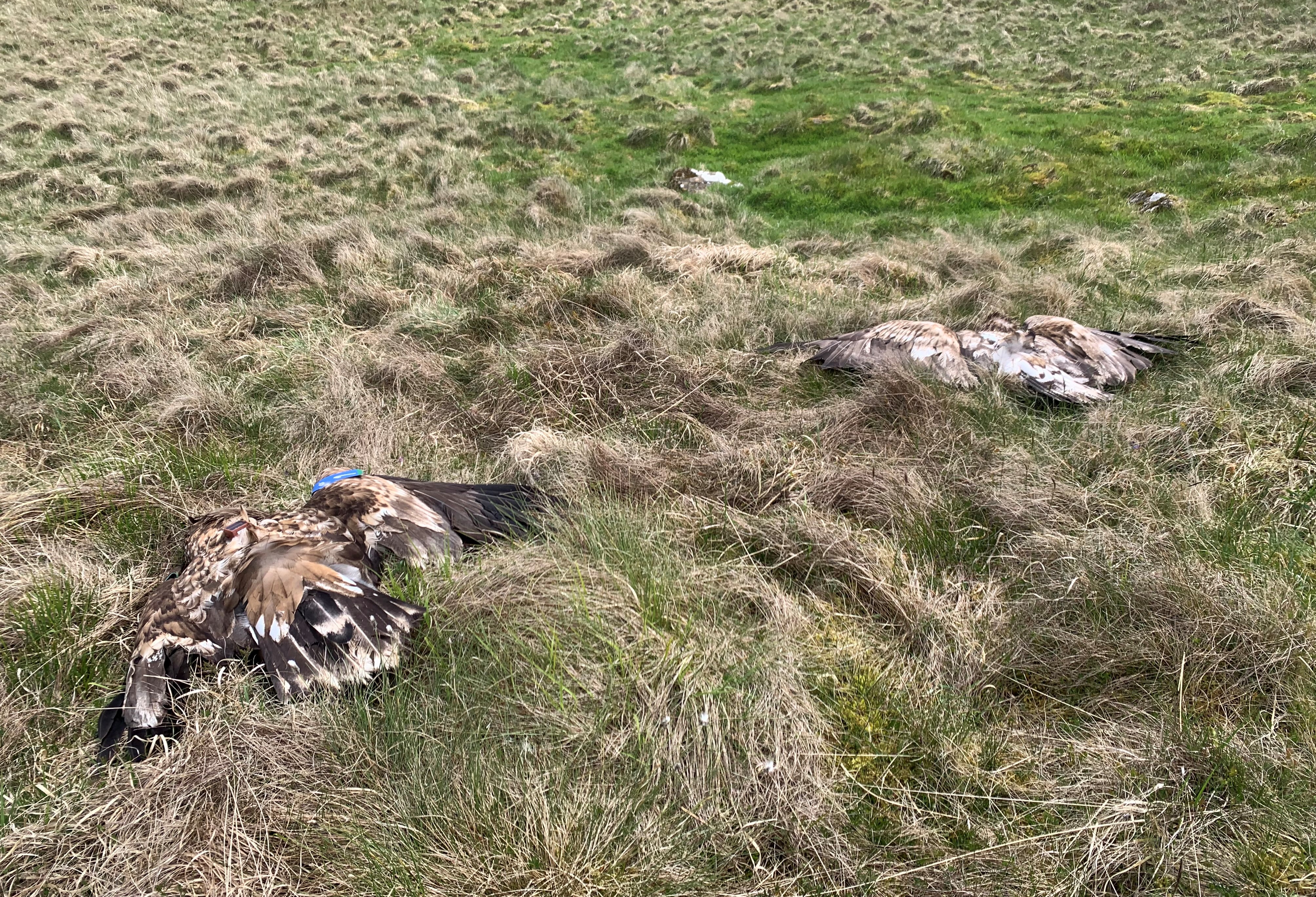
- More broadly, our latest Birdcrime report reveals that, between 2009-2023, there were 1,529 confirmed bird of prey persecution incidents in the UK involving 1,344 individual birds of prey, including Peregrines, Buzzards and Red Kites, as well as rare and recovering Hen Harriers and White-tailed Eagles. The majority of raptor persecution incidents are associated with land managed for gamebirds, and of all individuals convicted of bird of prey persecution-related offences between 2009 and 2023, 75% were connected to the gamebird shooting industry.
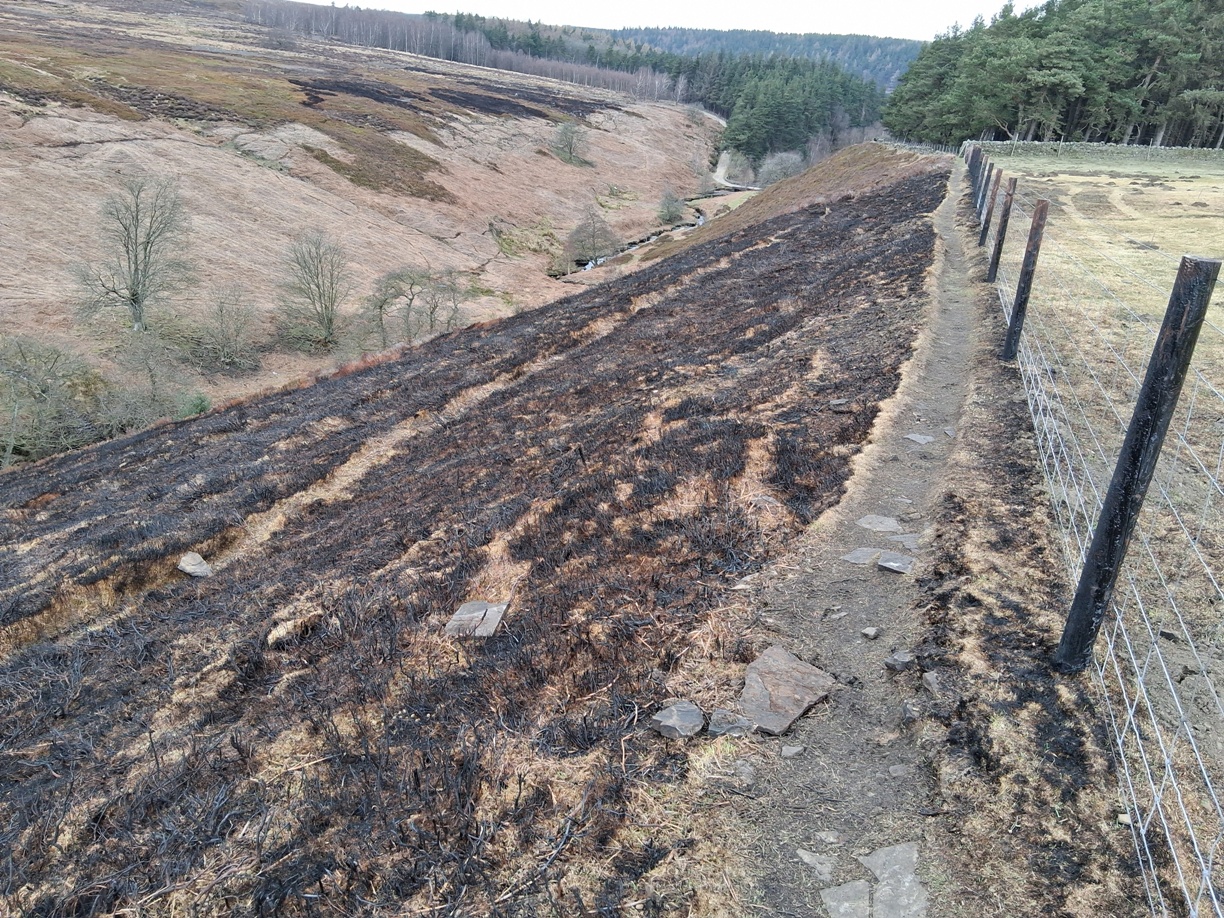
- Grouse shooting estates often use burning of peatland vegetation as a land management technique intended to encourage the growth of young heather shoots on which Red Grouse feed. This practice damages the UK’s globally rare peatlands, contributing to climate change by degrading these natural carbon sinks, increasing air pollution and associated health risks, and increasing the risks of flooding for nearby communities.
- Research has highlighted the scale of the use of lead shot used in the grouse shooting industry. In 2024/25, 100% of the grouse purchased from UK food retailers, and from which shot could be recovered, had been killed with lead. This is toxic to both wildlife (including birds of prey) and to humans.
- And then there are other impacts including the largely unregulated use of veterinary medicines, and the damage caused by the construction of hill tracks and other infrastructure for shoots.
The Westminster debate
While there were some who spoke persuasively during the debate about the need for a robust regulatory framework if grouse shooting is to have a future, many spoke out against the calls for a ban. A wide range of arguments were given, from the socio-economic and cultural value of grouse shooting through to the often beneficial effects of legal predator control for some species of wading birds – most notably Curlews.
Importantly, however, although the concerns raised are arguments against a ban – none of them are arguments against licensing.
Almost all of those who spoke were unanimous in their outright and unequivocal condemnation of the illegal killing of birds of prey. But disappointingly few had suggestions for how this can be meaningfully addressed.
In summing up, Defra Minister Daniel Zeichner repeated the UK Government’s previous statements that they have no plans to ban grouse shooting, but acknowledged the strong opinions on both sides of the debate, and said that the Government would keep options under close review.
Licensing is urgently needed
Based on the growing body of evidence of the unacceptable and often illegal activities associated with grouse shooting, we believe grouse shoots should be licensed in England. Without change, there can be no sustainable future for our uplands.
Licensing has already been introduced in Scotland, and, as pro-shooting and anti-ban MP John Lamont stated during the debate, “that system has its flaws, but works adequately in other respects”.
We’re now calling on the UK Government to take swift action to introduce the licensing of grouse shooting in England, building on, and learning from the experience in Scotland.
Our Hen Harriers and other wildlife can’t wait. Those who operate responsible shoots would have nothing to fear, and much to gain, from a system that would make the unanimous calls for effective action on the illegal persecution of birds of prey a reality.
ENDS
I mentioned above that calling for a licensing scheme for driven grouse shooting has been the RSPB’s policy since October 2020 after the organisation undertook a comprehensive review of the evidence.
That policy was announced at the AGM in October 2020, and included the following statement:
‘Our focus is not on “walked up” grouse shooting, but we will re-double our efforts to secure effective licensing for “driven” grouse shooting, and we will learn from the developments anticipated soon on this issue in Scotland. We will provide an annual assessment of progress and review our position within five years. Failure to deliver effective reform will result in the RSPB calling for a ban on driven grouse shooting‘. [Emphasis is mine].
The findings of that five-year policy review are due to be announced in three month’s time at the RSPB’s October 2025 AGM.
It’ll be really interesting to hear what the RSPB says about the findings of it’s five-year review. I’d guess, given the RSPB’s response to the Westminster debate, that it will be sticking to its policy of calling for a licensing scheme rather than a ban, but if so, how will it justify that ‘effective reform‘ has been delivered since 2020? I don’t even know what measures it will use to assess ‘effective reform‘ but from what I’ve seen in the last five years, there hasn’t been a single bit of it.
Indeed, if you watch this (very good) RSPB video about the problems with driven grouse moor management in the Peak District National Park, which the RSPB published in January 2025, it’s quite clear that the RSPB recognises that ‘effective reform‘ has most definitely not been delivered:








 Raptor Persecution UK