RSPB’s response to sentencing of criminal Dorset gamekeeper, Paul Allen

Further to yesterday’s news that criminal gamekeeper Paul Allen had escaped a custodial sentence despite committing multiple wildlife, poisons and firearms offences whilst employed on the Shaftesbury Estate in Dorset (here), the RSPB has issued the following press release:

Gamekeeper fined as dead birds of prey and poisons found on Dorset estate

Gamekeeper Paul Allen (54, of Baileys Hill, Wimborne St Giles) appeared at Weymouth Magistrates’ Court today (16 February 2023) following a guilty plea last month relating to multiple raptor persecution offences.

He was sentenced to 15 weeks in prison, suspended for 12 months for the possession of the buzzards, a £674 fine for failing to comply with firearm regulations, £1,348 for the chemical storage and usage offences, and told to pay £884 compensation [Ed: to Wild Justice’s Raptor Forensics Fund] to cover the cost of the x-rays and post-mortems for the bird carcasses.

The bodies of six shot Buzzards and the remains of three more were discovered in Allen’s yard on the estate in 2021, after a poisoned Red Kite was reported to Dorset Police by a member of the public. The kite contained high levels of brodifacoum, the deadliest rat poison on the market, which also shockingly killed a White-tailed Eagle in the vicinity 10 months later.

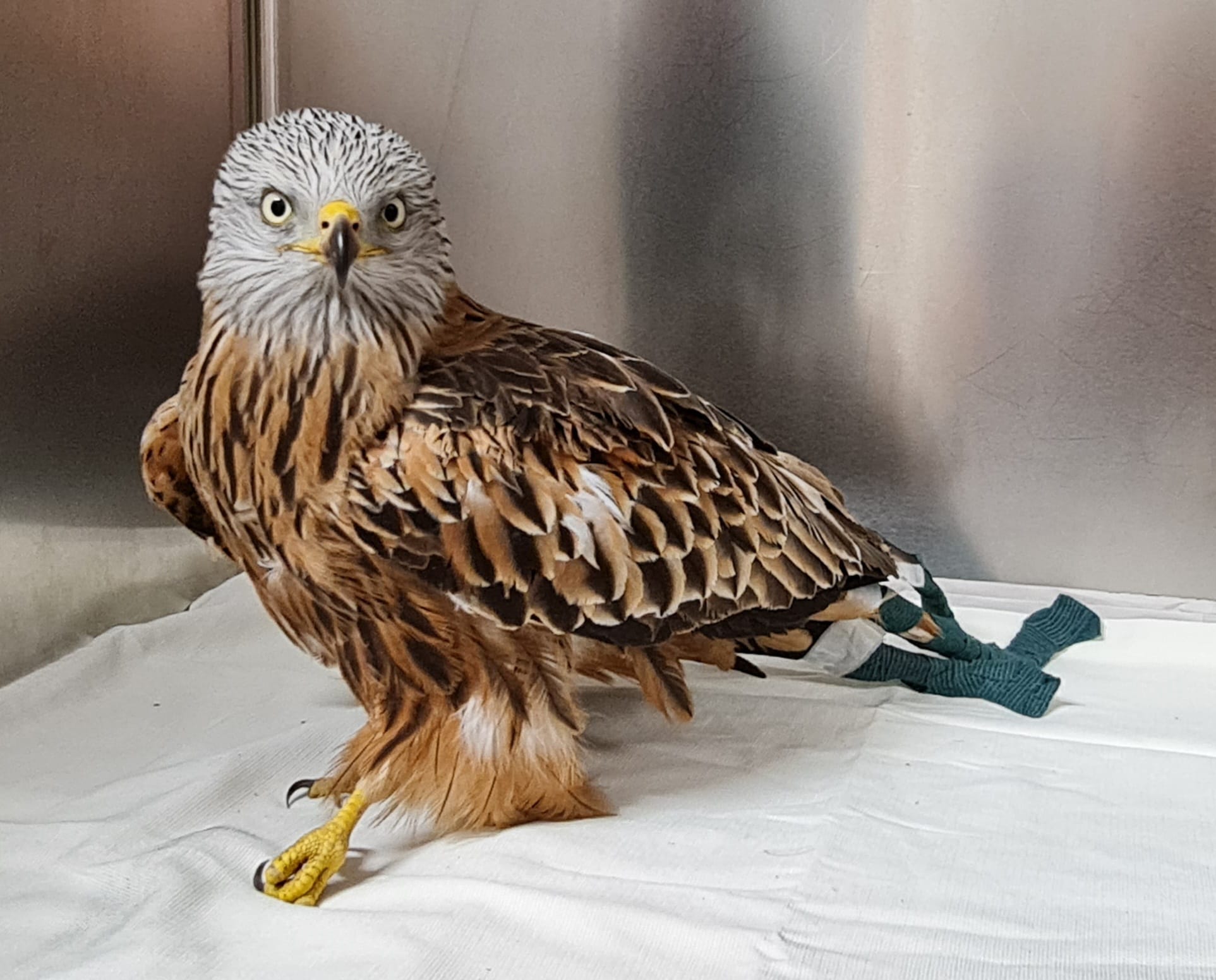
The poisoned red kite that triggered a multi-agency search on the Shaftesbury Estate in March 2021, which uncovered gamekeeper Paul Allen’s widespread criminal activities. Photo: RSPB

The search of Allen’s land also uncovered stashes of deadly poisons, including the pesticide bendiocarb – which has been abused for deliberately killing of birds of prey for years – two bottles of the banned substance strychnine, two tins of the banned poison Cymag and the toxic rodenticide brodifacoum. There was also a loaded gun left propped behind a door in Allen’s home.

Allen pleaded guilty to the possession of the dead Buzzards and the poisons.

All birds of prey are protected under the Wildlife and Countryside Act 1981 and killing them is against the law, punishable by an unlimited fine and/or jail. In November, the RSPB published the Birdcrime report 2021, which revealed 108 confirmed incidents of raptor persecution in the UK. 71% of these occurred in relation to land managed for gamebird shooting.

A satelite-tagged White-tailed Eagle, poisoned with seven times the lethal dose of brodifacoum, was found dead 10 months later on the same estate, although it is unknown exactly where it picked up the poison. However, in a disappointing turn of events, the investigation was unexpectedly and prematurely shut down by Dorset Police before a full follow-up search could take place, despite police knowledge that the same substance had been found on the same estate during the investigation at court today.

Mark Thomas, UK Head of Investigations at the RSPB, said: “It is clear that the use of the lethal rat poison brodifacoum needs much tighter regulation and controls over use, as it is clearly being both misused and abused to kill birds of prey. At the very least this product should be restricted to indoor use only, as it was before the Government relaxed its use in 2016. We also suggest that only accredited pest controllers should be able to use it in specific circumstances. If not, then the unnecessary increase in bird of prey deaths, including White-tailed Eagles and Red Kites, will continue.”

ENDS

In addition to this press release, RSPB investigations officer Tom Grose has written an excellent blog about the investigation on Shaftesbury Estate into Allen’s criminal activities, and has also provided some information about the poisoned white-tailed eagle that was found on the same estate 10 months later, the investigation that was prematurely cancelled by Dorset Police, despite them knowing all about Allen’s crimes on the same estate. To read Tom’s blog click here.

The RSPB’s investigation team has also produced a short video about both cases, which can be watched via their Twitter account here:
Criminal Dorset gamekeeper Paul Allen receives suspended custodial sentence, despite multiple wildlife, poisons & firearms offences

BREAKING NEWS…..

Further to this morning’s blog (here), criminal gamekeeper Paul Allen, 54, of Baileys Hill, in Brockington, near Wimborne, has been given a suspended custodial sentence and a small fine after he pleaded guilty to multiple wildlife, poisons and firearms offences whilst working on the Shaftesbury Estate in Dorset in March 2021.

For possessing the dead birds (nine buzzards, six confirmed to have been shot), Allen received a total of 15 weeks in prison, suspended for 12 months.

He also received fines totalling £2,022 and compensation to the value of £844.70.

He avoided an immediate custodial sentence on the basis of ‘strong personal mitigation’, which basically means he was saved from jail because of the impact it would have on the care of his two teenagers.

More to follow….

UPDATE 10pm: There’s a really good article on the Dorset Live website about what happened in court this afternoon – well worth a read (here)

UPDATE 17th February 2023: RSPB’s response to sentencing of criminal Dorset gamekeeper, Paul Allen (here)

UPDATE 20th February 2023: Game-shooting industry’s response to sentencing of Dorset gamekeeper Paul Allen (here)

UPDATE 20th February 2023: Dorset Police response to sentencing of criminal gamekeeper Paul Allen (here)

UPDATE 24th February 2023: Natural England’s response to sentencing of criminal gamekeeper Paul Allen (here)

Convicted Dorset gamekeeper Paul Allen due to be sentenced today

Paul Allen, 54, the gamekeeper convicted last month of multiple wildlife, poisons and firearms offences committed on the Shaftesbury Estate, Dorset in March 2021 (here) is due to be sentenced at Weymouth Magistrates Court this afternoon.

You may recall, following the discovery of a poisoned red kite on the estate in November 2020, a multi-agency raid led by Dorset Police’s (now former) wildlife crime officer Claire Dinsdale took place in March 2021 (see here) where the corpses of six dead buzzards were found by a pen behind his house (tests later showed they had all been shot, including one that was was estimated to have been shot in the last 24hrs). Officers also found the remains (bones) of at least three more buzzards on a bonfire.

A loaded shotgun was found propped up behind a kitchen door (!) and 55 rounds of ammunition were found in a shed. Both the gun and the ammunition should have been inside a locked, specifically-designed gun cabinet, by law. The ammunition was not covered by Allen’s firearms certificate.

Officers also found a number of dangerous, and banned, chemicals, including two bottles of Strychnine, two containers of Cymag and a packet of Ficam W (Bendiocarb) in various locations, including in a vehicle used by Allen.

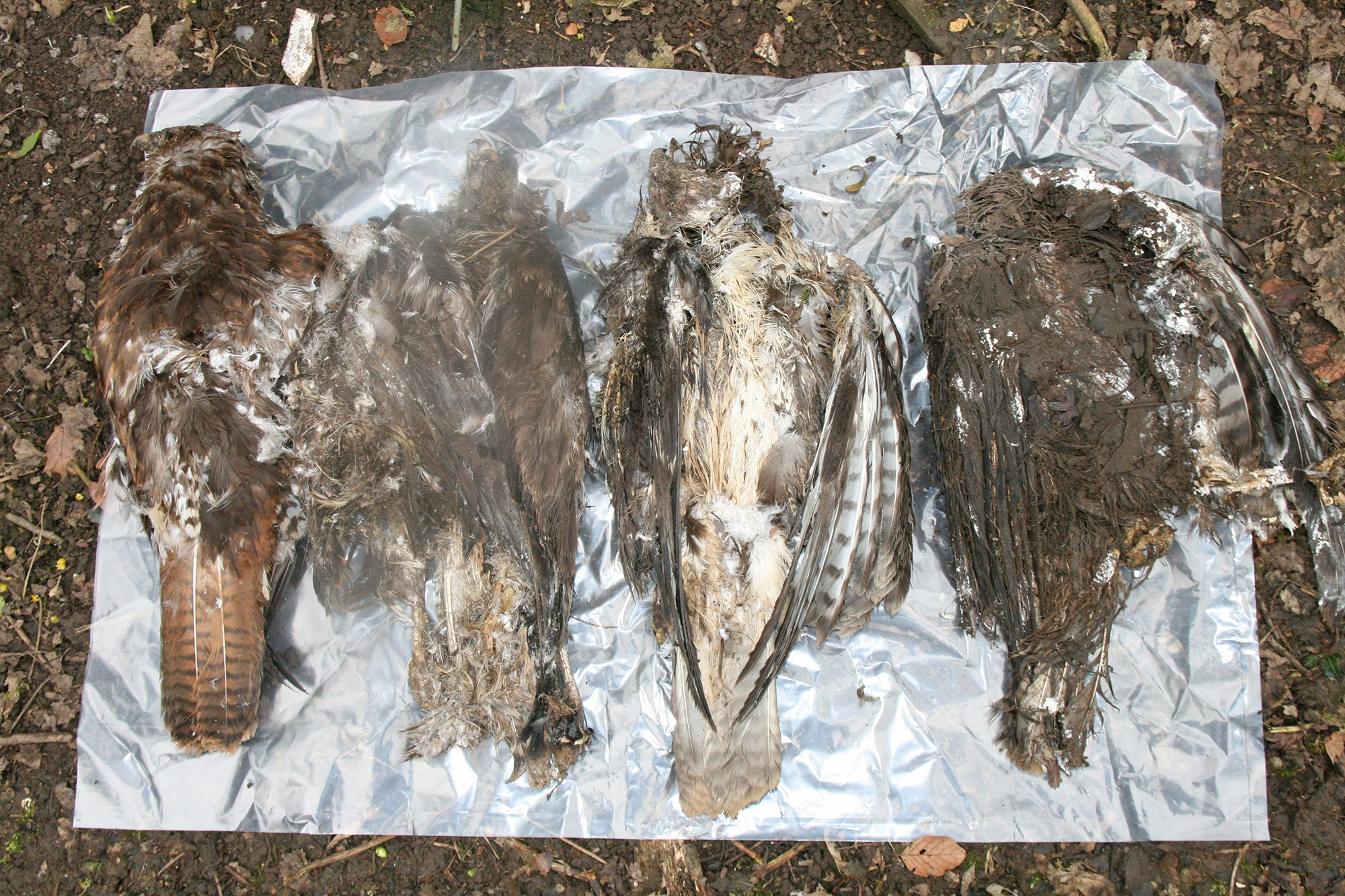
Four of the nine dead buzzards found. Photo: RSPB

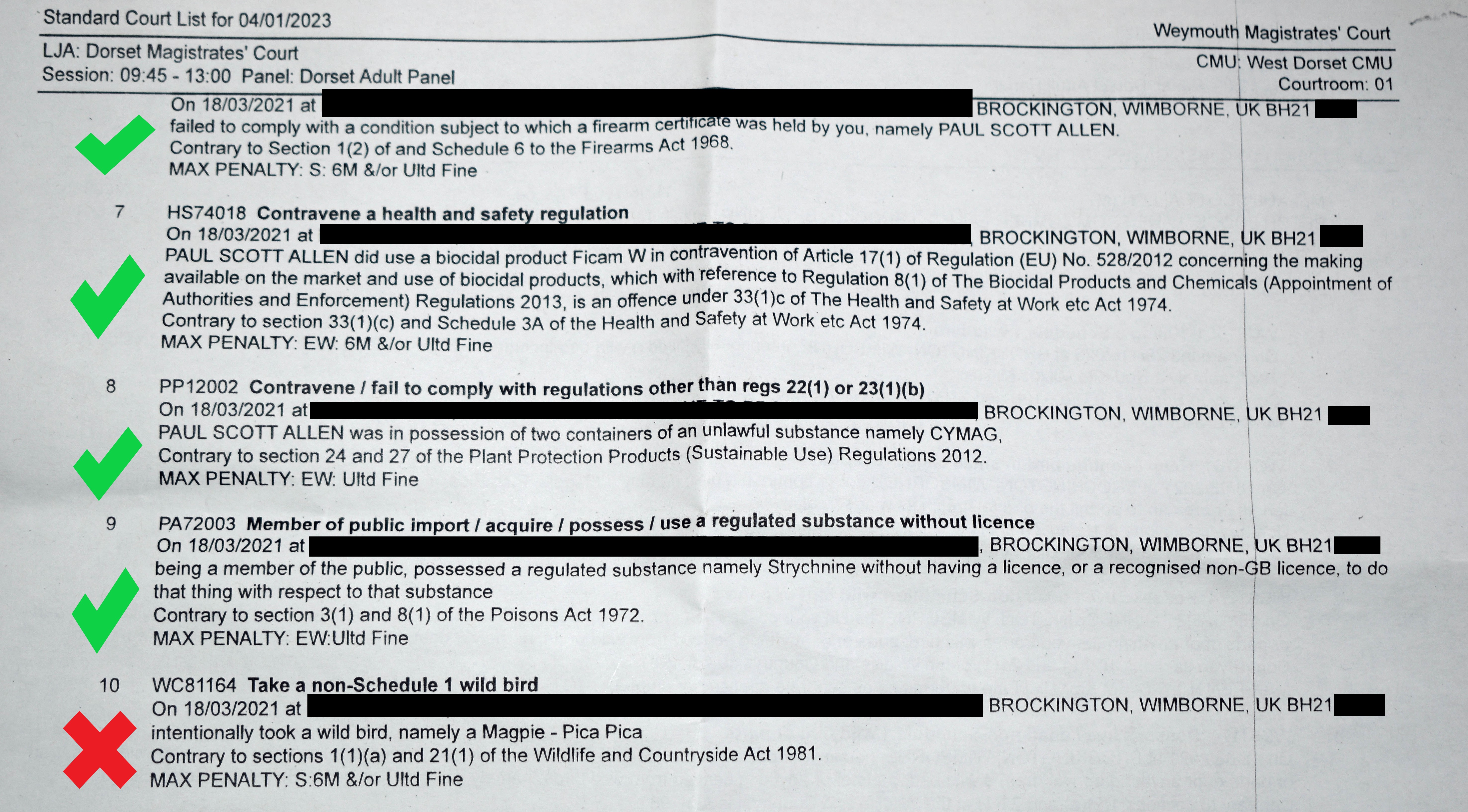
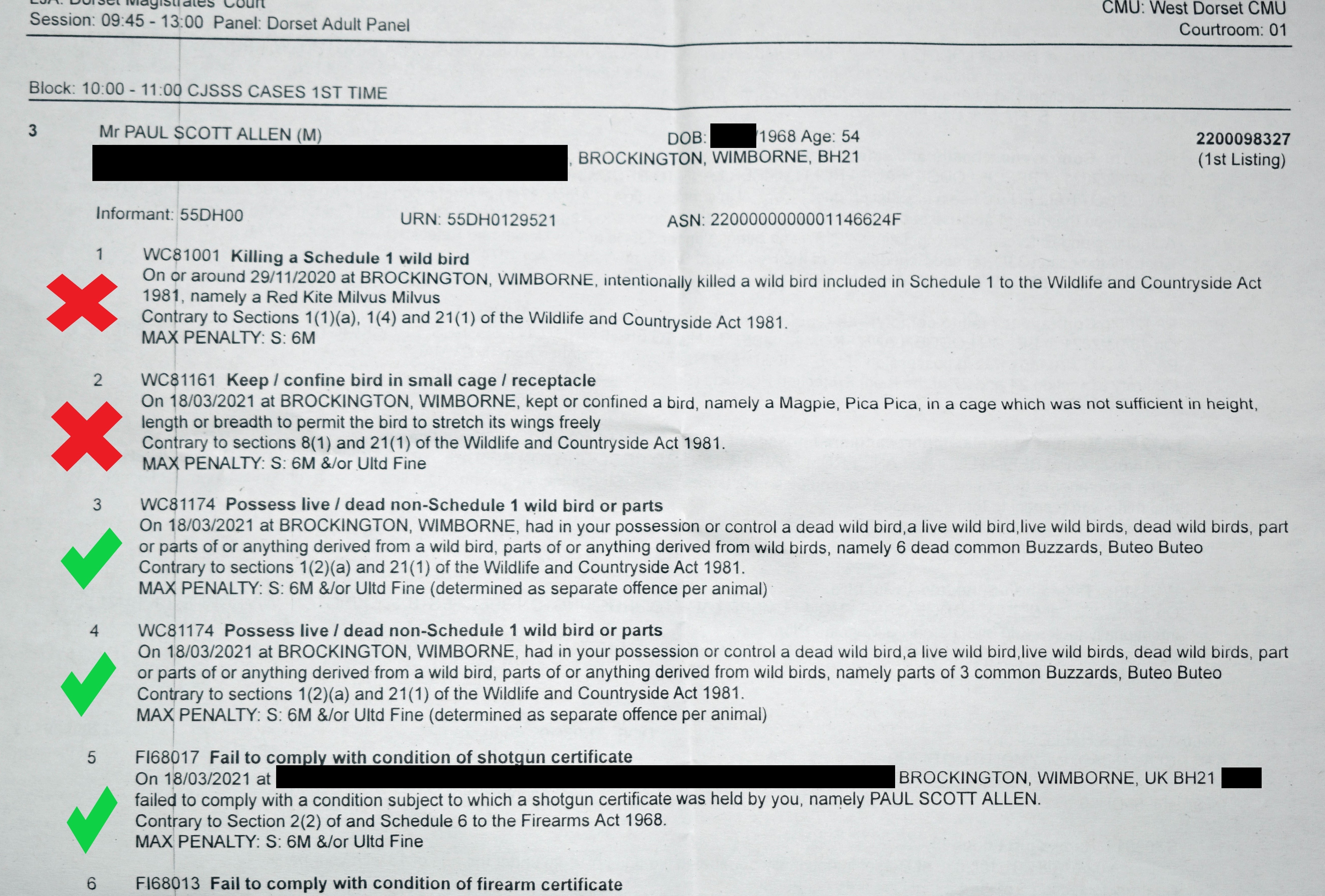
At a hearing on 4th January 2023, Allen pleaded guilty to seven charges including two counts of possessing a live or dead bird, or parts thereof, one charge of failing to comply with the conditions of a shotgun certificate, one charge of failing to comply with the conditions of a firearms certificate, one count of possessing a regulated substance without a license, one count of failing to comply with  regulations in accordance with the Plant Protection Products (Sustainable Use) Regulations 2012 and one charge of contravening a health and safety regulations.

A number of other charges were dropped minutes before the start of the hearing after some discussion between the defence and the CPS. I’ve annotated this court listing to demonstrate the changes. The court listing was provided by a court clerk at last month’s hearing (thanks to the blog reader who sent it to me).

The court deferred sentencing until today to allow reports to be complied on Allen, to help inform sentencing. In my view these crimes pass the custody threshold but the court will need to consider any mitigating factors. For example, it has been reported elsewhere that Allen is recently widowed and has two teenage children. If he is the sole carer for these children then that will likely impact on the type of sentence he receives, although I would argue that having unsecure, highly dangerous poisons and an unsecure loaded shotgun propped up behind his kitchen door is questionable behaviour for an apparently responsible parent.

Sentencing takes place this afternoon and a large amount of media coverage is anticipated. I’ll report back later.

UPDATE 16.30hrs: Criminal Dorset gamekeeper Paul Allen receives suspended custodial sentence despite committing multiple wildlife, poisons and firearms offences (here)

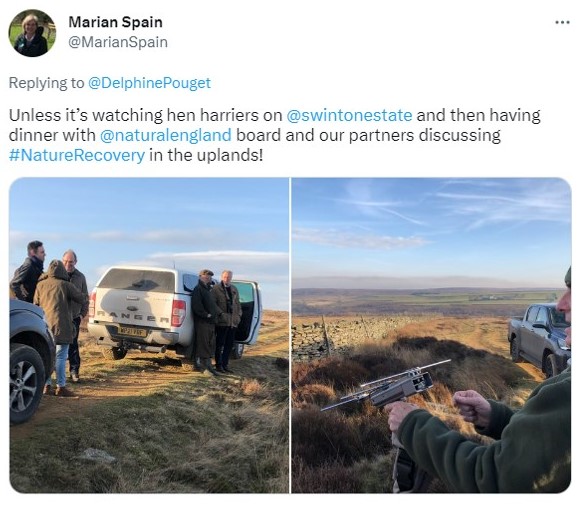
Natural England’s senior management team has a lovely day out…..on Swinton Estate!!

If anyone has been wondering why no progress whatsoever has been made to tackle the illegal killing of birds of prey in England, I give you Natural England’s senior management team:

UPDATE 8th May 2023: Natural England hosts dinner for grouse-shooting industry reps after Swinton Estate visit (here)

Red kite found poisoned on Swinton Estate – North Yorkshire Police refuses to investigate

Last November I was reading an online article on the Teeside Live website about the Nidderdale Area of Outstanding Natural Beauty (AONB) in North Yorkshire being dubbed ‘the bird poisoning capital of the UK‘ (here).

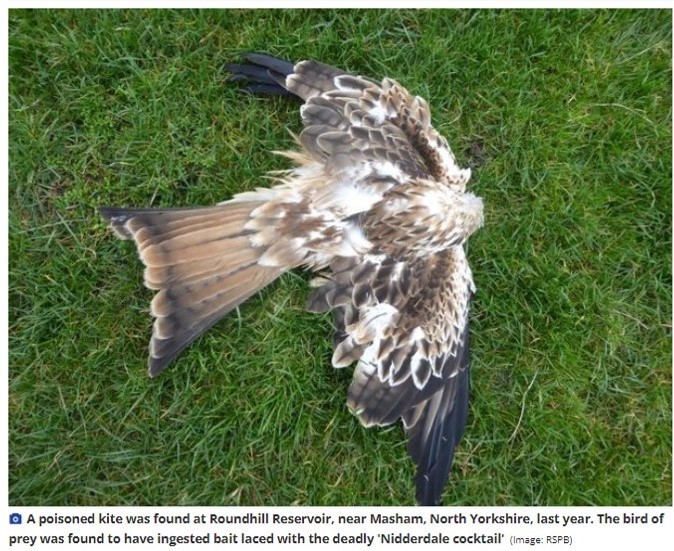
The article was illustrated with various photographs, including this image of a poisoned red kite that was reportedly found dead at Roundhill Reservoir, near Masham in 2021:

The given location caught my eye as I understand the Roundhill Reservoir is surrounded by the Swinton Estate, a notorious grouse-shooting estate that has been at the centre of police investigations into confirmed and alleged raptor persecution for years.

For example, this is the estate where hen harrier ‘Bowland Betty’ was found dead in 2012, later confirmed to have been shot (here & here) although it has never been established whether she was shot on or off the estate. It’s also where a Swinton Estate gamekeeper was convicted for twice setting an illegal pole trap in 2013 (here) and where another hen harrier, ‘River’, was found shot dead in 2019 (here). Around the same time as River’s demise, an unidentified gunman had been filmed with two dogs walking through a hen harrier roost on the estate (here). There have also been reports from local raptor workers of the ‘mysterious disappearances’ of many raptors on this estate for over a decade.

The owner of Swinton Estate is Mark Cunliffe-Lister, Earl of Swinton, who in 2020 became the new Chairman of the grouse moor owners’ lobby group, the Moorland Association (here). This is a high profile position and in recent years Mr Cunliffe-Lister’s estate has become somewhat of a poster child for DEFRA’s ludicrous hen harrier brood meddling trial, where the estate has championed the removal of some hen harrier chicks in return for permitting others to remain and to be diversionary fed by estate staff, although this hasn’t been without controversy either after it emerged that Natural England had appeared to ‘bend the rules’ in favour of estate activities (e.g. see here). Controversially, in 2021 a Guardian journalist described Swinton Estate as the ‘hen harrier’s friend’ (here), supported by a statement from Stephen Murphy (Natural England) about the estate’s head gamekeeper, “What he’s done for harriers, word’s can’t describe“. Murphy also claimed that hen harrier Bowland Betty had definitely been shot elsewhere and merely flew on to the estate to die – an unevidenced claim that was later amended in the article. Last year the estate won what was described as ‘a prestigious conservation award’ for its involvement in the hen harrier brood meddling trial (here).

So, back to that article I was reading in November 2022. I didn’t recall hearing about a poisoned red kite being found on the Swinton Estate in 2021 and I’m pretty sure I would have remembered, given the location, so I did some digging to make sure the poisoning had been confirmed and the location verified, just in case the journalist had cocked up (she’d already mistakenly described Nidderdale as a ‘village’ instead of a region so I couldn’t rely on her account of the poisoned red kite to be accurate).

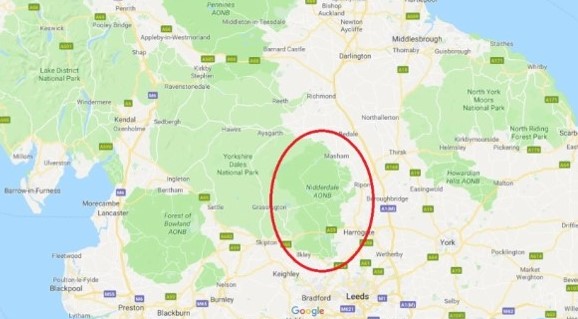
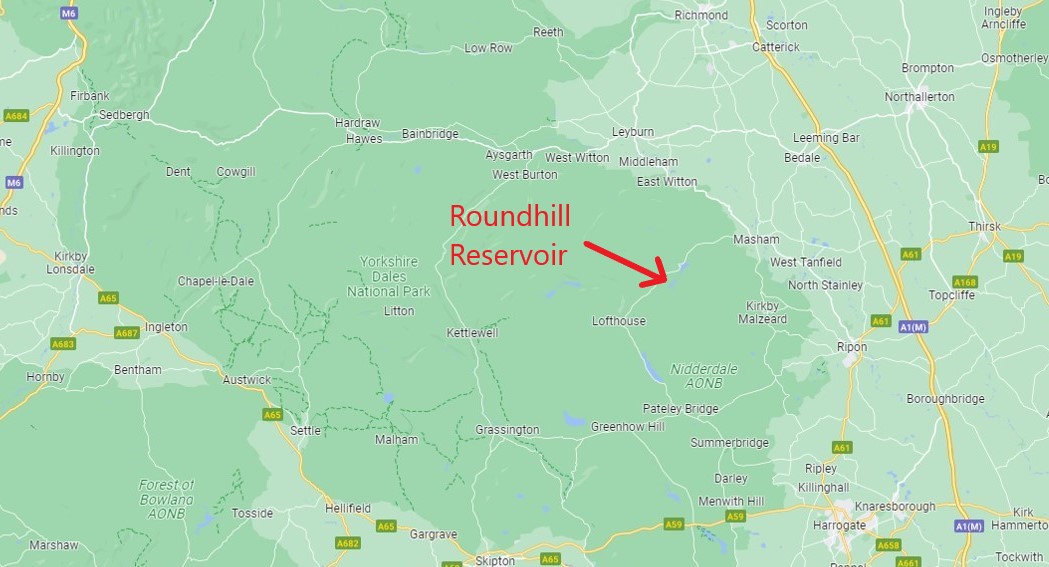
The Nidderdale Area of Outstanding Natural Beauty (AONB), North Yorkshire
Roundhill Reservoir in the Nidderdale AONB

I found details about this crime on the HSE’s Wildlife Incident Investigation Scheme spreadsheet, which confirmed the kite had been found poisoned on a Right of Way footpath in November 2021. The poisons found in the kite’s stomach included Bendiocarb, Carbofuran, Chloralose and Isofenphos – this highly toxic combination has become known as the ‘Nidderdale Cocktail’ as it’s so frequently used to kill birds of prey in this region, especially red kites (e.g. see here, here, here).

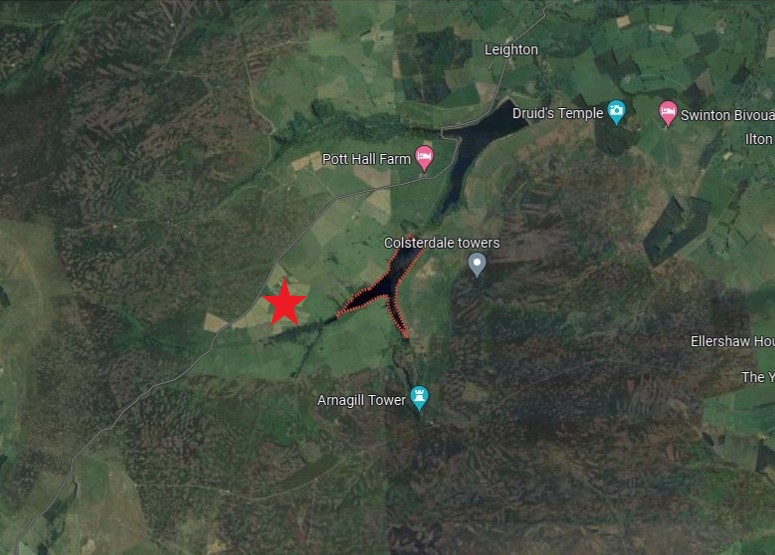
The red star denotes the approximate location of the poisoned red kite found in November 2021, close to Roundhill Reservoir and surrounded by the grouse moors of Swinton Estate

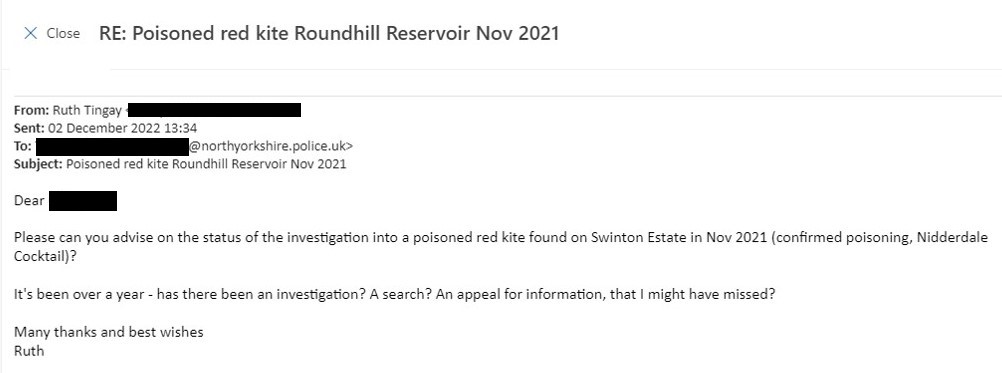
However, I couldn’t find any media coverage of this crime, nor any police appeals for information, nor any warnings to the public about the continued use of poisons so dangerous that some of them have been banned for years. Given that a year had already passed since the poisoned kite was discovered, I found this puzzling. So I contacted North Yorkshire Police’s rural crime team and asked them about the status of the investigation:

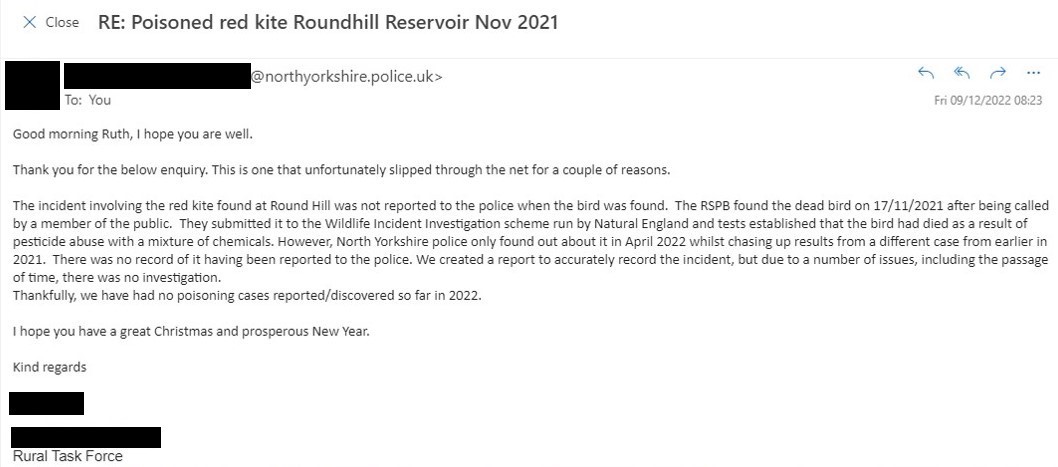
Here’s the astonishing response I received:

This North Yorkshire Police Inspector admitted that this poisoned red kite “unfortunately slipped through the net” but then went on to justify the police’s decision not to investigate by accusing the RSPB of failing to notify the police about this incident when the poisoned kite was first picked up. He claimed the police only found out about it five months later, in April 2022, whilst chasing the lab for the results of another investigation.

His allegations about the RSPB aside (and which I’ll come to, below), I was still stunned that he thought that launching an investigation, and issuing a public appeal for information, let alone issue a warning to the public about the use of poisons in the countryside, wasn’t worthwhile due to the ‘passage of time’ (five months), especially given the location where the poisoned kite had been found.

A couple of years ago a previous North Yorkshire Police Inspector had issued a public appeal/warning, ten months after the discovery of another poisoned red kite in Nidderdale (see here), so it seemed to me that there was no reason not to issue one after a five month delay.

I wrote back to North Yorkshire Police asking for an explanation:

Apparently, it wasn’t up for debate. Here’s the response I received:

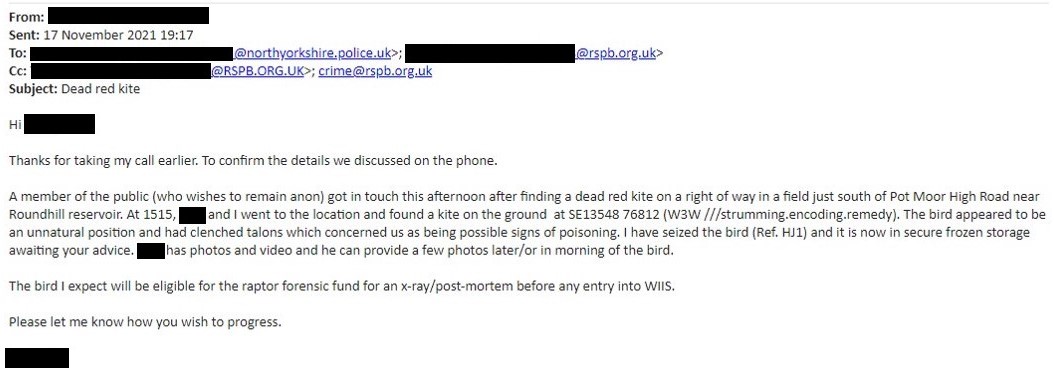
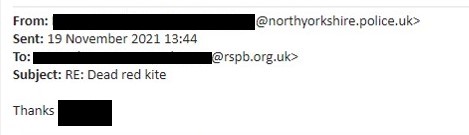
Meanwhile, I contacted the RSPB and put to them the allegations this Inspector had made, that the RSPB hadn’t notified the police about the discovery of this red kite. It turns out those allegations were utterly unfounded/untrue. The RSPB DID contact North Yorkshire Police, on the day the poisoned kite was discovered, and took instruction from the police about submitting the corpse for toxicology analysis. Furthermore, they had the email correspondence to prove it:

So what are we to make of North Yorkshire Police’s refusal to investigate a confirmed poisoning incident (a so-called national wildlife crime priority), on an estate with a long history of alleged wildlife crime, that has enjoyed recent adulation from Natural England staff and the media, that has played a significant role in the hen harrier brood meddling trial, and whose owner is a high profile representative of the grouse-shooting industry?

Does Mr Cunliffe-Lister even know about this poisoned kite being found on his estate? Given the Moorland Association’s claimed ‘zero tolerance’ of raptor persecution, and Mr Cunliffe-Lister’s widely-reported apparent welcoming of birds of prey on his estate, I’d have expected him to speak out and condemn this disgraceful poisoning incident, as any decent landowner would. It’d be interesting to know whether North Yorkshire Police have informed him, or not.

Whatever, North Yorkshire Police’s refusal to investigate this crime is wholly unacceptable. In the first instance, I’ll be writing a letter of complaint to the North Yorkshire Police, Fire and Crime Commissioner, Zoe Metcalfe.

In her Police and Crime Plan 2022-2025 (here), she details an objective of ‘an improved [police] response to crime in rural areas, especially wildlife crime...’ as this had been identified as a major concern for North Yorkshire residents in the recent PCC consultation.

UPDATE 23.30hrs: Natural England’s senior management team has a lovely day out…on Swinton Estate!! (see here).

Dead golden eagle found on Scottish grouse moor

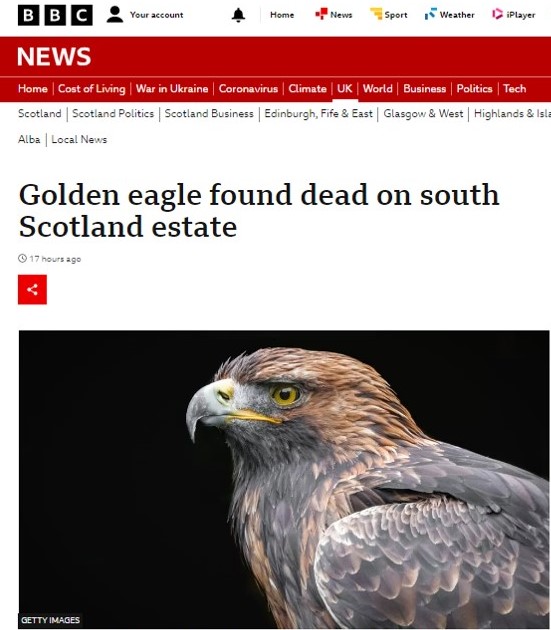
Yesterday, the BBC News website ran a story about the discovery of a dead golden eagle on the Queensberry Estate, an estate within the Buccleuch portfolio in Dumfriesshire.

The eagle had reportedly been discovered on Saturday and is believed to have been one of the young eagles from the South Scotland Golden Eagle Project, where eagles are being translocated from other Scottish regions in an effort to boost the declining population in the south.

Tests are currently underway to establish the cause of death.

It looks to me like this BBC News article was prompted by a press release from Buccleuch and is probably an attempt by the estate to undertake a damage limitation exercise and ‘get its story out first’ before the cause of death has been determined, just in case it turns out to be yet another persecution incident reported in this area. If it turns out that the eagle has died of natural causes then the estate has had a bit of free, positive publicity. It’s win/win for them.

However, if this eagle does turn out to have been killed illegally, the BBC News report will have already alerted the person(s) who killed the eagle that the corpse has been recovered and the authorities are investigating, which provides the culprit(s) every opportunity to hide/destroy any evidence linking them to the crime. Not the brightest move.

The premature release of this news also smacks of hypocrisy. Last year, the Scottish Gamekeepers Association (SGA) went into hysterical meltdown after Police Scotland issued an appeal for information about the discovery of a dead golden eagle on a grouse moor in Strathbraan, because the appeal was issued prior to a post mortem being undertaken (i.e. the cause of death was unknown) and the SGA claimed the appeal was ‘insensitive’ and had caused ’emotional distress’ (see here and here).

Will we see the SGA complaining about a premature press release from Buccleuch? No, thought not.

UPDATE 29th April 2023: ‘No definitive case of death’ for golden eagle found dead on Scottish grouse moor (here)

Shot red kite found injured in Greenwich Park, London

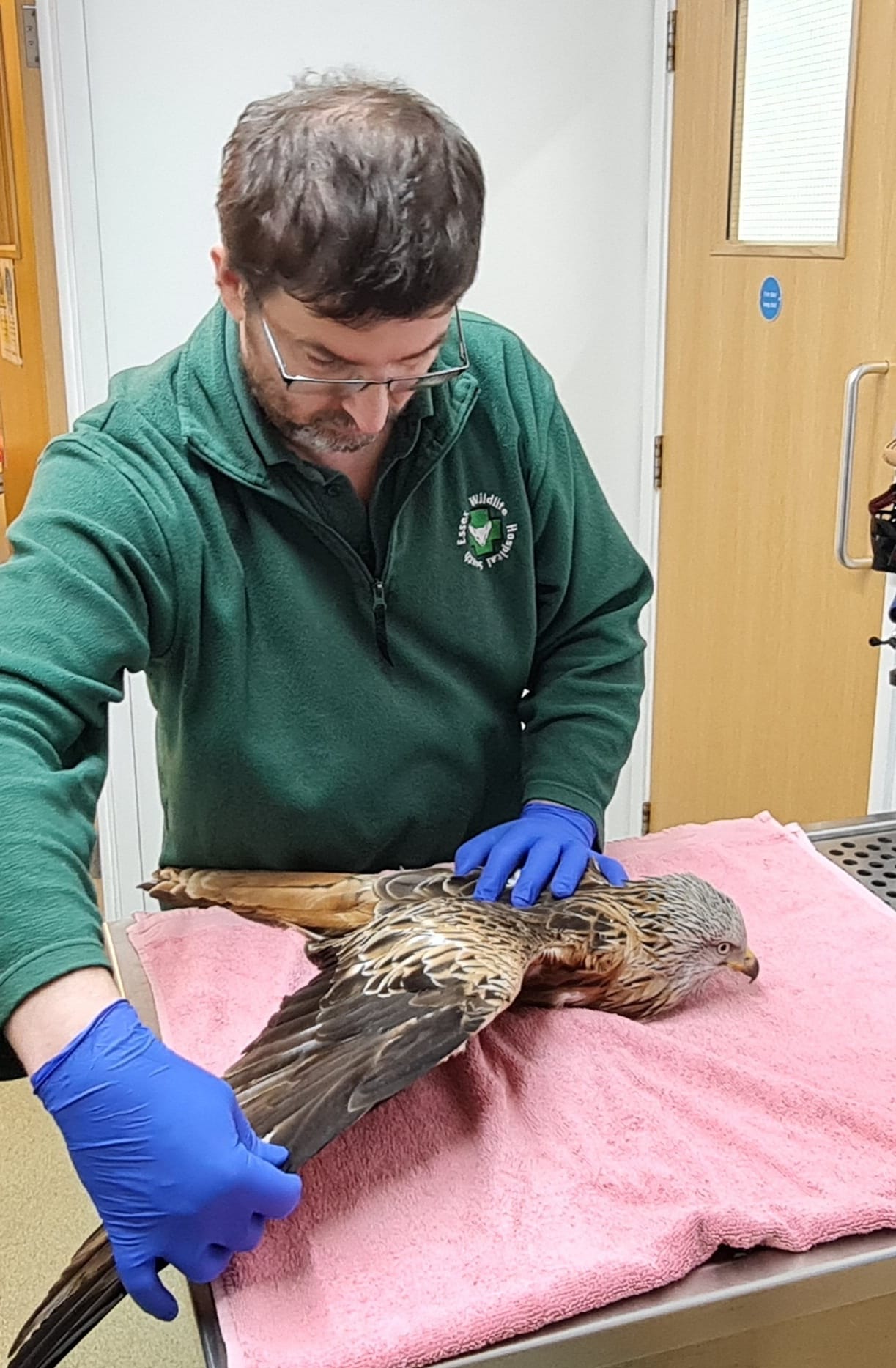
A shot red kite has been found injured after ‘falling from the sky’ at the Royal Observatory in Greenwich Park, south east London.

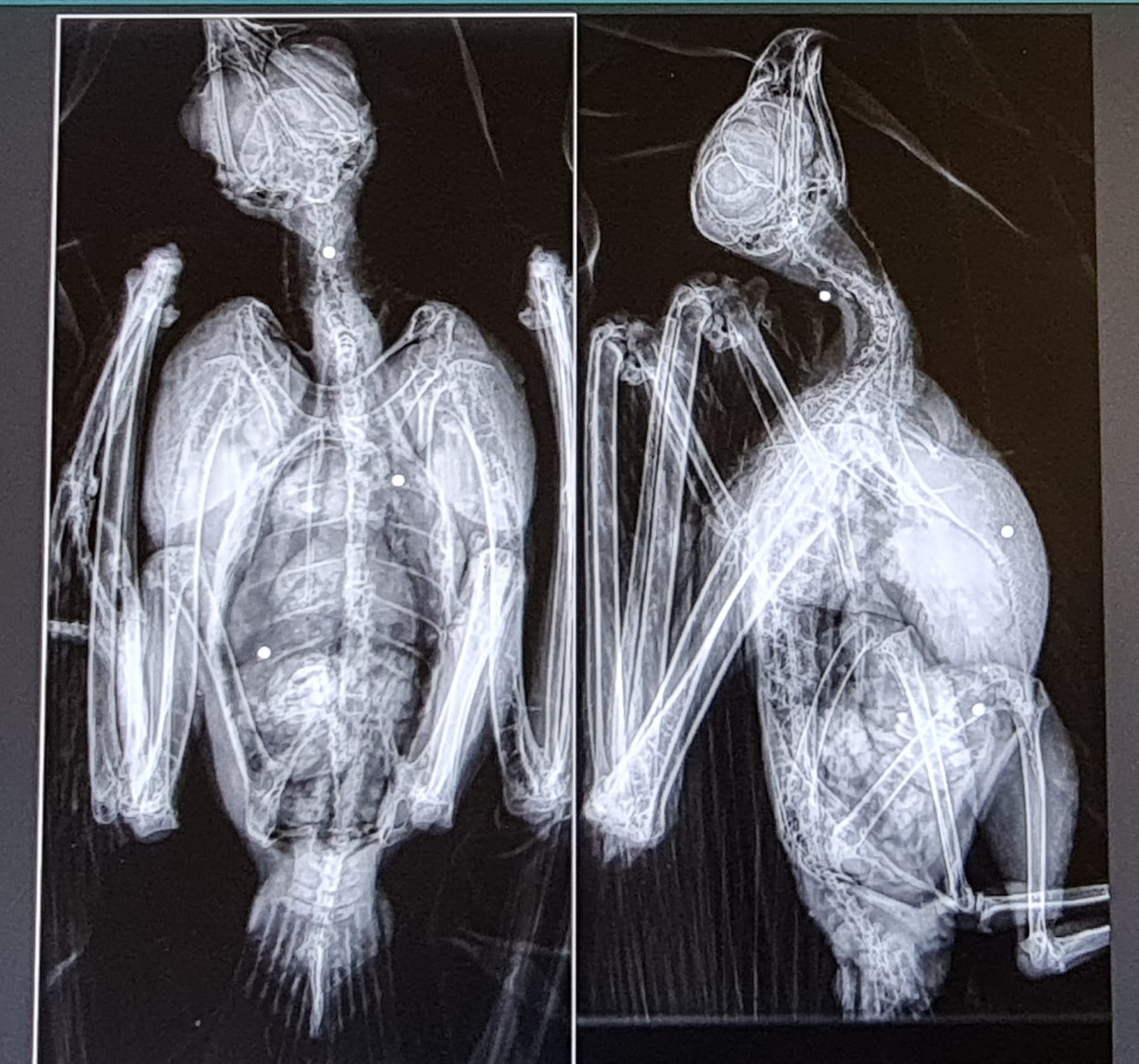
It is currently being treated at the South Essex Wildlife Hospital where x-rays revealed multiple shotgun pellets lodged in its body. It’s not clear where or when this kite was shot.

Staff at the wildlife hospital posted the following details and photos on social media yesterday evening:

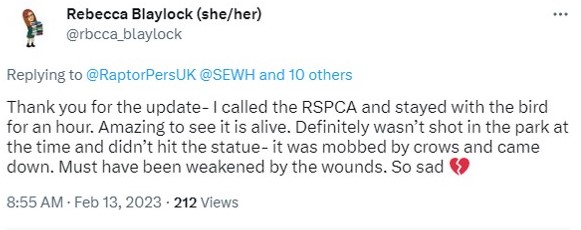
UPDATE 13th February 2023, 10am: The person who found this injured kite has provided some more background to the circumstances:

Death of white-tailed eagle on Isle of Wight recorded as ‘uncertain’ as presence of avian flu restricted toxicology tests

In March last year a young, satellite-tagged white-tailed eagle was found dead on the Isle of Wight in what were considered to be suspicious circumstances and a police investigation was launched (see here).

This was the third white-tailed eagle death since October 2021 and all three birds were from the Isle of Wight Reintroduction Project,  a Government-backed five-year project bringing young sea eagles from Scotland and releasing them on the Isle of Wight to re-establish this species in part of its former range.

The two other dead eagles found during that period included the one found on the Shaftesbury Estate in Dorset in January 2022, which was confirmed to have been illegally killed by ingesting an extraordinary high quantity of the rat poison Brodifacoum but the subsequent police investigation was botched by Dorset Police (see here); and the eagle found dead on a game shoot in West Sussex in October 2021, confirmed to have been illegally killed by ingesting the poison Bendiocarb and whose death is currently the subject of an on-going police investigation (see here).

A preliminary post-mortem on the eagle found dead on the Isle of Wight revealed it was carrying avian flu, but at that time it was unknown whether avian flu had been the cause of death. Later tests revealed it had not.

The presence of avian flu has important consequences for how the corpse is handled and stored under strict government rules, and unfortunately this impacts on the ability to conduct standard toxicology analyses for other potential causes of death, notably the detection of certain poisons.

Last week Hampshire & Isle of Wight Constabulary issued the following statement about the death of this eagle:

Death of White-tailed Eagle remains uncertain after conclusion of police investigation.

A police investigation into the death of a satellite-tracked White-tailed Eagle on the Isle of Wight has found no evidence of unlawful killing.

It comes after Hampshire Constabulary were called shortly after 5pm on Thursday 24 February 2022 to a report of a dead sea eagle on Bowcombe Road on the Isle of Wight.

The circumstances surrounding the death were investigated by local Country Watch officers, along with the support of various partners including the Animal and Plant Health Agency, DEFRA, Forestry England and the Roy Dennis Wildlife Foundation.

Officers explored all possible lines of enquiry into the death, including; analysis of satellite tracking data, evidential land searches in and around the site where the bird was found deceased, obtaining accounts from witnesses in the local area at the time, comprehensive veterinary x-rays as well as conducting specialist post mortem examinations.

The bird initially tested positive for Avian Influenza (AI), but subsequent post-mortem examination carried out under strict AI protocols concluded that this was not the cause of death.

Standard toxicology testing was not possible due to the AI positive test, but the limited analysis that was undertaken did reveal elevated background levels of two rodenticides, brodifacoum and difenacoum, though not at sufficiently high levels to have caused the death of the bird. As such the post-mortem concluded that the actual cause of death of the White-tailed Eagle remains uncertain.

During the post mortem, there was no evidence of any lesions on the sea eagle to explain the cause of death.

Police Sergeant Stuart Ross of Hampshire Constabulary’s Country Watch team, said: “Hampshire Constabulary has carried out a thorough criminal investigation into the death of the White-tailed Eagle and have found no evidence of unlawful killing from the lines of enquires carried out and evidence gathered by officers.

“As such, we are satisfied that there is no evidence of criminal offences having taken place and that the death of the White-tailed Eagle is being treated as uncertain at this time”.

“The criminal aspect of this investigation has now concluded, but we urge all users of rodenticides, particularly brodifacoum, which is known to be highly toxic to wildlife, to follow all guidelines regarding use. Brodifacoum should only be used in and around buildings.”

The reintroduction of White-tailed Eagles on the Isle of Wight is part of a dedicated scheme run, under a Natural England licence, by Forestry England and the Roy Dennis Wildlife Foundation.

ENDS

There are no complaints about Hampshire & Isle of Wight Police’s handling of this investigation. They were responsive, thorough and transparent.

The police statement, above, is fairly detailed and informative. However, caution should be applied when interpreting the statement about the presence of ‘elevated background levels of of two rodenticides, brodifacoum and difenacoum, though not at sufficiently high levels to have caused the death of the bird. As such the post-mortem concluded that the actual cause of death of the White-tailed Eagle remains uncertain‘.

Whilst this is factually accurate, and I’m sure not intended to mislead in any way, readers should be aware that the storage of the eagle’s tissues in formalin (as required for AI positive birds) reduces the laboratory’s ability to determine the significance of these rodenticides.

Here is an excerpt from the final lab report:

‘It was suspected that this white-tailed sea eagle had been poisoned, or possibly exposed to anticoagulant rodenticides. Laboratory analysis for some likely pesticides has been undertaken on samples of fixed tissue only, although it is possible that typical abuse pesticides (such as bendiocarb) would not be detected within this sample type. These tests have detected and confirmed a residue of the anticoagulant rodenticides brodifacoum and difenacoum in the fixed liver from this eagle, but the significance of these residues is uncertain given the prior treatment of the sample with formalin. Therefore, the actual cause of death of this white-tailed sea eagle remains uncertain, but this result confirms that it had been exposed prior to death to brodifacoum and difenacoum’. 

Unfortunately we won’t ever now know whether this eagle had ingested high quantities of rodenticides, or whether it had been poisoned with a banned substance such as Bendiocarb, because of the rules on the handling and storing of tissues containing Avian Influenza. And this may prove to be an issue that hampers other investigations if avian flu is detected in a raptor that has died in what are perceived to be suspicious circumstances.

But at least in this case, the police did conduct searches of the land where the eagle was found dead, and have also included a warning in their press statement about the proper use of rodenticides.

To follow news about the reintroduced white-tailed eagles please visit the Roy Dennis Wildlife Foundation website here.

Scottish gamekeeper charged with killing Sparrowhawk on a grouse moor – new court hearing

A court hearing has been delayed once again in the case of a Scottish gamekeeper accused of the alleged killing of a sparrowhawk.

The un-named 22-year-old gamekeeper was charged in September 2021 (see here) for the alleged killing on a grouse moor in Inverness-shire and he was due in court on 30th September 2022.

The case was delayed until 10th November 2022 (see here).

The case was delayed again until January 2023 (see here).

The case has now been further delayed until 31 March 2023.

As this is a live case no comments will be accepted on this blog post until criminal proceedings have ended. Thanks for your understanding.

Buzzard shot in Kent – Police appeal for information

Press statement from Kent Police (6 February 2023):

BUZZARD KILLED IN A VILLAGE NEAR MAIDSTONE

Kent Police’s Rural Task Force is investigating the shooting of a bird of prey in Otham, Maidstone.

At around 3.30pm on Friday 3 February 2023, a member of the public reported a buzzard had fallen into a garden in Otham Street after being shot.

It was taken to a veterinary surgery for treatment but had to be euthanised due to the extent of its injuries.

Buzzards are protected under the Wildlife and Countryside Act and officers are urging witnesses or anyone with information to contact them.

Police Sergeant Darren Walshaw said:

We are investigating this incident with colleagues from the RSPCA and suspect the bird was shot. We understand there were several people in the area at the time including walkers, residents in their gardens, and two people who were on the roof of a nearby property. We are urging anyone that can assist our enquiries to contact us“.

Witnesses should call 01622 604100, quoting Rural Task Force reference 16-23. You can also call Crimestoppers anonymously on 0800 555111 or complete the online form on the website.

ENDS