Killing jackdaws in Strathbraan: another SNH licensing fiasco?

Just before Christmas we wrote a blog about a hilarious GWCT video in which Scottish gamekeeper Ronnie Kippen (of Garrows Estate, Strathbraan) claimed, with a straight face, that “Rewilding is deadlier to a mountain hare than a 12 bore shotgun“.

Here’s the video again for those that missed it – it’s well worth a few minutes of your day:

But that ridiculous statement wasn’t the only thing to catch our attention. In this video Ronnie Kippen also let on that last year SNH had issued a licence to gamekeepers in Strathbraan to use jackdaws as decoys in Larsen traps (to attract other jackdaws that would then be killed to protect waders).

This was really interesting on a number of points, not least because this was Strathbraan, an area identified in a Government-commissioned report as a raptor persecution hotspot and also the location of the controversial raven cull in 2018 which was successfully challenged by the Scottish Raptor Study Group after it emerged the GWCT’s scientific proposal was “completely inadequate” and “seriously flawed“.

Gamekeepers are permitted to kill jackdaws under the General Licences, but this species cannot be used as a decoy bird inside a Larsen trap in Scotland – only inside crow cage traps. We wanted to know the evidential basis that SNH had used to agree to issuing this licence (i.e. what evidence was provided by the gamekeepers to SNH of the purported damage to waders by jackdaws?) so we submitted an FoI to ask for the licence application and associated documents, as well as the actual licence itself.

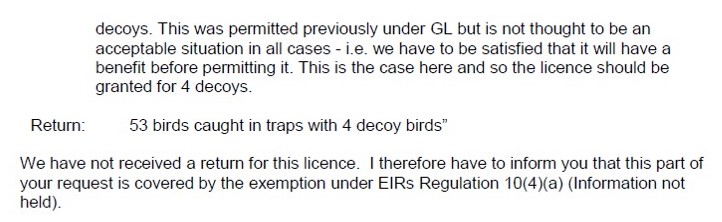
SNH has responded with the following letter:

Hmm. Ok, so according to this letter the decision to issue the licence was apparently based on a “site visit“. Hold that in mind and also hold in mind the statement, “We have not yet received a return for this licence“.

Now let’s look at the supporting documentation that SNH released as part of this FoI:

We don’t know who the licence applicant is because the name has been redacted so let’s just call him Mr Gammon. On 27 March 2019 Mr Gammon emailed SNH and asked for a licence. The ‘evidence’ provided by Mr Gammon appears to be that during an undisclosed meeting someone from the British Trust for Ornithology (BTO) said he’d seen jackdaws predating wader eggs and Mr Gammon had agreed with him. That’s it!

Mr Gammon’s ‘evidence’ was apparently sufficient, according to this internal email between SNH’s Robbie Kernahan and an unnamed SNH employee, presumably someone in the licensing dept:

Later that day, an unidentified SNH employee sent an email to SNH licensing asking them to contact Mr Gammon to ask for a licensing application:

The next morning SNH licensing contacted Mr Gammon and asked for some basic details (note, no request for actual evidence):

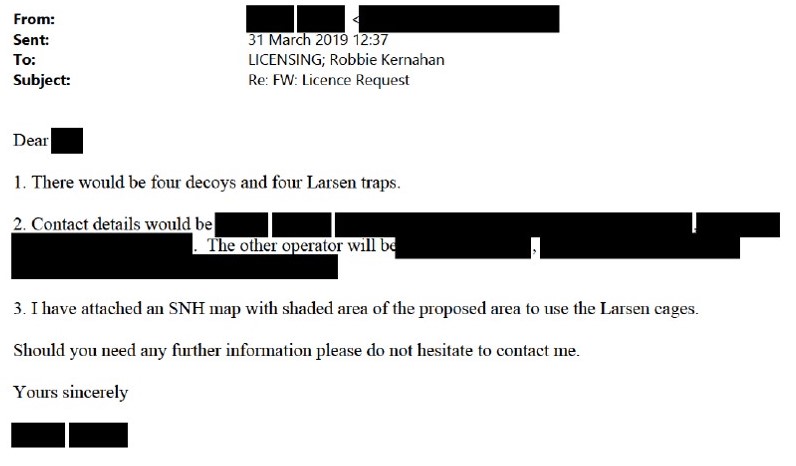
A couple of days later Mr Gammon responds with the basic information requested, and a map (which has been redacted):
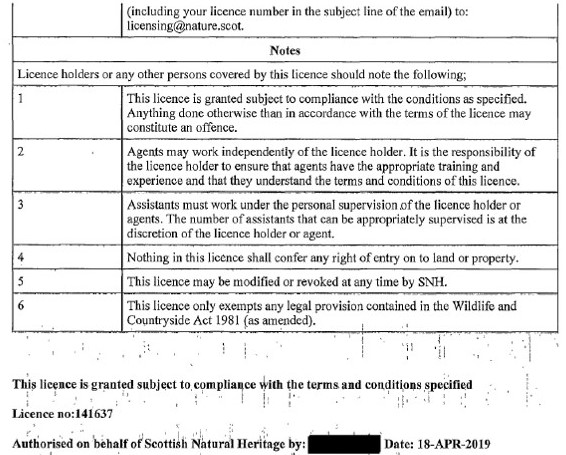
A couple of weeks later, SNH issued the licence to Mr Gammon. Take note that one of the licence conditions has been highlighted – Mr Gammon must submit a return within one month of the licence’s expiry date (31 July 2019):

So, according to all this documentation there was no ‘site visit’ as described in SNH’s letter to us, or if there was, SNH has forgotten to include it in this bundle of associated documents. What actually happened, according to these documents, is that Mr Gammon asked for a licence because some bloke from the BTO had once mentioned jackdaws predating waders and SNH decided to issue one without asking for any supportive evidence.

The second big issue here is that it appears Mr Gammon has breached the licence. A clear condition (#5) of the licence, as highlighted to Mr Gammon by SNH’s cover letter to him, was that ‘the licence holder must provide SNH licensing team with a return within one month of the expiry of this licence [so by 31 August 2019]. The return must summarise all works carried out under the terms of this licence. Please send this information by email’.

According to the FoI cover letter we received from SNH on 31 January 2020, ‘We have not received a return for this licence’.

We’ll be seeking further clarification on this from SNH and seeking assurances that if Mr Gammon is applying for any further licences this year that due consideration is given to this apparent breach of last year’s licence.

Watch this space.

UPDATE 12 March 2020: This morning we received an email from an SNH licensing officer which included the following:

In my letter about the Jackdaw licence dated 31 March  I include a paragraph which said that no licence return had been received.  This paragraph was included in error.  The licence return was recorded in database and the information is provided in the paragraph above. A corrected version of our response is attached.  I apologise for any confusion this has caused“.

It’s good to receive a swift response from SNH – although it still doesn’t clarify when the licence return was received, nor why a copy of the return wasn’t included in the FoI response docs. Is there a written return, as stipulated by the licence, or was the ‘return’ just a hasty phone call after the deadline?

It also doesn’t address the issue of SNH’s apparent failure to seek evidential support for the licence application. We will be following up on these points.
Raptor persecution in North Yorkshire featured on Crimewatch Roadshow

The illegal killing of birds of prey in North Yorkshire was featured on the BBC’s Crimewatch Roadshow this morning.

The programme is available on BBC iPlayer (here) for 24hrs only (persecution bit starts at 15.20 min)

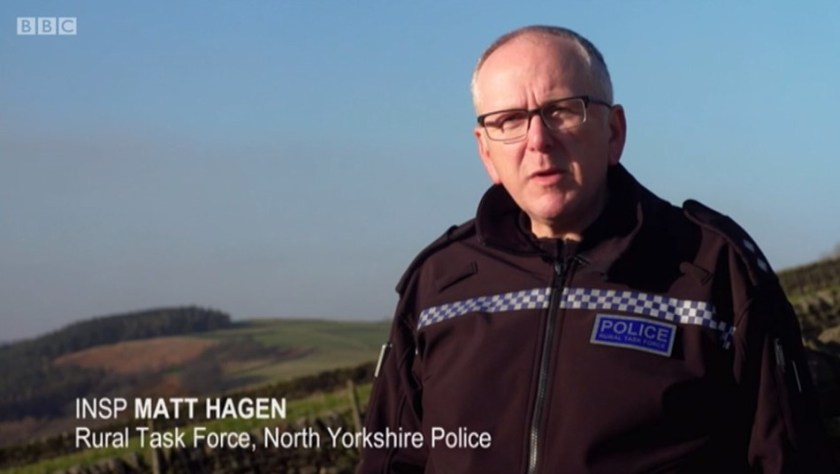
Well done Inspector Matt Hagen, Head of North Yorkshire Police’s Rural Crime Team for telling it how it is and acknowledging North Yorkshire as the biggest raptor persecution hotspot in the country and identifying Nidderdale as an area of particular concern.

Regular readers of this blog will be only too aware of Nidderdale AONB’s reputation as a massive wildlife crime scene. We’ve blogged about it many, many times including the poisoning and shooting of red kiteshen harriersbuzzardsmarsh harriers on Nidderdale grouse moors (as reported by the AONB partnership in September 2019). We’ve also seen how the local community is turning against the criminals in their midst which is hardly surprising when according to the Chair of the Nidderdale AONB these crimes are “starting to have a damaging effect on tourism businesses”. 

Police Inspector Matt Hagen also said this:

People out there in the community will know who is committing these offences and we just need that information. We need them to tell us, to make raptor persecution unacceptable“.

Having met Matt a few times and spoken at length about raptor persecution, he’s definitely one of the good guys, who, along with his colleague Sgt Stu Grainger, is leading what could be a formidable team in an area where it’s most needed.

If you have ANY information about raptor persecution in North Yorkshire, even if it’s just a suspicion, pass that info on to these guys and they will investigate.

Sparrowhawk shot in Devon

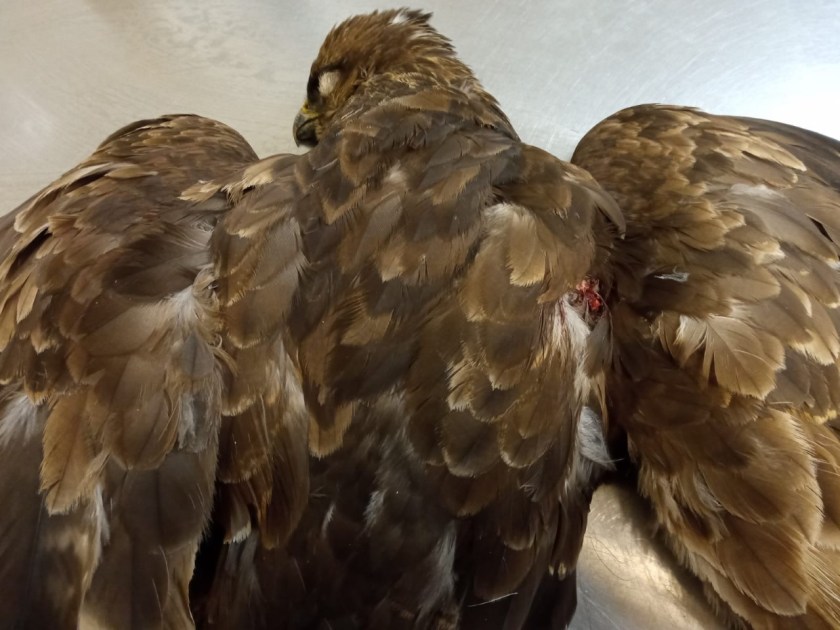
The RSPB and Devon & Cornwall Police are appealing for information after a sparrowhawk was shot in Devon.

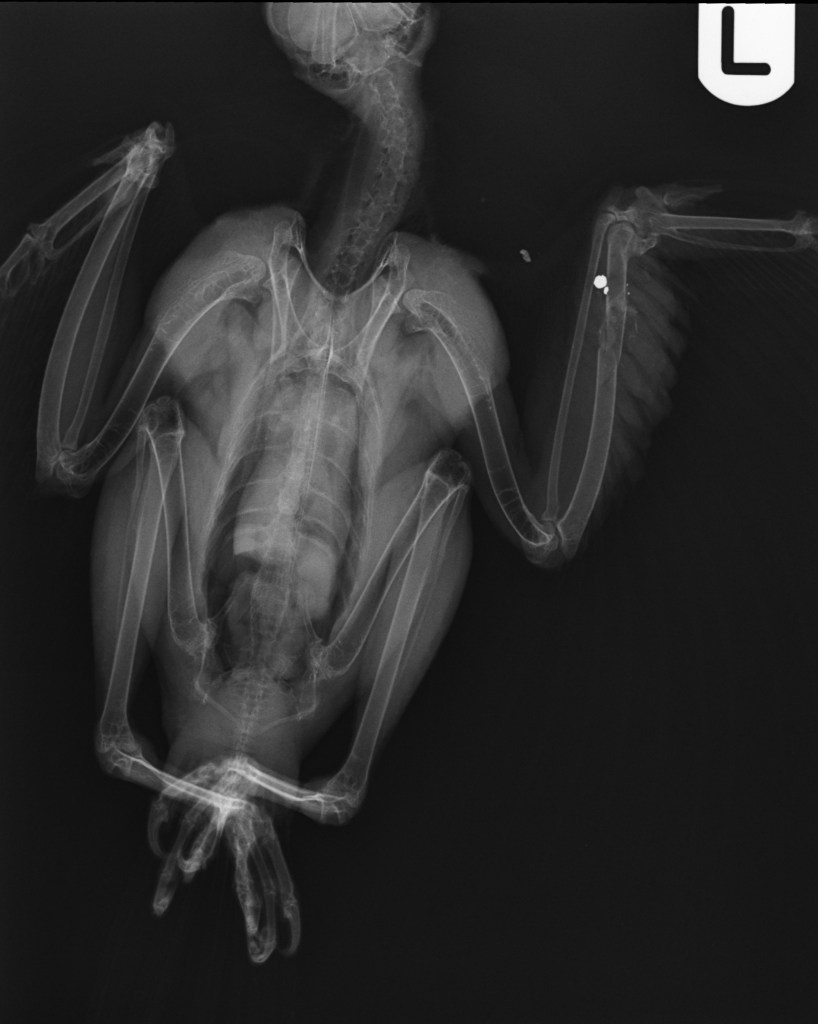
[An x-ray of the shot sparrowhawk, by Westmoor Veterinary Hospital]

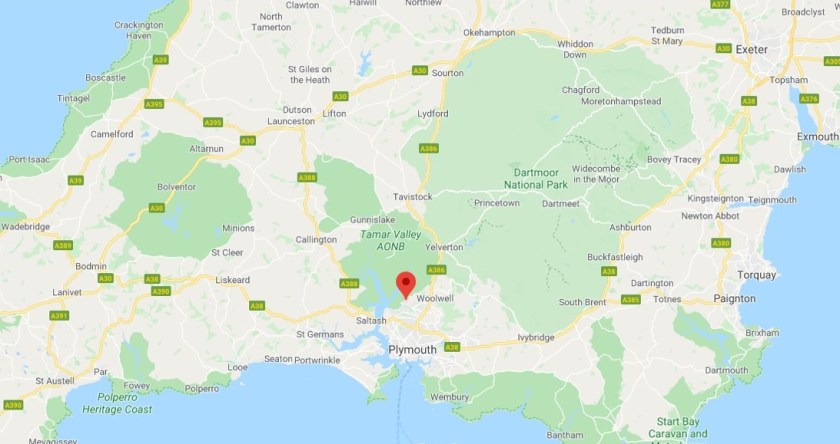
Map showing Tamar Foliot, near Plymouth, Devon:

From an RSPB press release issued 9 March 2020:

Devon and Cornwall Police and the RSPB are appealing for information after a protected sparrowhawk was found illegally shot near Plymouth.

The female bird was discovered alive but injured in a paddock in Tamerton Foliot, Plymouth. Seeing it was unable to fly, the finder recovered the bird and contacted the police on 2 February 2020.

The bird was x-rayed by Westmoor Veterinary Hospital in Tavistock and found to contain a shotgun pellet in its wing.

Emily Roisetter, a veterinary nurse, said: “On examination one of our vets could feel an unusual lump in its wing, which lead us to be suspicious that a pellet was present, and this was confirmed with the x-rays.”

The bird is currently being cared for at a wildlife centre.

Investigating Officer Sergeant Northmore, of the Crownhill Neighbourhood Team, said: “We would like to hear from anyone who was in the area at the time and saw or heard anything which could have been related to this incident, or has any information they think could be useful, to contact us.

If you have any information relating to this incident, call Devon and Cornwall Police on 101 or fill in the RSPB’s confidential online reporting form here

ENDS


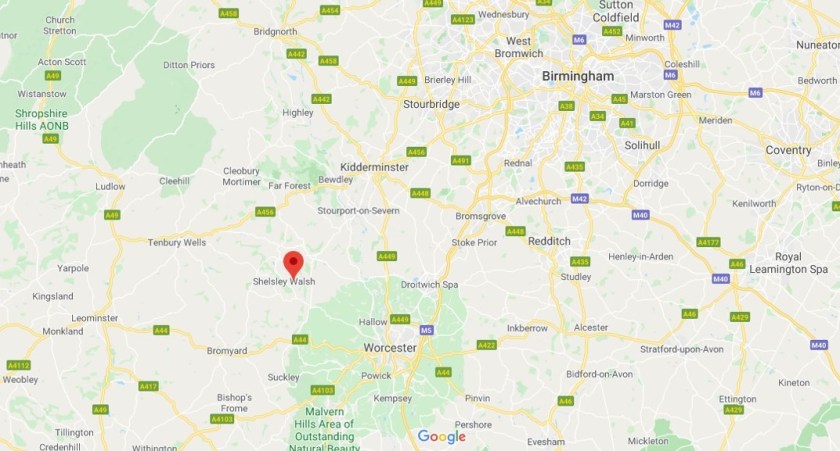
Buzzard shot in Worcestershire

The RSPB and West Mercia Police are appealing for information after a buzzard was shot in Worcestershire.

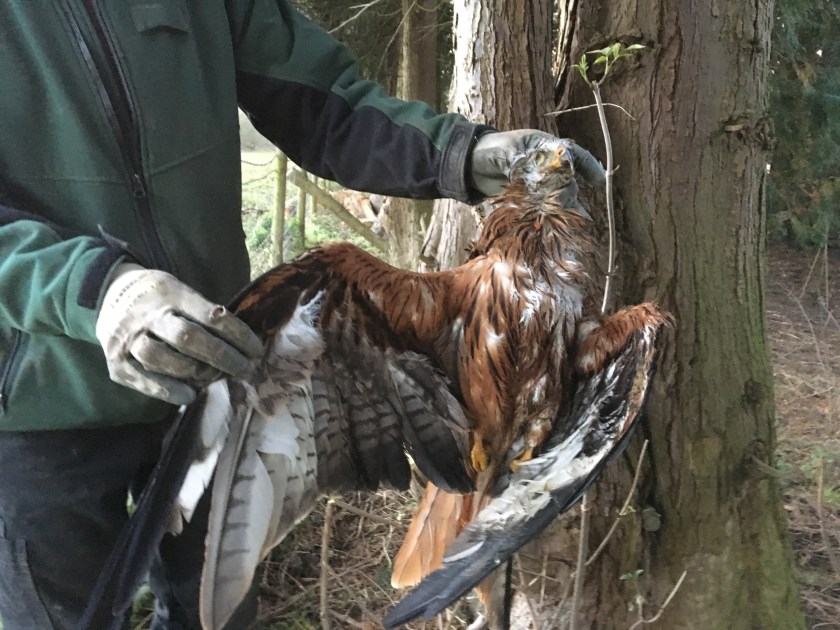
[The shot buzzard. Photo from RSPB]

Map showing Shelsey Beauchamp, Worcestershire:

From an RSPB press release issued 6 March 2020:

On 20 January 2020, eyewitnesses saw a buzzard being shot from a light-coloured [blue] van near Shelsley Beauchamp, Worcestershire. The bird was brought to Vale Wildlife Centre but due to an irreparable broken wing the bird had to put the bird to sleep.

Unfortunately no further details are provided.

If anyone has any information about this wildlife crime please contact West Mercia Police on 101 or fill in the RSPB’s confidential online reporting form here


Wild Justice secures another Westminster debate on banning driven grouse shooting

Six months after Wild Justice’s petition calling for a ban on driven grouse shooting passed the requisite 100,000 signatures, a decision has finally been made to have a parliamentary debate in Westminster.

The date has not yet been decided but is expected to be within the next month.

Of course, this won’t be the first time this subject has been debated at Westminster. The first time was back in 2016, and what a sham that was, but many of those dishonourable members, some with clear vested interests, have since left the building.

Will it be any better, four years on? Wild Justice has some thoughts on that here.

Red kite found shot in Herefordshire

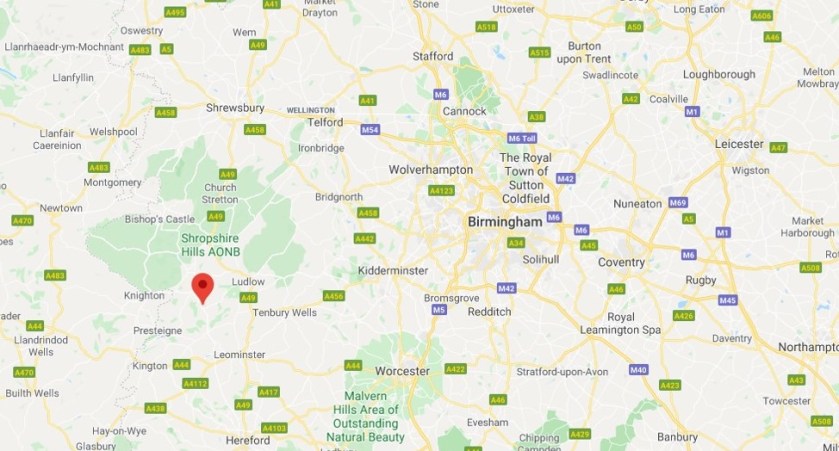
The RSPB and West Mercia Police are appealing for information after a dead red kite was discovered in Herefordshire on New Years Eve.

[The shot red kite. Photo from RSPB]

[Wigmore, Herefordshire]

From an RSPB press release, issued 6 March 2020:

A red kite was found dead in a field in Wigmore, Herefordshire on New Years Eve 2019 by a member of the public. The RSPB and West Mercia Police were notified. When the police collected the bird, they noticed a large hole in the bird’s body.

The RSPB arranged for a post-mortem of the bird, and the results concluded that it had been shot, and that ‘shooting with a single projectile is by far the most likely cause’ of death. Witnesses also confirmed they had heard shooting in the area the day before.

ENDS

If anyone has any further information please contact West Mercia Police on 101 or fill in the RSPB’s confidential online reporting form here

[The shot red kite, photo from RSPB]

New website for Hen Harrier Day 2020 and beyond

Check out this brand new website: https://henharrierday.uk 

A much needed site set up to help coordinate Hen Harrier Days throughout the UK – it’ll include information on events in England, Wales, Scotland & Northern Ireland.

It’s only just launched and there’s much more to come but you can already find information about some of this year’s planned events.

Bookmark the website, watch for new events near you and get involved with this year’s Hen Harrier Day!


Raptor Persecution UK blog is 10 years old

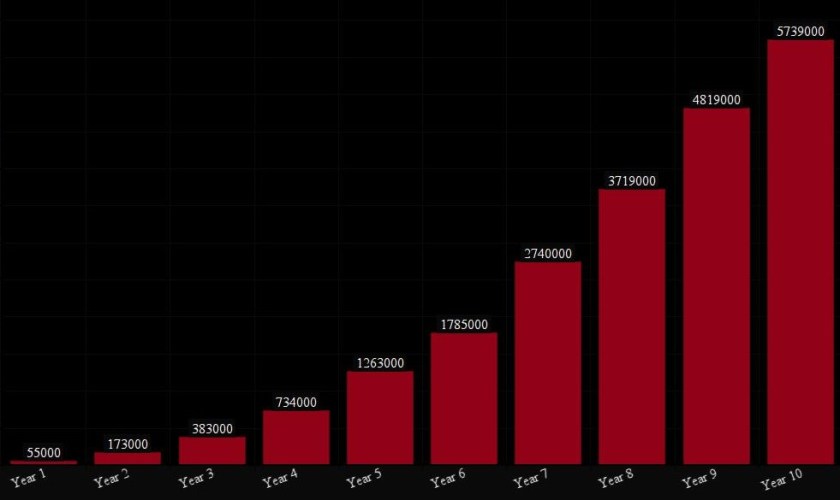
Earlier this week this blog passed its ten year anniversary.

I’m not sure how that happened but as the number of blog views approaches 6 million it’s rewarding to see that the blog stats reflect a growing awareness of the illegal killing of birds of prey in the UK.

Massive thanks to all those who contribute – many of whom can’t be named but you know who you are – and thanks also to all those who comment and who share the blog through their own networks. To those who help fund my time, I’m indebted.

To maintain a blog like this requires significant effort. It can take its toll on some other aspects of life, and indeed it has, but it’s also brought great benefits, not least the opportunity to work with and get to know some pretty special people whose own efforts in this field and on related topics continue to inspire.

Foremost of these has to be Chris Packham and Mark Avery – our paths crossed as a direct result of this blog and led to the formation of Wild Justice. Two others of significance are Ian Thomson (Head of Investigations, RSPB Scotland) and Andy Wightman MSP, both of whom have been staunch supporters and providers of excellent advice – pictured here at last week’s Scottish Raptor Study Group conference:

[Ian Thomson, Ruth Tingay, Andy Wightman, photo by Andrea Goddard]

Back in 2010 I was pretty naive and didn’t expect to still be writing about this stuff ten years on. Fortunately these days, especially with the help of social media, it’s much more of a movement and there’ll be no turning back and shoving it all under a rug anymore.

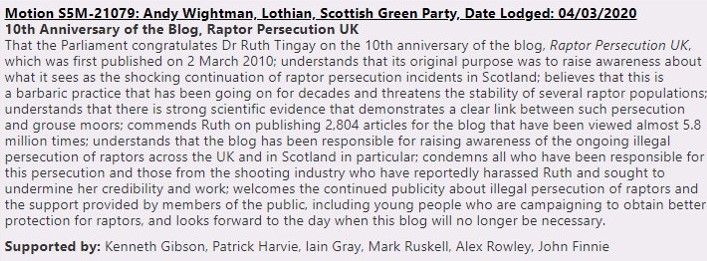
Thanks to Andy Wightman MSP for lodging this motion of support at the Scottish Parliament earlier this week – it’ll be interesting to see who signs it and who doesn’t!

Peregrine shot & killed in Belper, Derbyshire, again

For the second time in recent years, a peregrine falcon has been illegally shot in Belper, Derbyshire.

Yesterday (5 March 2020) Derbyshire Wildlife Trust issued the following statement:

Yesterday morning [4 March 2020], a male peregrine falcon was spotted injured at Belper’s East Mill in Derbyshire and taken by a local resident to a vets in Ashboune where a single shotgun pellet was removed.  A second pellet will be removed later today and the bird continues to be monitored. 

East Mill is a very well-known location for breeding  peregrines – the stunning views of the birds and easy accessibility make it one of the most popular places in the UK to watch them. 

Tim Birch, Director of Nature Recovery at Derbyshire Wildlife Trust said; “This is appalling news – the Belper peregrines are famous, it’s one of the best places to watch and enjoy these amazing birds as they fly at top speed, perform acrobatic aerial displays and  raise their young high on the ledges of the Mill building. They are a huge draw for people and it’s shocking that anyone wants to harm them. Thanks to the quick response by a local resident and the vets, we are hopeful that this bird will recover.”

“Derbyshire sadly continues to see some of the UK’s highest levels of bird of prey persecution. We encourage anyone with any information about this or any wildlife or suspected wildlife crime to please contact Crime Stoppers on 0800 555 111.”  

The bird is about four years old and was ringed in Dorset. Without the support of the male at the start of the breeding season, any attempts to nest this year could sadly fail.

ENDS

This morning we were informed that the peregrine died at the vet’s last night, unable to survive surgery to remove the pellet lodged in his breast.

This isn’t the first time the breeding pair at Belper have been attacked. In March 2015 the body of the adult male was found dead on the doorstep of Derbyshire Wildlife Trust’s HQ in Belper. A post mortem revealed he had been shot (see here).

Hen harrier shot in North Yorkshire – police appeal for info 5 months later

Press statement from North Yorkshire Police (4 March 2020)

APPEAL FOR INFORMATION AFTER HEN HARRIER SHOT NEAR KEASDEN

Police looking for witnesses or anyone who may have seen something suspicious

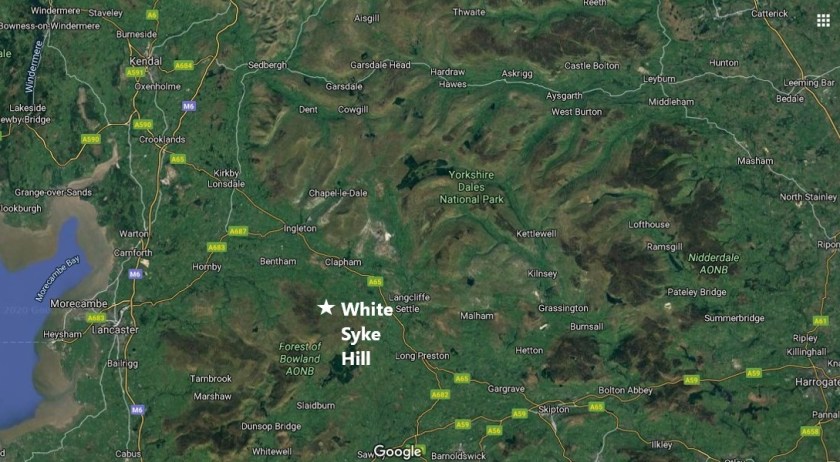
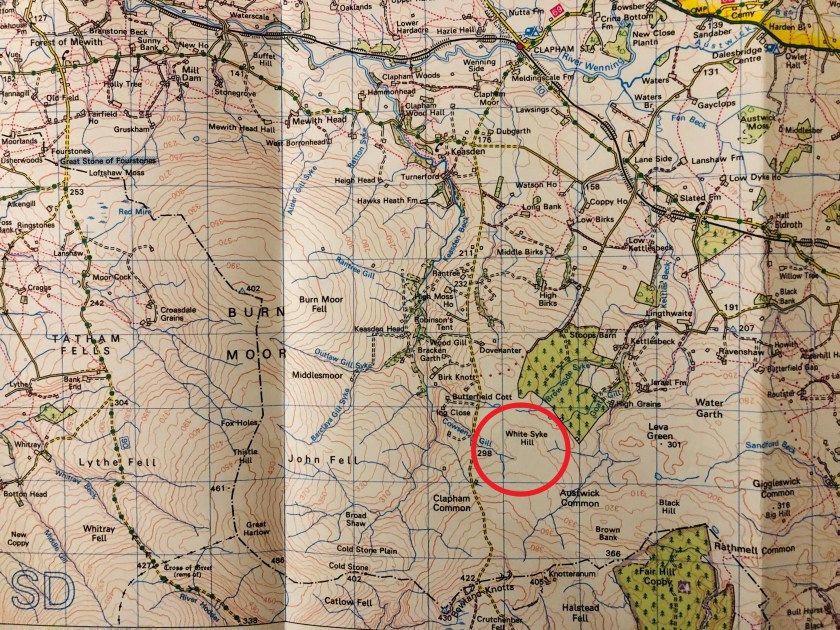
North Yorkshire Police is appealing for information after a hen harrier is believed to have been shot near White Syke Hill approximately 3km south east of  the North Yorkshire village of Keasden.

A member of the public has witnessed an incident which they believed was the shooting of a male hen harrier.

The incident occurred on moorland near White Syke Hill at approximately 5.30pm on Friday 18 October 2019.

Officers have been conducting active enquiries and a man has been interviewed in connection with this investigation.

North Yorkshire Police is appealing for anyone with information about this incident or who may have seen anything in the area shortly before 5.30pm to please call 101 quoting reference number: 12190193431.

If you wish to remain anonymous, you can pass information to Crimestoppers on 0800 555 111.

ENDS (but see blog update at bottom of screen)

White Syke Hill is situated in the Forest of Bowland Area of Outstanding Natural Beauty (AONB), just over the border from the Yorkshire Dales National Park. And surprise surprise, there’s a driven grouse moor nearby.

It’s our understanding that there was a very quick initial police response to this reported shooting, with the police working closely with partner agencies, culminating with an interview of a potential suspect. It’s not clear why it’s taken five months for a public appeal for information to be made.

As a reminder that DEFRA’s seriously flawed Hen Harrier Action Plan is failing miserably, let’s add the shooting of this hen harrier to the ever-expanding list of hen harriers (at least 30 now) believed to have been illegally killed since 2018, the year when grouse shooting industry reps would have us believe that hen harriers were welcomed back on the grouse moors:

February 2018: Hen harrier Saorsa ‘disappeared’ in the Angus Glens in Scotland (here). The Scottish Gamekeepers Association later published inaccurate information claiming the bird had been re-sighted. The RSPB dismissed this as “completely false” (here).

5 February 2018: Hen harrier Marc ‘disappeared’ on a grouse moor in Durham (here)

9 February 2018: Hen harrier Aalin ‘disappeared’ on a grouse moor in Wales (here)

March 2018: Hen harrier Blue ‘disappeared’ in the Lake District National Park (here)

March 2018: Hen harrier Finn ‘disappeared’ near Moffat in Scotland (here)

18 April 2018: Hen harrier Lia ‘disappeared’ in Wales and her corpse was retrieved in a field in May 2018. Cause of death was unconfirmed but police treating death as suspicious (here)

8 August 2018: Hen harrier Hilma ‘disappeared’ on a grouse moor in Northumberland (here).

16 August 2018: Hen harrier Athena ‘disappeared’ on a grouse moor in Scotland (here)

26 August 2018: Hen Harrier Octavia ‘disappeared’ on a grouse moor in the Peak District National Park (here)

29 August 2018: Hen harrier Margot ‘disappeared’ on a grouse moor in Scotland (here)

29 August 2018: Hen Harrier Heulwen ‘disappeared’ on a grouse moor in Wales (here)

3 September 2018: Hen harrier Stelmaria ‘disappeared’ on a grouse moor in Scotland (here)

24 September 2018: Hen harrier Heather ‘disappeared’ on a grouse moor in Scotland (here)

2 October 2018: Hen harrier Mabel ‘disappeared’ on a grouse moor on the edge of the Yorkshire Dales National Park (here)

3 October 2018: Hen Harrier Thor ‘disappeared’ next to a grouse moor in Bowland, Lanacashire (here)

26 October 2018: Hen harrier Arthur ‘disappeared’ on a grouse moor in the North York Moors National Park (here)

10 November 2018: Hen harrier Rannoch ‘disappeared’ on a grouse moor in Scotland (here). Her corpse was found nearby in May 2019 – she’d been killed in an illegally-set spring trap (here).

14 November 2018: Hen harrier River ‘disappeared’ on a grouse moor in the Nidderdale AONB (here). Her corpse was found nearby in April 2019 – she’d been illegally shot (here).

16 January 2019: Hen harrier Vulcan ‘disappeared’ in Wiltshire close to Natural England’s proposed reintroduction site (here)

7 February 2019: Hen harrier Skylar ‘disappeared’ next to a grouse moor in South Lanarkshire (here)

22 April 2019: Hen harrier Marci ‘disappeared’ on a grouse moor in the Cairngorms National Park (here)

11 May 2019: A male hen harrier was caught in an illegally-set trap next to his nest on a grouse moor in South Lanarkshire. He didn’t survive (here)

7 June 2019: A hen harrier was found dead on a grouse moor in Scotland. A post mortem stated the bird had died as a result of ‘penetrating trauma’ injuries and that this bird had previously been shot (here)

11 September 2019: Hen harrier Romario ‘disappeared’ on a grouse moor in the Cairngorms National Park (here)

10 October 2019: Hen harrier Ada ‘disappeared’ on a grouse moor in the North Pennines AONB (here)

12 October 2019: Hen harrier Thistle ‘disappeared’ on a grouse moor in Sutherland (here)

18 October 2019: Member of the public reports the witnessed shooting of a male hen harrier on White Syke Hill in North Yorkshire (this post)

November 2019: Hen harrier Mary found illegally poisoned on a pheasant shoot in Ireland (here)

There are two more satellite-tagged hen harriers (Tony & Rain) that are reported either confirmed or suspected to have been illegally killed in the RSPB’s Hen Harrier LIFE Project Report but no further details are available.

And then there were last year’s brood meddled hen harrier chicks that have been reported ‘missing’ but as they’re carrying a new type of tag known to be unreliable it’s not known if they’ve been illegally killed or if they’re still ok. For the purposes of this mini-analysis we will discount these birds.

So that makes a total of at least 30 hen harriers that are known to have either ‘disappeared’ in suspicious circumstances or have been found illegally killed in the last two years. The DEFRA Hen Harrier Action Plan is certainly providing cover for the criminals – yep, carry on with the killing lads (and maybe lasses), we’ve got your backs.

UPDATE 12 March 2020: Hen harrier shot on grouse moor – North Yorkshire Police make an arrest (here)