Scottish Parliament to vote on declaring a nature emergency

Press release from the Scottish Greens (15 November 2020)

Scottish Parliament to vote on a nature emergency

The Scottish Parliament must declare a nature emergency to reverse the alarming decline in species, the Scottish Greens have said.

The Scottish Greens are set to put the declaration to a vote at Holyrood which would make Scotland the first country in the world to recognise that the rapid decline of species and wildlife populations across the world constitutes an emergency.

Nature is declining globally at rates unprecedented in human history, and in Scotland one in nine species face extinction. The motion will call for a target to halt all declines by 2030, and for 30% of Scotland’s land and sea to be set aside for a nature recovery.

The call comes following multiple warnings about the rapid loss of species abundance and distribution, and habitat loss and ecosystems in decline.

A WWF report in September revealed global numbers of mammals, birds, fish and insects have fallen by two-thirds since 1970, including a drastic decline in numbers of the Arctic Skua in Orkney.

The Mammal Society placed a number of Scottish species on its ‘red list’ in August, including the Wildcat, Mountain Hare, Beaver and Red Squirrel, as well as hedgehogs and species of bats and voles.

And Scottish Government figures released in the summer reveal that the decline in nature has not slowed in Scotland in recent years.

Commenting, Scottish Greens environment spokesperson Mark Ruskell said:

Everyone from the UN to David Attenborough and nature organisations here in Scotland are warning that our nature is in freefall and there’s no sign of it slowing unless we take action now.

Here in Scotland one in nine species already face extinction and instead of taking the bold action needed we’ve had years of neglect, with vested interests consistently prioritised over wildlife protection. To make matters worse, simple opportunities to improve the situation are being missed, particularly when it comes to planning laws and targeting farming subsidies.

If we are going to reverse this alarming decline in Scotland’s nature, then parliament must declare a nature emergency this week, and commit to devote 30 per cent of Scotland’s land and sea to restoring nature by 2030.”

ENDS
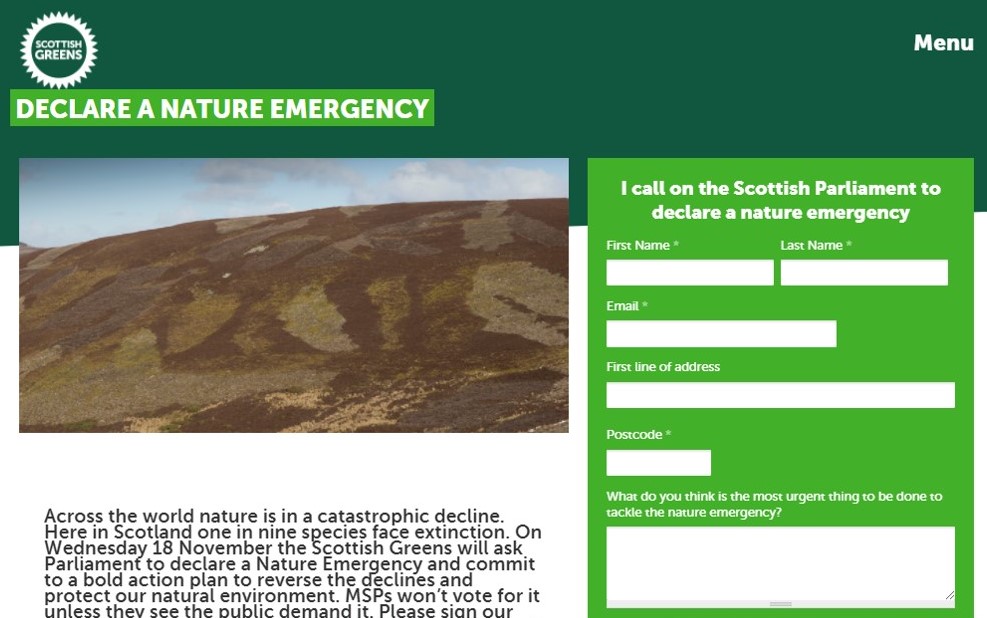
The Scottish Greens have launched a webpage dedicated to the declaration of a Nature Emergency and they are asking members of the public to sign a petition in support, in advance of the motion in Parliament on Wednesday 18 November 2020.

You’ll notice that they’ve chosen a photograph of an intensively managed grouse moor to illustrate their case. This is no coincidence, given that they’re calling for action to ‘end those practices that are deeply environmentally damaging and fundamentally at odds with protecting nature’, including:

  • Driven grouse moor management
  • Large scale peat extraction 
  • Damaging fishing practices like dredging in sensitive, nature-rich marine environments

If you’d like to sign in support of their petition please visit the webpage here
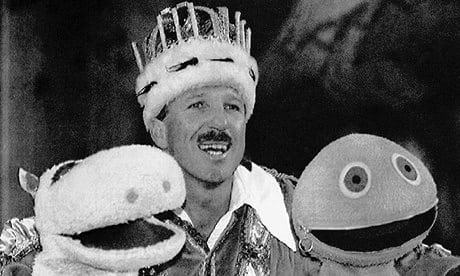
Lord Botham uses new platform to continue slagging off RSPB & Chris Packham

It’s been a while.

For regular blog readers you’ll remember ex-England cricketer Ian Botham as being the figurehead for the group ‘You Forgot the Birds’, an astroturfing PR outfit funded by the grouse shooting industry and whose main aim seemed to be slagging off the RSPB and Chris Packham.

[Intellectual heavyweight Ian Botham, photographer unknown]

Botham was an inspired choice for fronting this group: his profile always guaranteed press attention and his gaffes were legendary and helped pour derision all over the industry’s claims without anyone else having to work very hard.

As a classic example, this is still one of the funniest car-crash radio interviews ever, recorded in 2017 when Botham was interviewed on BBC Five Live talking about how the public spirited game shooting industry was planning to donate thousands of potentially lead-poisoned pheasants and partridges to the poor and needy:

Botham threw a massive wobbler after the interview and threatened to boycott the BBC who, he claimed, had “ambushed me with with their anti-shooting agenda” (see here).

‘You Forgot the Birds’ seems to have vanished in recent years, perhaps stepping aside for another astroturfing outfit set on attacking the RSPB and anyone else who might question the mighty grouse shooting industry (see here) but Botham’s not been fading in to obscurity.

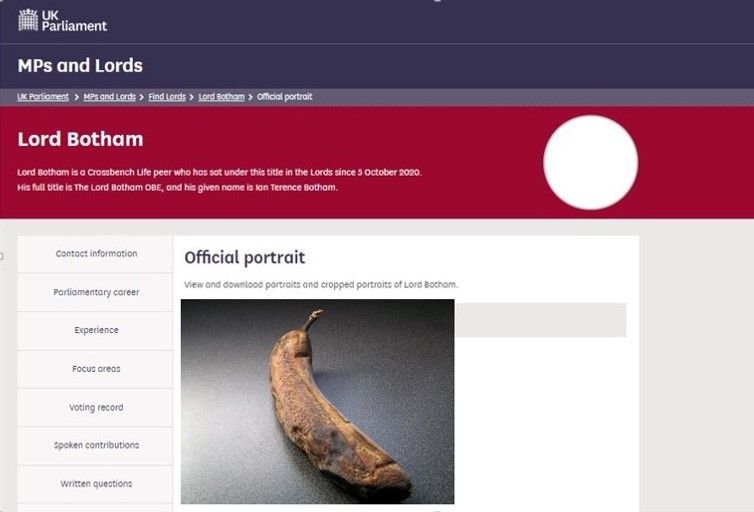
Earlier in the summer it was announced that he’d been made a life peer by Boris Johnson, reportedly for his grand support of Brexit, and he’s now ensconced in the House of Lords.

[Not his official portrait, obvs. Someone must have hacked his Lords webpage]

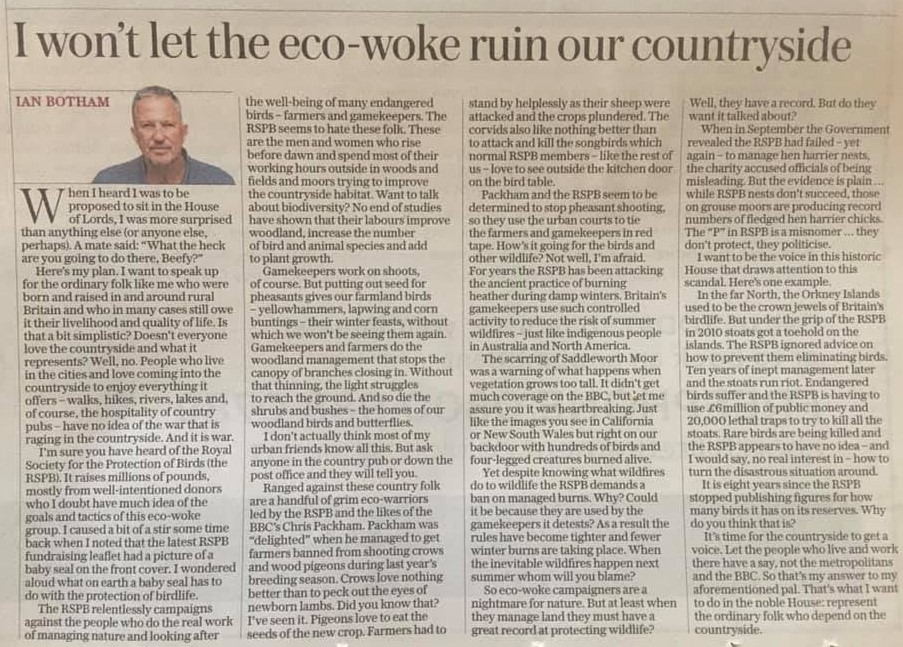
Judging by a comment piece in today’s Telegraph, it looks like we can expect to hear more from Lord Botham over the coming months/years as he takes full advantage of this new platform.

This’ll be entertaining. Although he seems a bit rusty. It took him until the third paragraph in today’s piece for him to start slagging the RSPB and a staggering delay of seven paragraphs before he started on Chris Packham.

RSPCA appeals for information after sparrowhawk shot in Scunthorpe

Article from the Lincolnite, written by Ellis Karran, dated 13 November 2020.

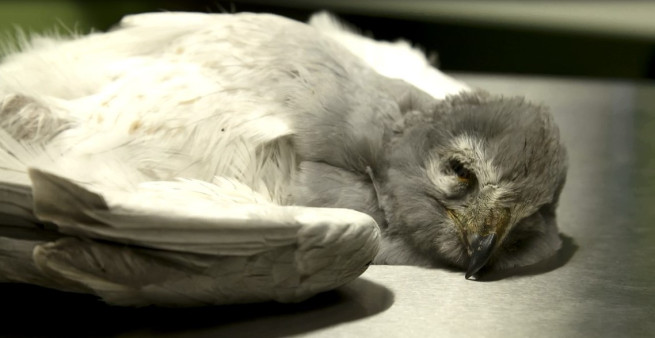
Bird of prey had to be put down after it was shot with an air rifle

RSPCA investigating the case

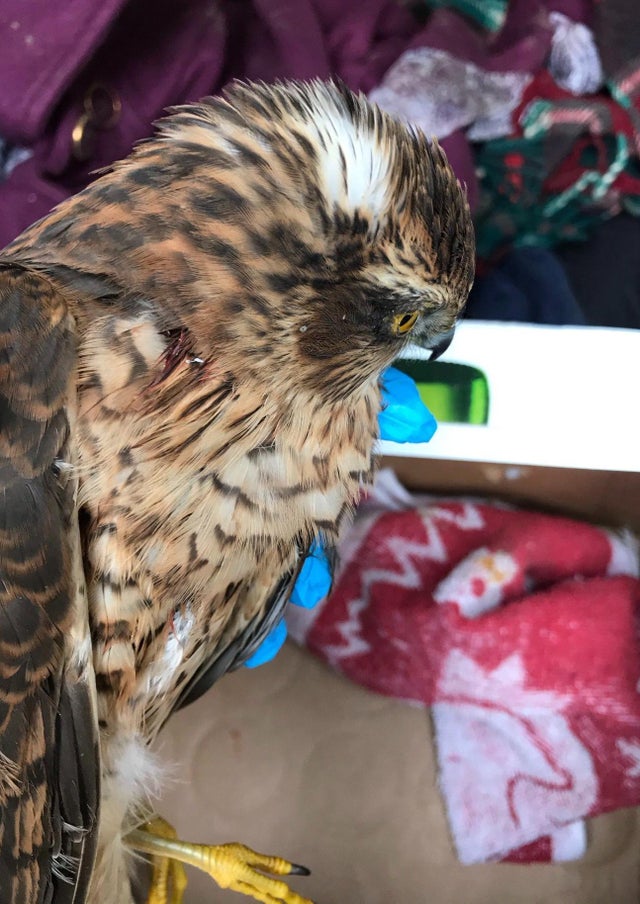
The RSPCA is appealing for tighter controls on air weapons after a sparrowhawk was put to sleep due to being shot by an air rifle in Scunthorpe.

The bird was found lying on its back with its wings out after flying out of woods near Darnholme Crescent on Wednesday, before crashing into a car because of its injuries from the gunshot.

A passer-by spotted the bird of prey and contacted the RSPCA who brought it in for treatment.

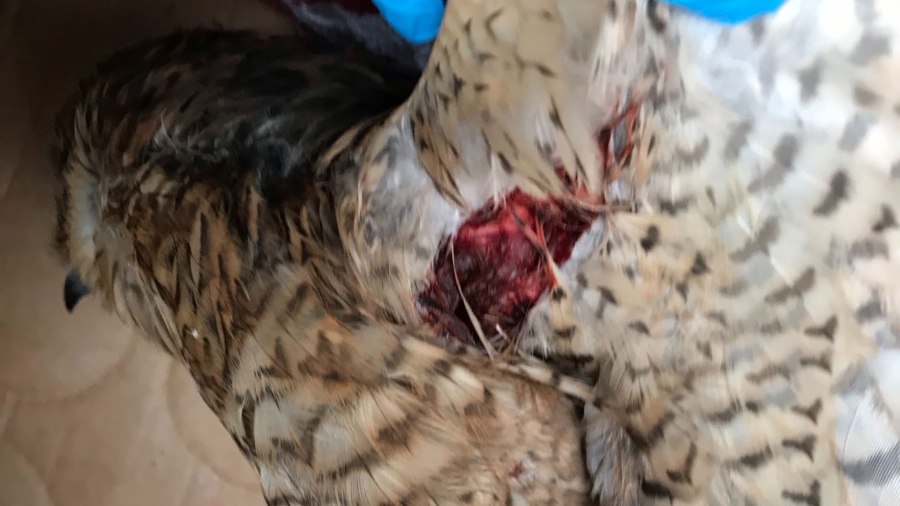
The decision was made to put the sparrowhawk down as a result of its injuries, with the bird’s chest and wing damaged beyond repair and rehabilitation being impossible.

[Photos by RSPCA]

RSPCA inspector Claire Mitchell, investigating the case, said: “This poor sparrowhawk was in a very bad way after being shot and after further assessment, very sadly the decision was made to put the bird to sleep to end its suffering.

It is likely that the bird was shot with an air gun while in flight, and it is very concerning that somebody in the area was taking shots at wildlife in this way.

Whilst there are some shooting practices which are legal, it is an offence under the Wildlife & Countryside Act to intentionally injure, kill or take a wild bird, except under licence.

Anyone found guilty could face an unlimited fine and/or six months imprisonment.

The animal welfare charity are now appealing for information about the incident, asking anyone who can help resolve this incident to call 0300 1238018.

ENDS

Reports of wildlife crime almost double according to new figures from Police Scotland

Press release from Police Scotland (13th November 2020)

Reports of wildlife crime almost double

Wildlife crime reports have nearly doubled, according to the latest figures from Police Scotland.

Between April and September 2020, Police Scotland recorded 203 wildlife crime offences compared to 111 in the same period in 2019/20, an increase of 82.9%.

Detection rates also increased, rising to 55.2% in 2020 compared to 34.2% in the same six month period in 2019.

The latest figures were released in Police Scotland’s Quarterly Performance Report covering April to September 2020/21.

[This hen harrier died after suffering horrendous injuries caused by an illegal trap on a grouse moor on Leadhills Estate, South Lanarkshire. Photo by Ruth Tingay]

Detective Chief Superintendent Gary Cunningham, Police Scotland’s lead for Wildlife Crime, said: “Scotland’s diverse wildlife is one of its greatest assets, yet there are those who seek to destroy it. Wildlife crime has an enormous impact not only on our natural heritage but also on those communities that rely on the employment and tourism it brings.

Investigating wildlife crime can be demanding and complex, it requires specialist skills. Earlier this year we introduced a new training course to build our capability and to enhance the skills and knowledge of our officers.

We will continue to invest in tackling wildlife crime and ensuring our officers are trained to the highest level. But we are also asking the public to be aware and if they see anything suspicious to report it to us“.

ENDS

This increase in reported wildlife crimes in Scotland mirrors a surge in reported raptor persecution crimes in England during lockdown (e.g. see here and here).

Political questions being asked about out-of-season muirburn licence issued to Leadhills Estate

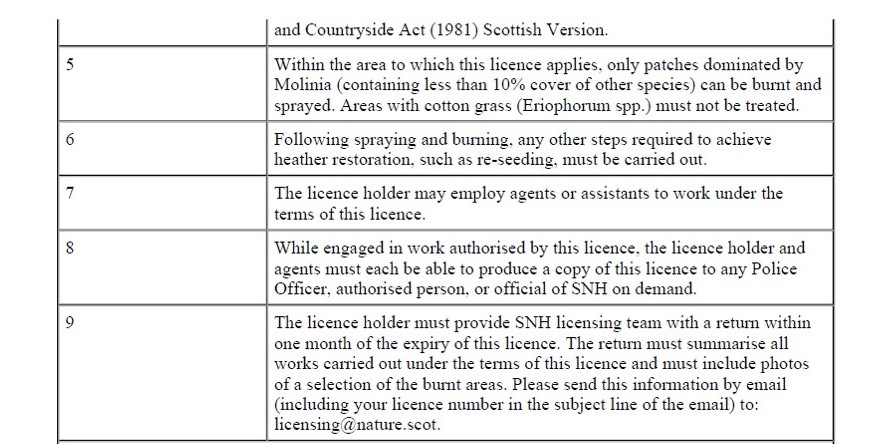
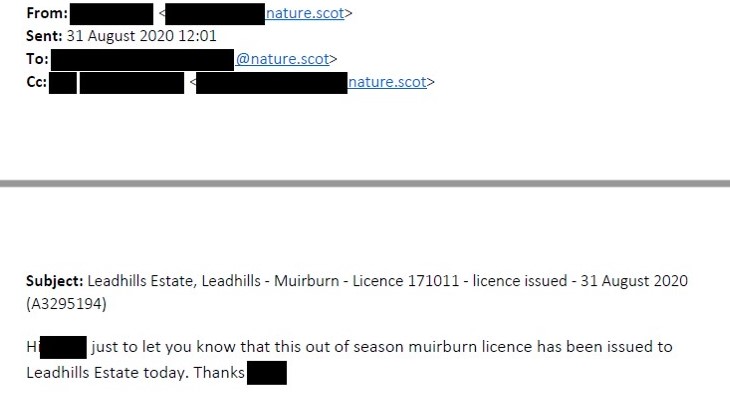
Over the last few weeks a series of Freedom of Information requests has revealed that Scottish Natural Heritage (now rebranded as NatureScot) issued an out-of-season muirburn licence to Leadhills Estate, allowing gamekeepers to set fire to parts of the grouse moor in September 2020.

Four blogs have been written about it: here, here, here and here.
[Grouse moors at Leadhills Estate, photo by Ruth Tingay]

This licensing decision was astonishing for a number of reasons, not least because at the time muirburn had been banned across the whole of Scotland after emergency Coronavirus legislation was passed in April 2020, but also because Leadhills Estate is notorious as being at the centre of alleged wildlife crime investigations (approx 70) over the last 17 years and is currently serving a three-year General Licence restriction, imposed on the estate by SNH because Police Scotland provided ‘clear evidence’ of wildlife crimes having being committed by persons unknown in recent years. The estate is reportedly under further police investigation since more allegations have been made this year, so how come it’s receiving ‘special treatment’ from the licensing authority?

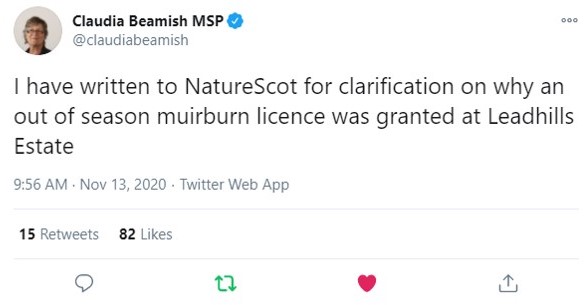
Well this is a question being asked by Claudia Beamish MSP, according to her Twitter feed today:

Claudia is very familiar with the recent history of Leadhills Estate as it’s in her south Scotland constituency. Claudia is also the spokesperson on Environment, Climate Change and Land Reform for Scottish Labour so she’s well-versed in these issues and has regularly supported and hosted events for the Revive coalition for grouse moor reform.

Thanks, Claudia, it’ll be interesting to hear what SNH (NatureScot) has to say about this particular licence.

There’ll be another blog, shortly, on another out-of-season muirburn licence that SNH issued to Leadhills Estate…..

Environment Minister acknowledges potential economic impact of wildlife crime linked to grouse shooting

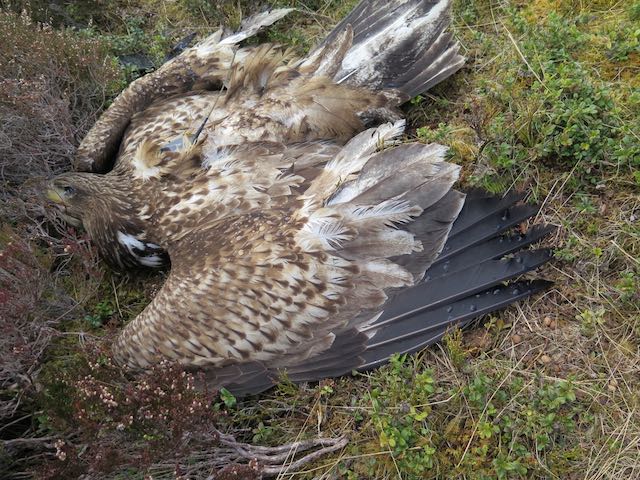
It’s been another year of shocking wildlife crimes being uncovered on grouse moors in the UK, including the illegal poisoning of this iconic white-tailed eagle, found dead on a grouse moor inside the Cairngorms National Park in the spring (see here).

[The poisoned white-tailed eagle, photo by Police Scotland]

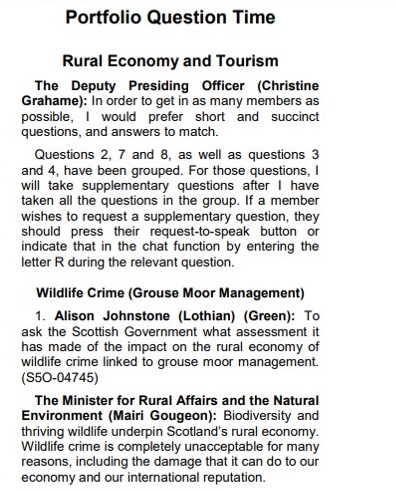
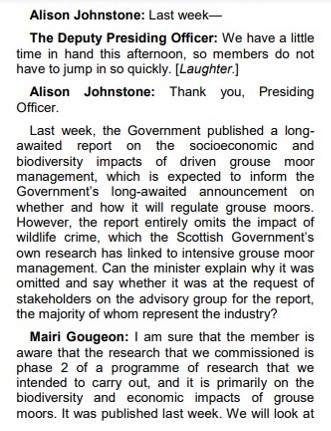
Last week, Scottish Greens MSP Alison Johnstone lodged a Parliamentary question asking what assessment the Scottish Government has made of the impact on the rural economy of wildlife crime linked to grouse moor management (see here).

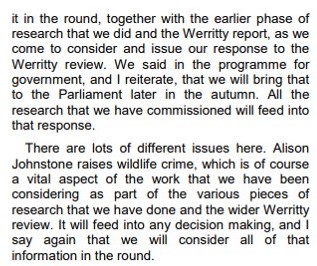
Her question, and a supplementary one, were ‘answered’ by Environment Minister Mairi Gougeon during Portfolio Question Time yesterday in the Scottish Parliament.

When I say ‘answered’, I use the term loosely. A more fitting word might be ‘sidestepped’.

Here’s how it went:

It’s good that Mairi Gougeon acknowledges the potential economic damage of wildlife crime linked to grouse moor management – it’d be insane to claim that the photograph of that poisoned eagle, laying dead on a grouse moor inside the Cairngorms National Park of all bloody places, would not have an economic impact and, as the Minister pointed out, on Scotland’s international reputation.

But the question Alison asked was ‘What assessment of that economic damage has the Scottish Government undertaken?’

None, it seems.

Still, as the Government’s response to the Werritty Review is imminent, we can all look forward to “decisive action” on wildlife crime linked to grouse moor management, as Environment Cabinet Secretary Roseanna Cunningham assured us all in August after a huge outpouring of public anger about this poisoned sea eagle (see here).

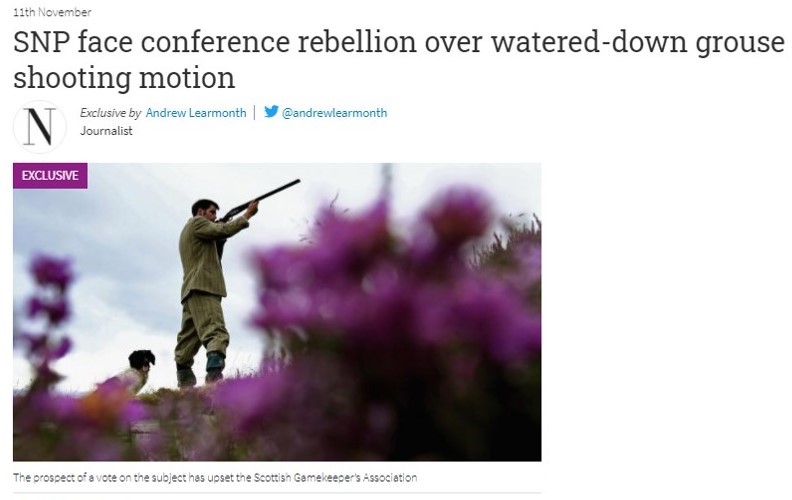
SNP leadership faces grassroots rebellion at conference over watered down grouse shooting motion

The scandal that is driven grouse shooting continues to feature prominently in the Scottish media as pressure continues to mount on the Scottish Government to respond to the Werritty Review on grouse moor licensing, a report that was submitted to the Government almost a year to the day (18 November 2019).

Last week The National ran an article on the 25 regional SNP branches who had submitted a motion for debate at the national conference calling for an end to driven grouse shooting in Scotland (see here).

The motion was proposed by councillor Julie Bell of Kirriemuir and Dean (Angus) and seconded by Ruth Maguire MSP. The resulting personal abuse hurled at them on social media from those with a vested interest in maintaining grouse shooting won’t have gone unnoticed by Julie, Ruth or their party colleagues and probably beyond.

Meanwhile, the motion appears to have been watered down considerably, despite being ‘the most backed resolution this year’, and as a result, Ruth Maguire MSP has lodged an amendment. The National ran an article on this yesterday, as follows:

THE SNP leadership faces a grassroots rebellion at this year’s conference over plans to end grouse shooting in Scotland.

The prospect of a vote on the subject has upset the Scottish Gamekeeper’s Association, who warn that the party risk alienating the countryside.

An initial motion to conference calling for an end to “unsustainable practices on grouse moors including the snaring, trapping and killing of hundreds of thousands of animals, muirburn and mass outdoor medication” was popular with members, being the most backed resolution put forward.

However, it was missing from the conference agenda. Instead there was another resolution which called for Scottish Government to continue its work “on regulating sporting estates in order to protect our biodiversity, native species and peatlands.”
MSP Ruth Maguire said this didn’t go far enough. Backed by her Holyrood colleague Christine Graham and a number of branches, she’s now submitted an amendment which urges the party to back the licensing of all shooting estates, and “move away from driven grouse shooting towards more sustainable and diverse land uses”.

Maguire said: “The original motion submitted to conference appears to be the most backed resolution this year showing the strength of support within the party for tackling Scotland’s grouse moors.

“For the huge swathes of Scotland they use up, driven grouse moors are one of the most destructive land uses in Scotland for our wildlife and environment, offering little economic benefit compared to other land uses.

“As recent polling shows almost three quarters of Scots are against grouse shooting and the SNP membership want the chance to put the party on the forefront of public opinion. This amendment, like the original motion, seeks to end the unsustainable practices of grouse shooting and in line with land reform, make our land work better for our people, our wildlife and the environment.”

Scottish Gamekeepers Association Chairman Alex Hogg said: “The SNP, down the years, has enjoyed strong levels of support within working gamekeepers, their families and extended groups in rural constituencies.

“These are ordinary, hard-working individuals and families who vote for people and parties they feel will represent the interests of their communities.

“Recent policy decisions have left them alienated. Land working people, just now, are angry.

“They feel the Scottish Government is no longer listening or supporting them, despite the many benefits their work brings to the Scottish countryside and economy.”

ENDS

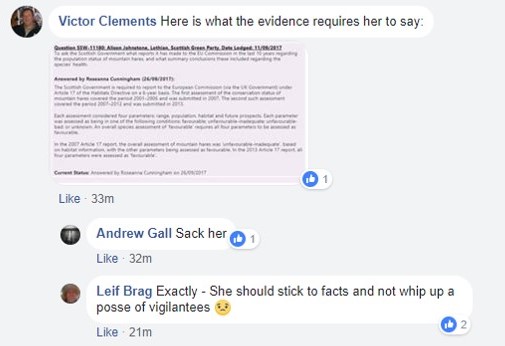
Funny, the so-called ‘strong levels of support’ for the SNP that I’ve seen from the SGA’s members and supporters over the last few years has consisted almost entirely of vile personal misogynistic abuse.

Here’s a short example targeting Environment Cabinet Secretary Roseanna Cunningham in March 2018 after she spoke to campaigners outside Holyrood about the mass slaughter of mountain hares on grouse moors (thanks to the blog reader who’s been compiling this material):

Roseanna hasn’t been the only target – First Minister Nicola Sturgeon has received ‘special attention’ as has Environment Minister Mairi Gougeon. And it’s not just female politicians in the SNP who have been at the receiving end of this disgraceful behaviour – politicians in the Scottish Greens and Labour have also been targeted, as have campaigners, bloggers, researchers, journalists, scientists, police officers, lawyers, raptor workers, tv presenters, bird ringers, satellite taggers, funders, charity workers, in fact anyone who dares even hint that driven grouse shooting is a Victorian throwback with huge environmental costs has been a victim of this abusive and targeted harassment.

There’ll be more on this subject shortly.

Government report shows driven grouse shooting is ‘economically unviable’ says Scottish think tank

Press release from the Revive coalition for grouse moor reform (12th November 2020)

Think tank claims Government report on driven grouse shooting shows the bloodsport is ‘economically unviable

A Scottish think tank, and coalition partner of Revive, says grouse moor management is a ‘loss-making activity’, claiming driven grouse shooting is ‘economically unviable’.

Common Weal’s comments come in response to recently published research into the socioeconomic and biodiversity impacts of driven grouse moors and the employment rights of gamekeepers, funded by the Scottish Government.

Head of Policy and Research for the Common Weal think tank, Craig Dalzell said:

Following our analysis of the latest Scottish Government funded research, our strong view is that the conclusion that driven grouse moors have a positive economic impact without public subsidy is greatly overblown.

Driven grouse shooting has been shown to be a loss-making activity reliant on other activities such as sheep farming to remain viable and thus often benefiting indirectly from significant public subsidy.

With the climate emergency worsening and the time to avert it growing shorter, the Scottish Government should use this research as the basis for radical land reform and a major economic and ecological strategy based around conservation and regeneration of our uplands.

Activities that this report states can create at least as much economic benefit as driven grouse shooting and often significantly more whilst also protecting the environment and helping to meet the Scottish Government’s commitments on climate change.”

The analysis from Common Weal also concludes that land managed for driven grouse shooting is at odds with the Scottish Government’s goal of a ‘Green New Deal Scotland’ and that land conservation, which is also subsidised, is ‘almost on par with driven grouse shooting in terms of overall revenue per hectare and results in substantially better returns in terms of environmental protection.’

Campaign Manager for Revive Max Wiszniewski added:

It’s clear that any positive economic impact from grouse shooting is consistently exaggerated by those with a vested interest in maintaining it – relying on subsidies from other land uses to support it. Meanwhile hundreds of thousands of animals are snared, trapped and killed so more grouse can be shot for ‘sport’ while the environment is destroyed.

For all the land it uses up, somewhere around half the size of Wales, it is estimated that grouse shooting contributes between 0.02% and 0.04% of Scotland’s overall economy. We welcome the fact that this report explores alternative land uses, all of which would be better for Scotland’s people, our wildlife and the environment.”
ENDS

For more info about Common Weal please visit the website here
For more information about the Revive coalition for grouse moor reform please visit the website here

SNH grants licence to Leadhills Estate for out-of-season muirburn

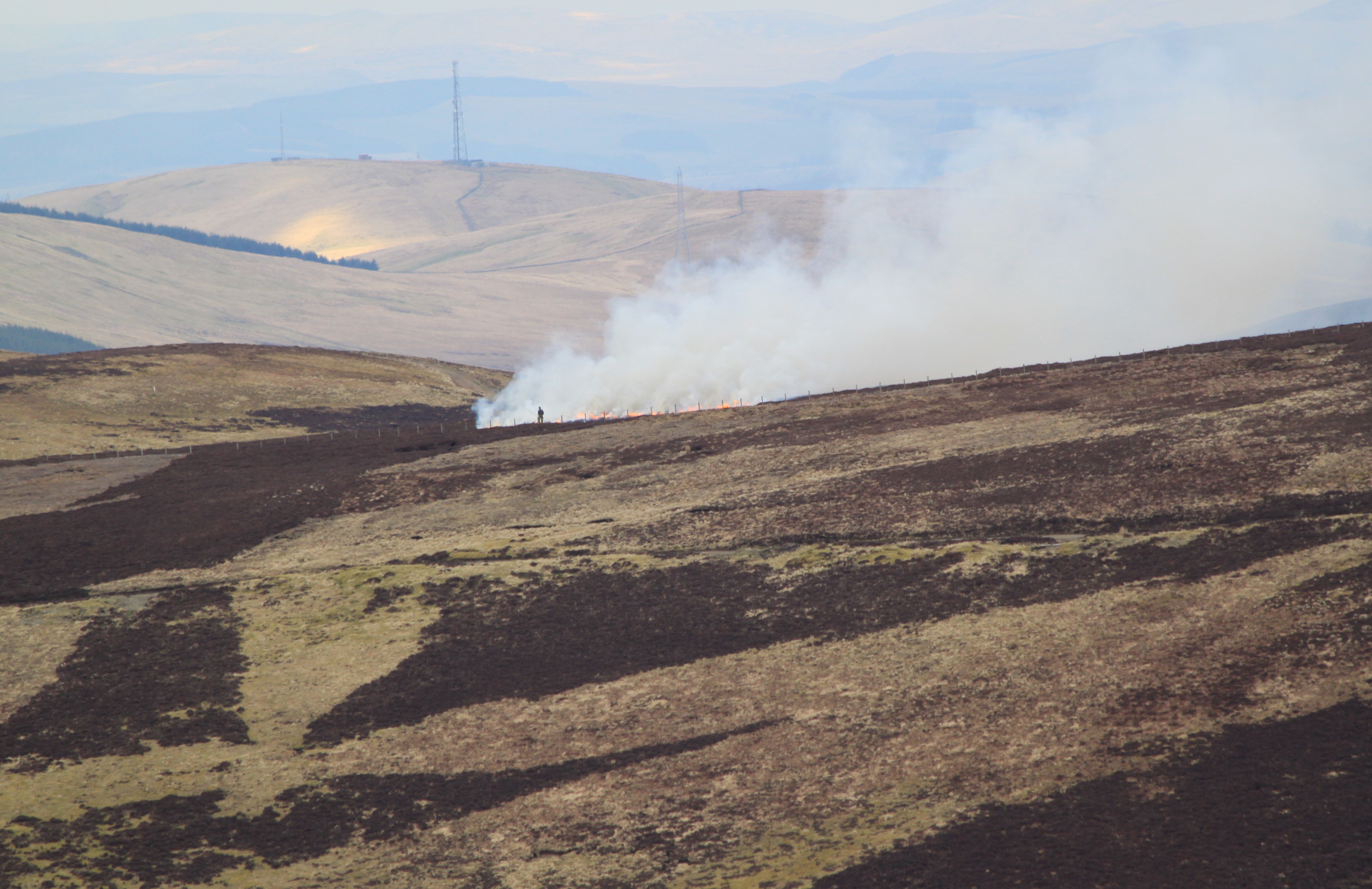
Leadhills Estate, which has been at the centre of over 50 police wildlife crime investigations in the last two decades, has had two gamekeepers convicted for committing wildlife crime offences during that time, and is currently the subject of a three-year General Licence restriction, imposed after Police Scotland found ‘clear evidence’ of wildlife crimes having being committed by persons unknown in recent years, and is under further police investigation since more allegations have been made this year, was granted a licence by SNH to undertake out-of-season muirburn on estate grouse moors in September.

There have been some jaw-dropping revelations on this blog over the years but this one is right up there.

[Muirburn on Leadhills Estate, South Lanarkshire. Photo by Ruth Tingay]

A quick recap of the situation (for those who want more detail please see the links to previous blog posts below).

In April 2020 the Scottish Government temporarily banned all muirburn in Scotland under emergency Coronavirus legislation (see here).

Despite being in the middle of a pandemic, in July 2020 Mark Osborne, acting on behalf of Leadhills Estate, applied to Scottish Natural Heritage for an out-of-season licence to conduct muirburn on the estate in September after spraying some areas with glyphosate (see here).

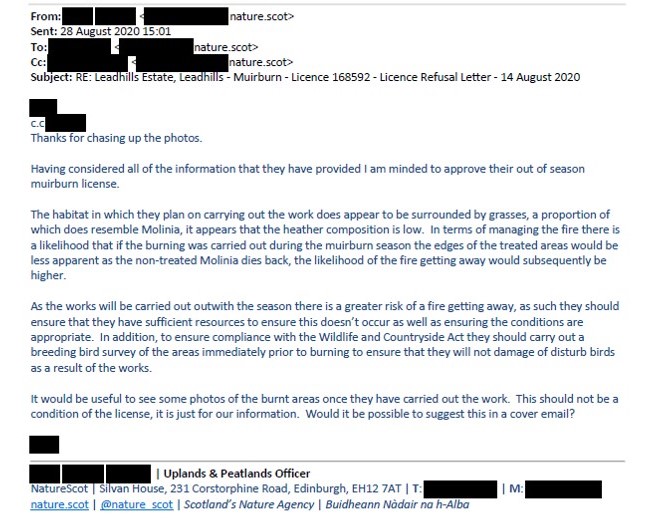
Scottish Natural Heritage (now rebranded as NatureScot but that’s irrelevant) refused the licence application in August (here) and Osborne immediately appealed the decision (see here).

That’s where we left the saga last time. Here’s what happened next…..

SNH was obliged to consider Osborne’s appeal, although it wasn’t obliged to overturn it’s previous decision to refuse permission.

Here’s how SNH’s reconsideration went:

According to the Freedom of Information documents that have been released, that’s it. That’s the extent of the discussion at SNH about whether Leadhills Estate should be given permission to set fire to its grouse moors out of season and in the middle of a global pandemic.

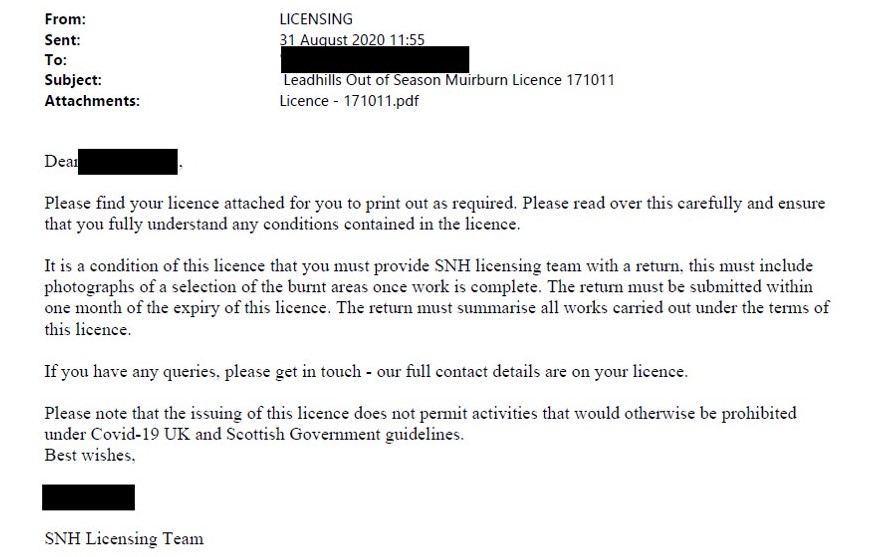
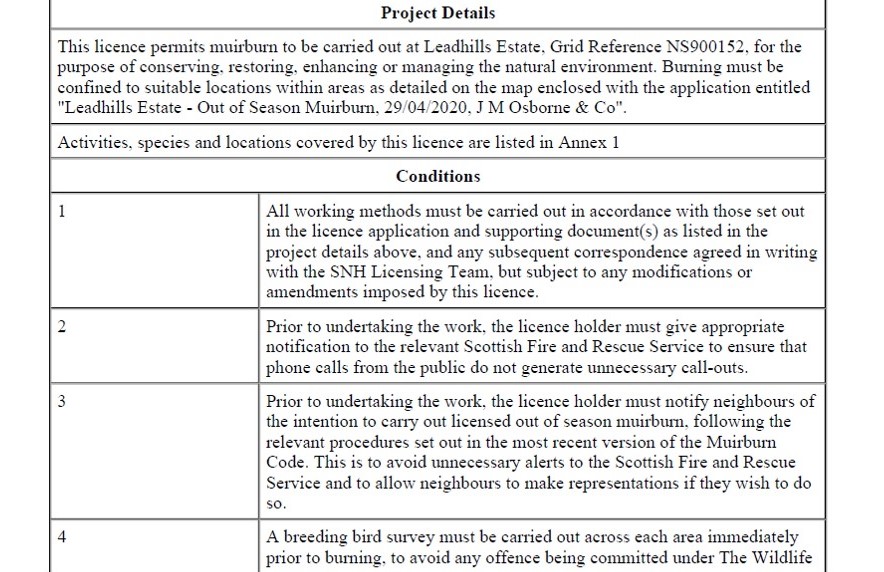
A couple of days later SNH wrote to advise Osborne of its U-turn decision and sent him the licence, as follows:

There has been some discussion amongst RPUK colleagues and associates about whether SNH’s decision to issue this licence was a breach of the Government’s emergency Coronavirus legislation which had temporarily banned muirburn until the official season opened on 1 October 2020. I might return to that topic.

However, of greater interest, to me, is how SNH’s decision-making on whether to issue an out-of-season muirburn licence apparently failed to consider the wider picture of what’s been going on at Leadhills, and especially the current three-year General Licence restriction placed on the estate, by, er, SNH. Didn’t anybody think about that?

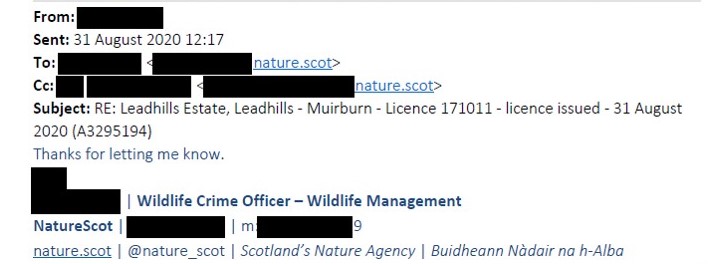
Ah, well somebody did, but unfortunately it seems this person’s expert input wasn’t invited as part of the decision-making process:

There’s quite a lot to take in about this case, and the details and circumstances of this particular licence. An FoI has been submitted to SNH to see the licence return which, as detailed in condition #9, should have now been submitted to SNH by Osborne.

And it turns out that this isn’t the first year that SNH has granted an out-of-season muirburn licence to Leadhills Estate. More on that shortly.

For some reason, the phrases ‘taking the piss’ and ‘impotent licensing authority’ are uppermost in my mind.

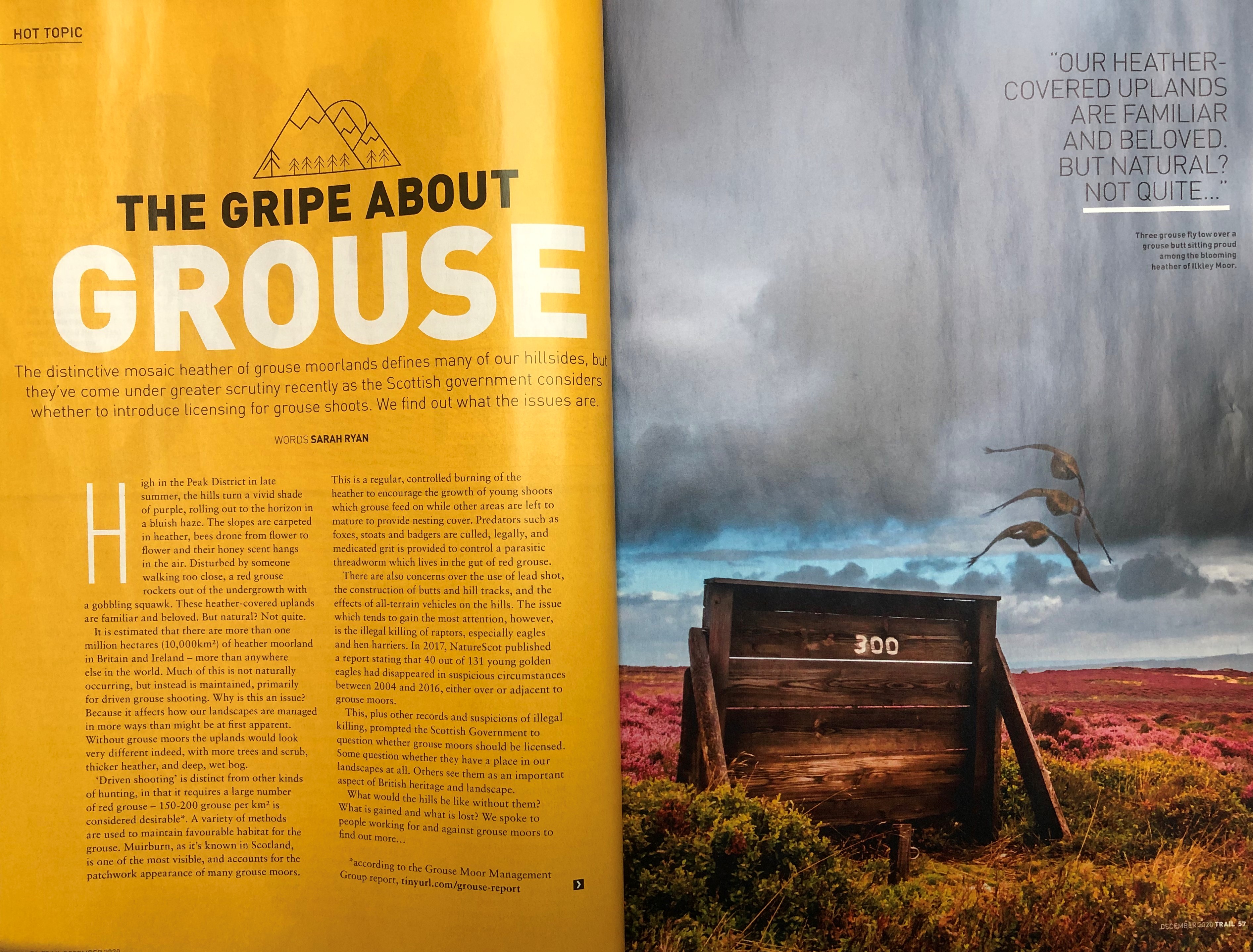
Grouse-shooting debate featured in UK’s best-selling hillwalking magazine

There’s a very good feature article on grouse shooting in the December 2020 edition of Trail magazine, apparently ‘The UK’s best-selling hillwalking magazine’.

Written by Sarah Ryan, it’s an excellent introduction to this controversial activity and is ideal for readers who may not already be familiar with the subject (with only a few minor inaccuracies – e.g. badger killing is an offence and shouldn’t be listed as legal predator control).

Sarah sets the scene with an overview, including an explanation of the difference between driven and walked-up shooting and the environmental costs and damage of associated practices such as muirburn, legal predator control, medicated grit, the use of lead ammunition, the construction of shooting butts and hill tracks, the use of all-terrain vehicles on sensitive habitats and of course the illegal killing of birds of prey, with a special focus on golden eagles and hen harriers.

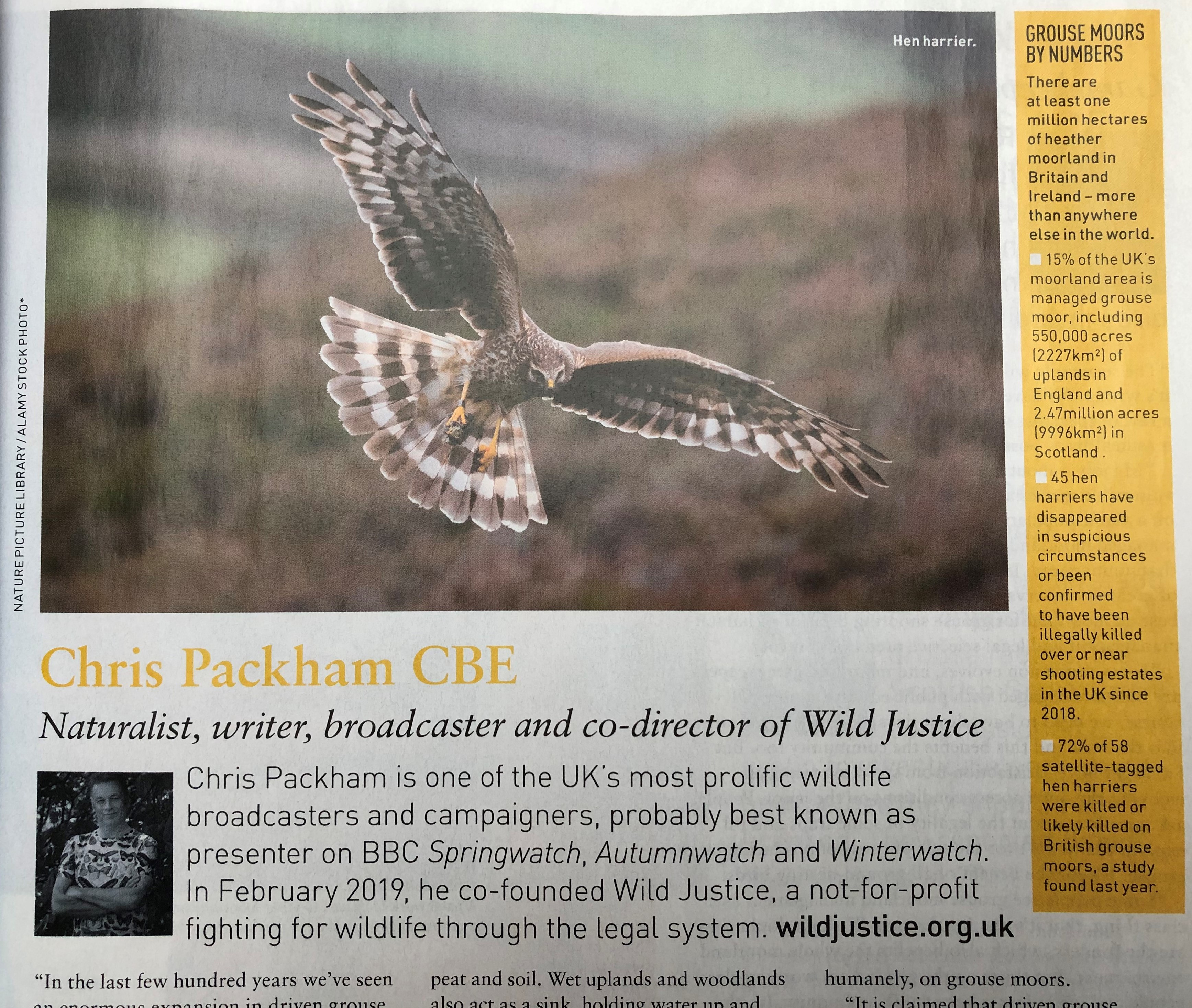
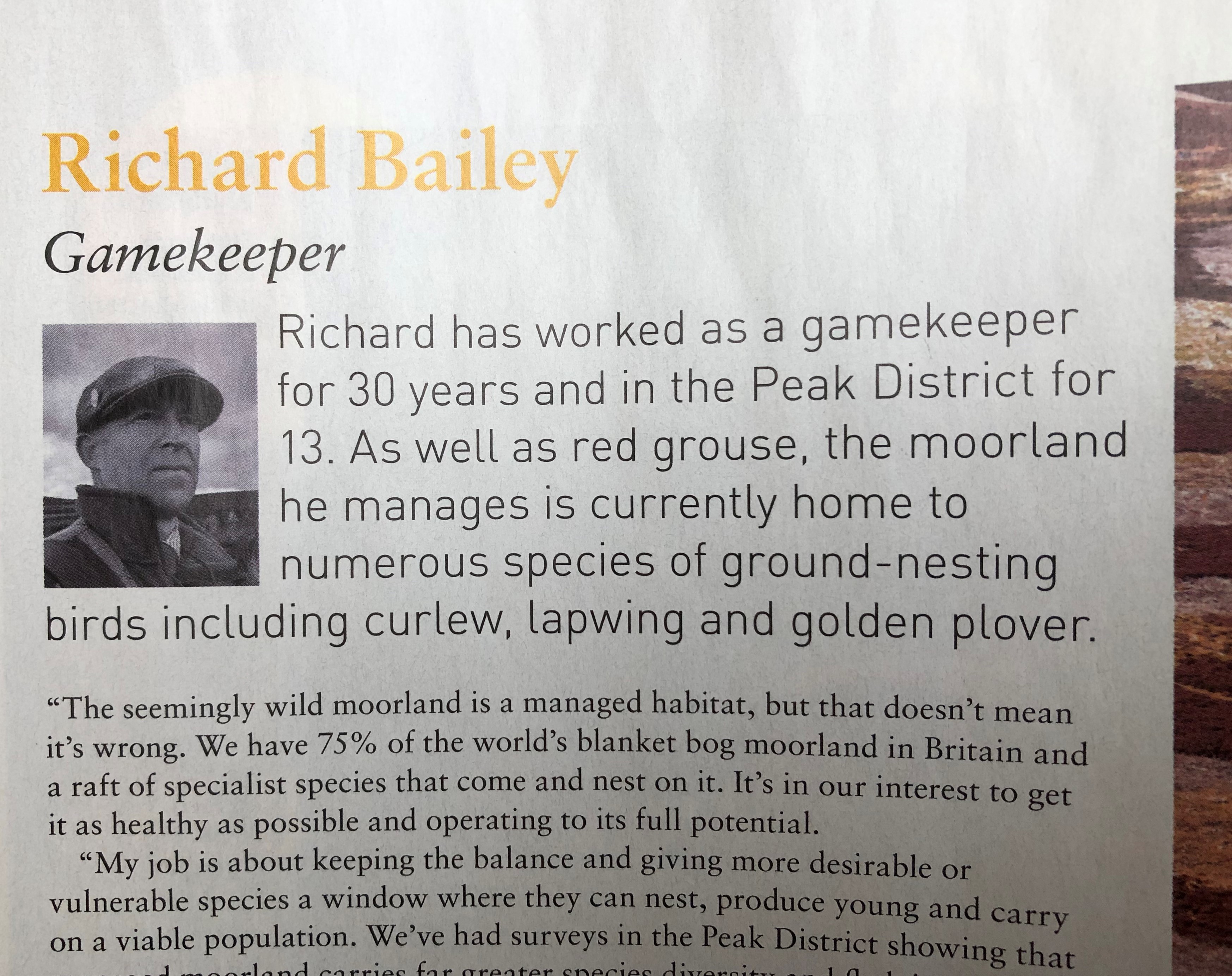
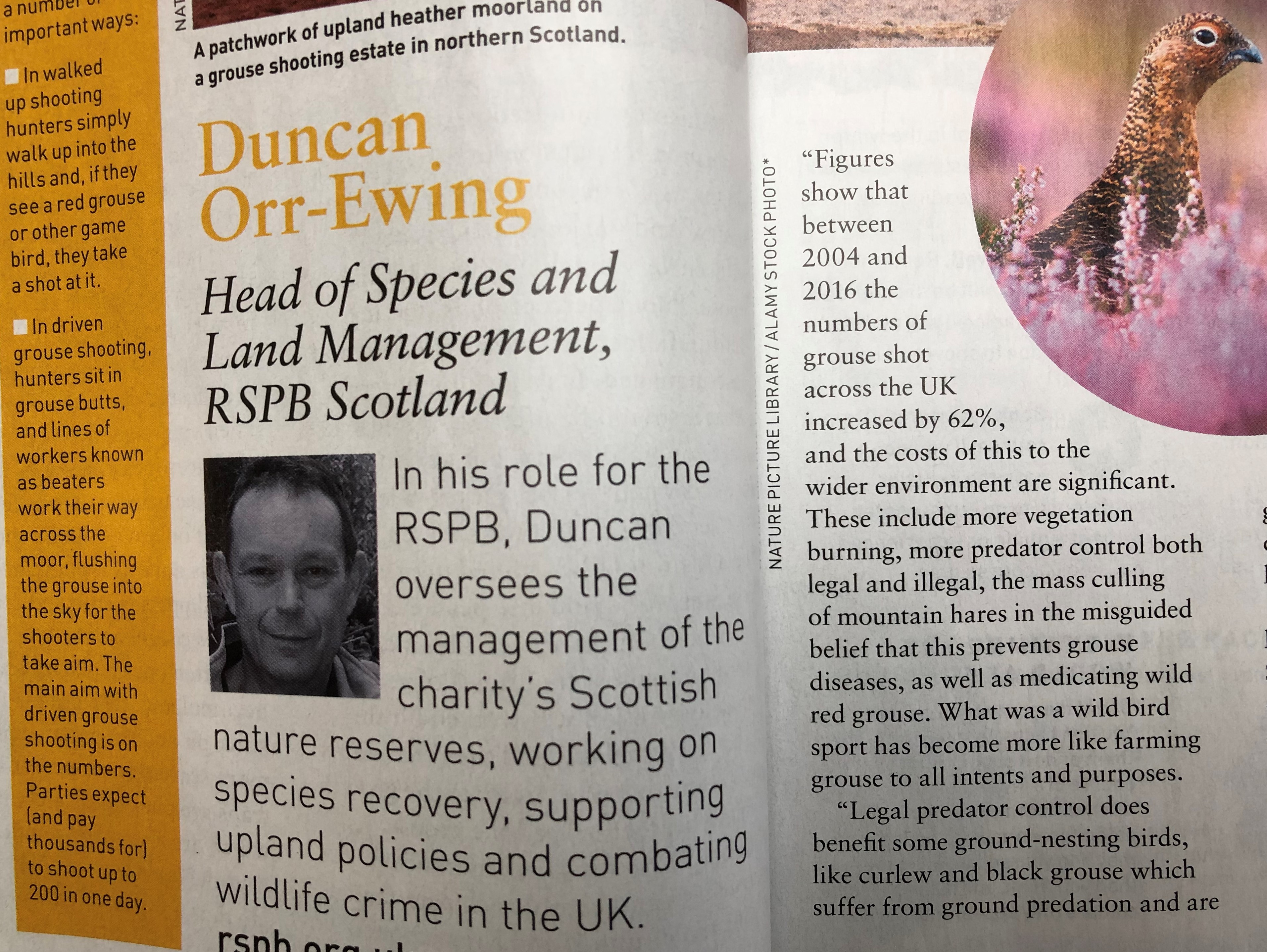
There then follows a series of contributions from conservationists (Chris Packham), Peak District gamekeeper Richard Bailey (who has previously been identified by the shady grouse shooting astroturf group C4PMC as being [one of] ‘Our People‘ – see here), Duncan Orr-Ewing (Head of Species & Land Management at RSPB Scotland) and Professor Alan Werritty, author of the now infamous government-commissioned Werritty Review (for which we’re still waiting for a response from the Scottish Government as we approach the year anniversary of the report’s submission on 18th November 2019).

The whole article can’t be reproduced here – if you want to read it you’ll have to buy the magazine – but to be honest, most of this blog’s audience will already be well versed with the arguments put forward and won’t be surprised by any of the views.

The value of this article is the potential it has to reach a new audience of people who are clearly interested in the outdoors but who may not previously have appreciated the environmental devastation taking place up on those moors.