
An injured buzzard was found by a member of the public near Acklington, Northumberland on 4 January 2020. It was grounded by the entrance to the Rigg & Furrow Brewery at Acklington Park Farm.
It was transferred to Blyth Wildlife Rescue where x-rays revealed shotgun pellets in both wings. The location of the shooting is unknown.
[Photos via Jane Hardy]

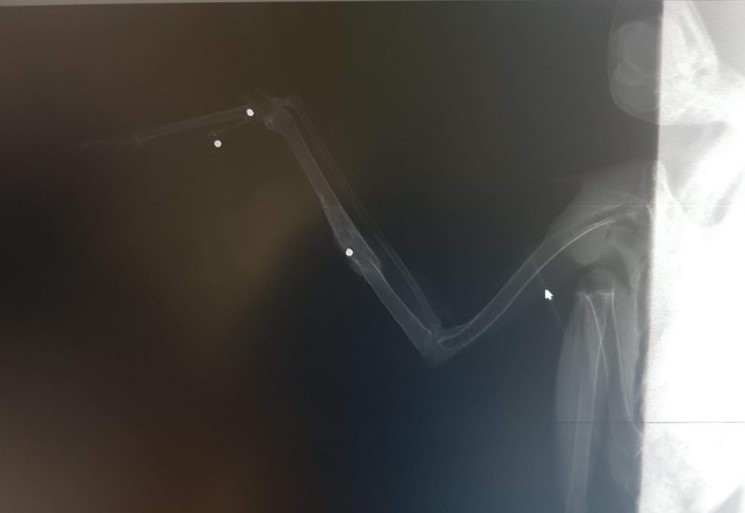
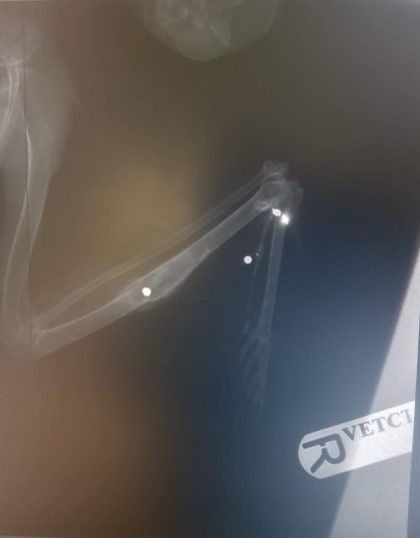
The buzzard is still undergoing treatment and assessment at the rescue centre.


 Raptor Persecution UK
I wonder if gamekeepers have decided to launch a ‘freelance’ campaign of shooting every raptor they now see, regardless of where they are, so long as no one is around to catch them?
No campaign…just business as usual for these criminals..theyve been at it for well over a hundred years now…
Indeed; it certainly does sound like that, given the current political climate, the shootards feel sufficiently emboldened to brazenly “stick it to the antis”
My thoughts too!
We do have an increased number of watchers and informed public that may be finding more dead and damaged birds.
I cannot but believe the mentality of the criminals is such as to intensify persecution and create extinction before their jobs disappear. With their thoughts being, “You threaten our jobs, we’ll destroy your precious birds, first.”
Such is the mentality of this type of criminal, especially when they operate with impunity.
Doug
I find it credible that they’ve restarted shooting as many raptors at every opportunity, even including Kestrels, on the basis of RSPB, RPUK et al campaigning against their ongoing persecution of specially protected species. We may have provoked this (legitimately), so hopefully our efforts to end “driven” grouse shooting will win ultimately. Although, as I’ve said before, I don’t anticipate full success unless we ban ALL grouse shooting. Red Grouse (and Black) could be said to deserve protection in their own right. There are opportunities to manage the land for more benign purposes, including public recreation which includes enjoyment of landscapes and registration as National Nature Reserves to restore the ecosystem’s natural biodiversity. Low intensity grazing could continue to be appropriate for local farmers’ sheep and hardy beef cattle. Wishful thinking?