RSPB press release:
MOUNTAIN HARE CULLS CONTINUE DESPITE A PERIOD OF “VOLUNTARY RESTRAINT” SAYS SCOTTISH WILDLIFE ORGANISATIONS
A coalition of ten environmental and outdoor organisations have repeated their appeal to the Scottish Government to introduce urgent safeguards for mountain hare populations.
The group (1) is asking for a temporary ban on all mountain hare culling on grouse moors until measures are put in place to ensure their numbers can remain at acceptable, sustainable levels.
The Scottish Government has a duty to maintain mountain hare populations in a state of good health, otherwise it may be in breach of its legally binding international obligations for this species. However, mountain hares are now routinely culled on a large scale across many grouse moors in Scotland (2).
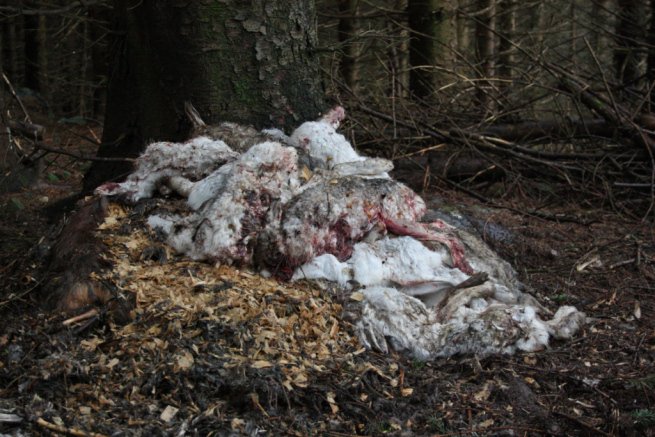
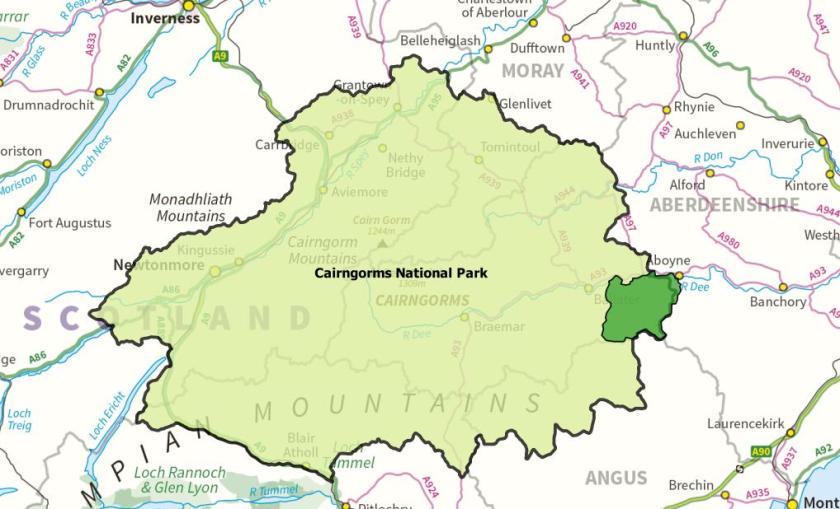
In 2014, the coalition warned the Scottish Government that the ‘voluntary restraint’ that was claimed to be in place was unlikely to protect these mammals from wide-scale culls on grouse moors, including in the Cairngorms National Park.
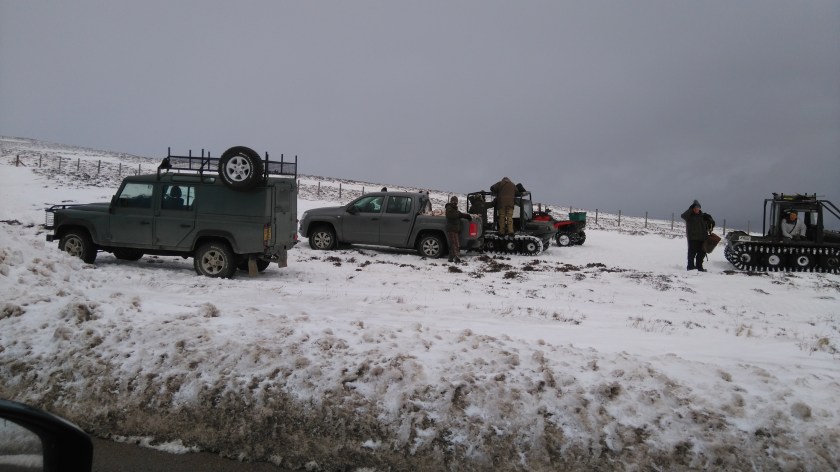
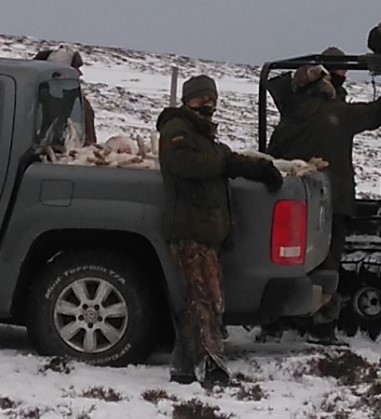
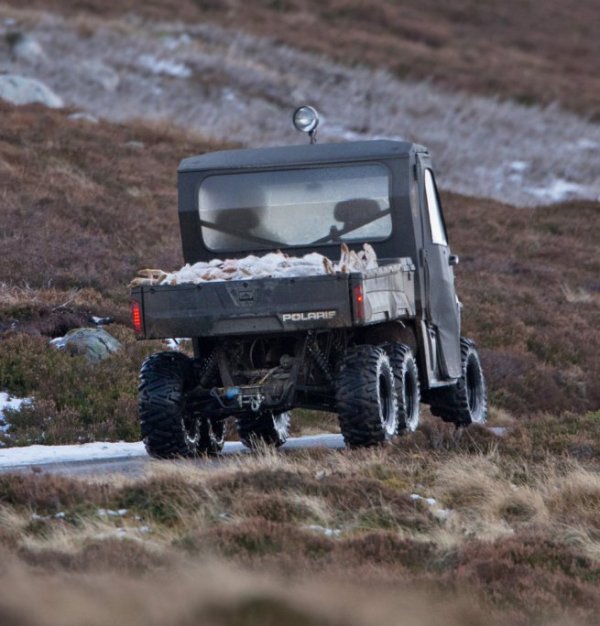
Since then, there have been multiple reports of culls being carried out across the country – suggesting that voluntary restraint has been ignored. These culls are believed to be having a serious negative effect on hare populations. In some areas it has been shown that the culls are leading to severe population declines and potentially even local extinctions.
Duncan Orr-Ewing from RSPB Scotland, said: “The Scottish Government needs to do more to safeguard these iconic species of our upland areas. In 2014 we had serious concerns that the notion of voluntary restraint would be ignored by many in the grouse shooting industry and, with the evidence of culls continuing on many moors over the last three years, it seems that these fears have been well founded.
“The start of the mountain hare season has already begun meaning hare populations will continue to be put at risk by unregulated culls that we believe, are resulting in localised disappearance of hare populations. We still do not know what impact these large scale culls are having on mountain hares’ wider conservation status and this could mean that the Scottish Government may be in breach of its legally binding international obligations for this species.
“We trust that this issue will also be considered by the forthcoming independently led expert group, announced by the Cabinet Secretary for the Environment at the end of May 2017, which will be looking at how grouse moors can be managed sustainably and within the law.”
Susan Davies, Director of Conservation, Scottish Wildlife Trust said: “Mountain hares are an iconic species that act as an indicator of the ecological health of our uplands, and seeing them gives much pleasure to hillwalkers and tourists alike.
“There has been continued and widespread culling throughout the period of voluntary restraint that was called for three years ago to allow research to be carried out. This suggests that some grouse moor managers have no concern for the long-term viability of mountain hare populations.
“We believe that grouse moor managers have a responsibility for this important native species. Lethal control should be halted until there is both accurate information on the number of hares culled, and the true effect of these culls on the health of the hare population is known.”
Alison Johnstone MSP said: “The mountain hare is a true icon of our upland areas and an important part of our natural heritage. The unnecessary and unregulated culling of mountain hares on intensive grouse moors across Scotland is damaging populations of this species beyond recovery. I have previously asked the Cabinet Secretary to ban these culls, at the very least in our National Parks and I support the call from these 10 organisations for the government to do more to safeguard populations of mountain hares and implement a moratorium on culls until work can be carried work to assure those concerned that any necessary mountain hare management can be sustainable.”
Notes for editors:
- The organisations which make up the coalition are: RSPB Scotland, Scottish Wildlife Trust, Scottish Raptor Study Group, Badenoch and Strathspey Conservation Group, Cairngorms Campaign, National Trust for Scotland, Royal Zoological Society of Scotland, Mammal Society, John Muir Trust and Mountaineering Scotland.
- Mountain hares are protected against unsustainable and indiscriminate killing by the European Union’s Habitats Directive. However, they are now routinely culled on a large scale on many grouse moors. This practice has developed relatively recently, in the belief that it protects red grouse against the tick-borne louping ill virus and so increases the surplus of grouse to be shot at the end of the summer, despite the lack of scientific evidence to support this claim.
- The mountain hare is Britain’s only native hare and plays a vital part of the complex ecosystem of Scotland’s uplands and moorlands, including acting as an important source of prey for golden eagles, one of Scotland’s most well-known birds.
- Mountain hares are understood to spread very slowly from one area to another, meaning culls may have significant detrimental impacts on local populations.
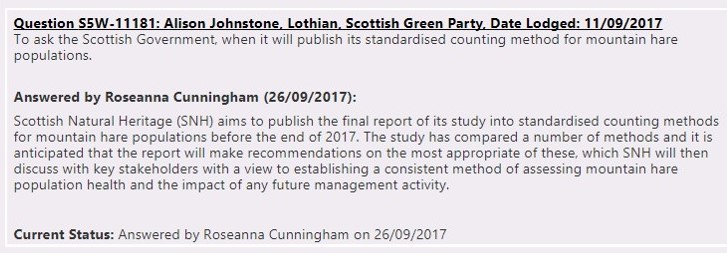
- In December 2014, Scottish Natural Heritage (SNH) along with other partners, announced the beginning of a three year study to trial methods of measuring mountain hare numbers to better inform their monitoring, how to assess their population status, and identify appropriate management measures. As part of this, SNH called for a voluntary restraint of large scale mountain hare culls on grouse moors.
ENDS
It’s great to see continued pressure being placed on the Scottish Government, and we’re especially pleased to see Mountaineering Scotland add its voice.
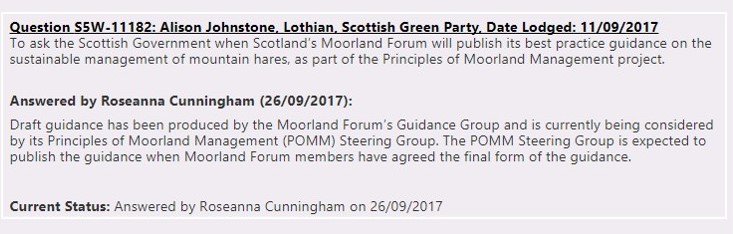
The Scottish Government (and it’s statutory conservation agency SNH) is exhibiting wilful blindness over this issue. There’s no other explanation for it. The Scottish Government has repeatedly said it does not support mass culls of mountain hares, and three years ago called on grouse moor managers to practice ‘voluntary restraint’ – a request that has been blatantly ignored by the grouse shooting industry, who have denied there is even a need for it (see here). And yet still the Scottish Government has not acted.
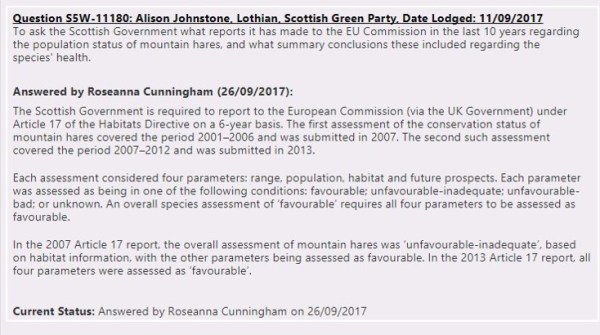
We’ve recently discovered that SNH has reported to the EU Commission that the mountain hare has favourable conservation status, despite strong scientific evidence (particularly from Dr Adam Watson) of local population declines. We are waiting for SNH to provide more detail of the scientific evidence it used to make this assessment because frankly, given the paucity of information on population size, we don’t understand how SNH was able to reach this conclusion.
The Scottish Government has committed to investigate the issue of mass hare culling on grouse moors, as part of the independent review of grouse moor management that was announced in May 2017. However, five months on we haven’t seen any sign of progress on this review – as far as we’re aware the panel hasn’t even been named, let alone the actual review getting underway.
Meanwhile, open season on mountain hares has come around again and we can expect to see more unregulated massacres taking place across many driven grouse moors, all in the name of ‘sport’.
Media coverage:
BBC news here
Mammal Society here
Scottish Gamekeepers Association here
Scottish Moorland Group here





 Raptor Persecution UK